Japanese prints
289 artworks from public collections
Browse by style
- Japanese prints
- Impressionism
- Japanese painting
- Chinese painting
- Post-Impressionism
- Realism
- Baroque
- Modernism
- Rococo
- Dutch Golden Age
- Neoclassicism
- South Asian painting
- Barbizon School
- Chinese painting: Ming
- High Renaissance and Mannerism
- Chinese painting: Qing
- Romanticism
- Symbolism
- Expressionism
- Late Gothic and Early Renaissance
- Northern Renaissance
- Renaissance
- Mexican prints
- Neo-Impressionism
- The Blue Rider
- Die Brücke
- American modernism
- Korean painting
- Cubism
- School of Paris
- Futurism
- De Stijl
- Chinese painting: Liao and Yuan
- Vienna Secession
- Ashcan School
- Fauvism
- Persian manuscripts
- Abstract art
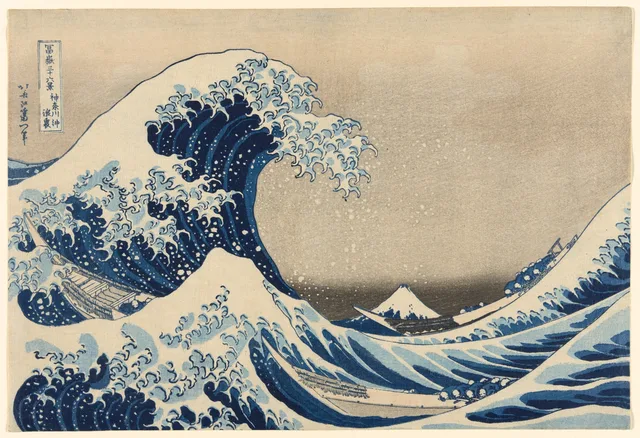
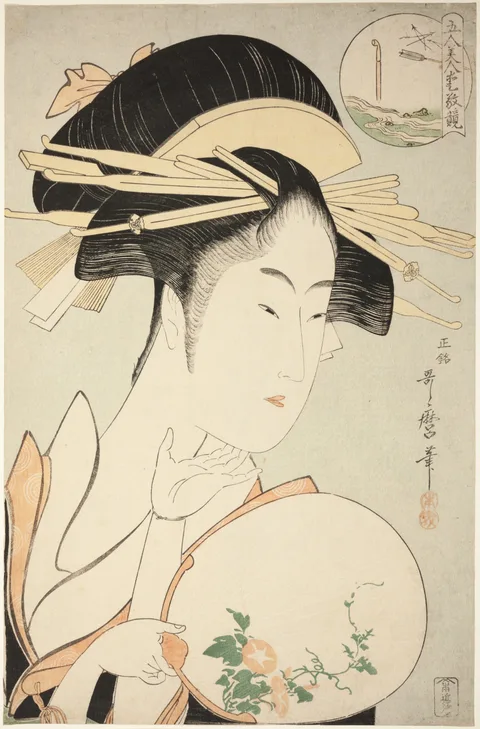
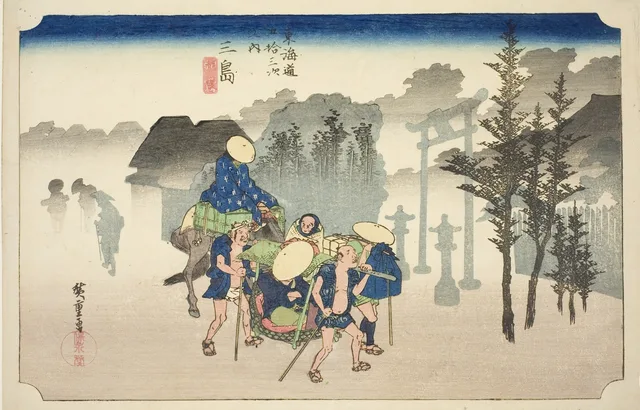
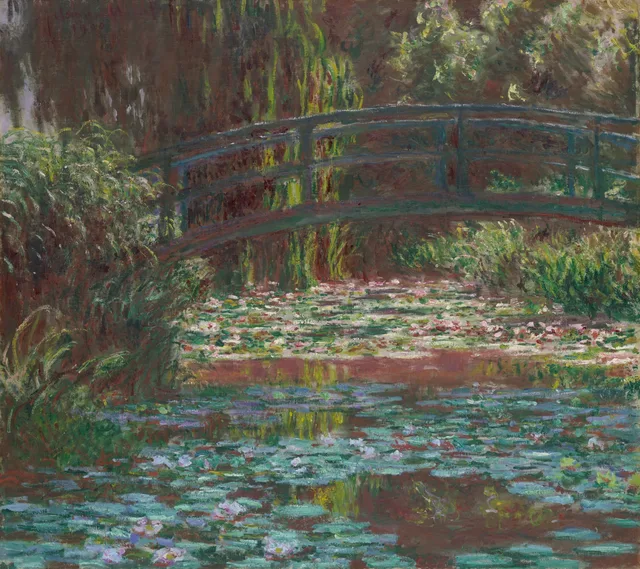
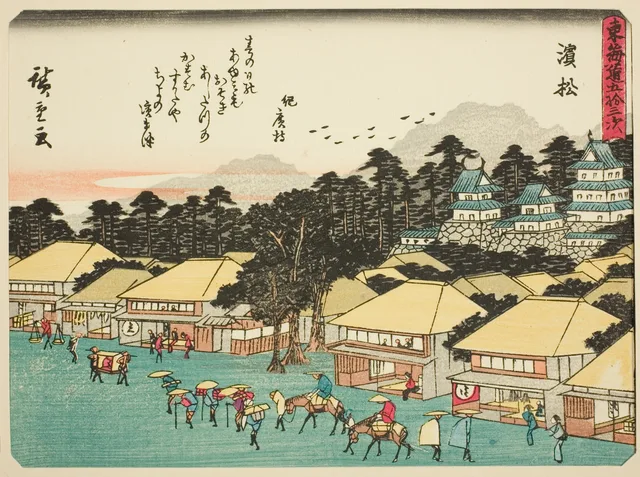
Ukiyo-e, pictures of the floating world, were prints and paintings of the theater and pleasure districts of Edo and other cities, the first art enjoyed by common people on a large scale. Actors and courtesans came first, then travel spots and landscapes. Prints in black ink, sometimes colored by hand, led by 1765 to full-color brocade pictures. Strong outlines, broad color areas and unexpected viewpoints help Japanese woodblock prints tell a scene at a glance. Ukiyo-e grew around urban entertainment, with actors and fashionable figures joined by landscapes and famous places. Production typically brought together a designer, carver, printer and publisher. Compare the handling of weather, cropping and empty space; these images also offered nineteenth-century European artists new compositional possibilities. The wider Japanese-print selection includes later work as well as Edo-period ukiyo-e. Connected places: Edo · Tokyo.
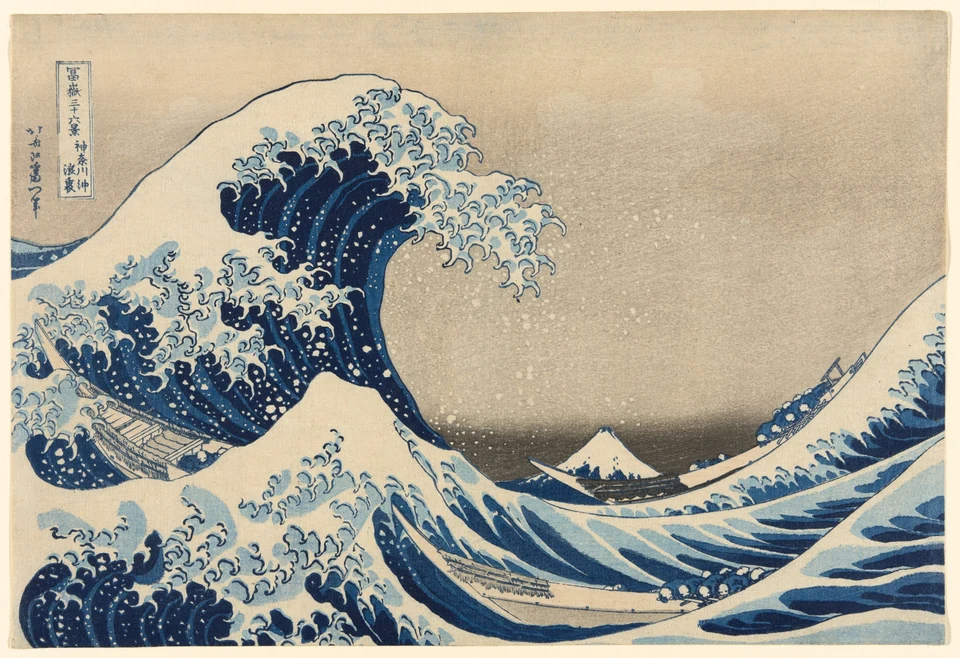 Under the Wave off Kanagawa
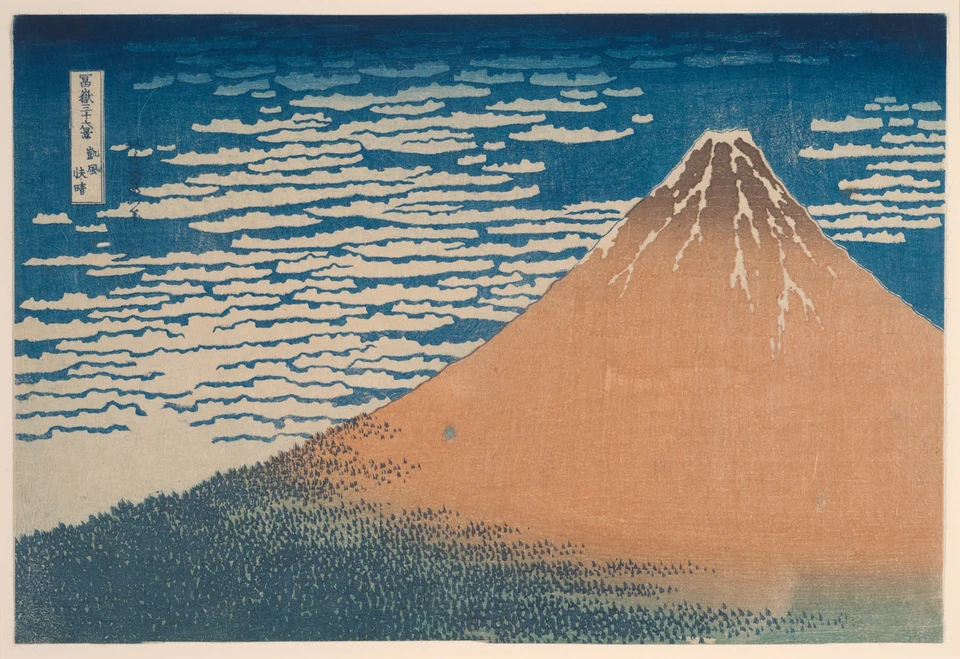 A Mild Breeze on a Fine Day
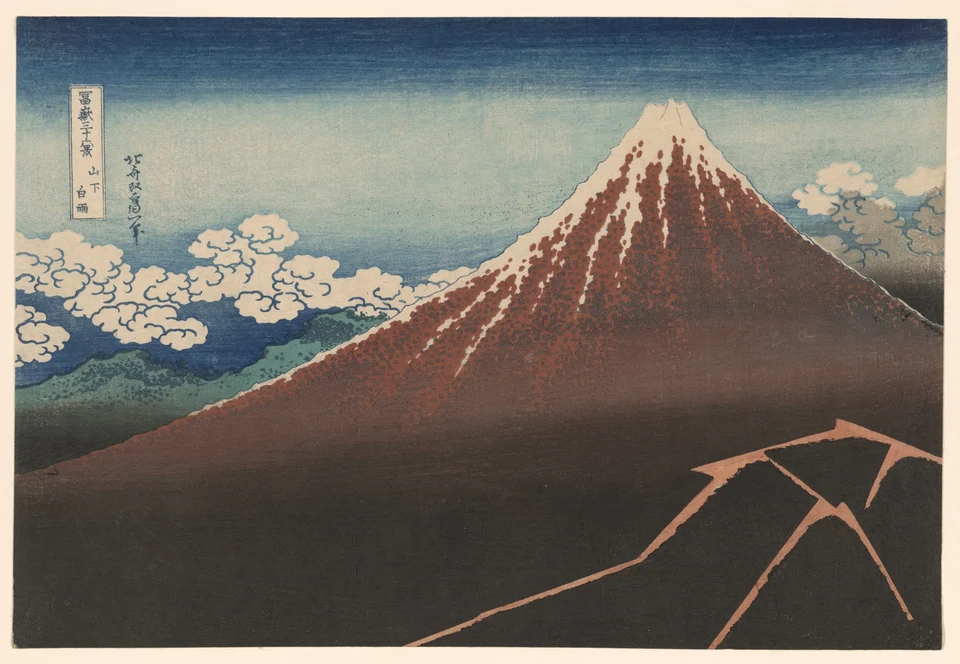 Shower Below the Summit
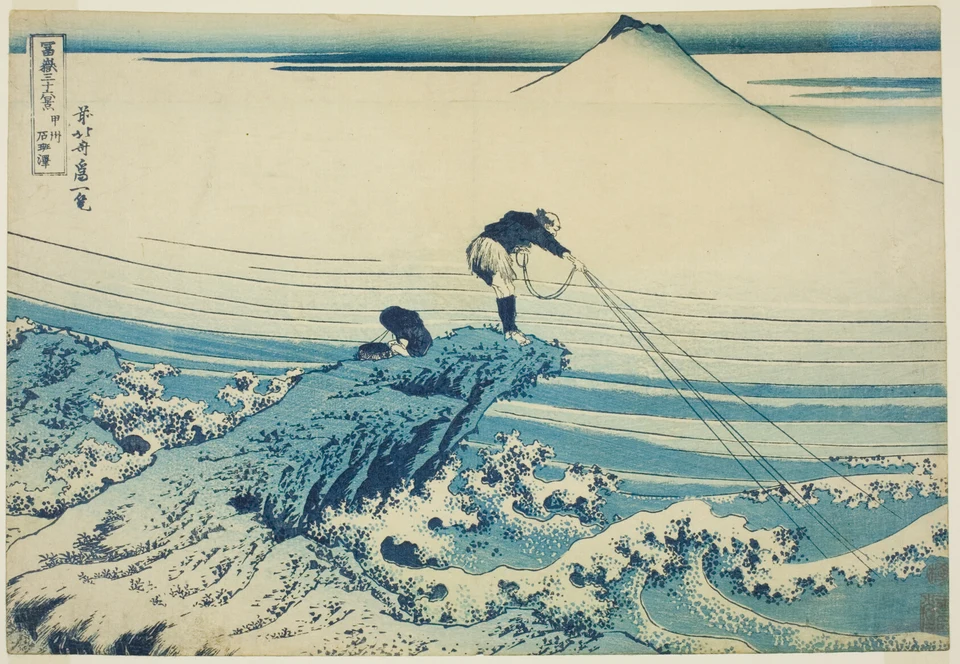 Kajikazawa in Kai Province
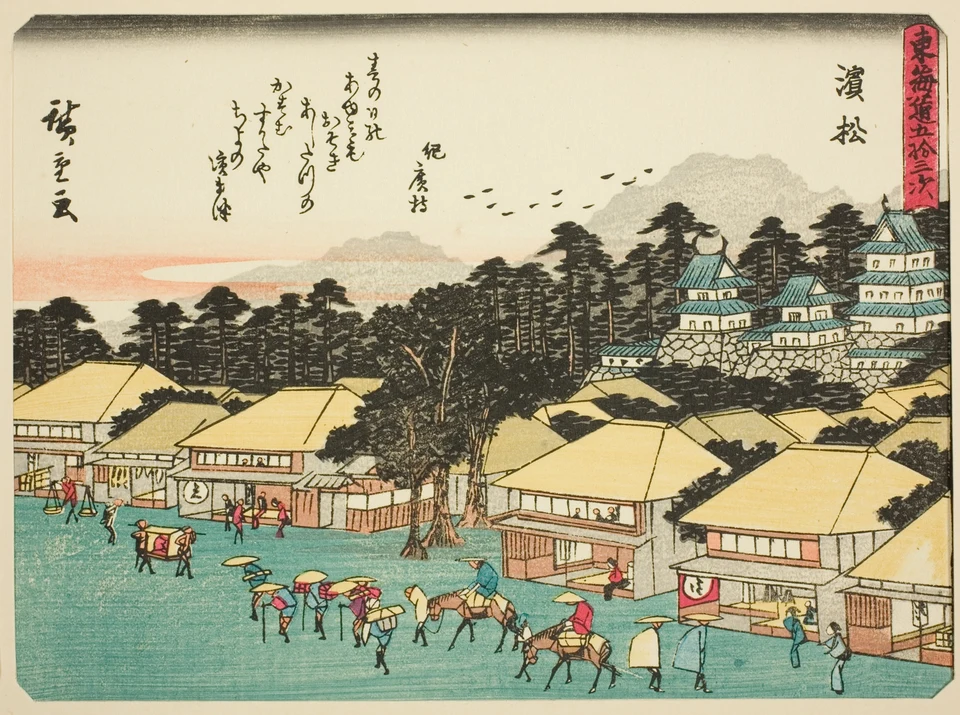 Hamamatsu
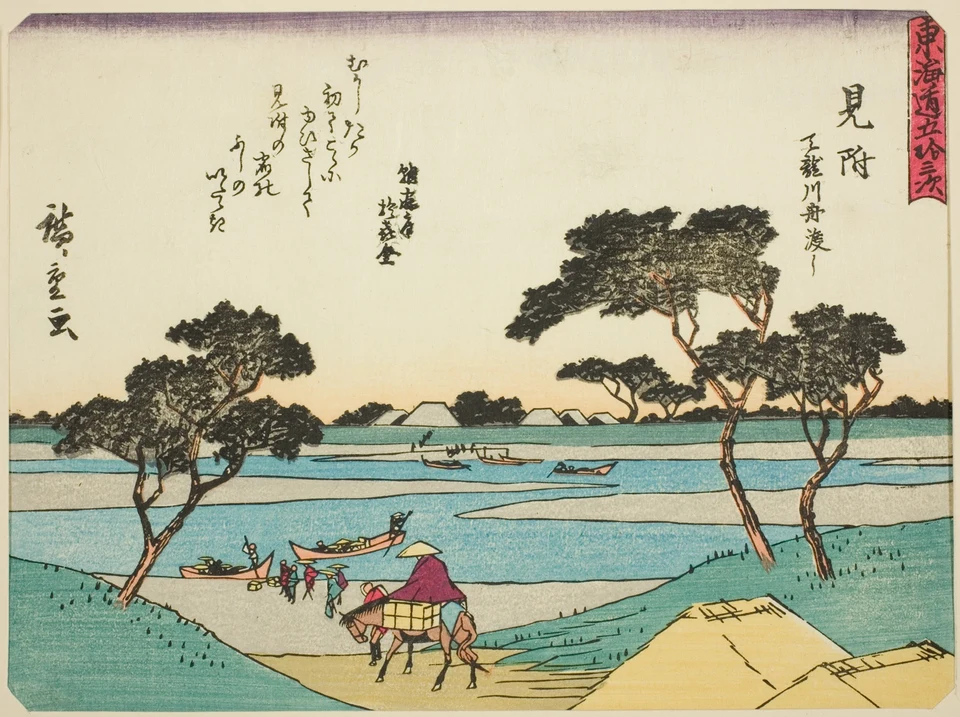 Mitsuke: Ferries Crossing the Tenryu River
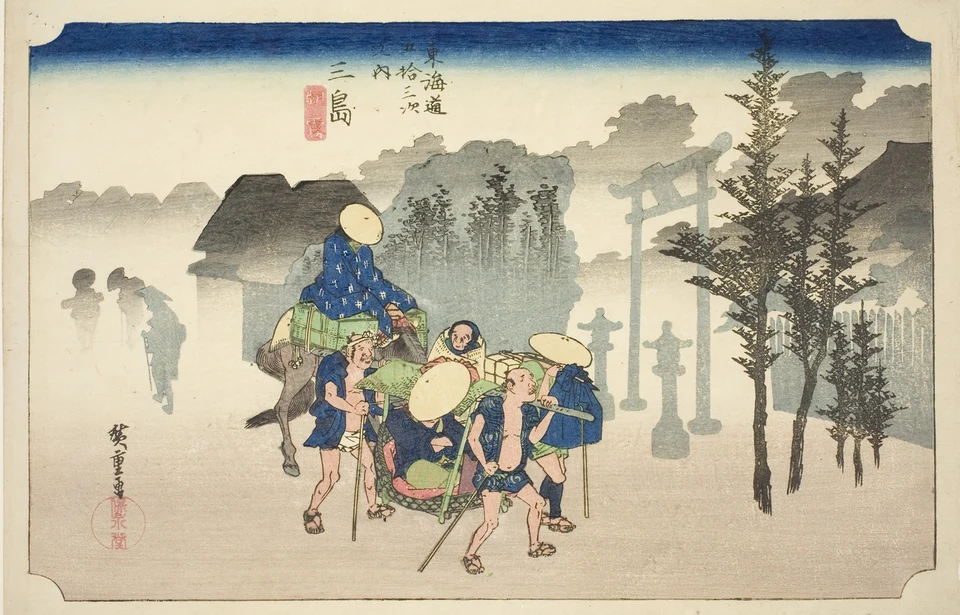 Mishima: Morning Mist
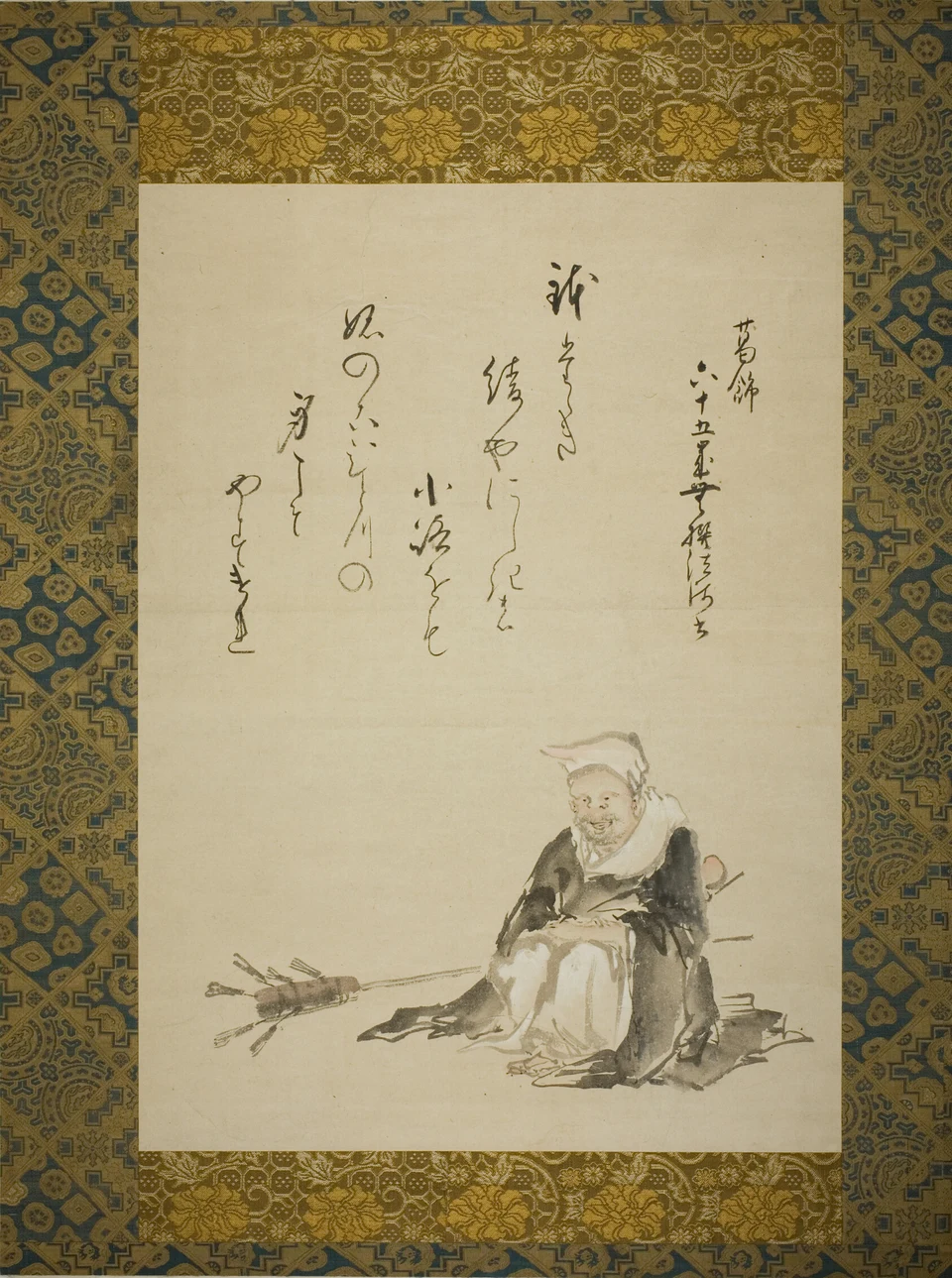 Monk Selling Ceremonial Tea Whisks
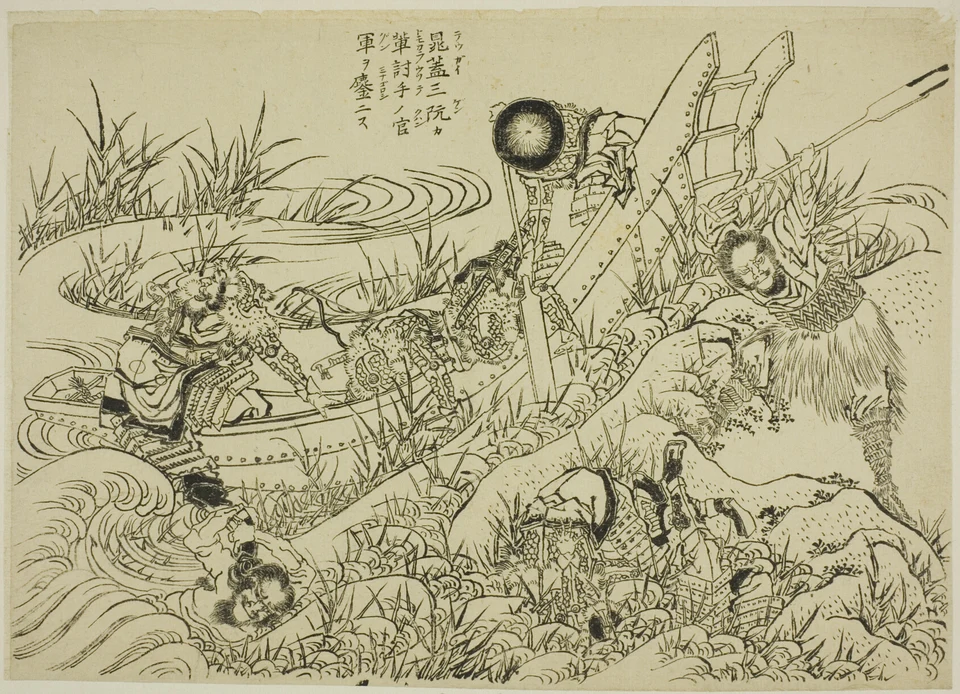 An Illustrated New Edition of the Water Margin
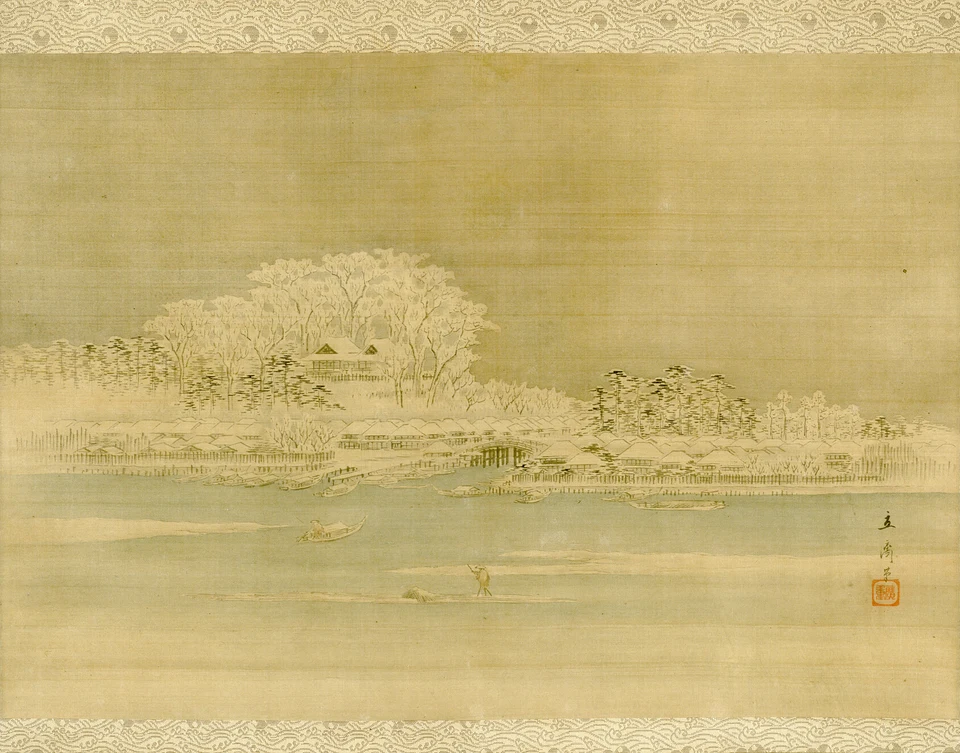 Matsuchiyama on the Sumida River
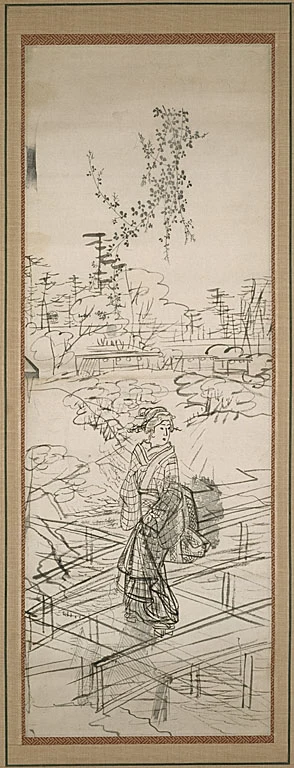 Sketch of woman crossing bridge
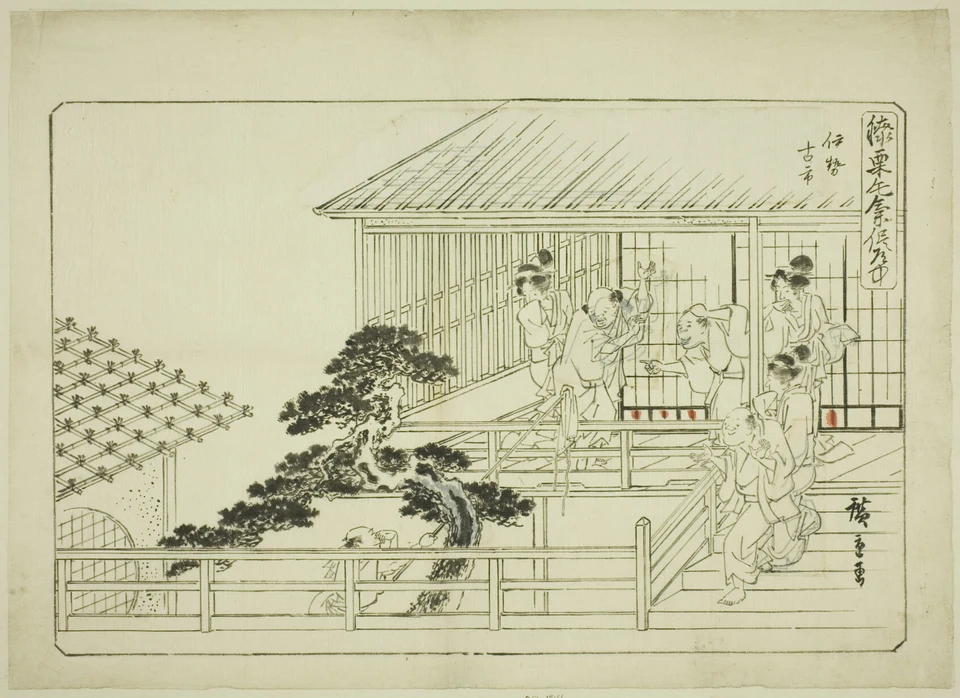 Untitled Drawing, for the series English Title (Hizakurige kimama dôchû)
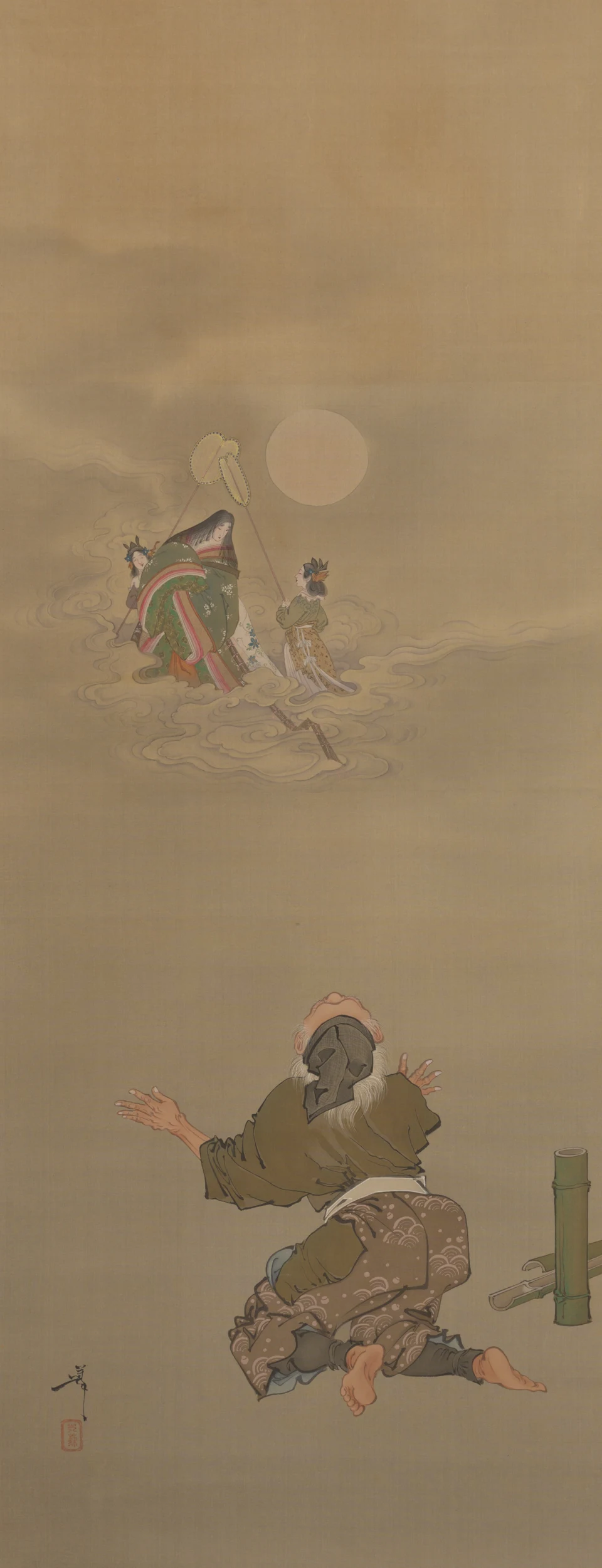 Received Back into the Moon Palace-Taketori (Bamboo Cutter) from the series Twelve Aspects of the Moon
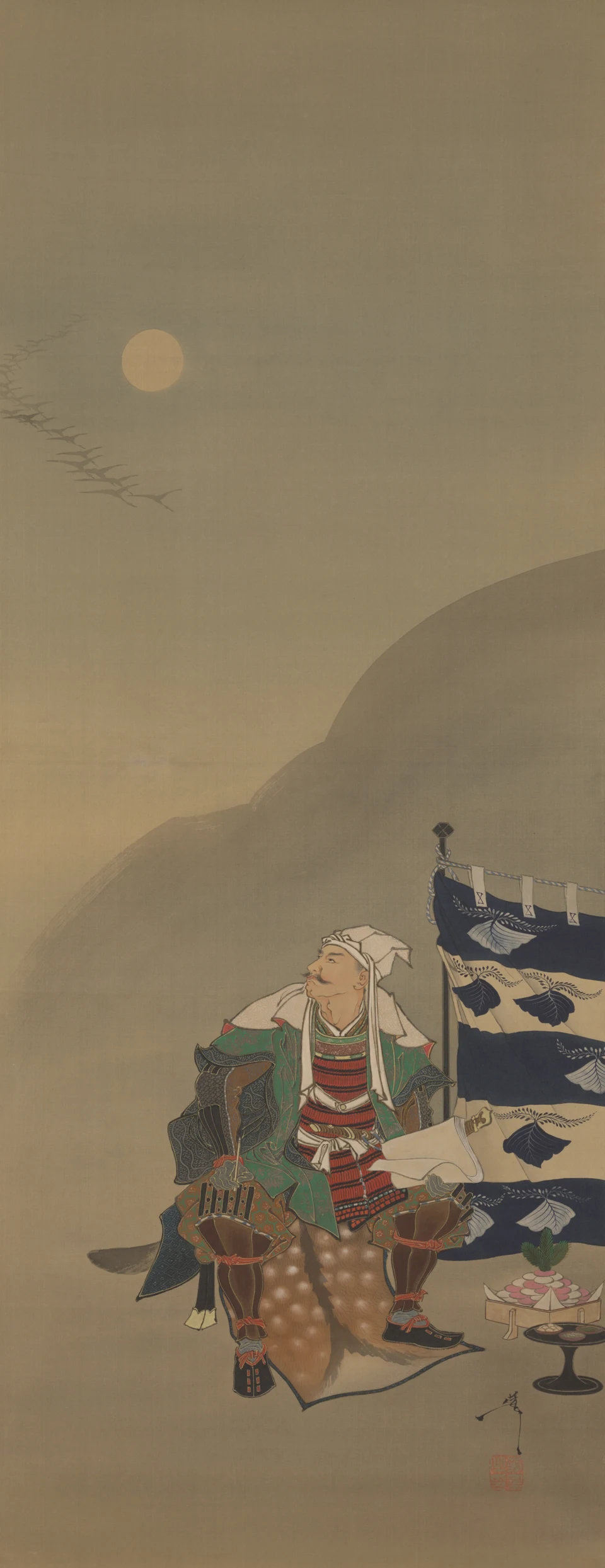 Frost fills the air and the autumn air is still/lines of returning geese cross the moon in the third hour-Kenshin, from the series Twelve Aspects of the Moon
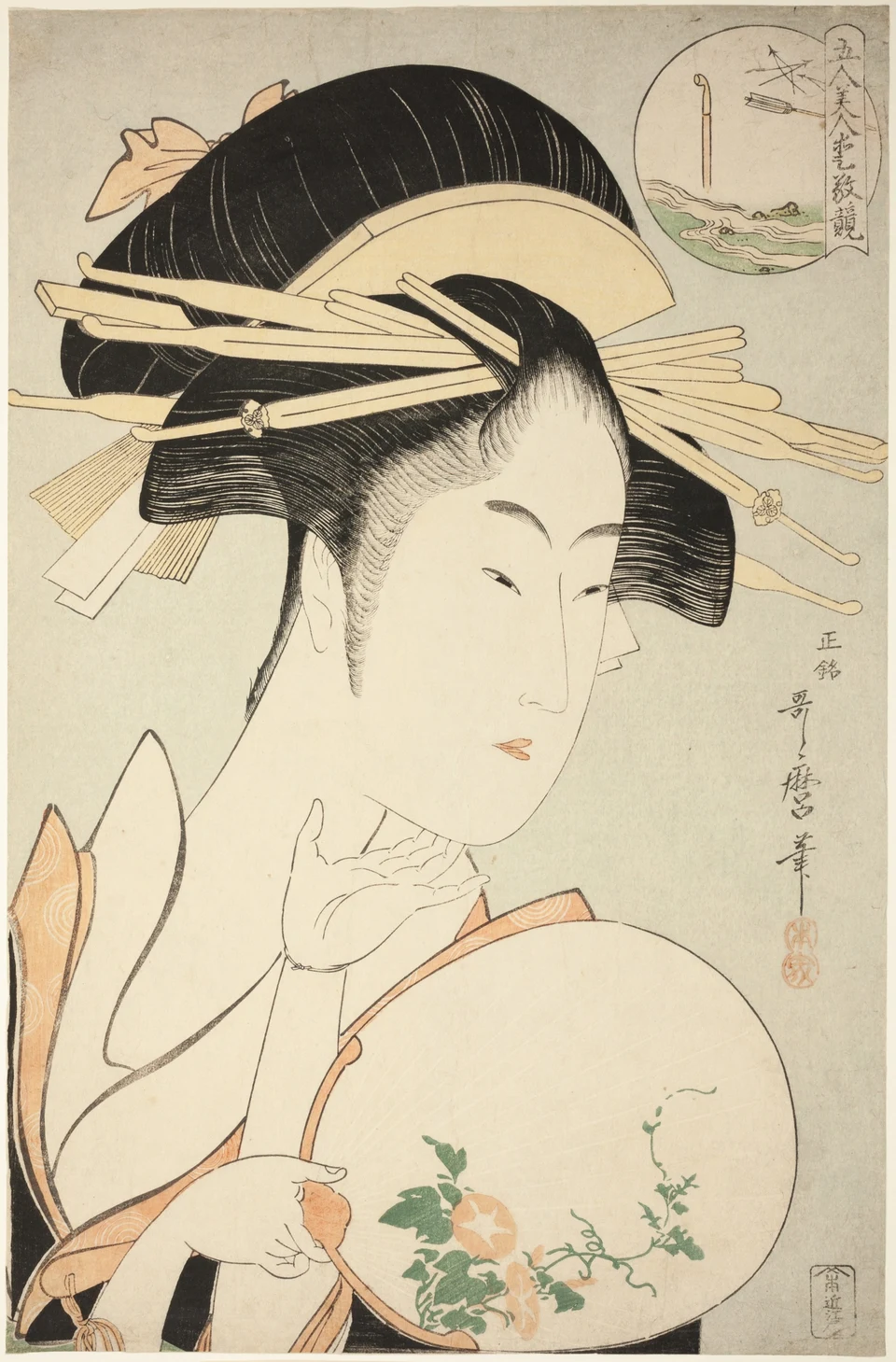 Kisegawa of the Matsubaya
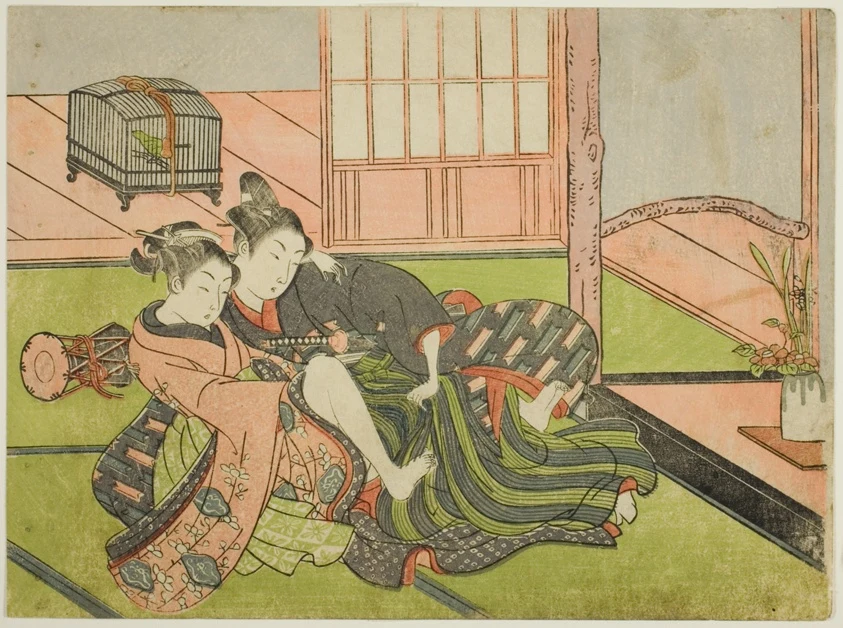 Two Women with Drum
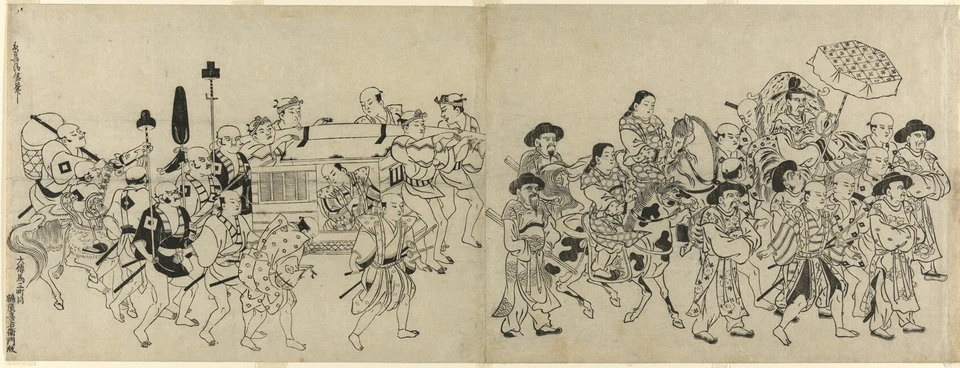 Arrival of the Korean Embassy in Edo
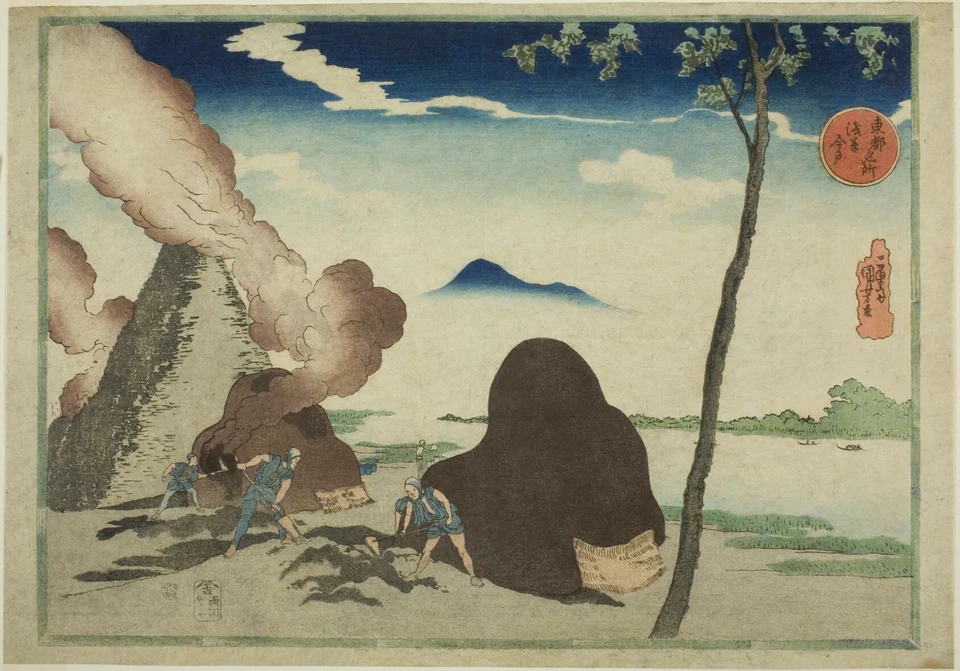 Asakusa Imado
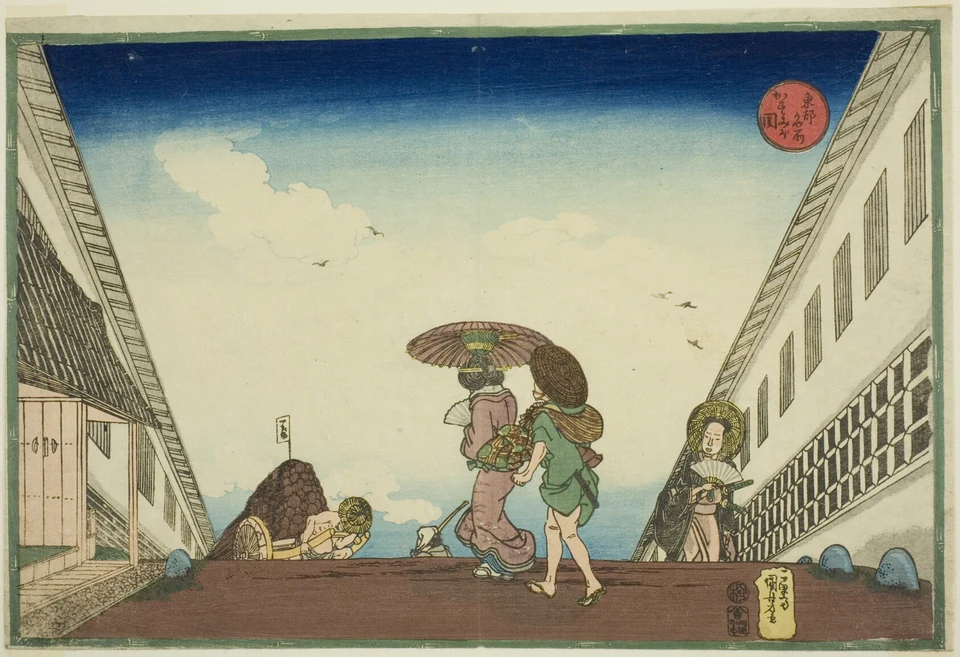 Kasumigaseki
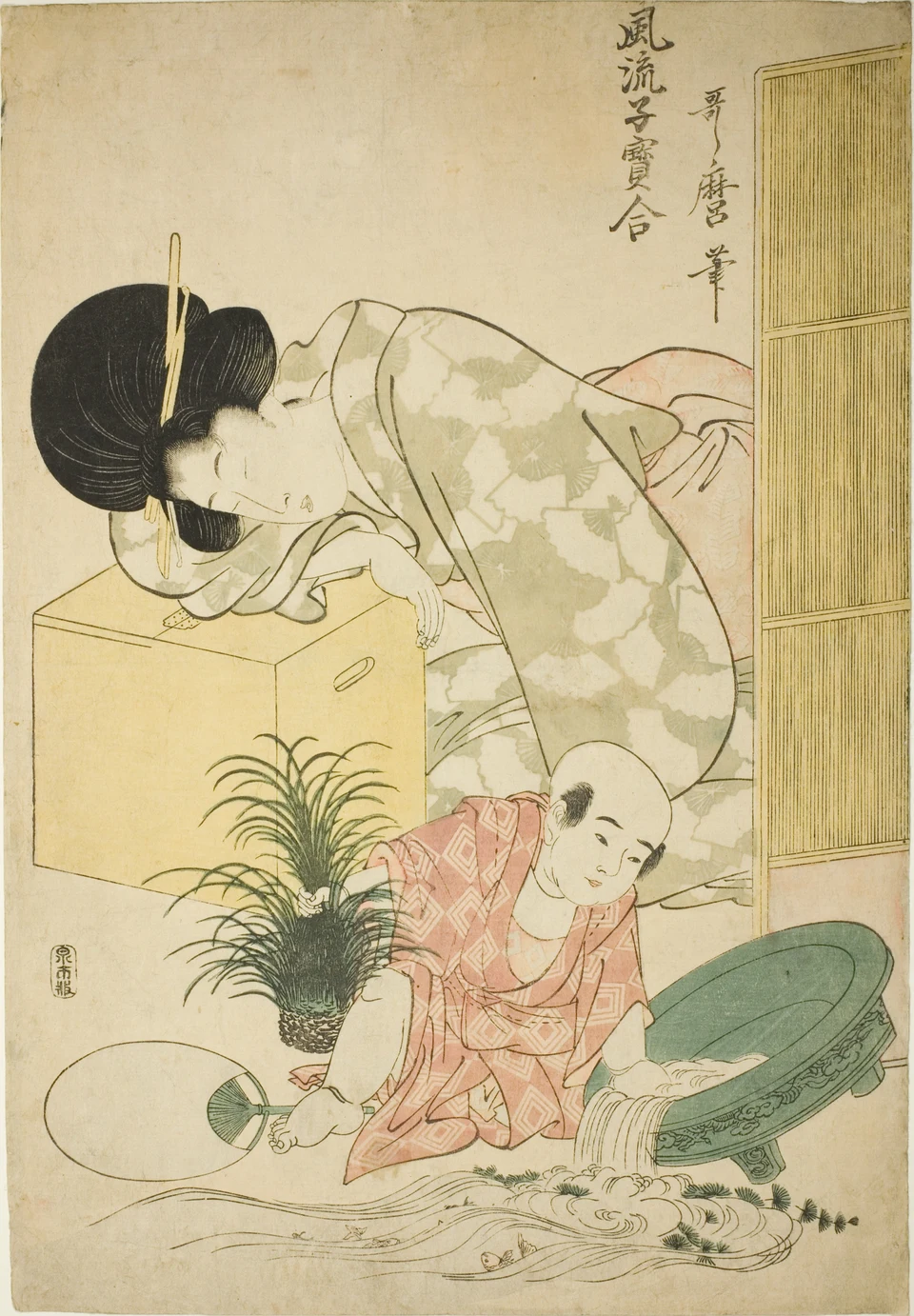 Goldfish
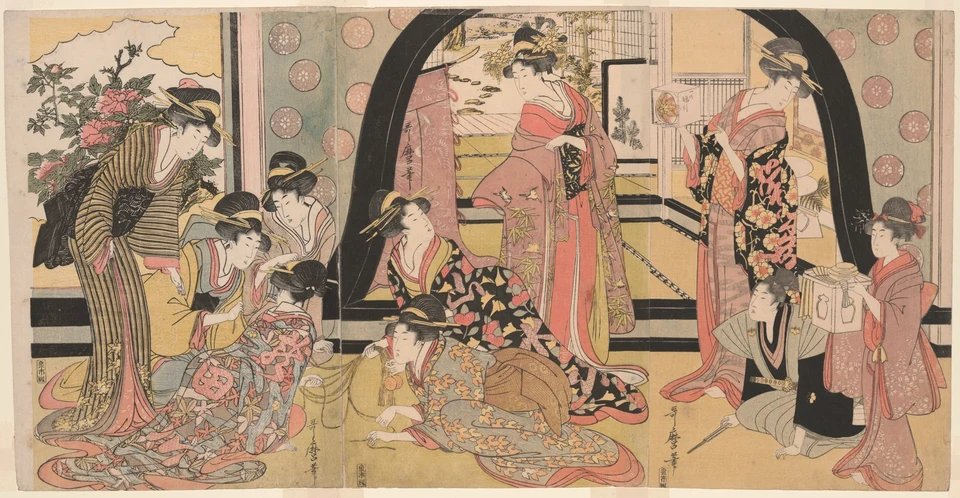 Drawing Lots for Prizes
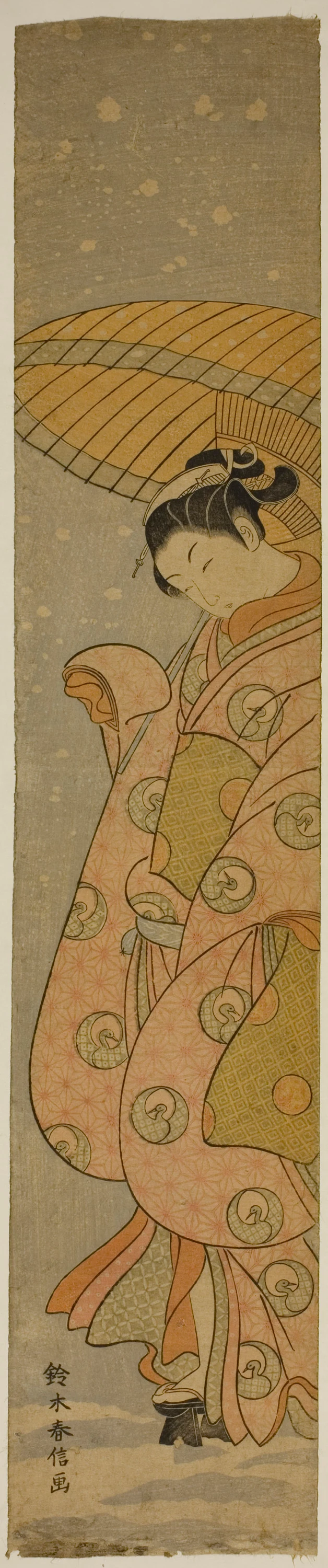 Beauty Under an Umbrella in the Snow
 The Heron Maiden
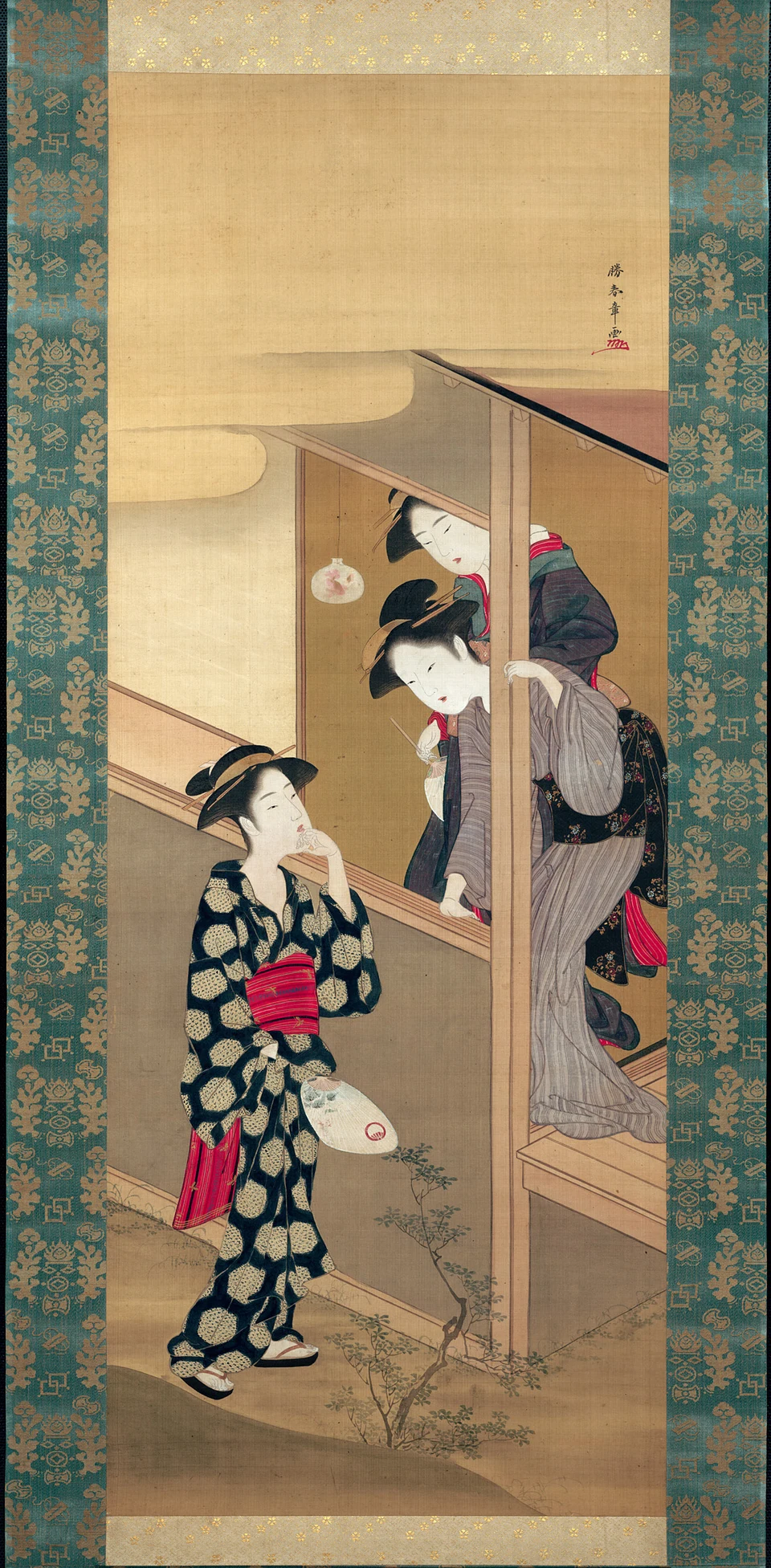 Three Beauties Chatting by a Veranda
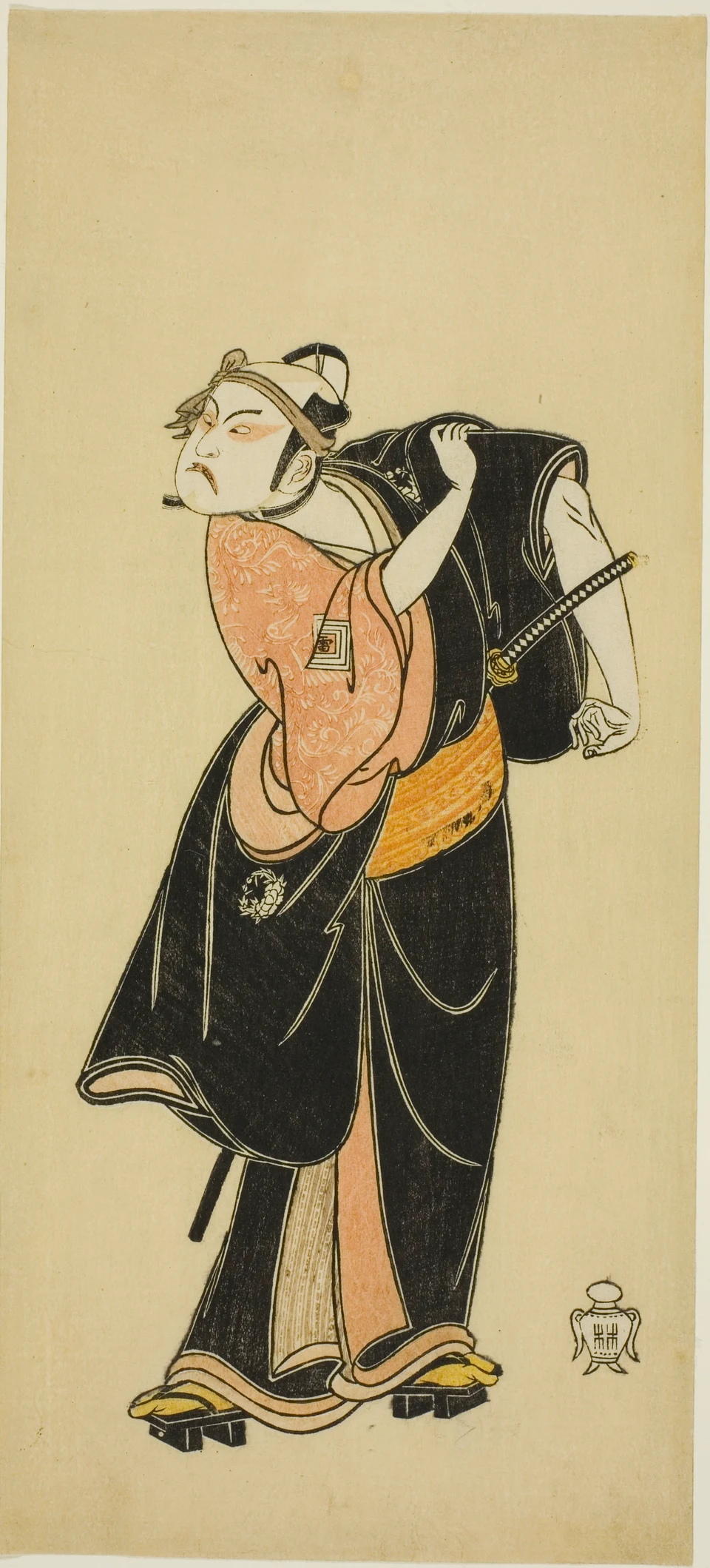 Actor Ichikawa Raizô I as Hanakawado no Sukeroku in “The Soga Play: Announcement of the Spring Season by the Bush Warbler” (“Hitokidori harutsuge Soga”)
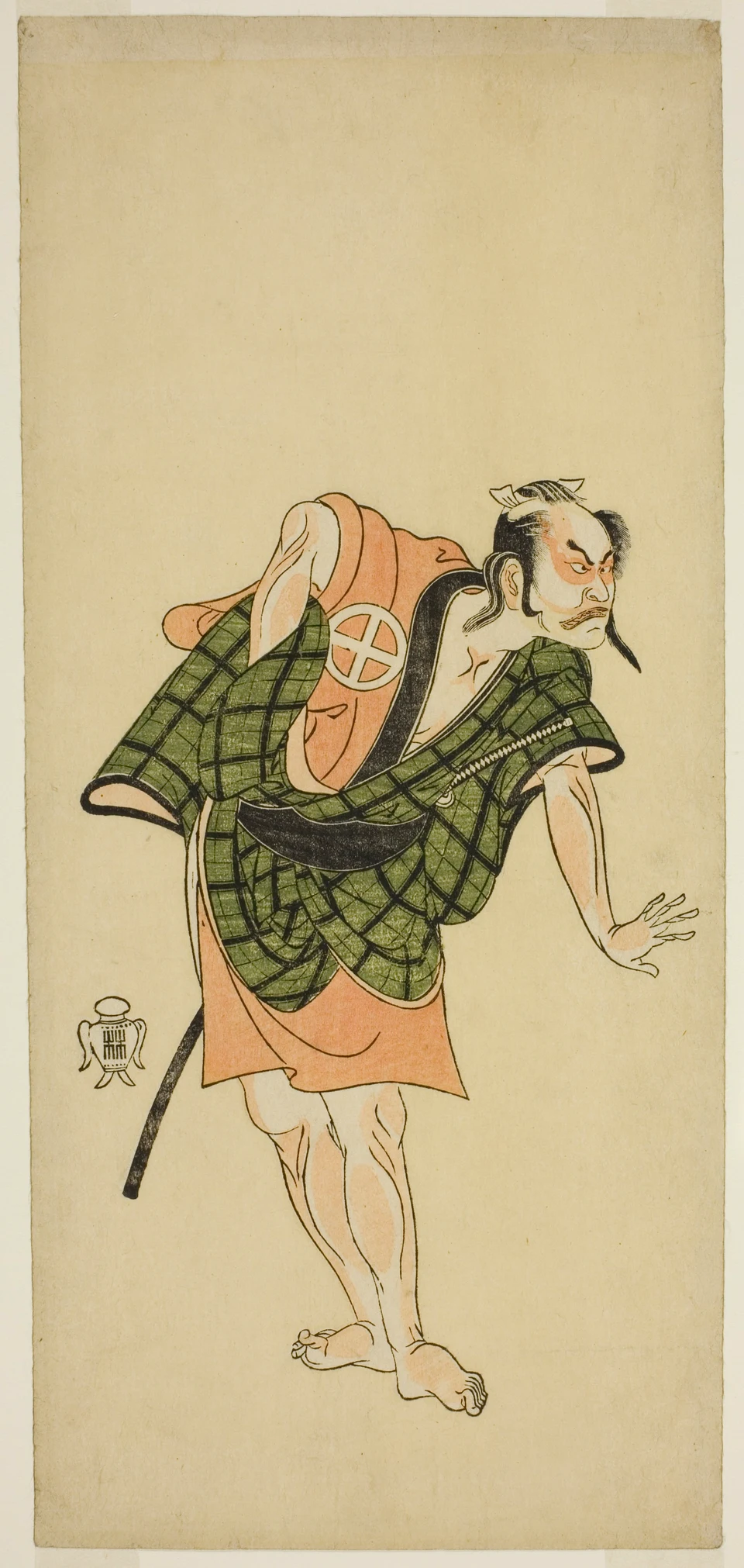 The Actor Otani Hiroji III as Onio Shinzaemon (?) in the Play Bunshin Sugatami Soga (?), Performed at the Morita Theater (?) in the Second Month, 1765 (?)
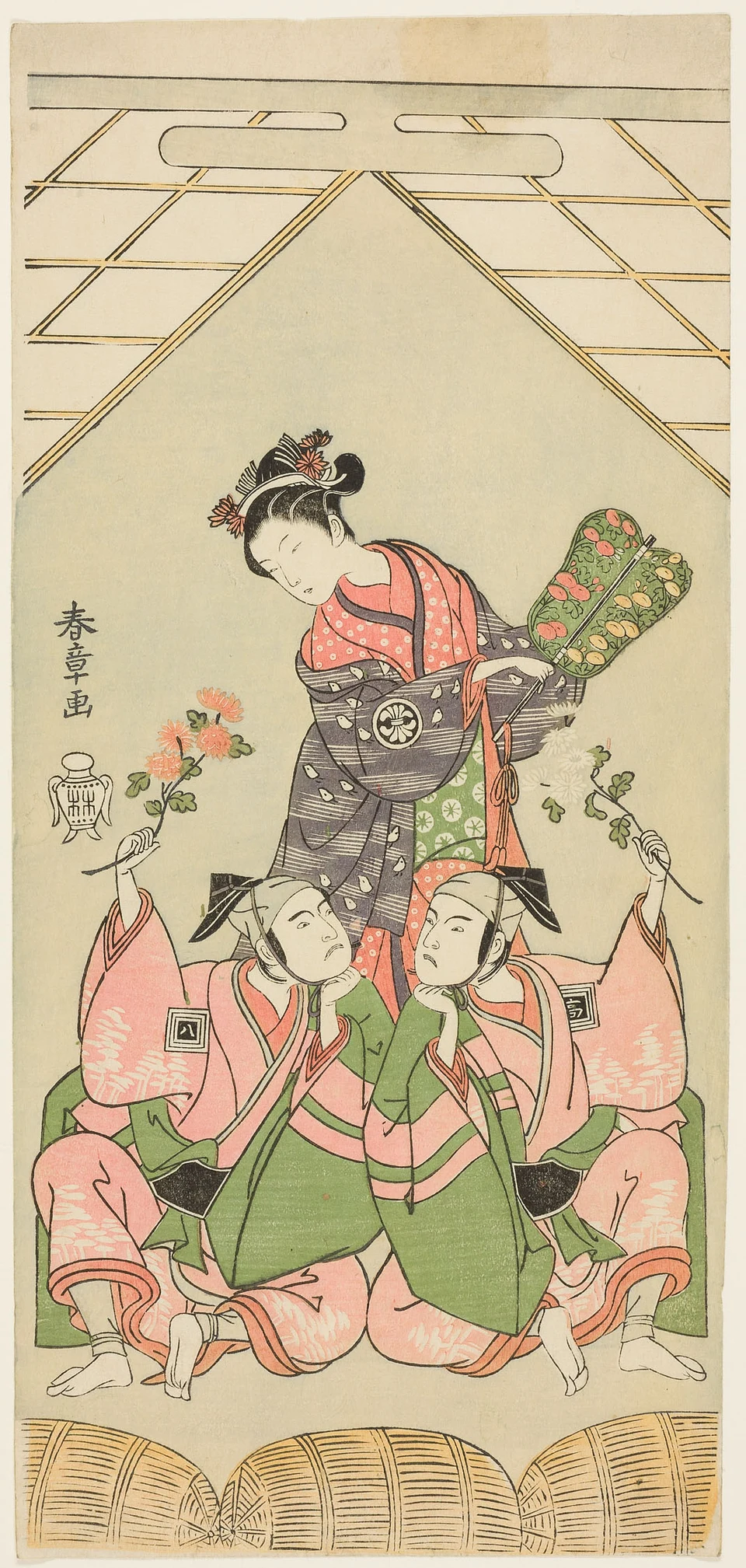 Actors Segawa Kikunojô II as Reizei, Ichikawa Komazô I as Suruga no Hachirô, and Ichikawa Yaozô II as Tada no Kurando in “The Genji Clan Now at Its Zenith” (“Ima o sakari suehiro Genji”)
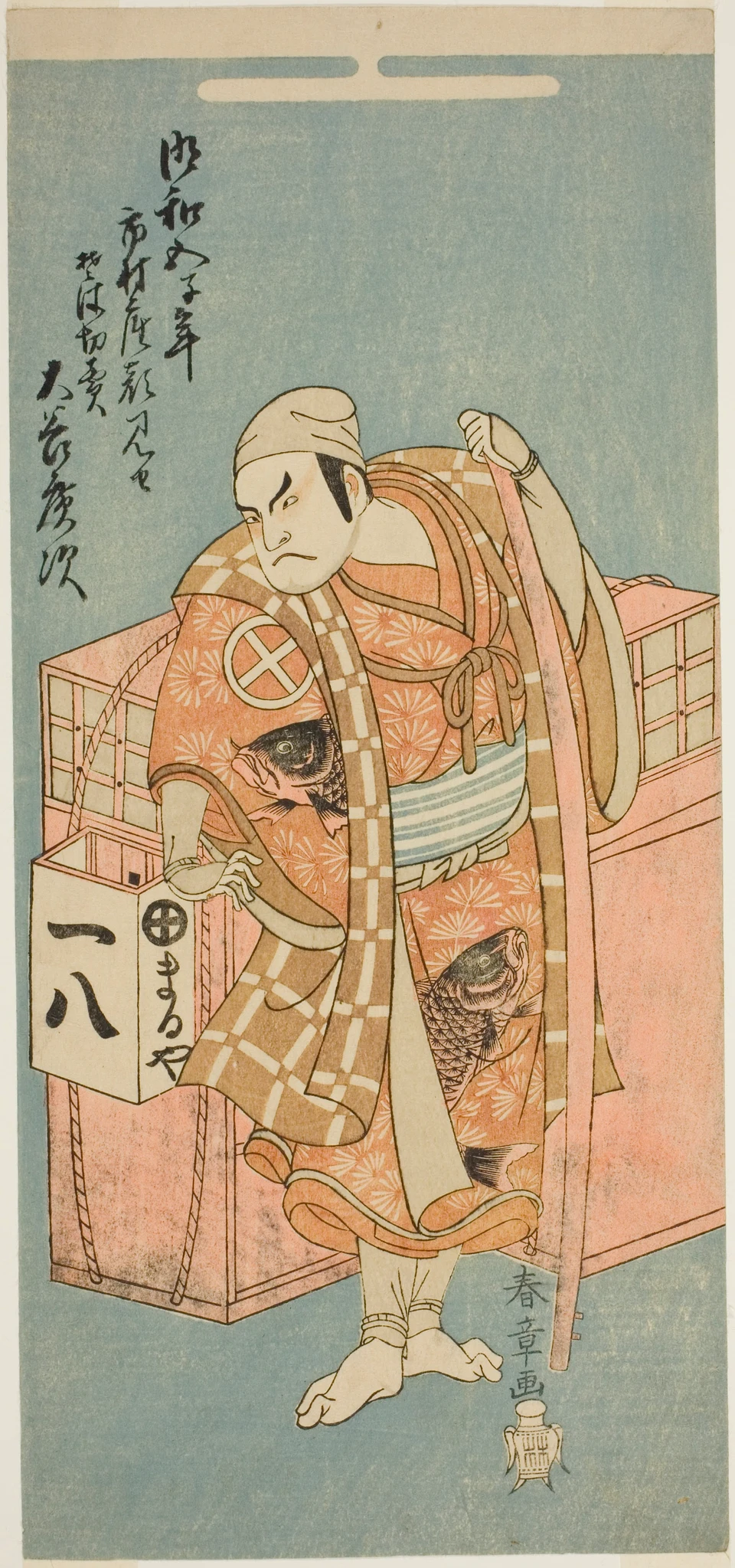 The Actor Otani Hiroji III as Abe no Muneto Disguised as a Peddler of Buckwheat Noodles, in the Play Otokoyama Yunzei Kurabe, Performed at the Ichimura Theater in the Eleventh Month, 1768
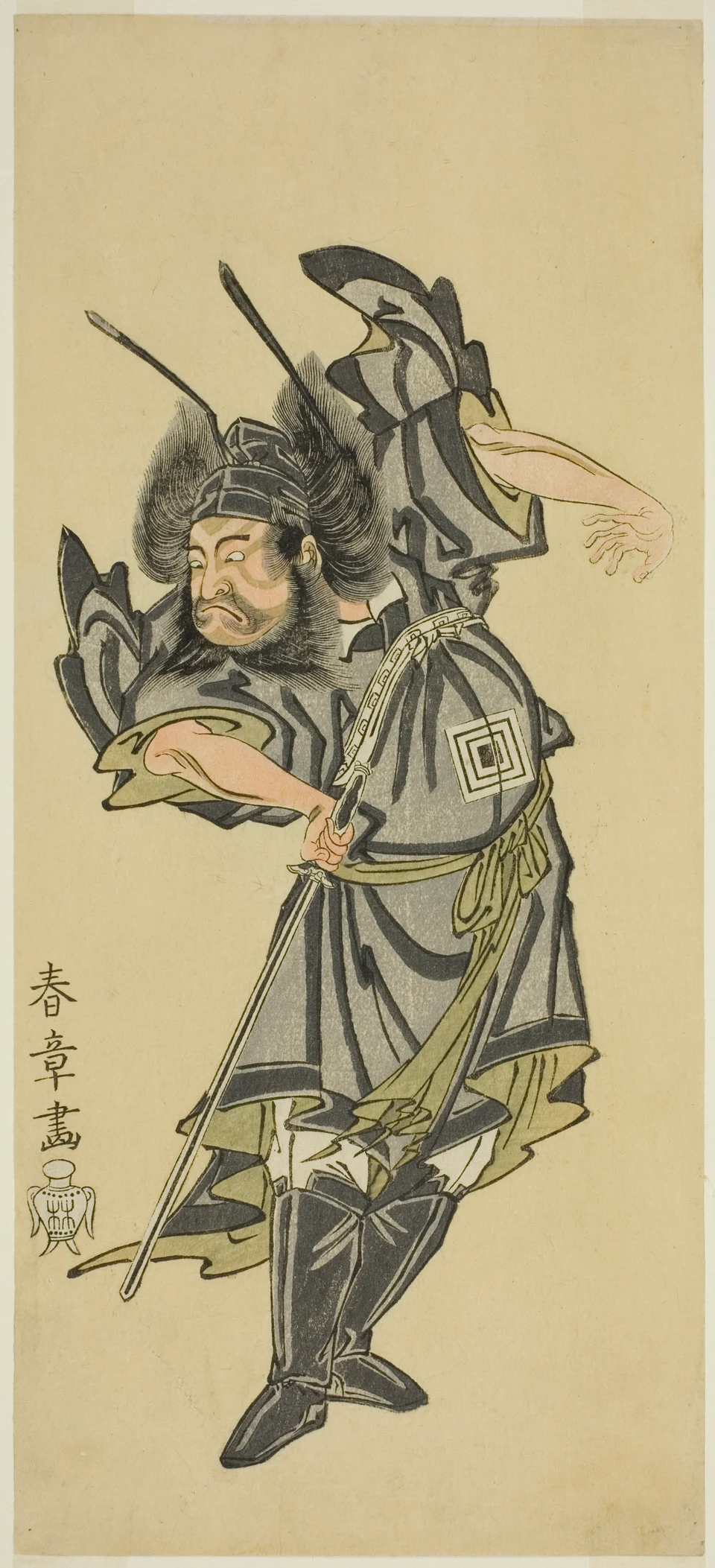 The Actor Ichikawa Danzo III as Shoki the Demon Queller in the Play Date Moyo Kumo ni Inazuma, Performed at the Morita Theater in the Tenth Month, 1768
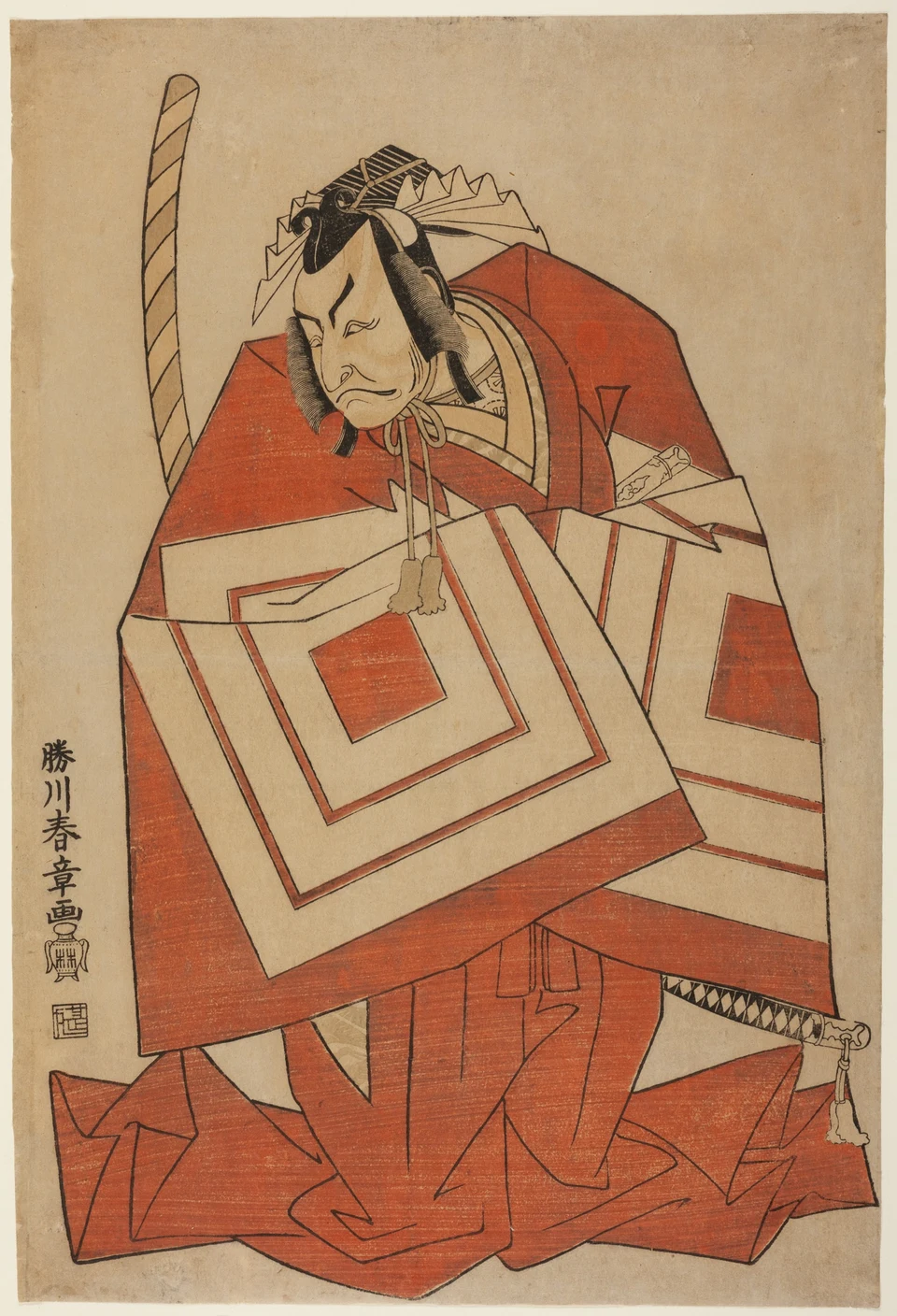 The Actor Ichikawa Danjuro IV in a "Shibaraku" Role, Possibly from the Play Ima o Sakari Suehiro Genji (The Genji Clan Now at Its Zenith), Performed at the Nakamura Theater from the First Day of the Eleventh Month, 1768
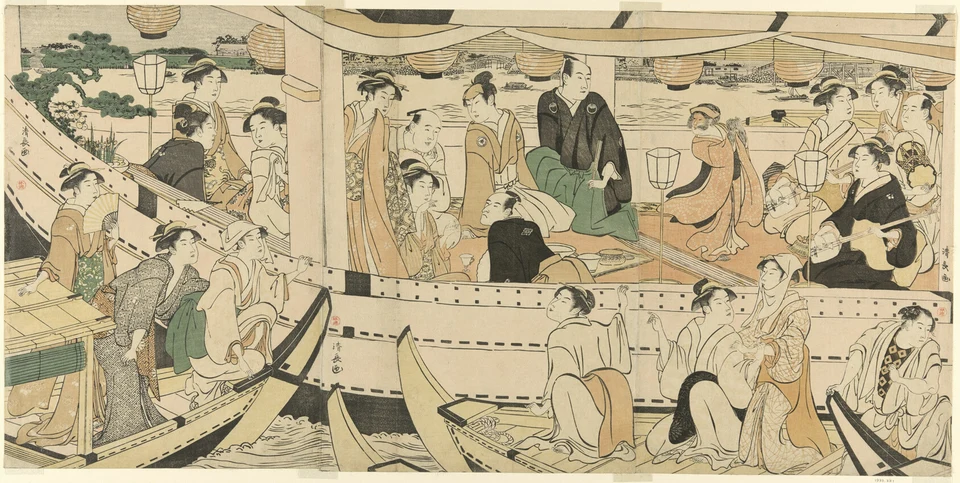 An Actors' Boating Party on the Sumida River
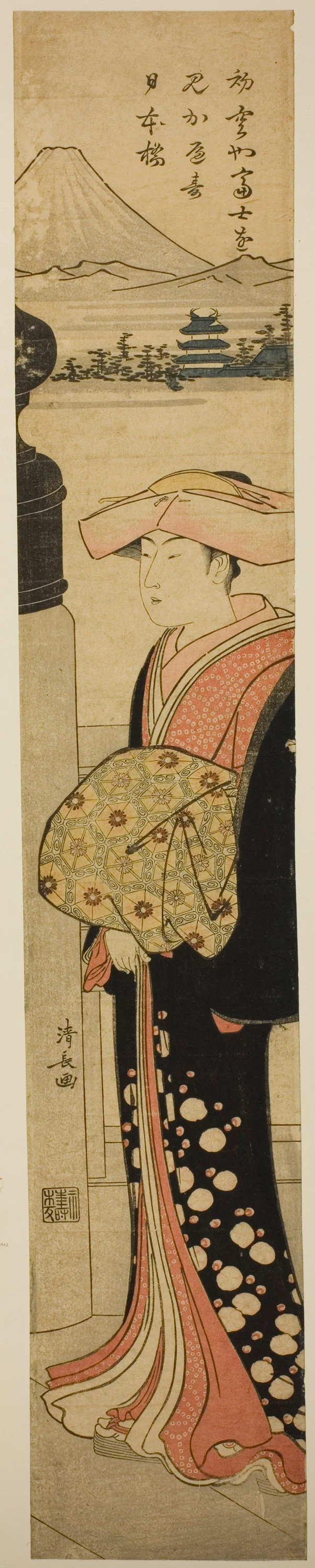 Finely-Dressed Woman Crossing Nihonbashi Bridge
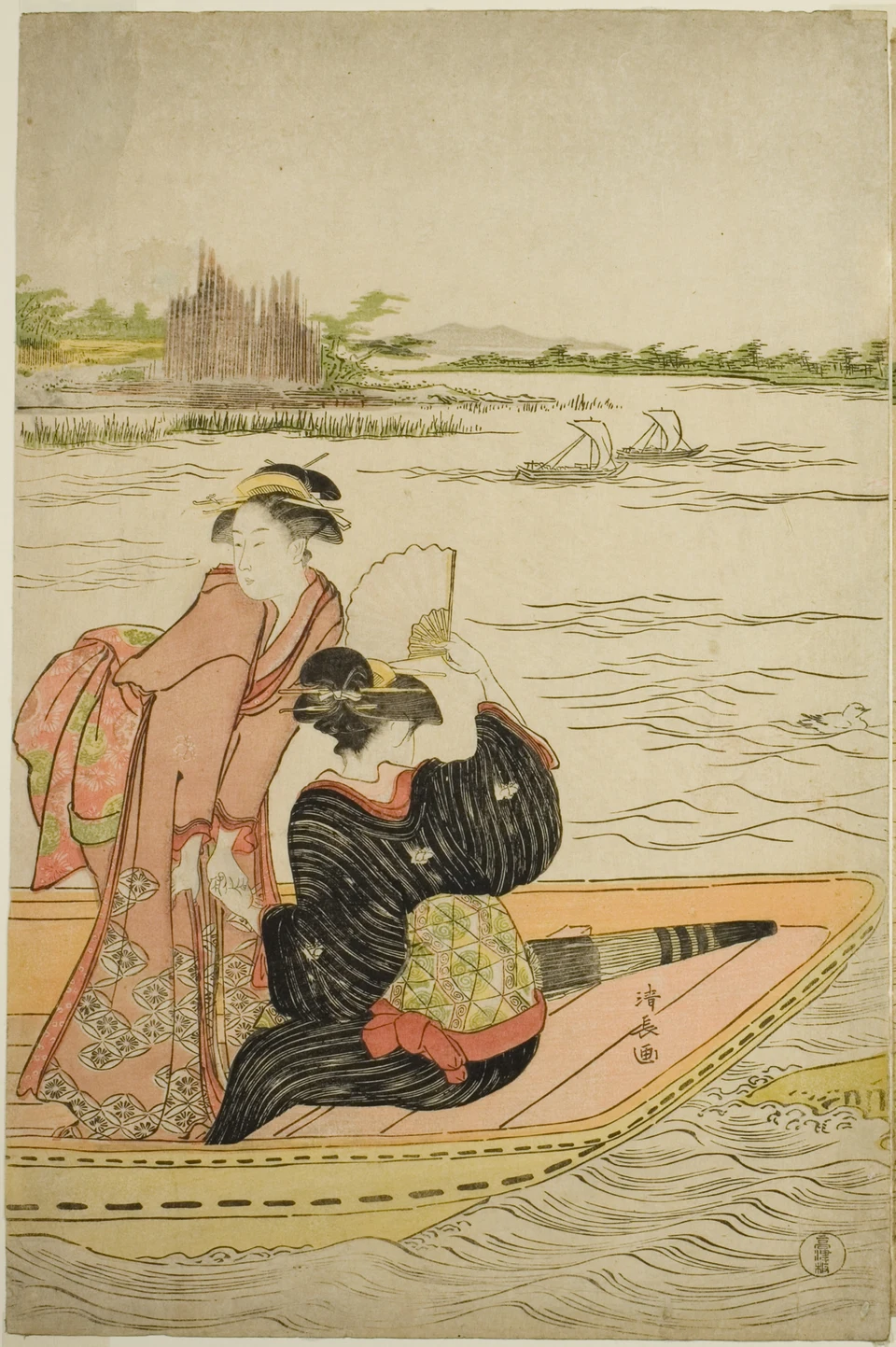 A Ferry on the Sumida River
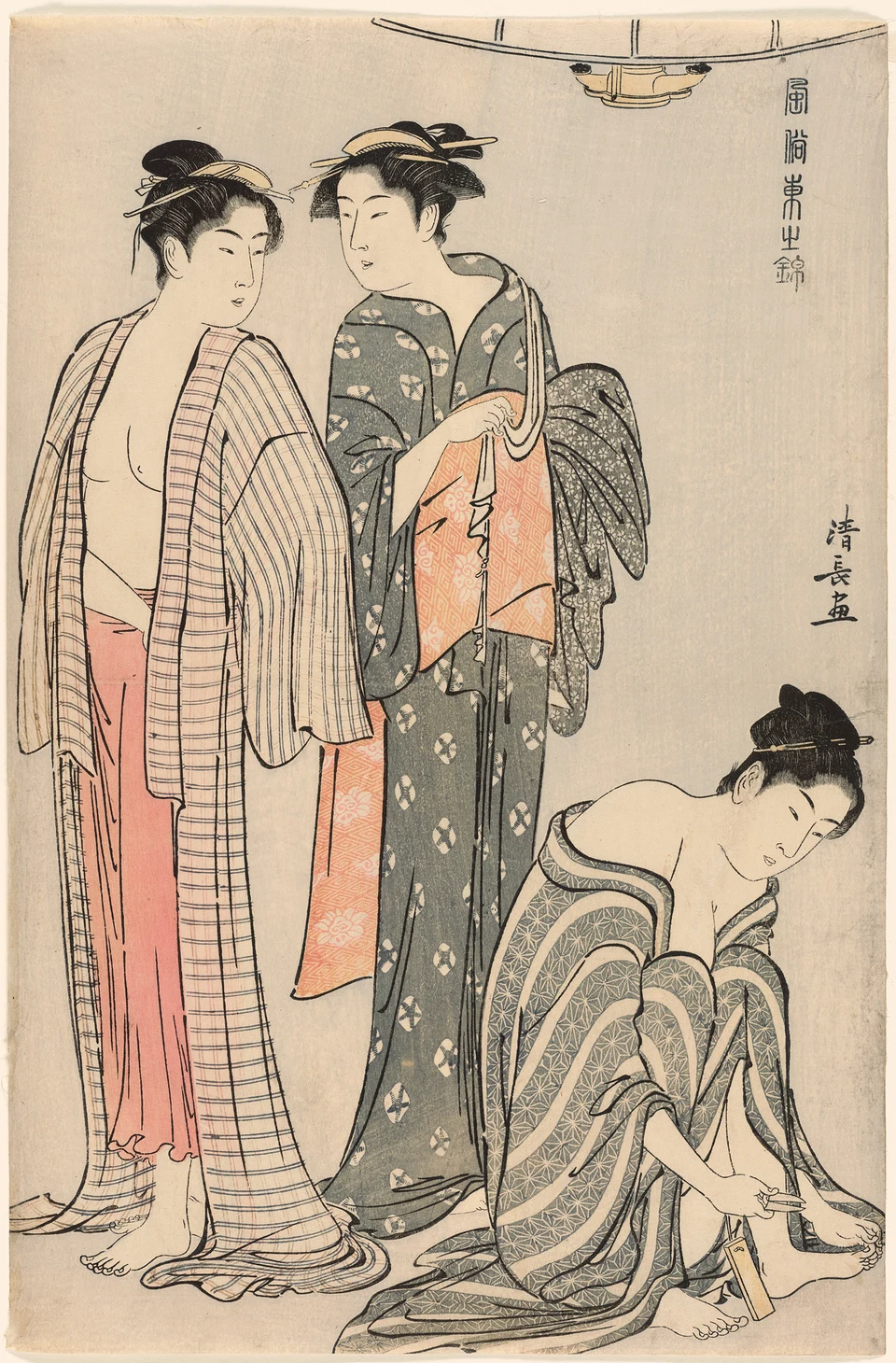 Three Women after a Bath, from the series "A Brocade of Eastern Manners (Fuzoku Azuma no nishiki)"
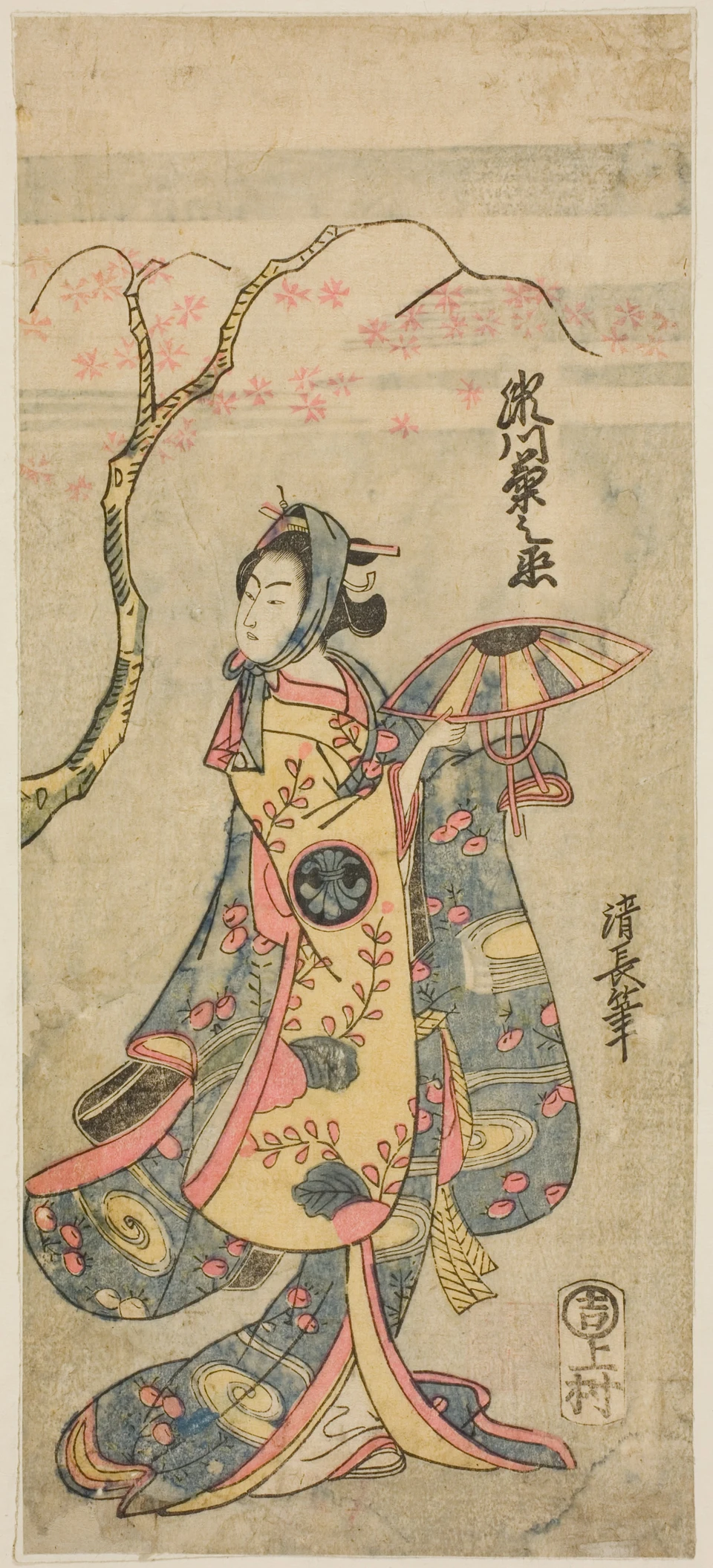 The Actor Segawa Kikunojo II as Shizuka Gozen (?)
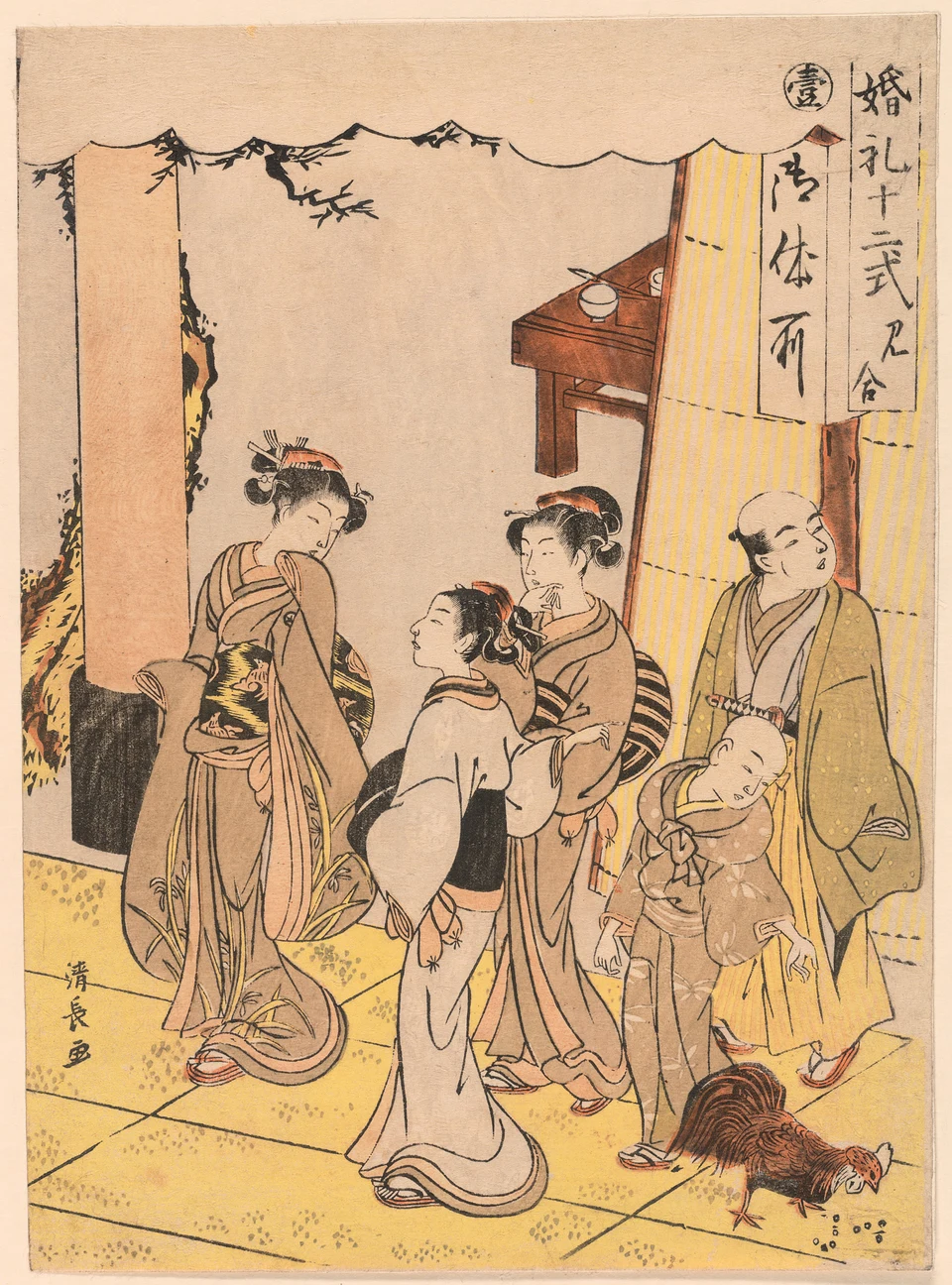 First Meeting (Miai), from the series "Twelve Stages of Matrimony (Konrei juni shiki)"
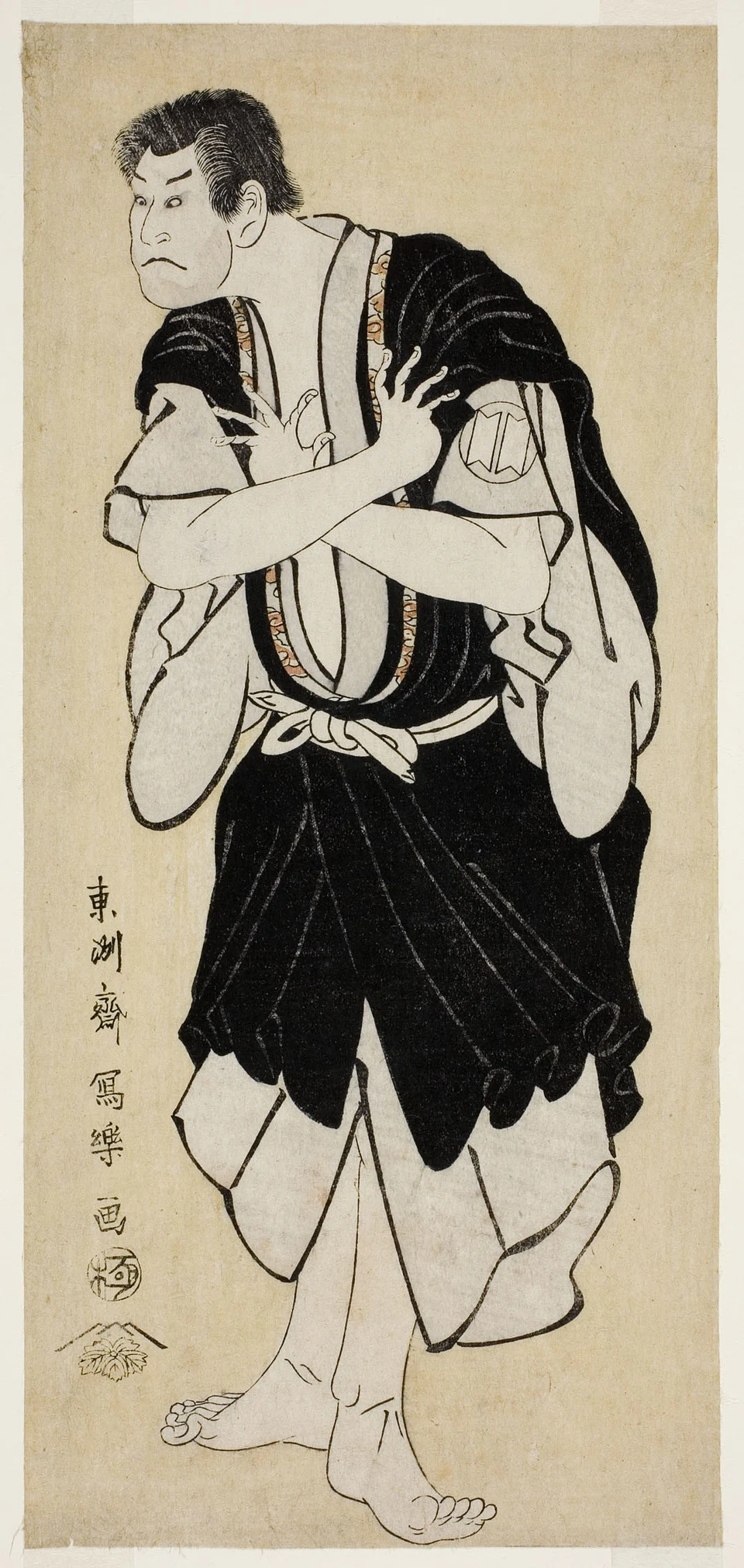 The Actor Sakata Hangoro III as Kosodate Kannonbo (Sandai-me Sakata Hangoro no Kosodate no Kannonbo)
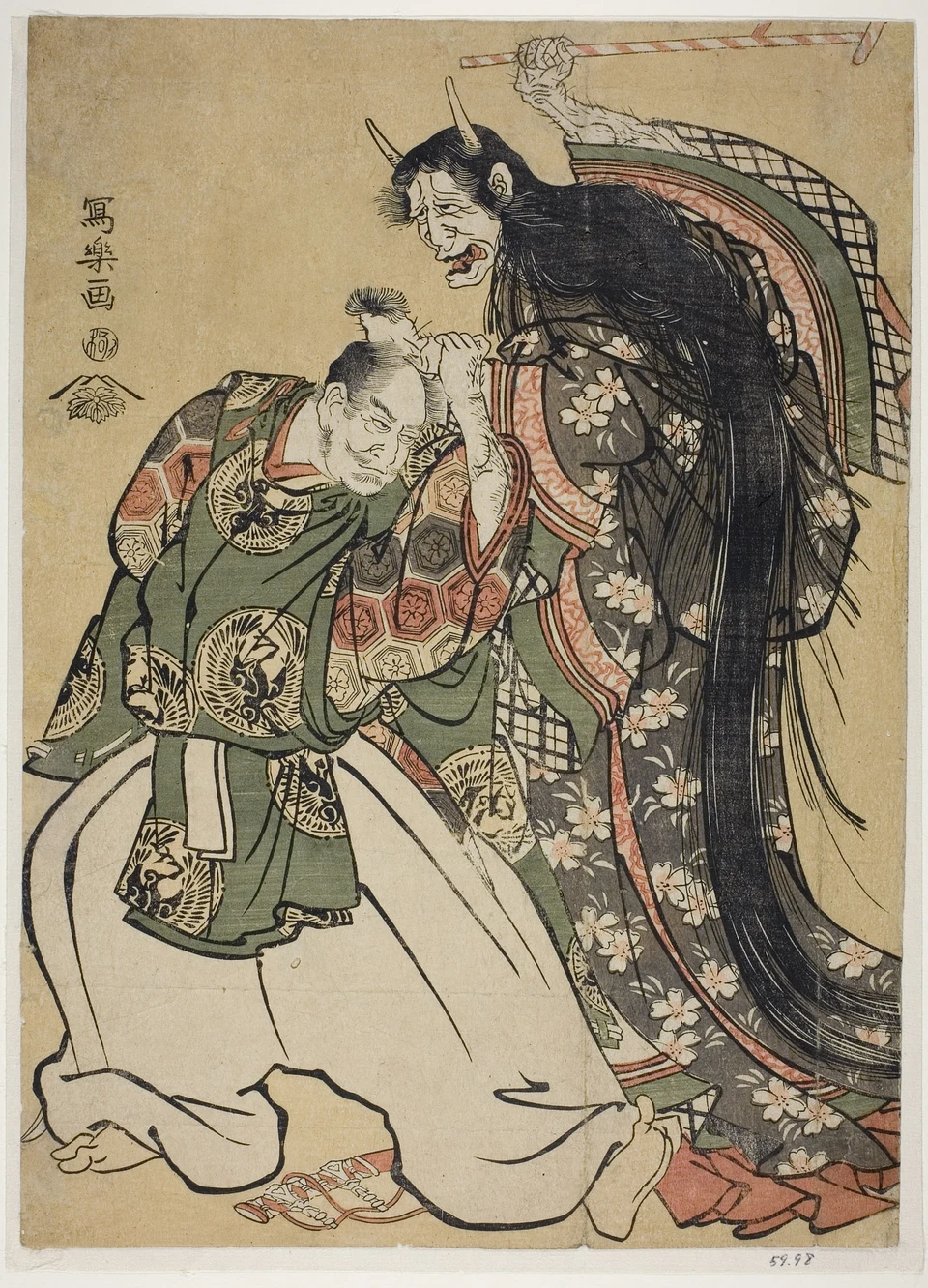 Maple Leaf Viewing (Momiji gari)
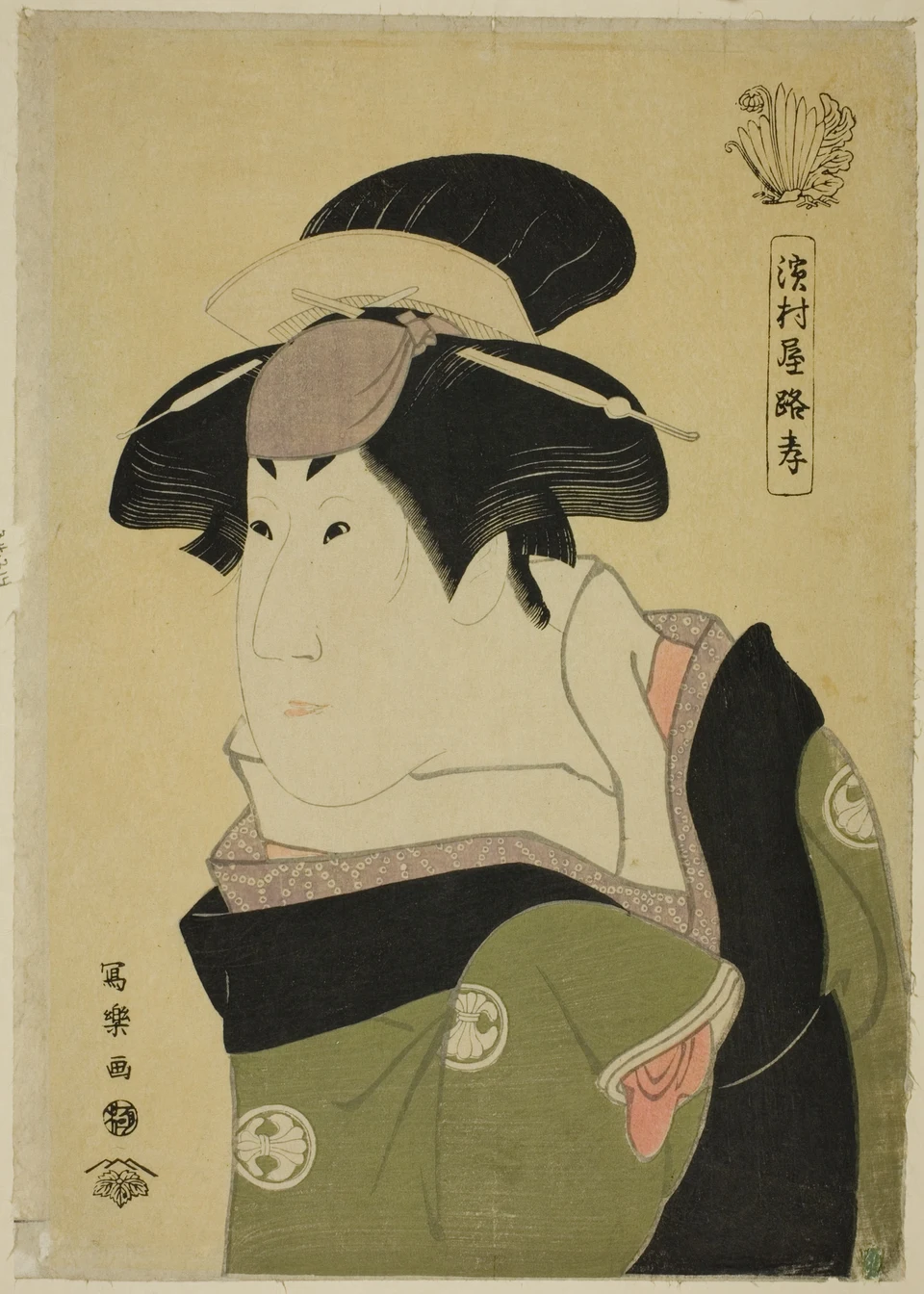 Hamamuraya Roko
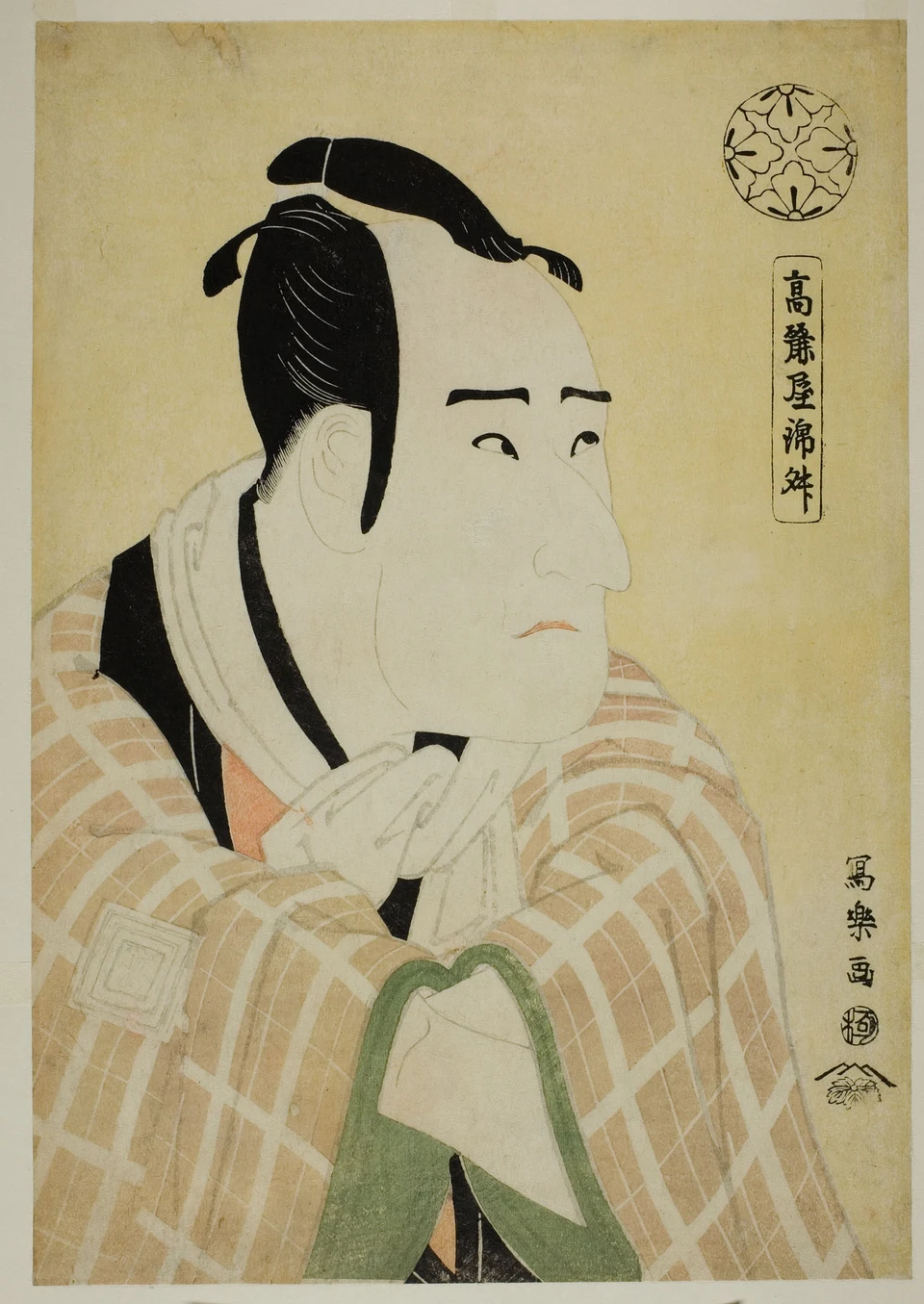 Koraiya Kinsho
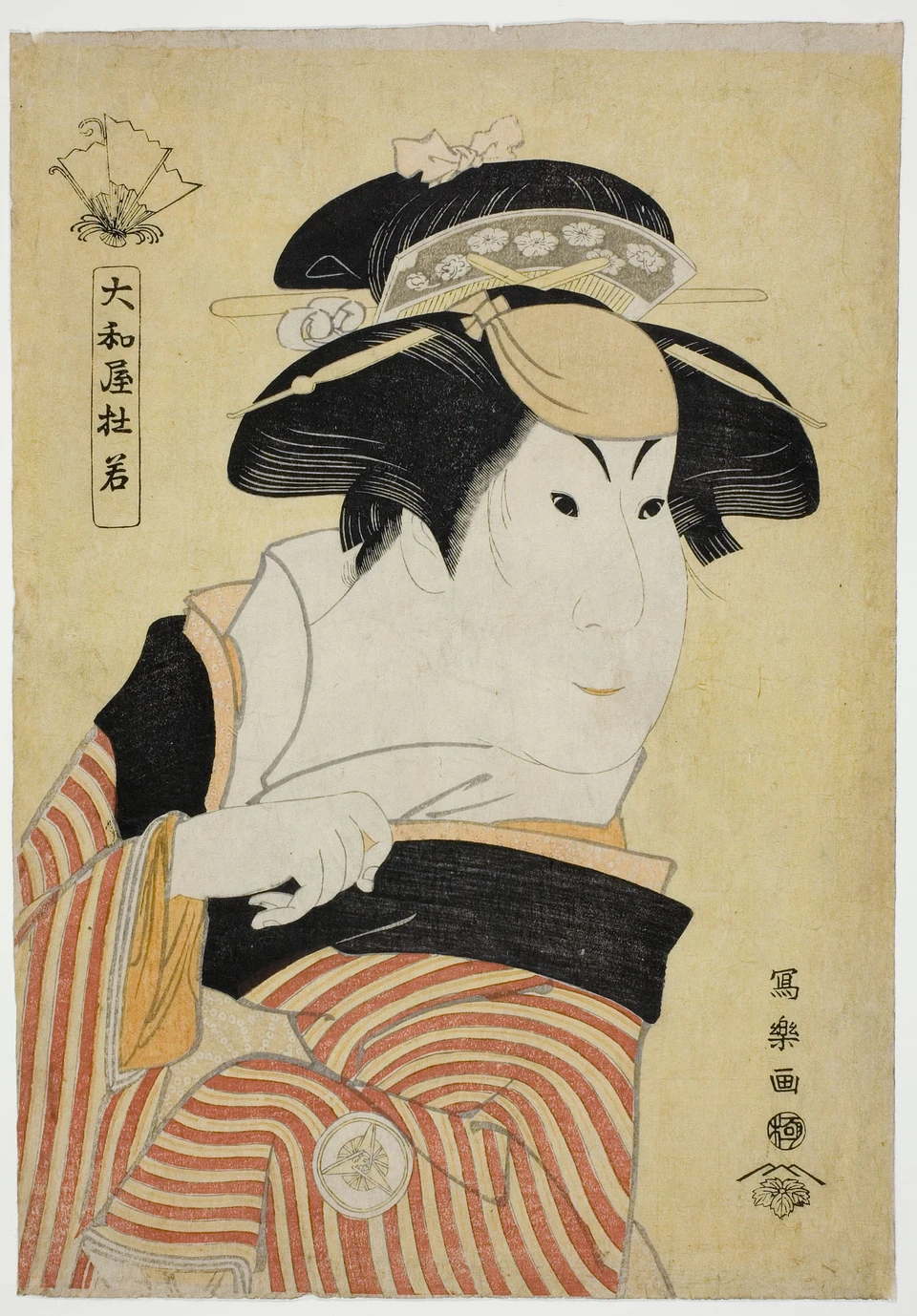 Yamatoya Tojaku (The Actor Iwai Hanshiro IV as Otoma, Daughter of Ohina from Inamuragasaki in Kamakura) (Yondai-me Iwai Hanshiro no Kamakura Inamuragasaki no Ohina musume Otoma)
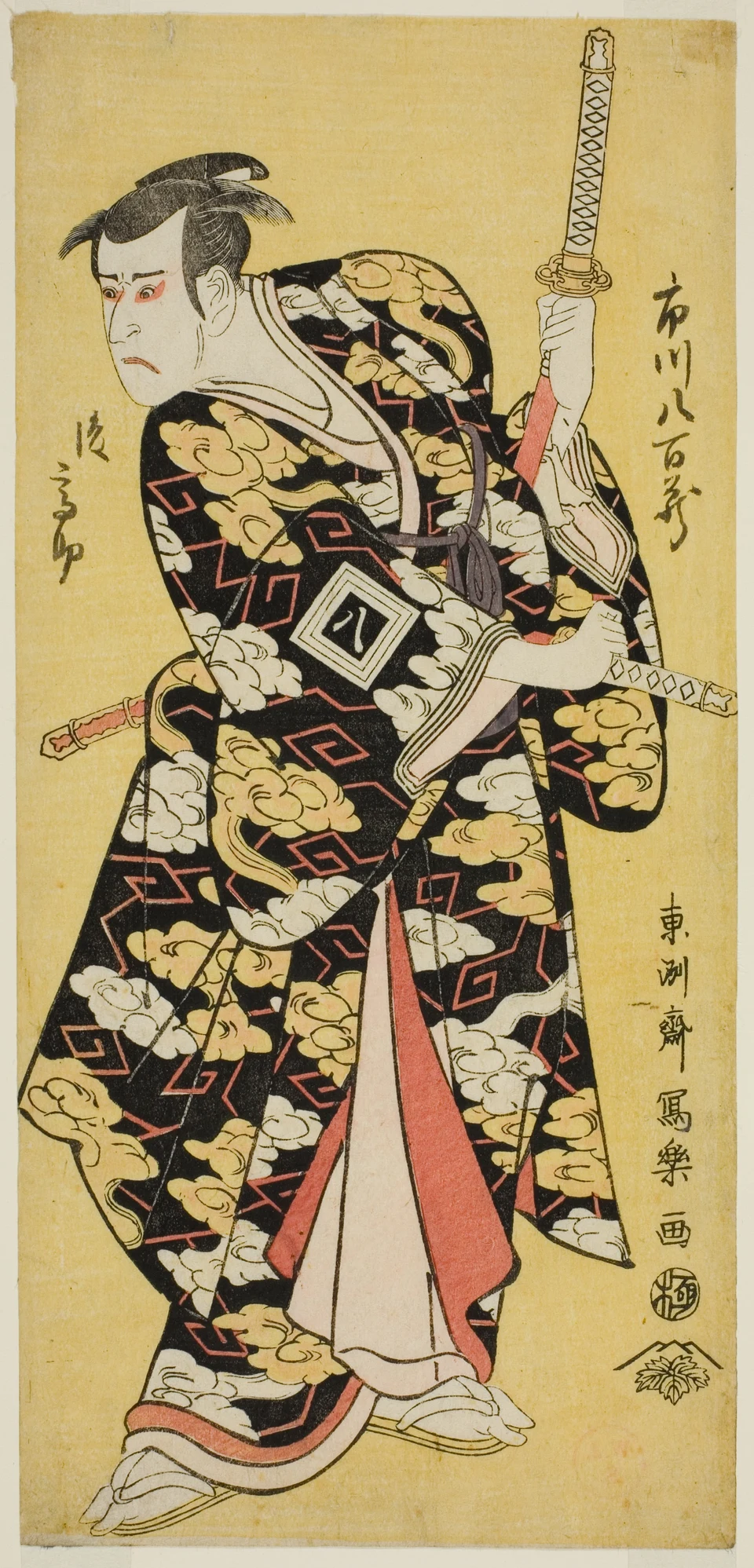 Ichikawa Yaozo lll in the Role of Fuwa no Banzaemon Shigekatsu
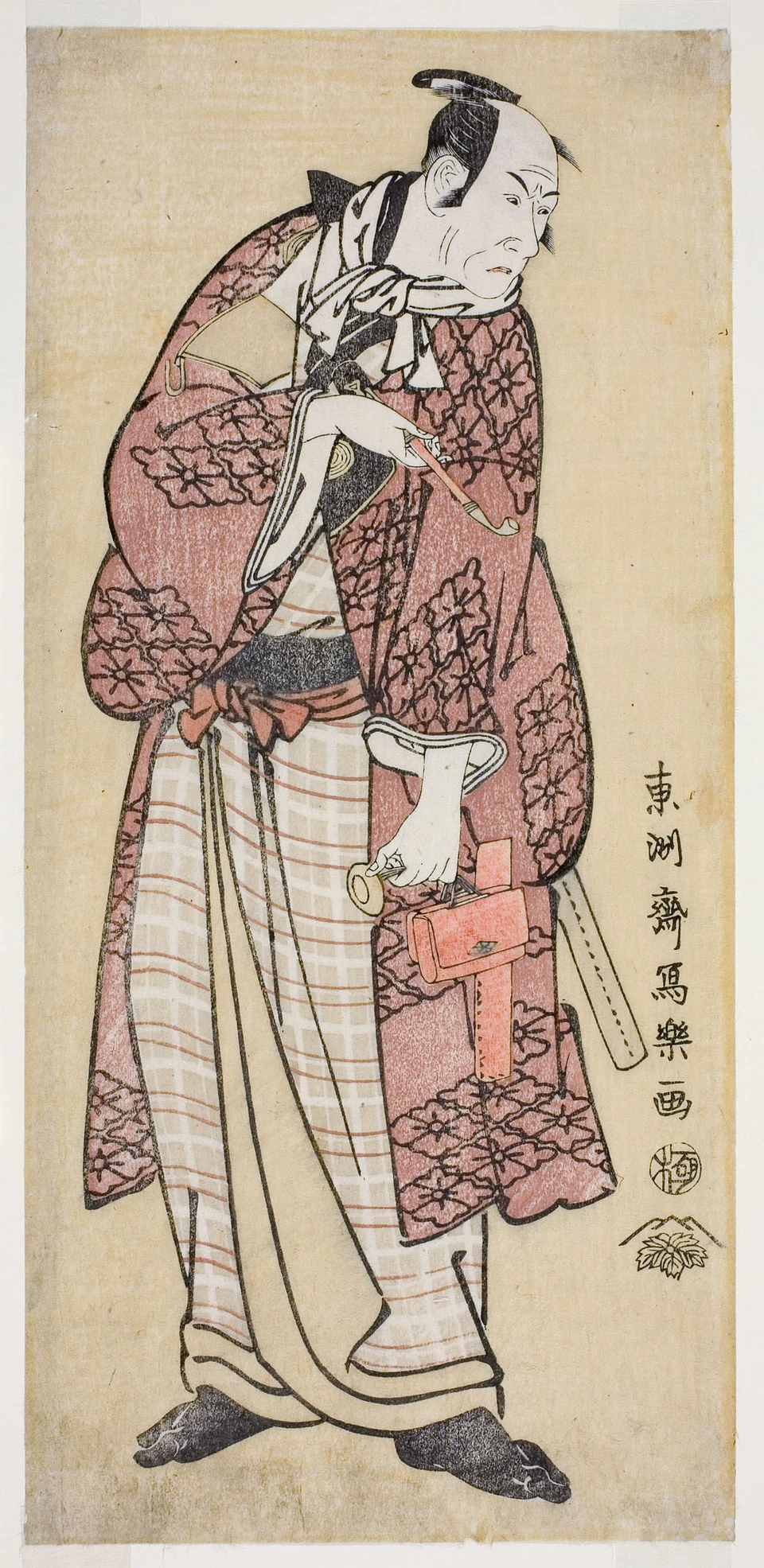 The Actor Matsumoto Koshiro IV as the Wealthy Bumpkin from Yamato, Actually Magoemon of Ninokuchi Village (Yondai-me Matsumoto Koshiro no Yamato no Yabo Daijin, jitsuwa Ninokuchi-mura Magoemon)
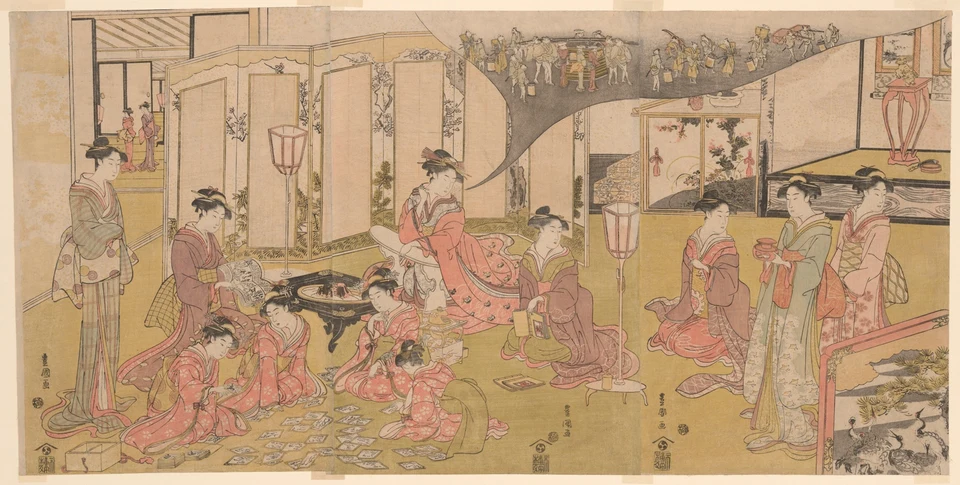 The Card Game
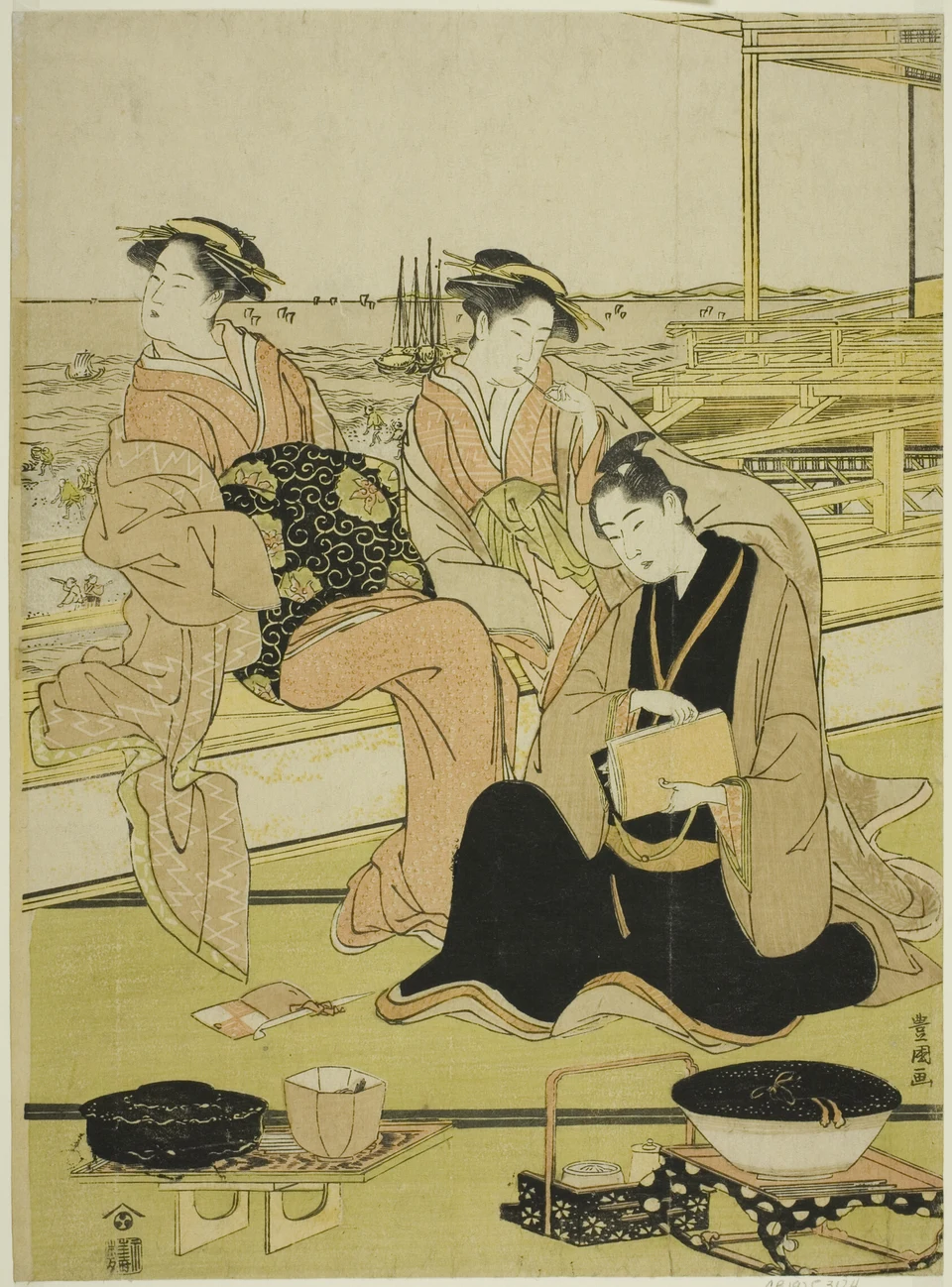 Overlooking the bay at Shinagawa
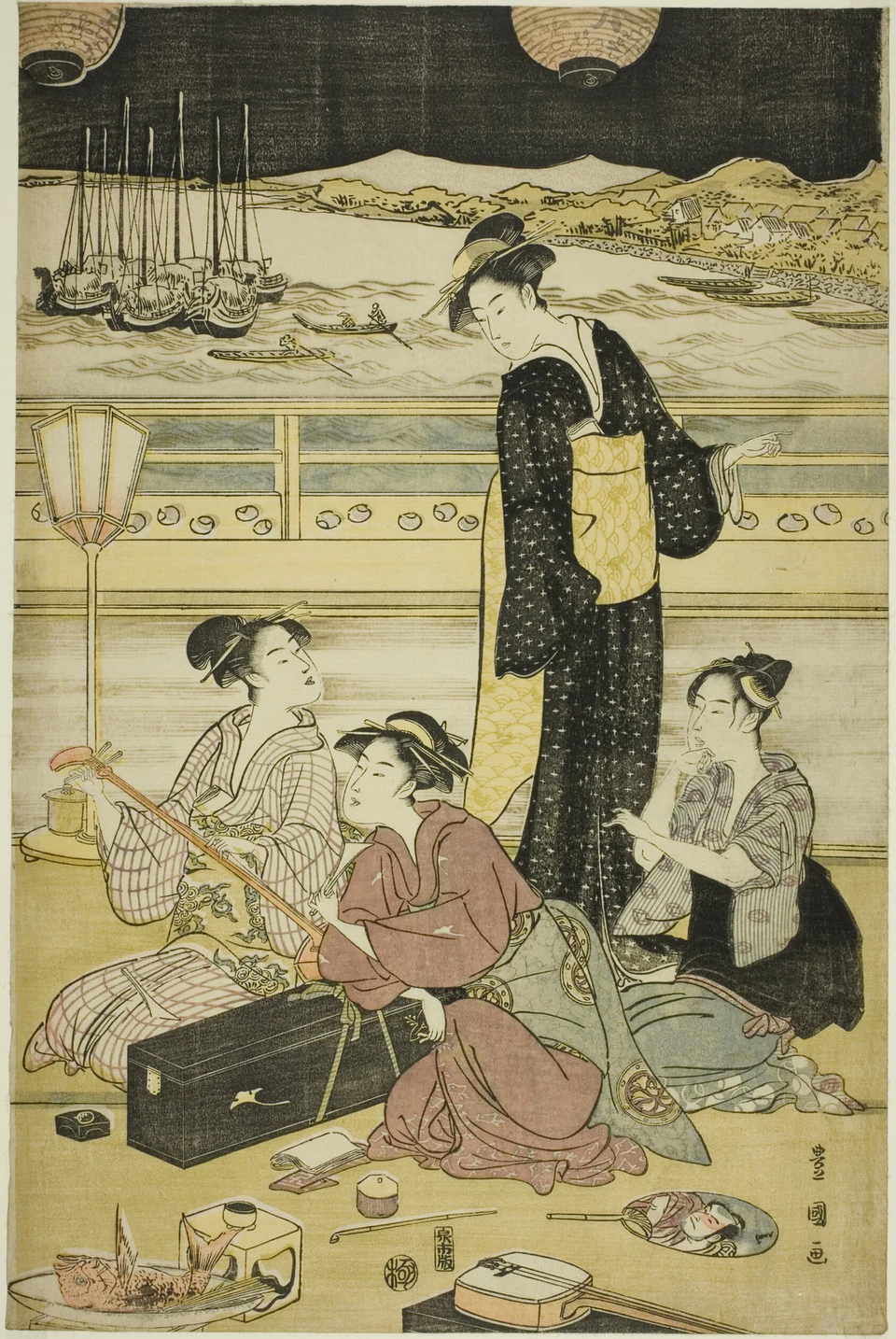 Evening party at Shinagawa
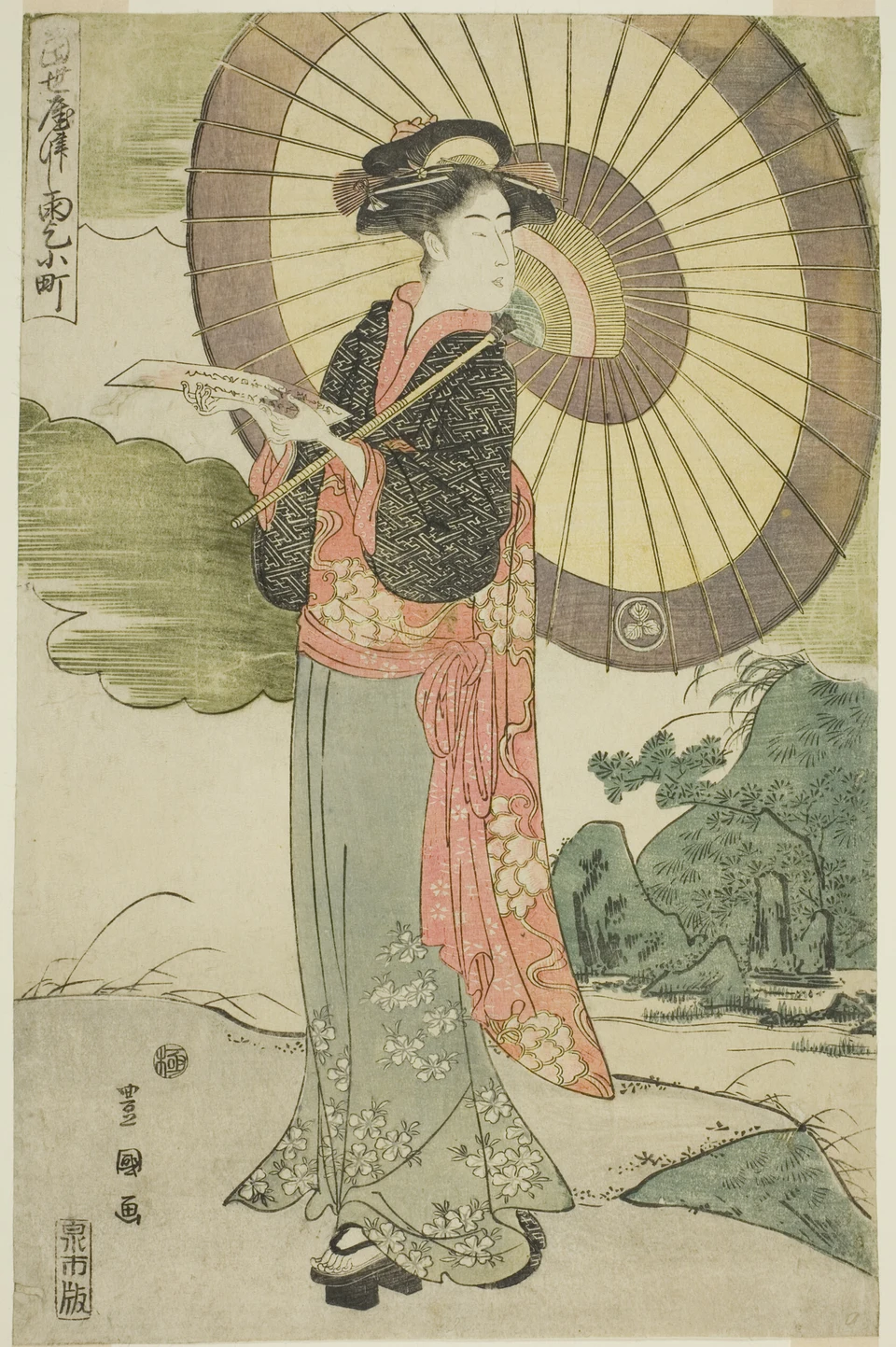 A Contemporary Parody of Komachi Prays for Rain (Tosei yatsushi Amagoi Komachi)
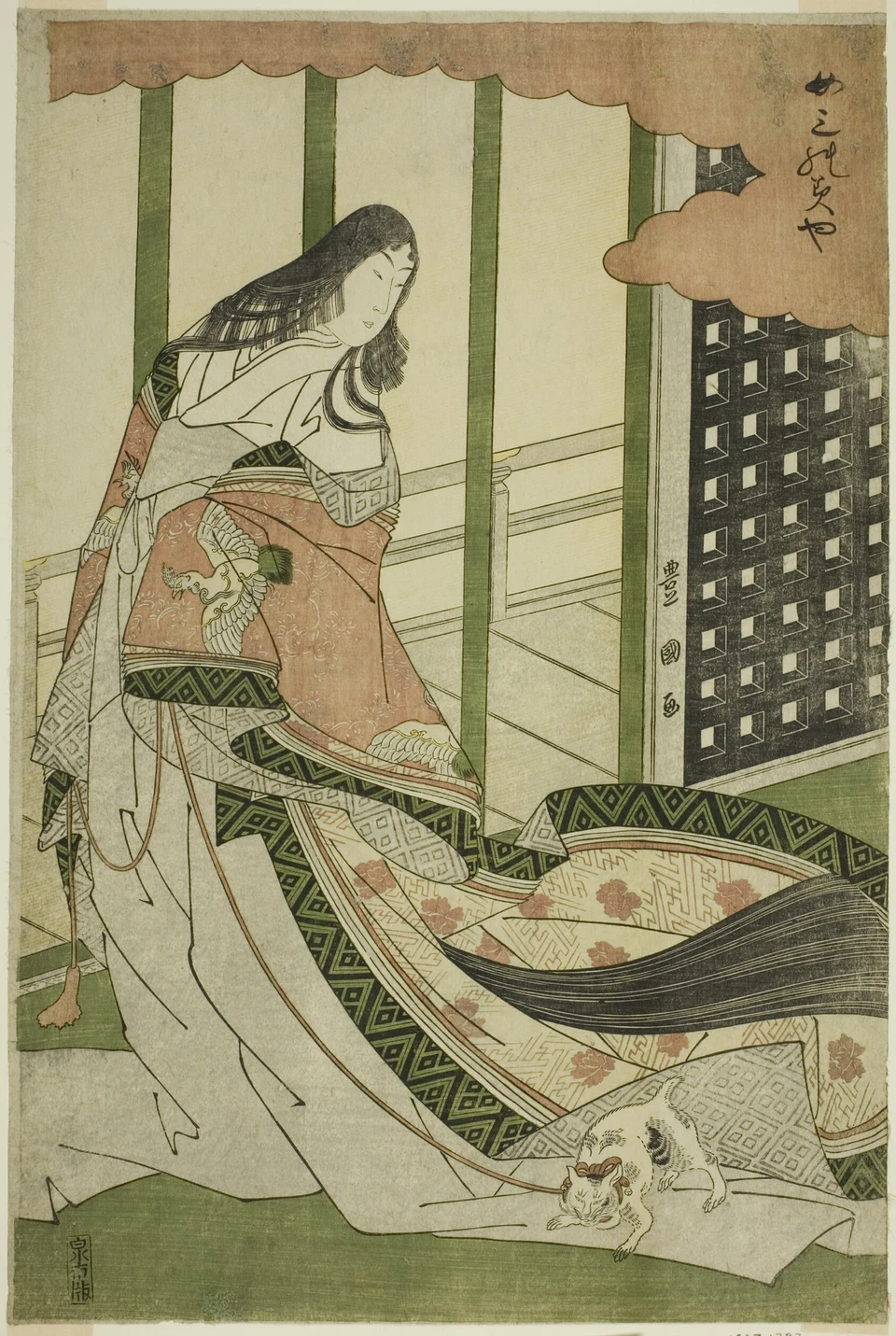 The Third Princess (Nyosan no miya)
No artworks found
Try another word, style or period, or clear the filters to see every work.