Vienna Secession
5 artworks from public collections
Browse by style
- Japanese prints
- Impressionism
- Japanese painting
- Chinese painting
- Post-Impressionism
- Realism
- Baroque
- Modernism
- Rococo
- Dutch Golden Age
- Neoclassicism
- South Asian painting
- Barbizon School
- Chinese painting: Ming
- High Renaissance and Mannerism
- Chinese painting: Qing
- Romanticism
- Symbolism
- Expressionism
- Late Gothic and Early Renaissance
- Northern Renaissance
- Renaissance
- Mexican prints
- Neo-Impressionism
- The Blue Rider
- Die Brücke
- American modernism
- Korean painting
- Cubism
- School of Paris
- Futurism
- De Stijl
- Chinese painting: Liao and Yuan
- Vienna Secession
- Ashcan School
- Fauvism
- Persian manuscripts
- Abstract art
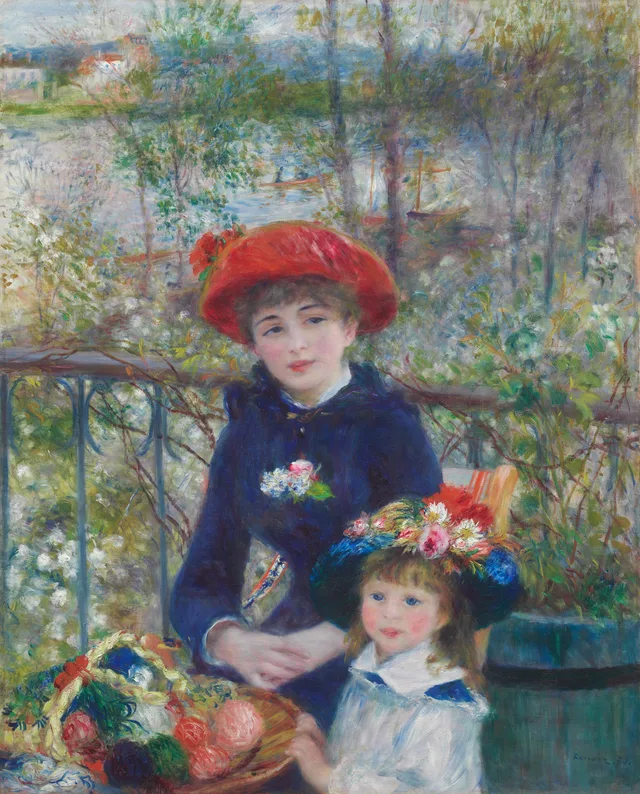
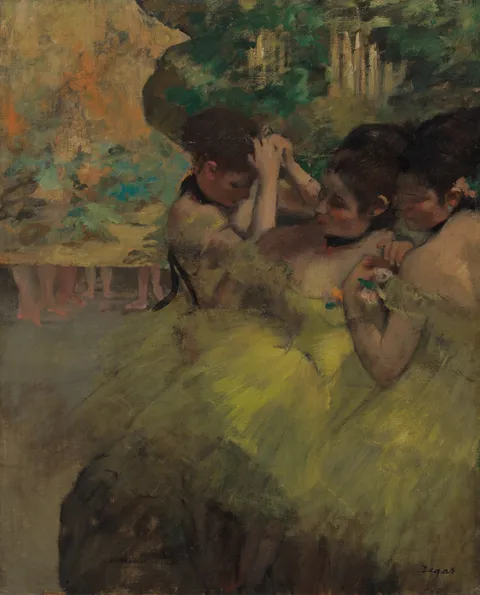
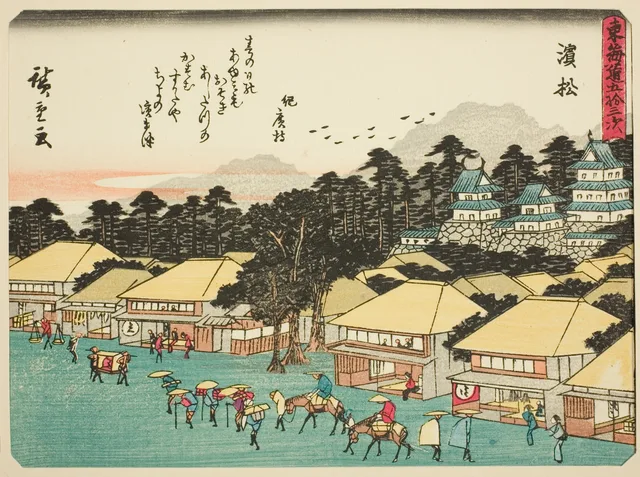
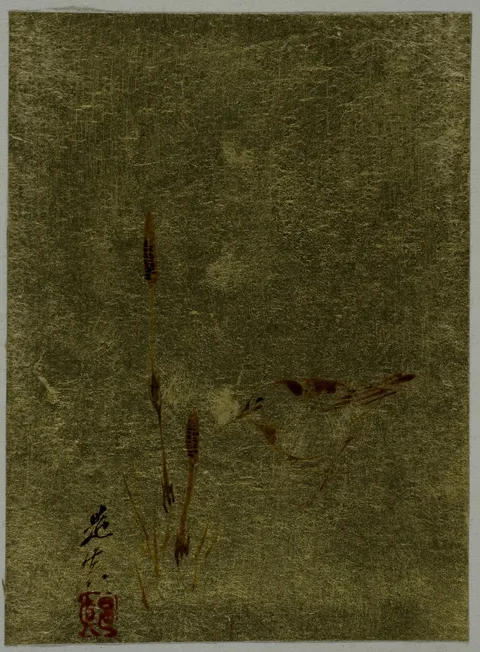
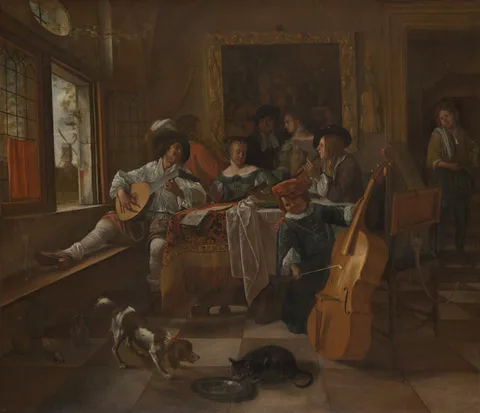
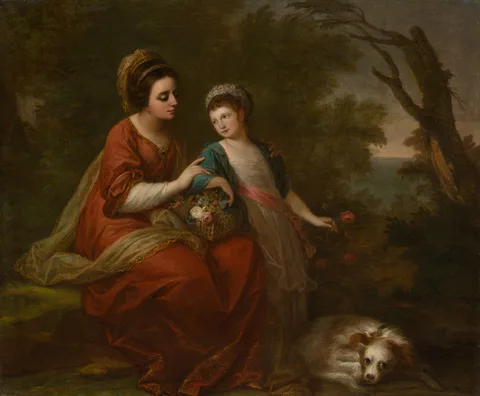
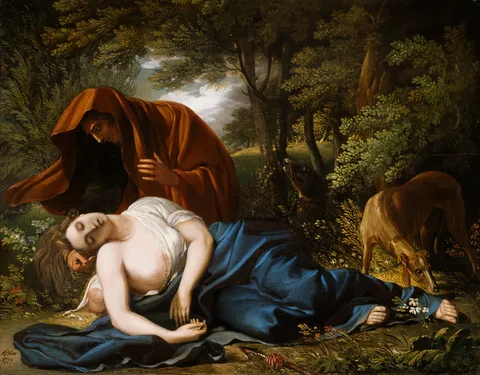
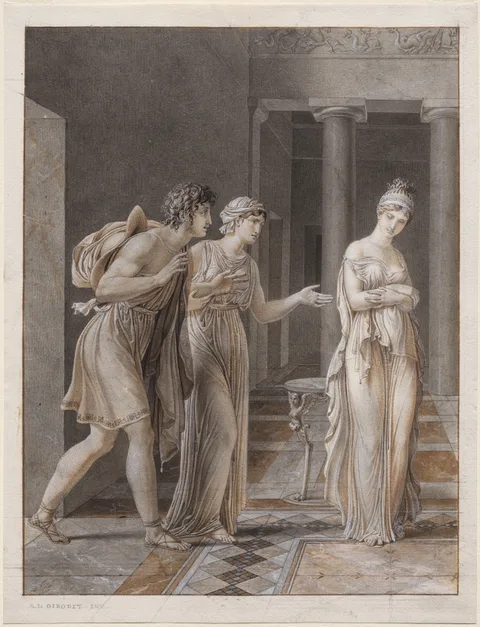
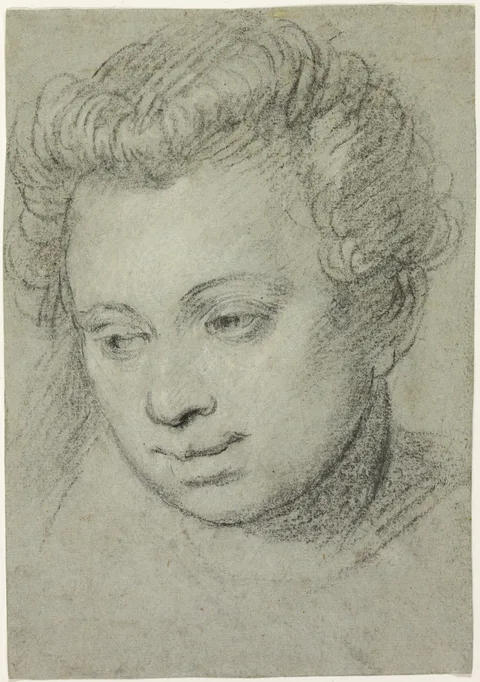
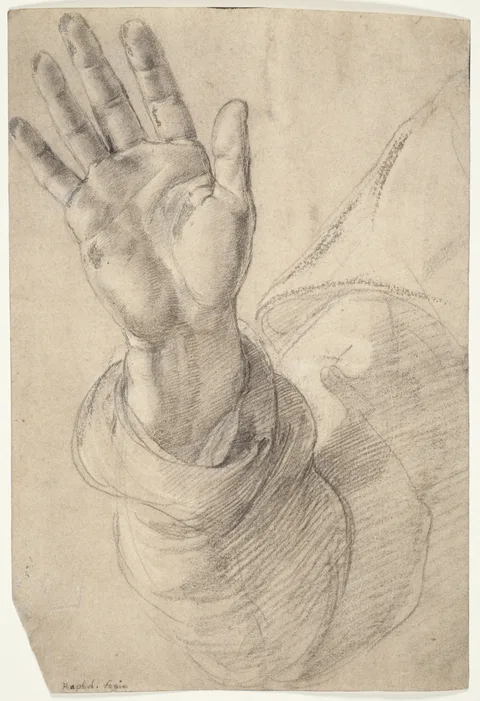
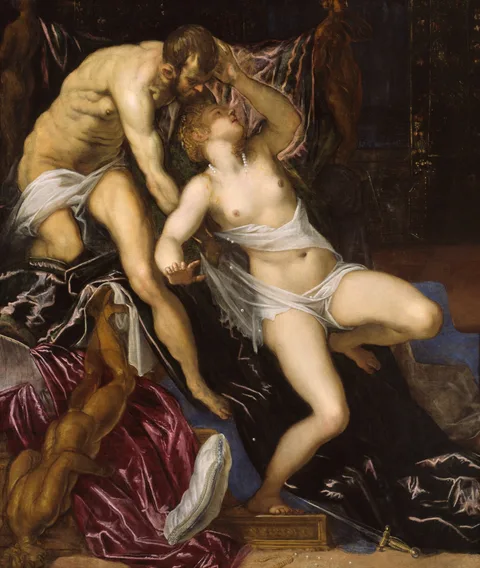
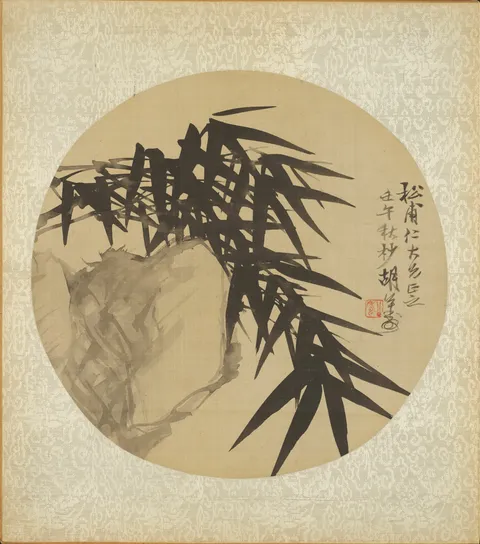
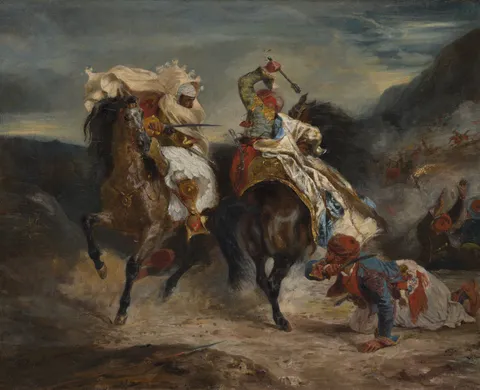
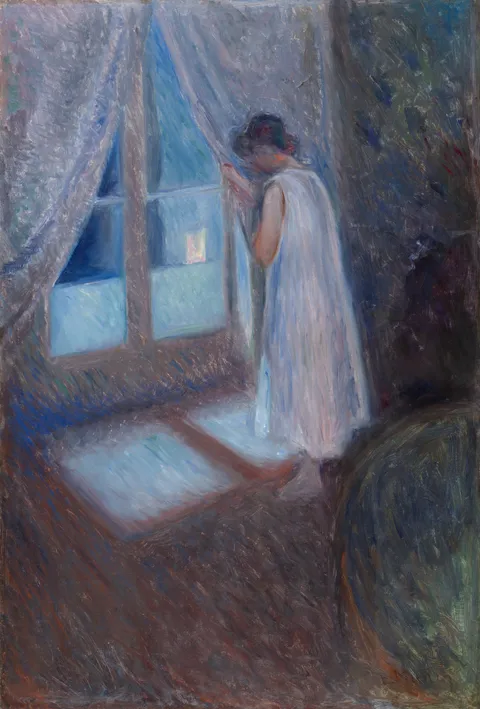
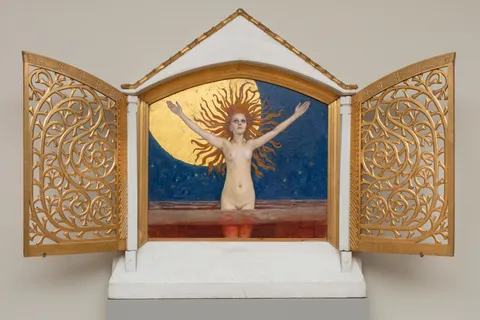
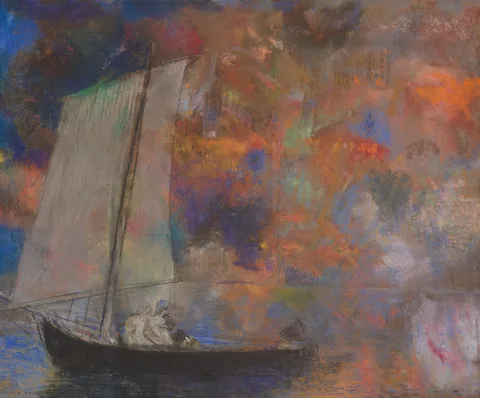
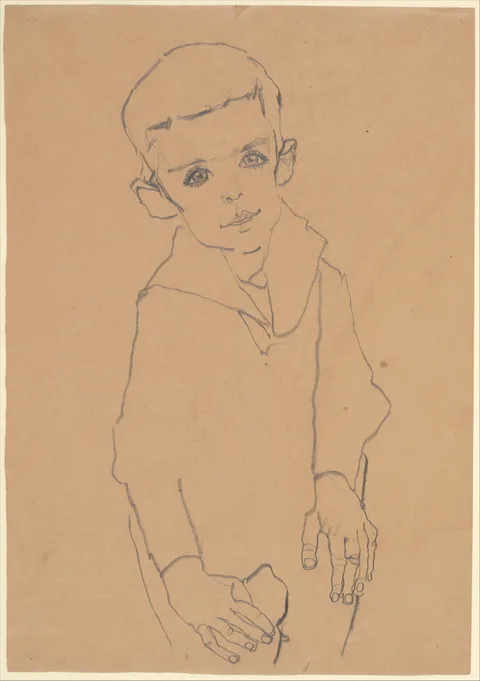
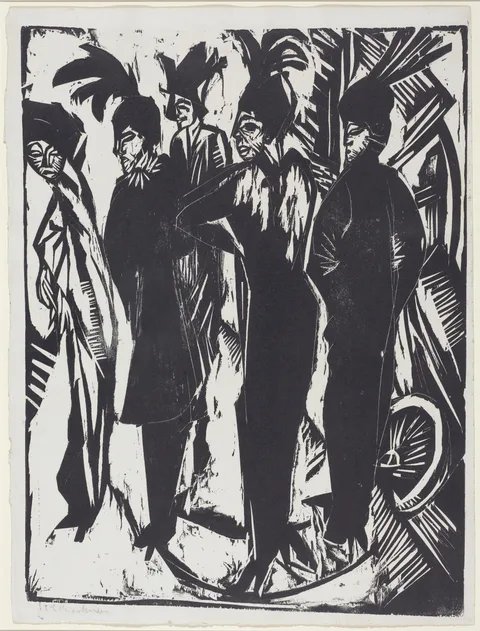
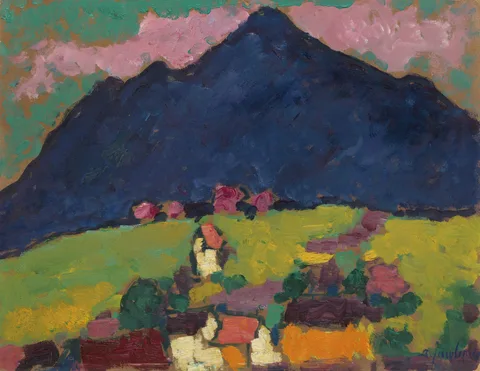
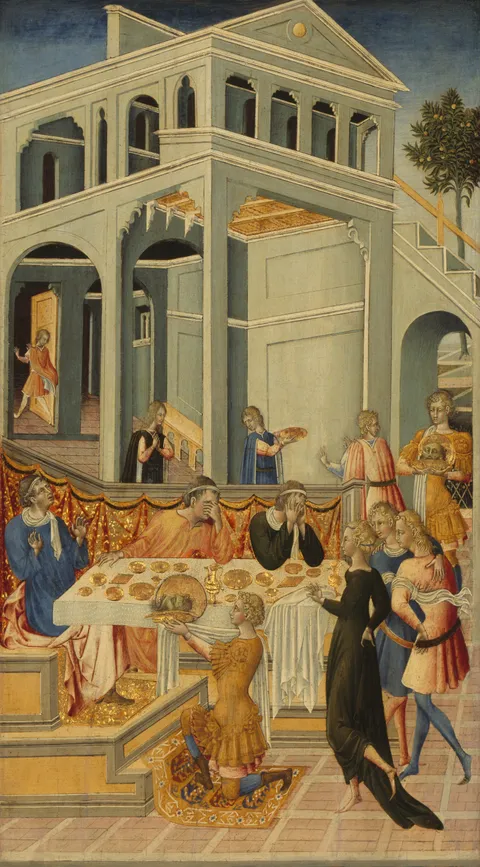
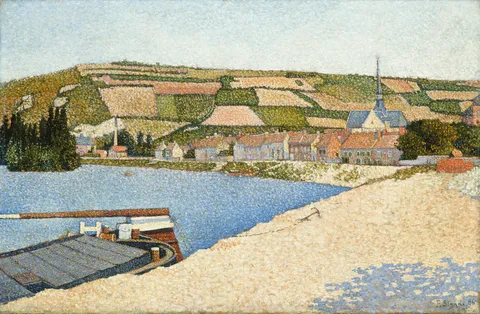
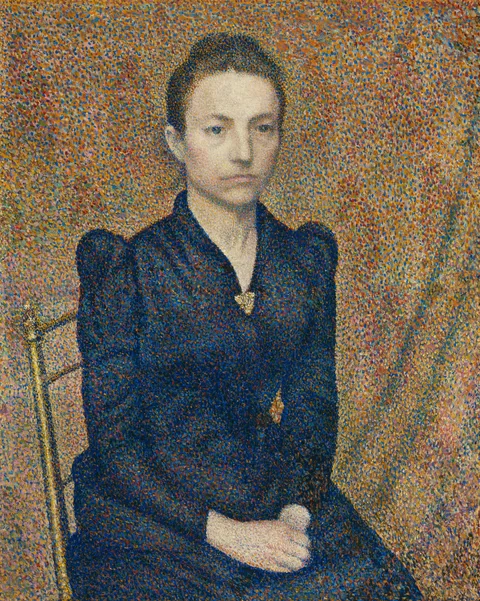
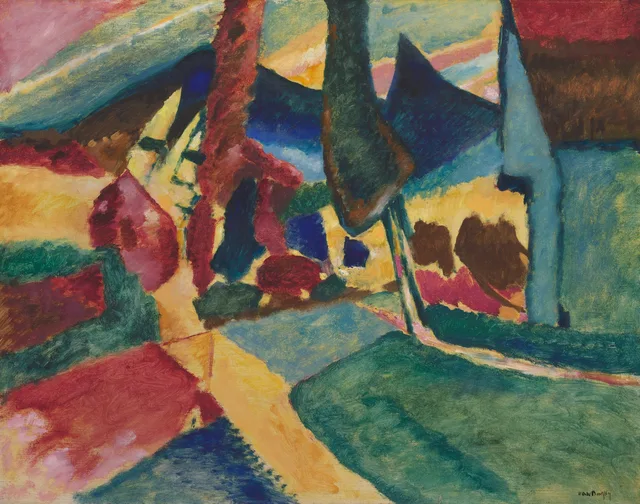
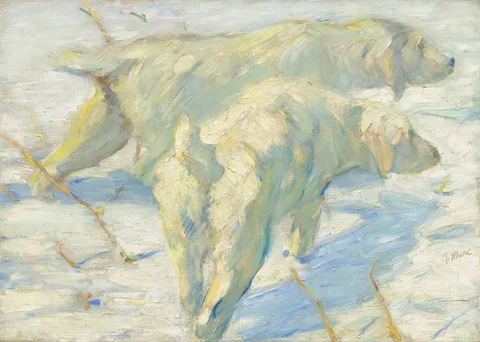
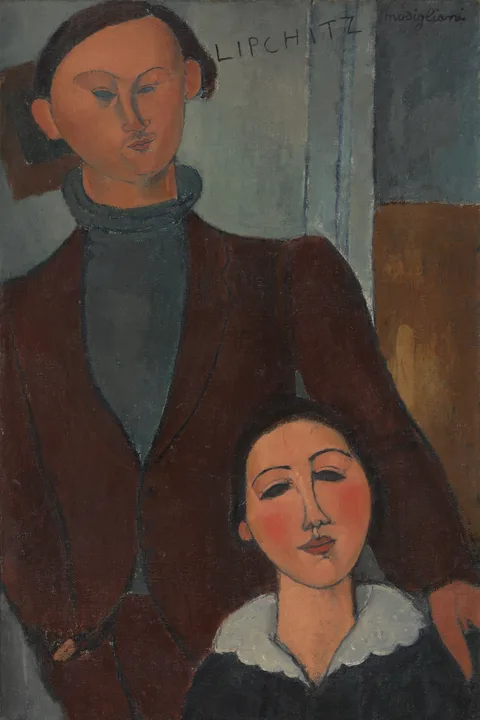
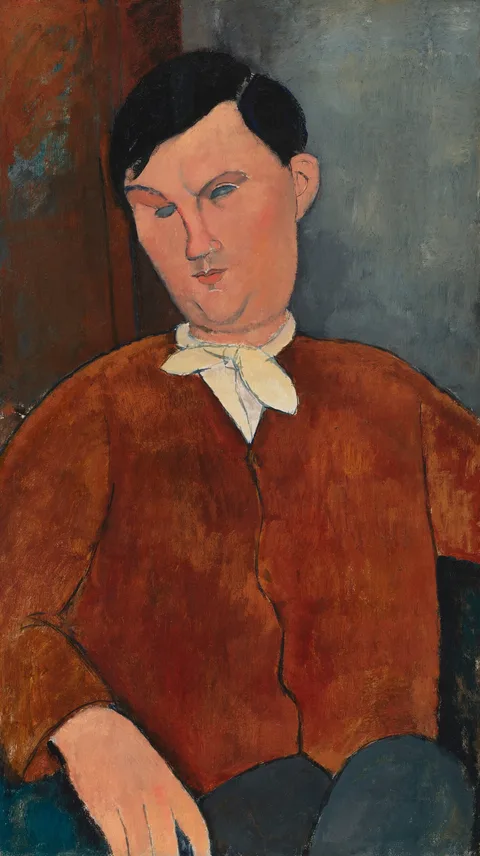
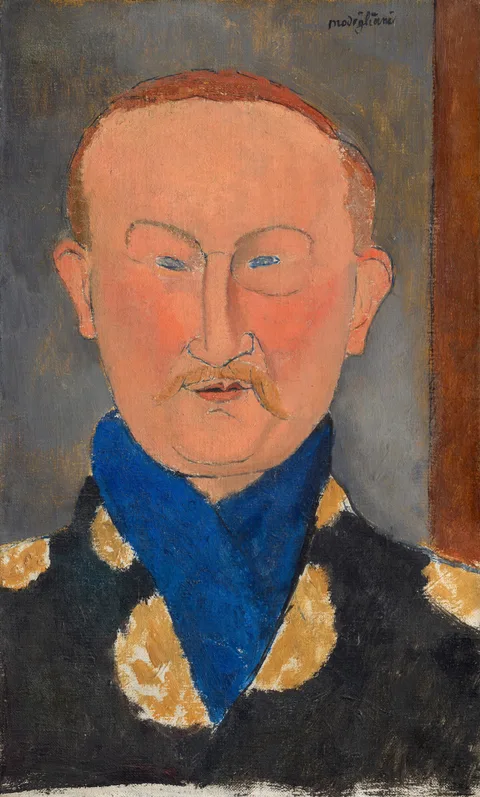
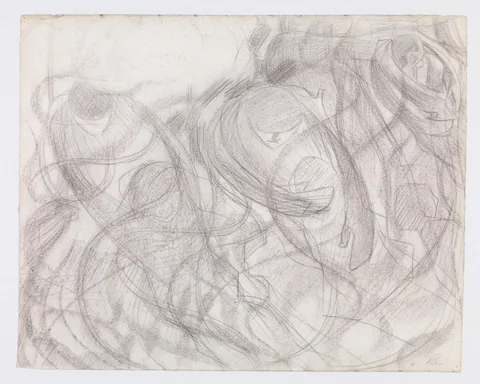
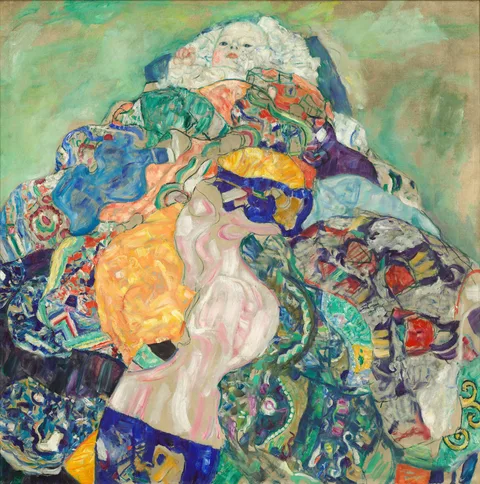
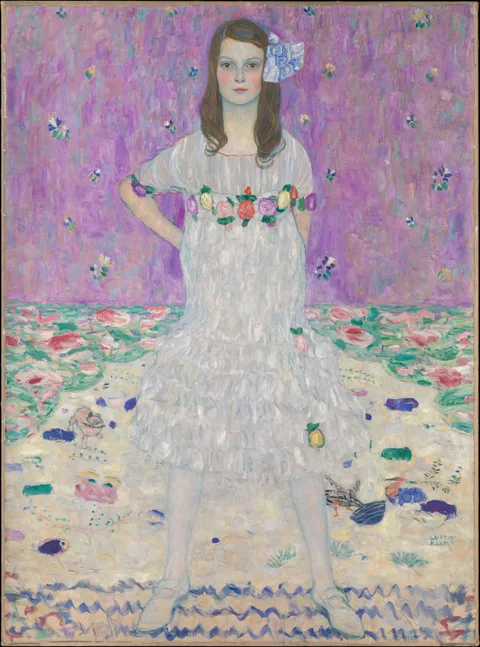
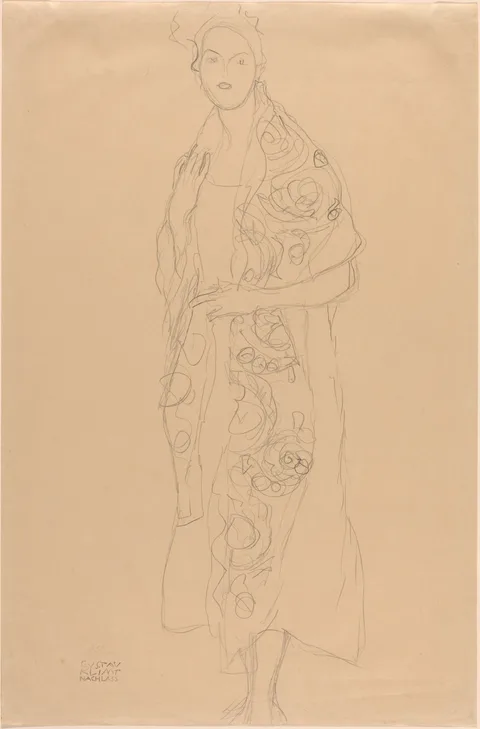
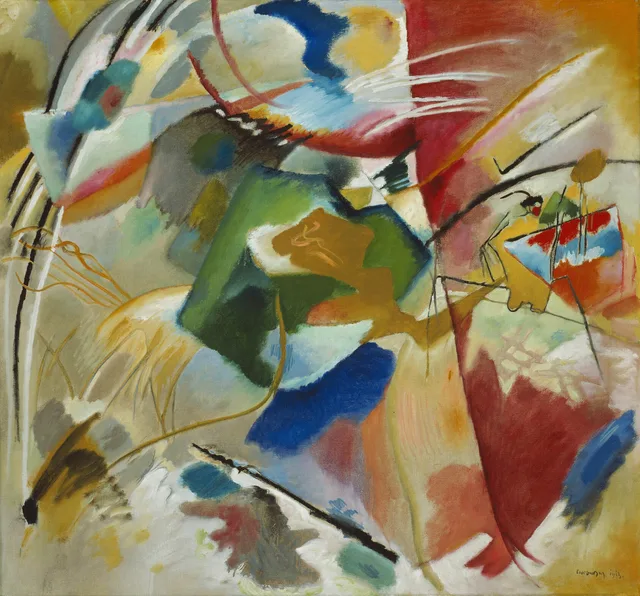
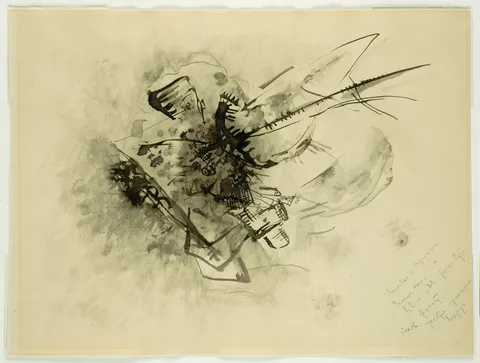
The Vienna Secession began in 1897, when younger artists broke away from the city’s established exhibiting society and chose Gustav Klimt to lead them. In 1898 they asked the architect Joseph Olbrich to build them their own exhibition hall. Design and architecture mattered to the group as much as painting did. Here Klimt’s late portraits and drawings stand for it. In May 1897 nineteen artists left Vienna’s established artists’ society and formed the Secession, with Gustav Klimt as its president. Look for flat ornament, gold and patterned grounds set beside a carefully drawn face or body. MoMA’s survey of Vienna shows Klimt and the Secession circle from 1898 to 1907, and the late Klimt, Schiele and Kokoschka from 1907 to 1918. Connected places: Vienna.
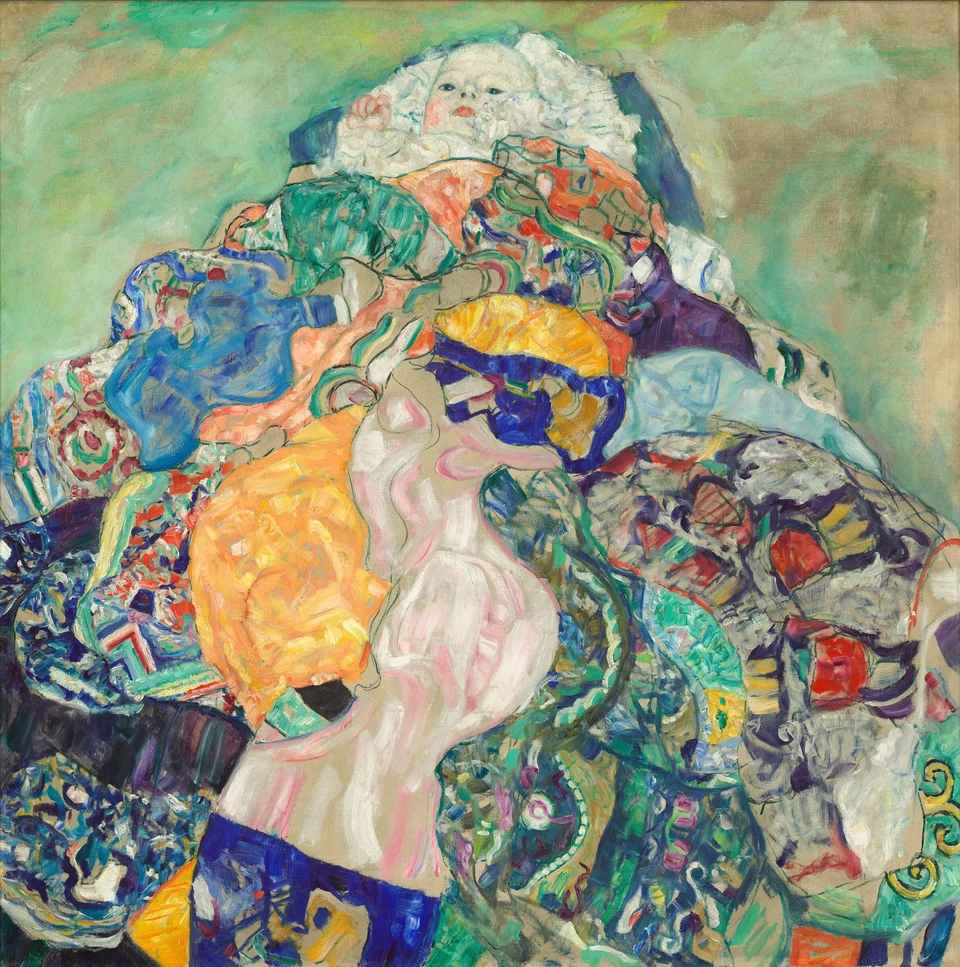 Baby (Cradle)
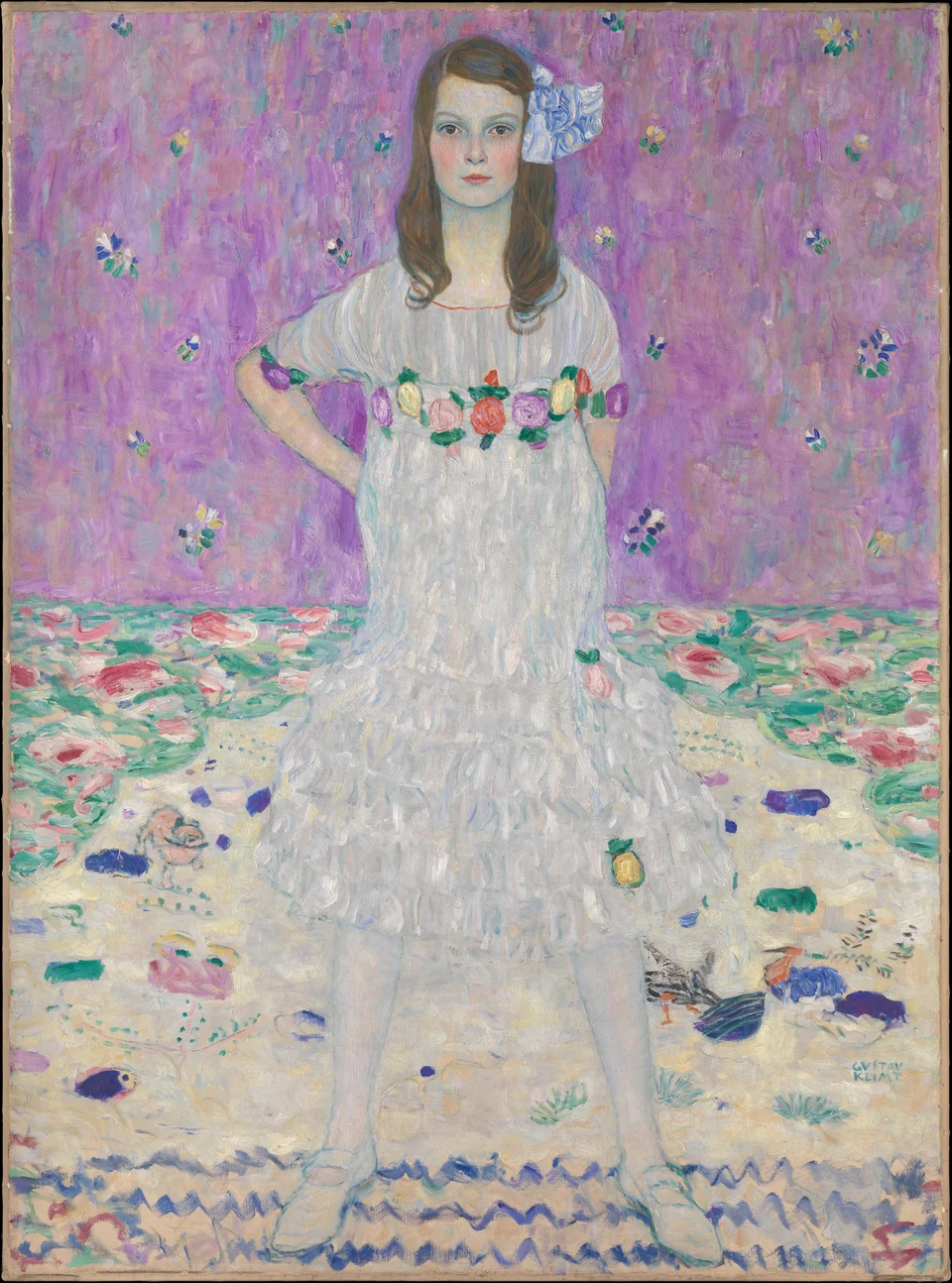 Mäda Primavesi (1903–2000)
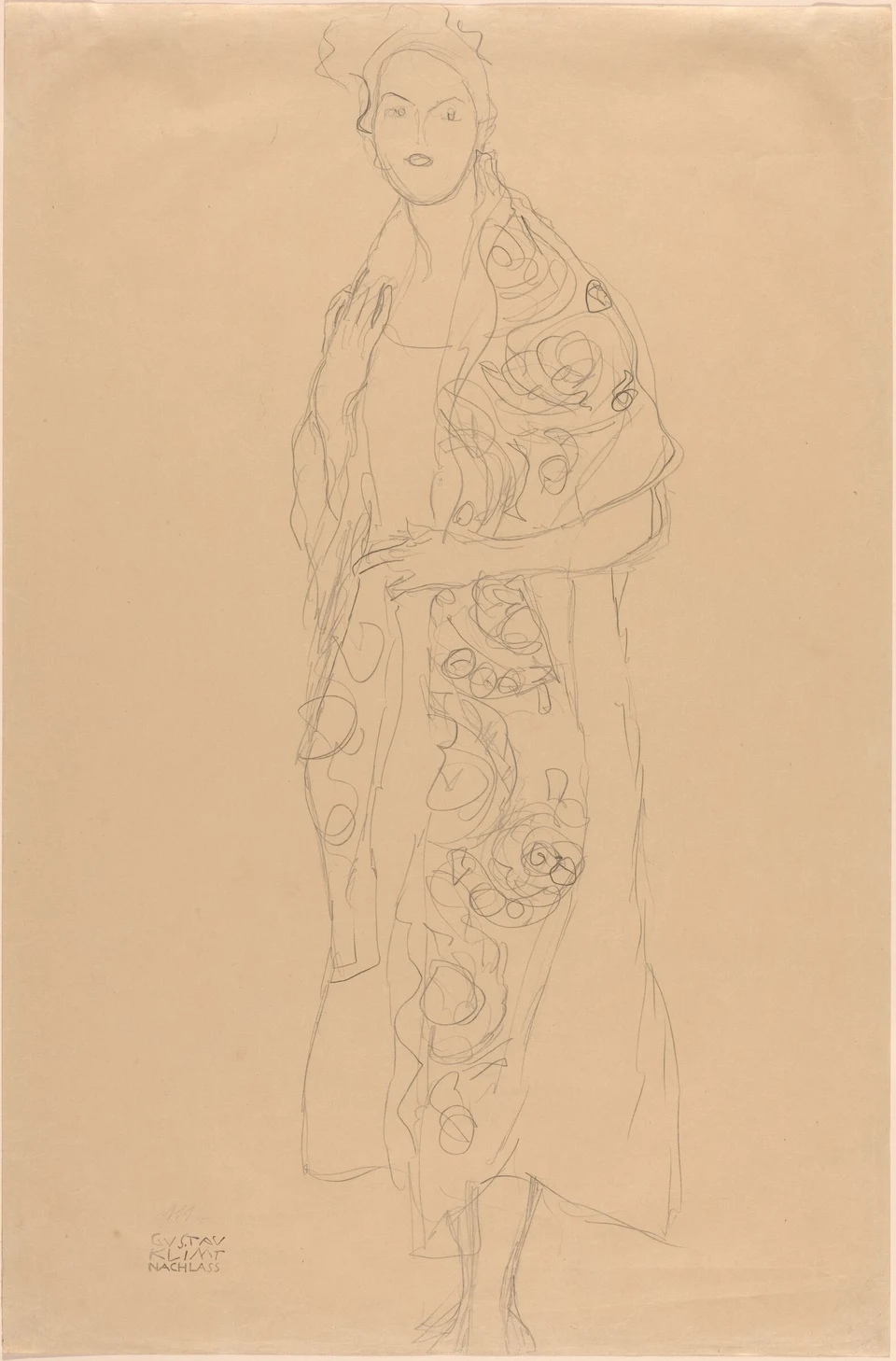 Portrait of a Woman
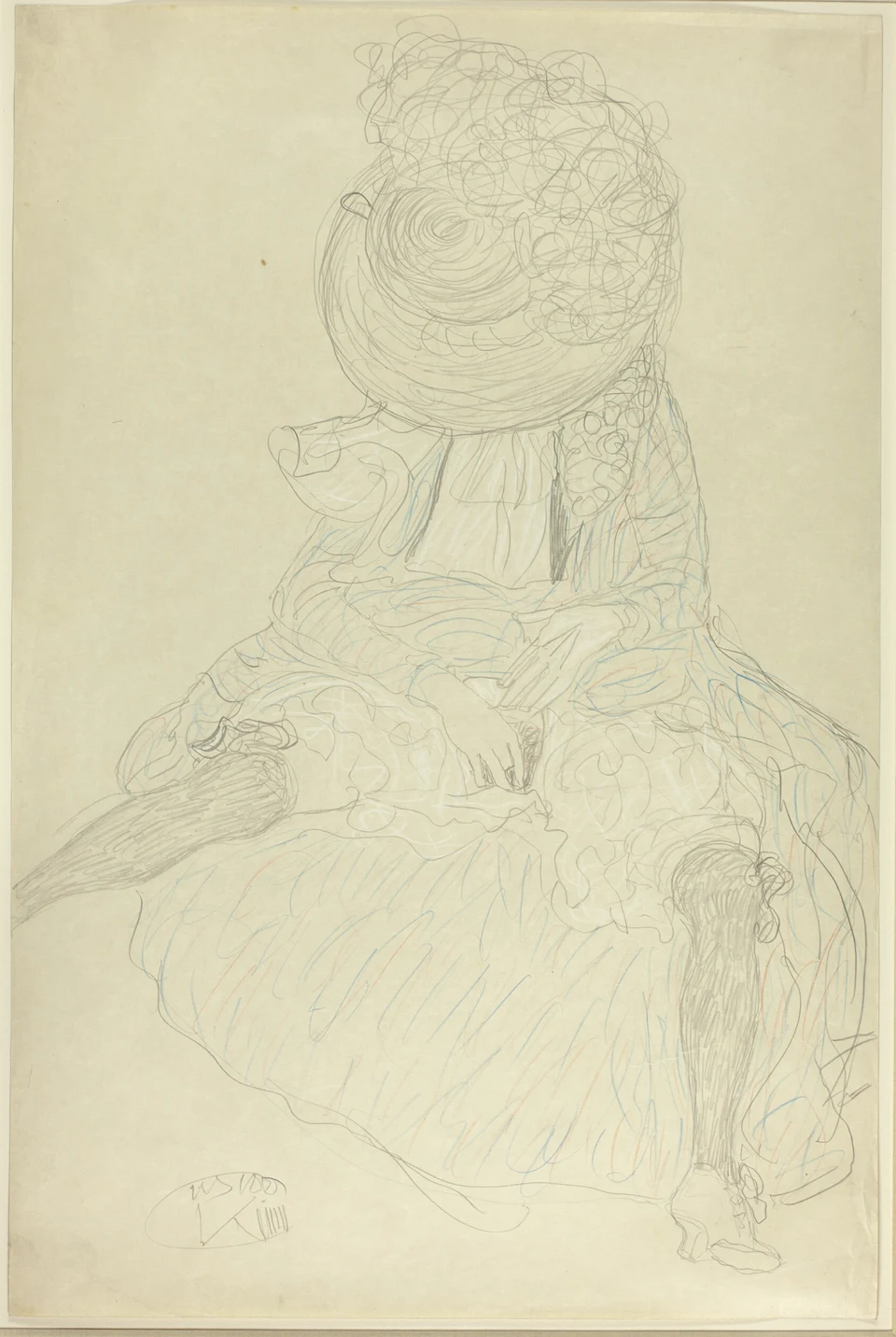 Seated Woman from the Front with Hat, Face Hooded
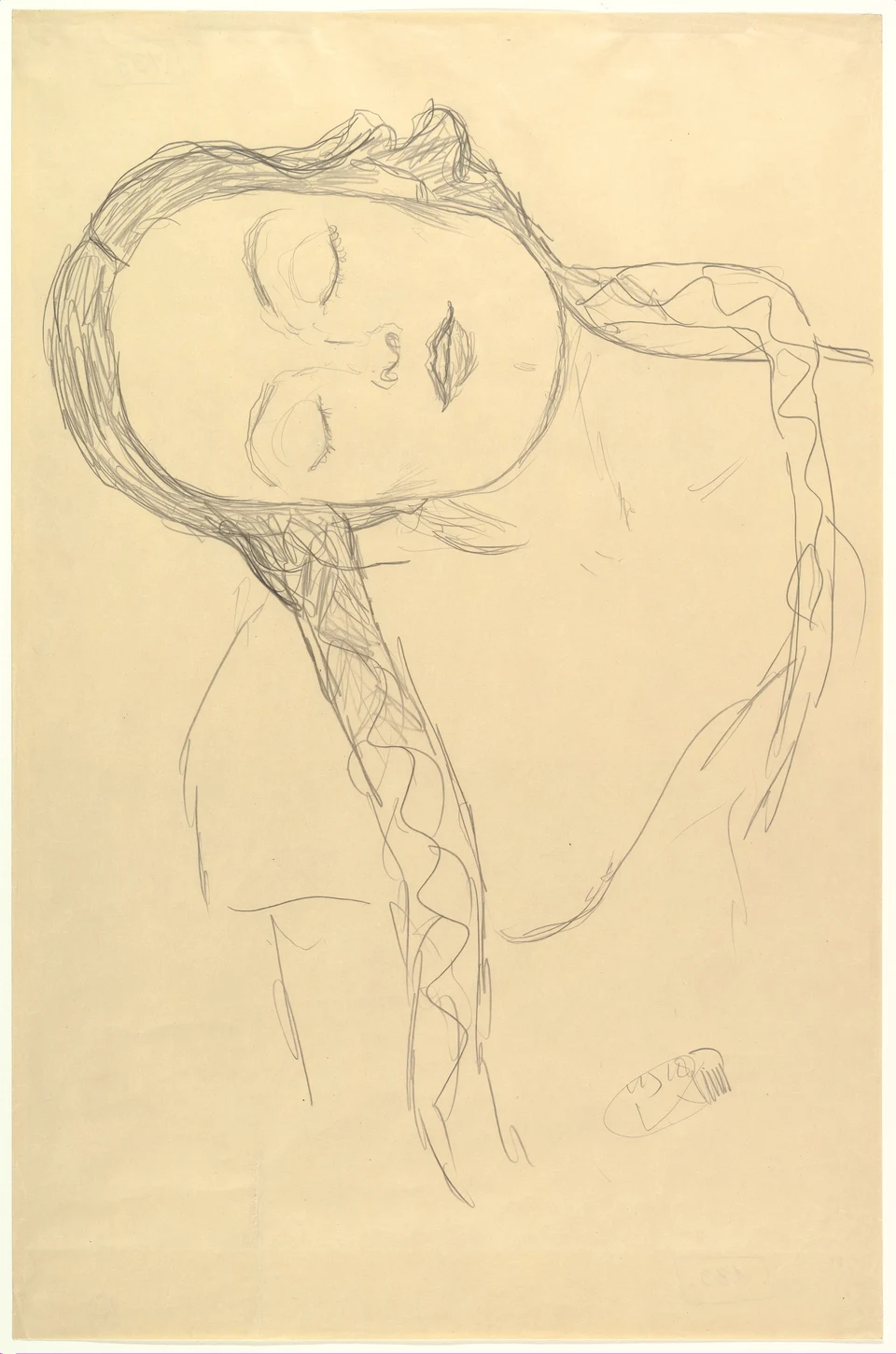 Half-figure of a Young Woman
No artworks found
Try another word, style or period, or clear the filters to see every work.