Neoclassicism
25 artworks from public collections
Browse by style
- Japanese prints
- Impressionism
- Japanese painting
- Chinese painting
- Post-Impressionism
- Realism
- Baroque
- Modernism
- Rococo
- Dutch Golden Age
- Neoclassicism
- South Asian painting
- Barbizon School
- Chinese painting: Ming
- High Renaissance and Mannerism
- Chinese painting: Qing
- Romanticism
- Symbolism
- Expressionism
- Late Gothic and Early Renaissance
- Northern Renaissance
- Renaissance
- Mexican prints
- Neo-Impressionism
- The Blue Rider
- Die Brücke
- American modernism
- Korean painting
- Cubism
- School of Paris
- Futurism
- De Stijl
- Chinese painting: Liao and Yuan
- Vienna Secession
- Ashcan School
- Fauvism
- Persian manuscripts
- Abstract art
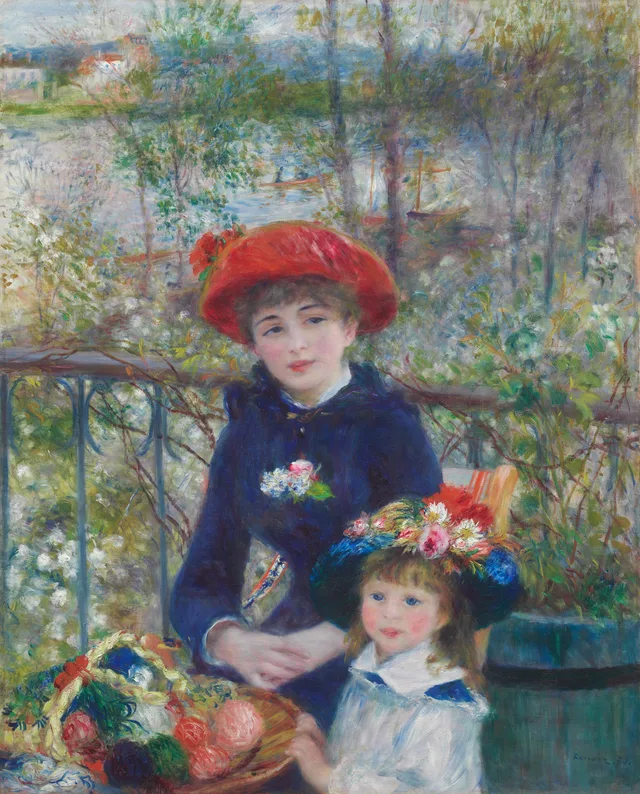
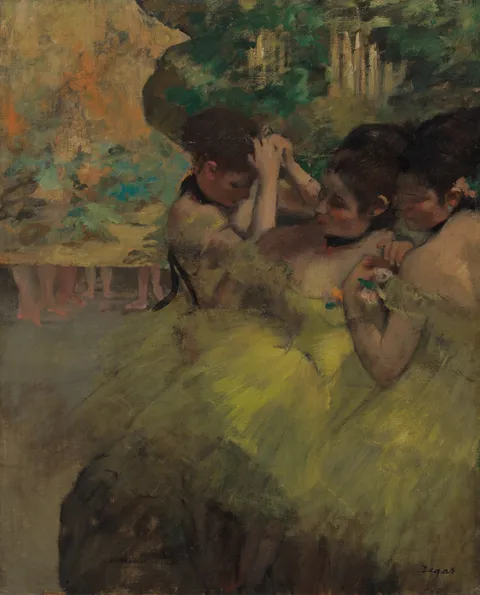
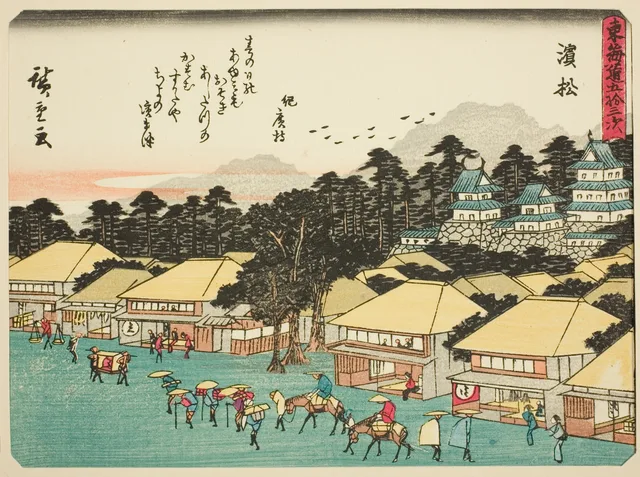
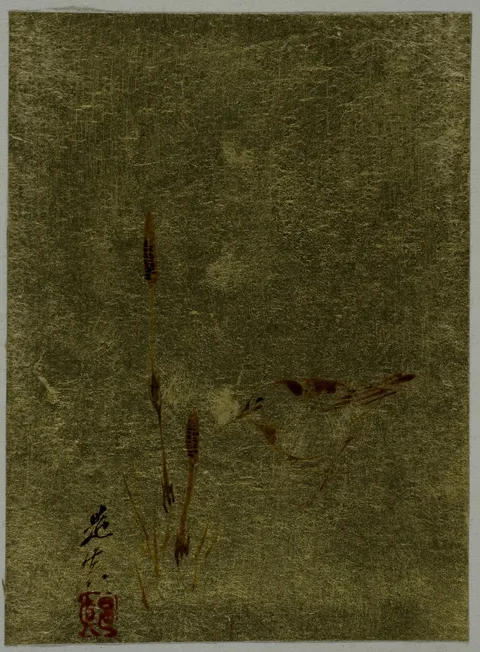
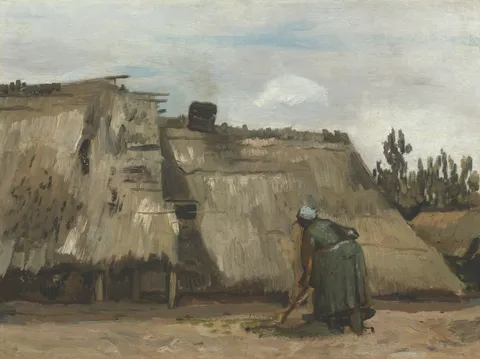
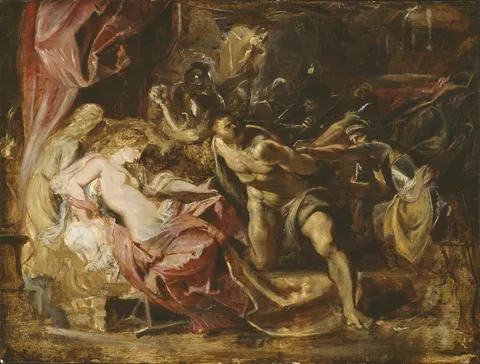
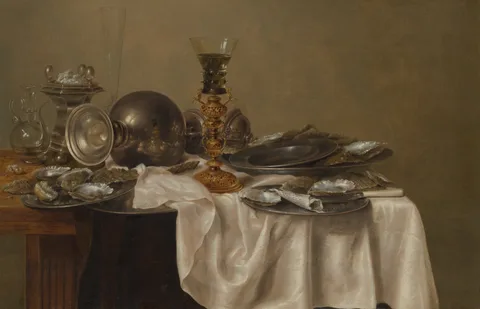
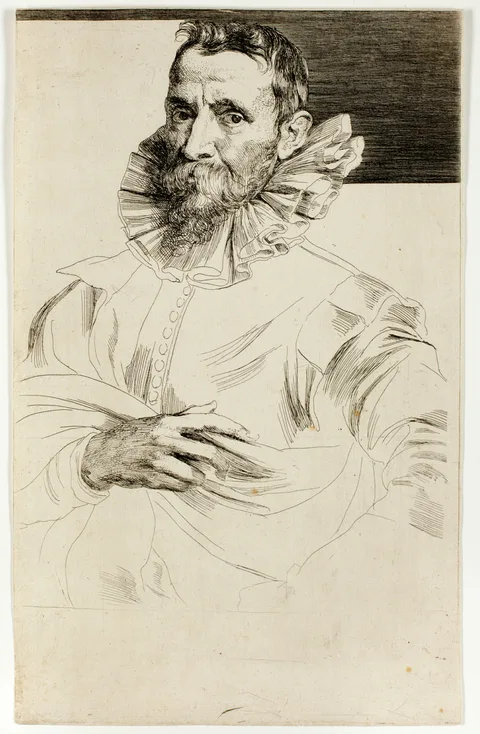
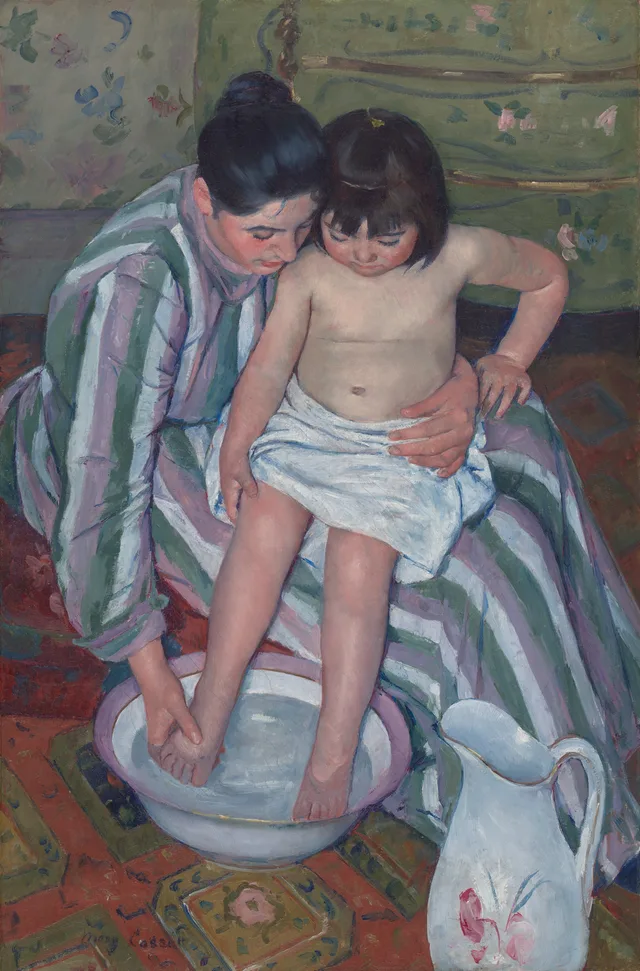
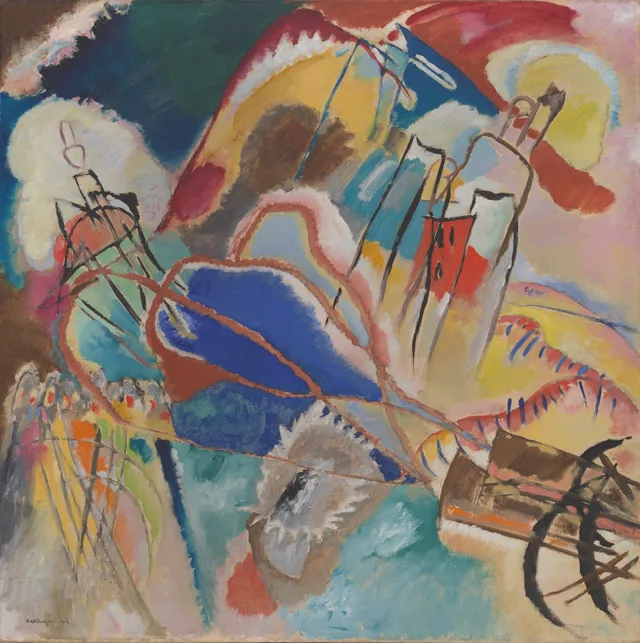
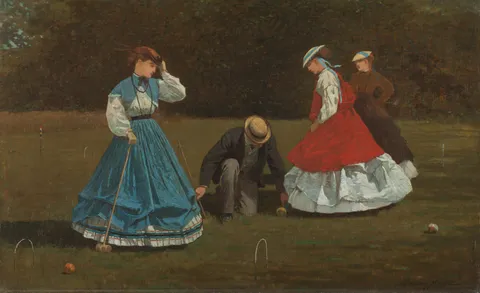
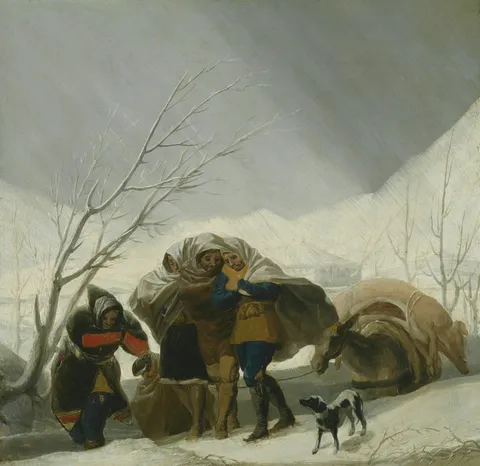
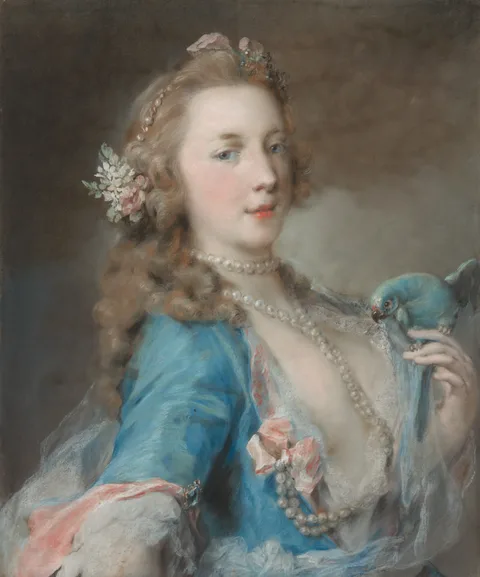
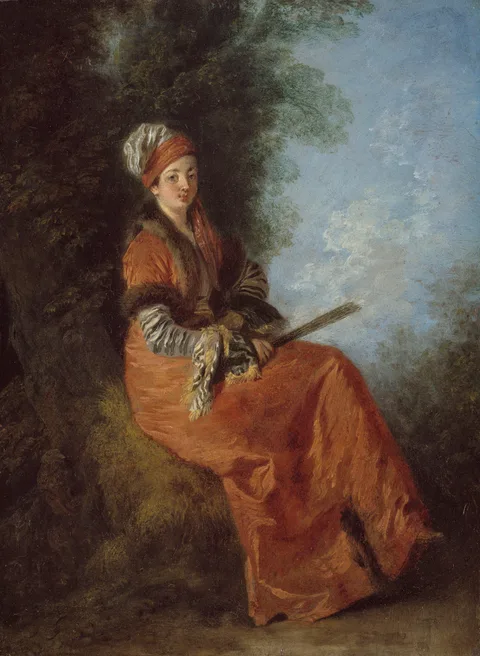
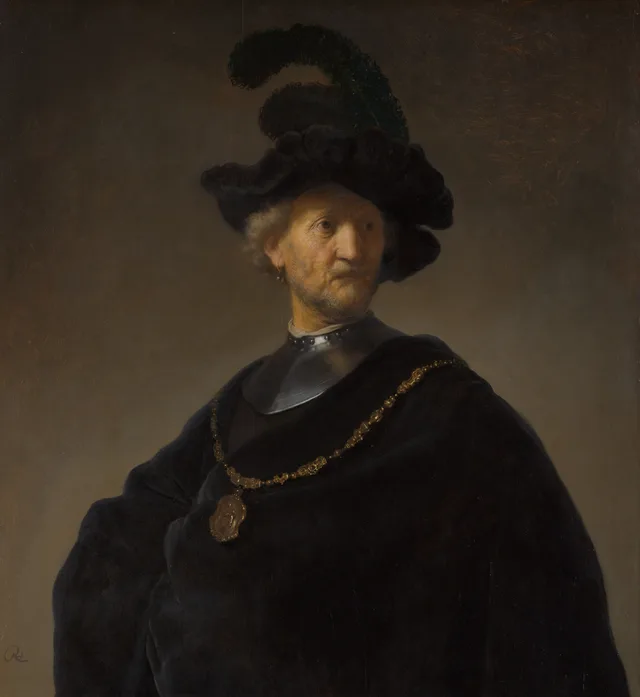
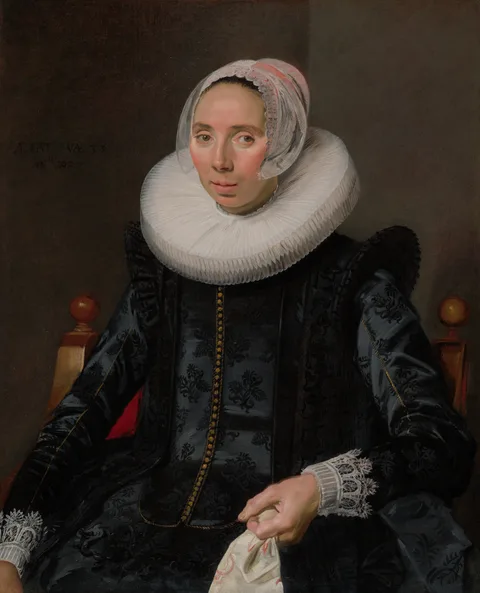
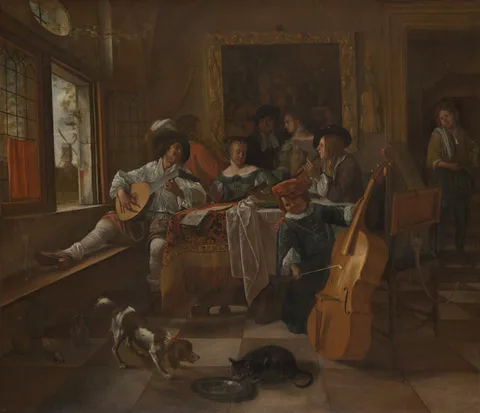
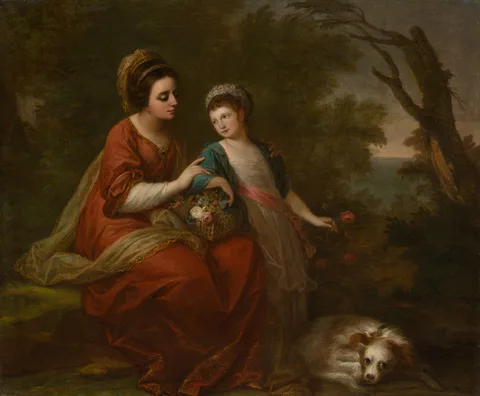
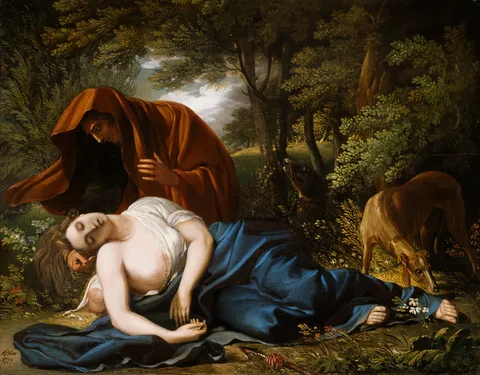
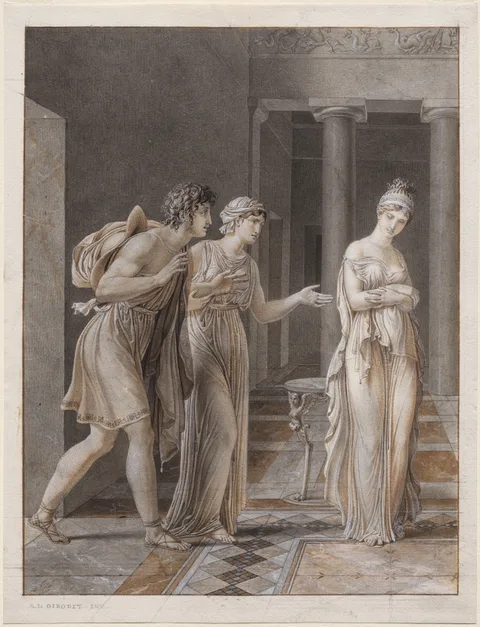
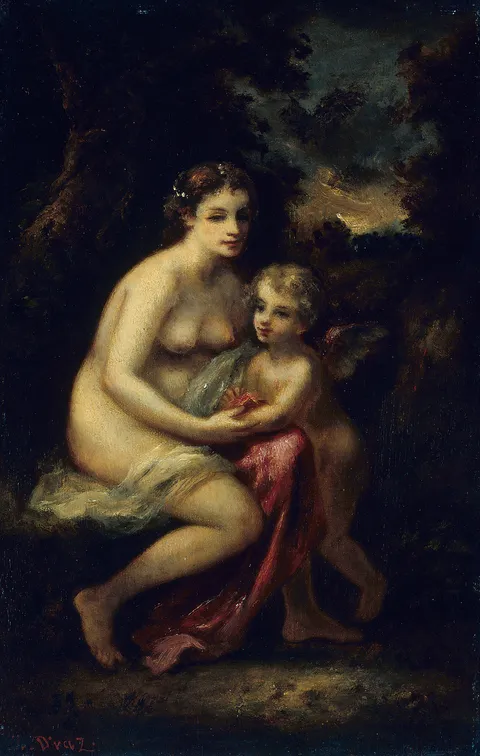
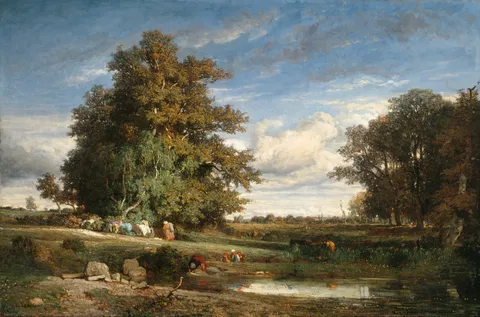
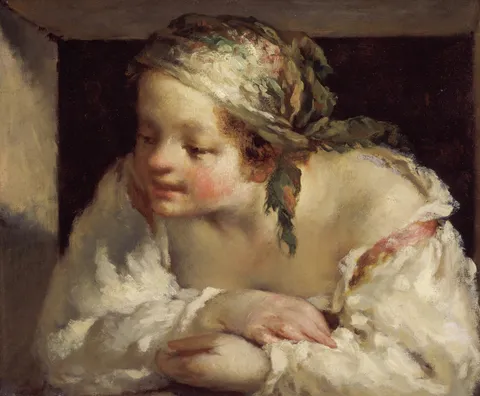
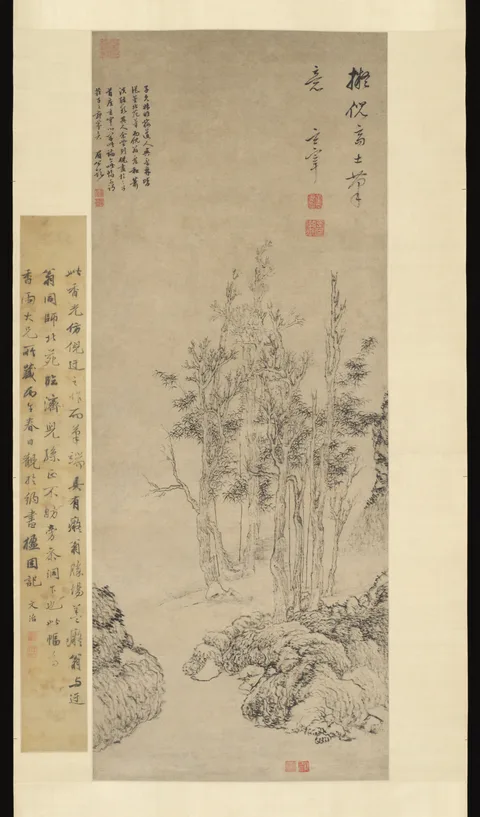
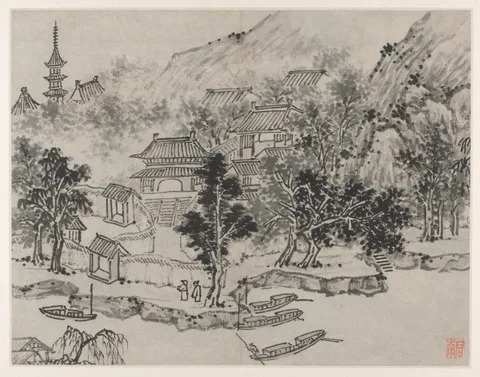
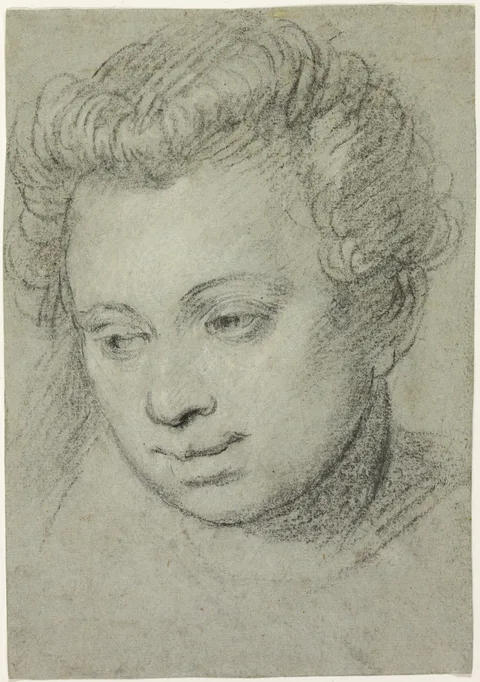
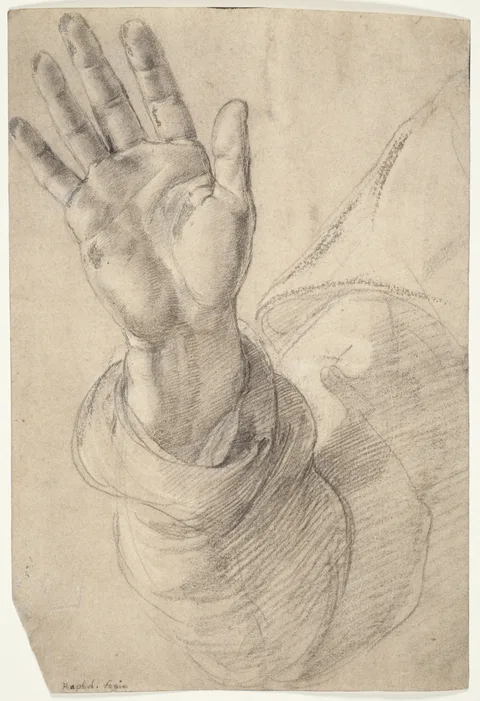
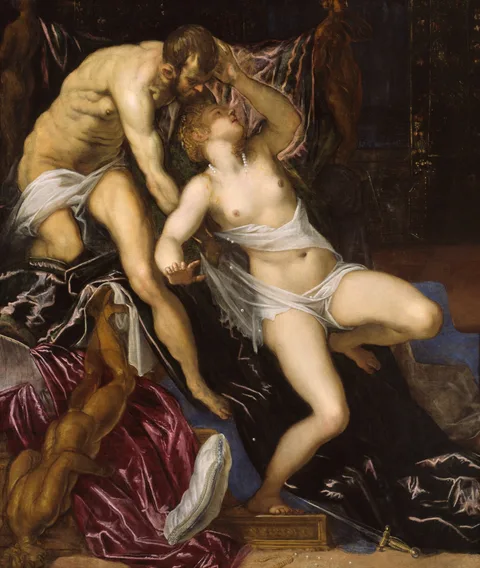
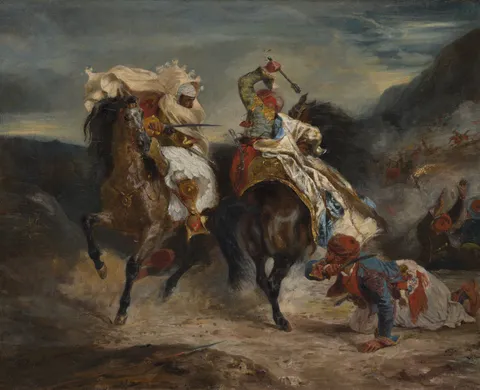
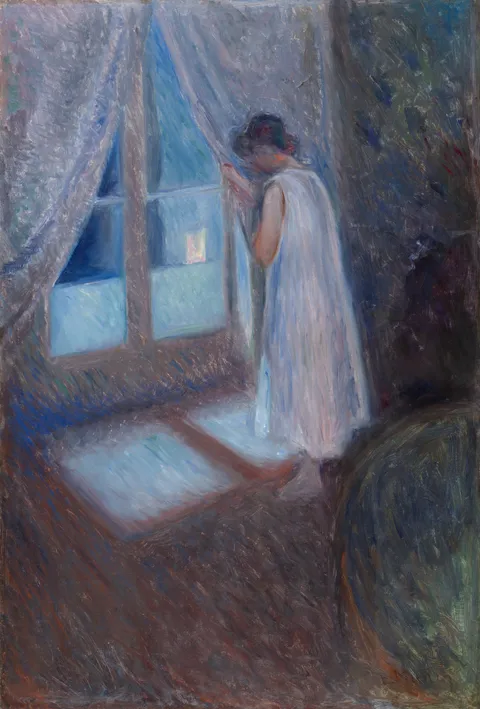
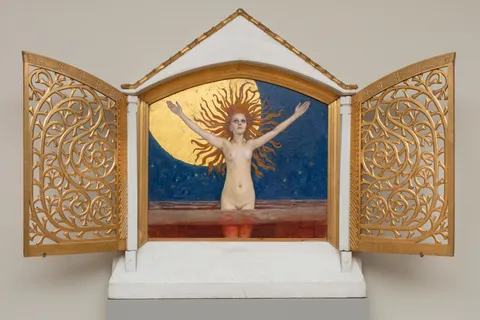
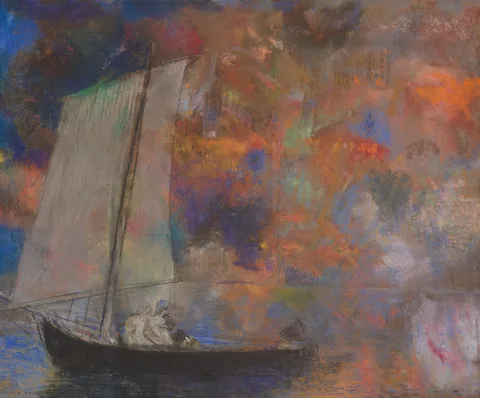
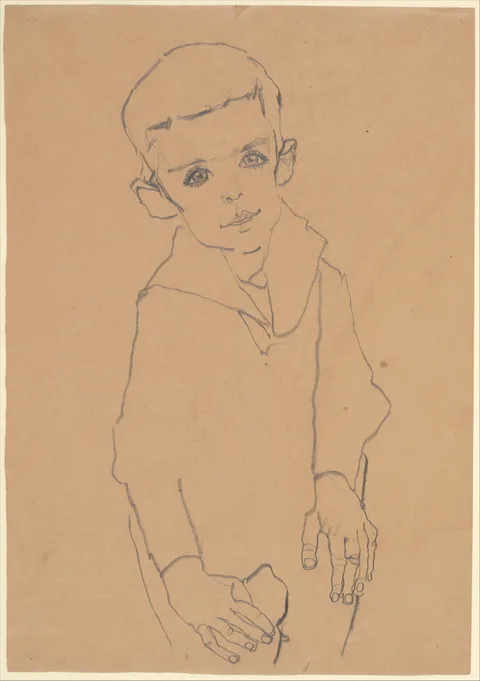
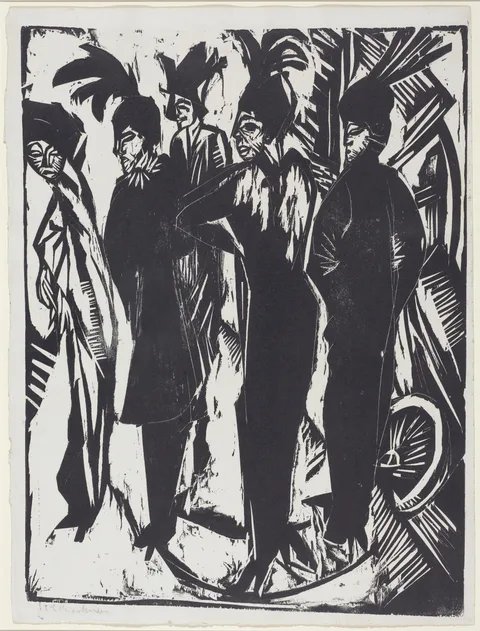
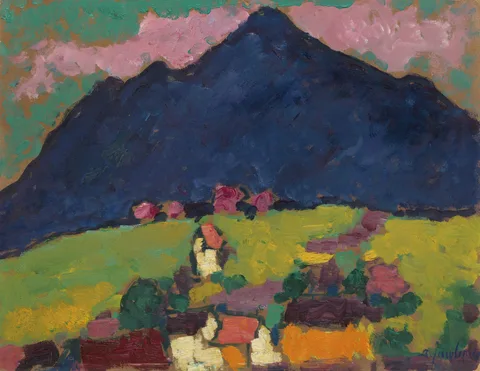
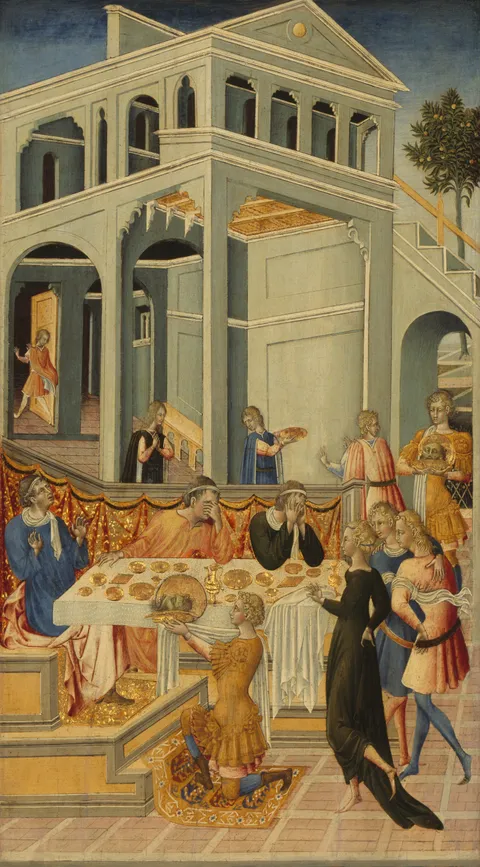
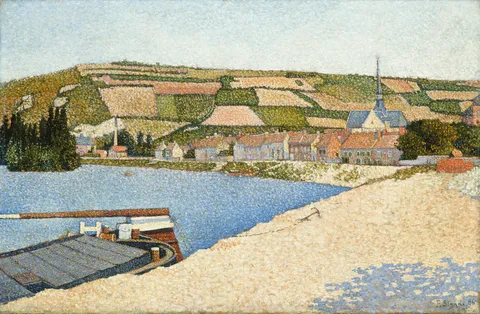
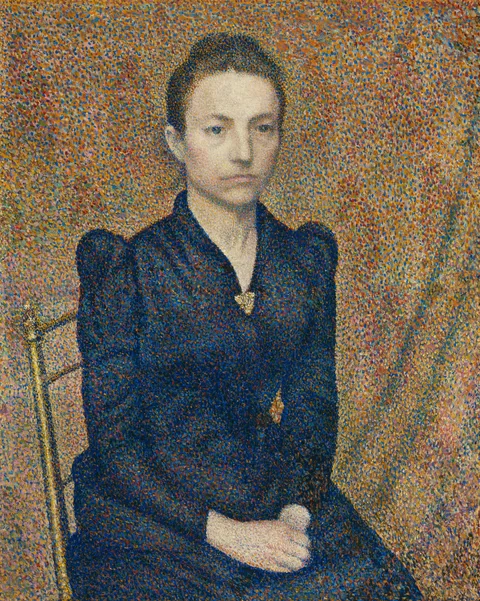
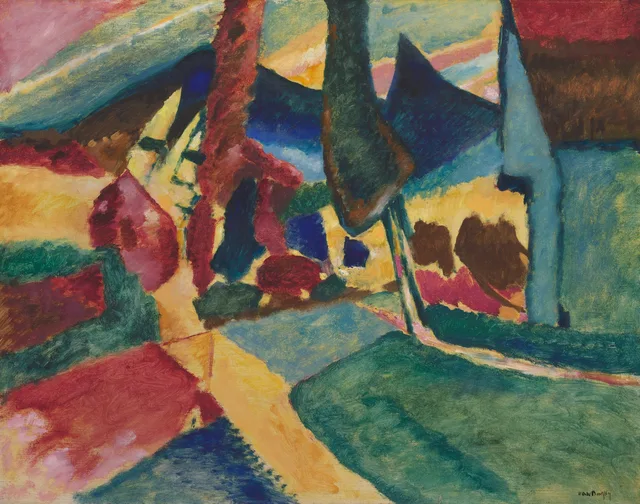
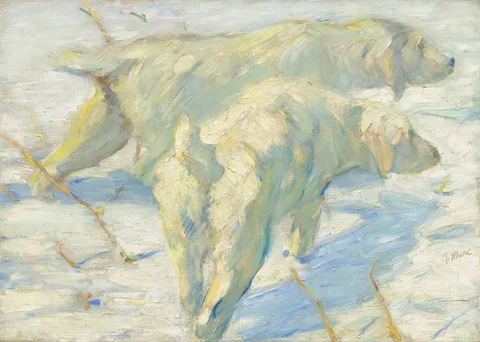
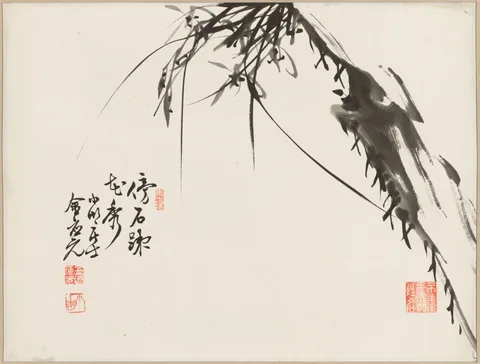
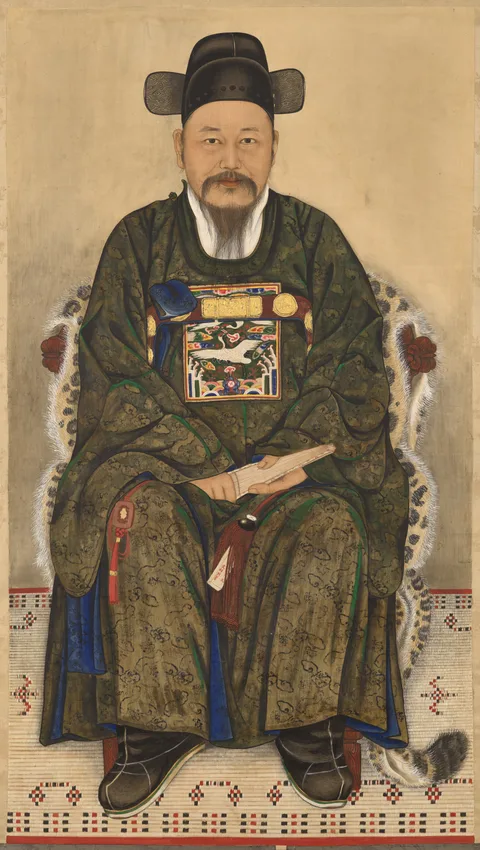
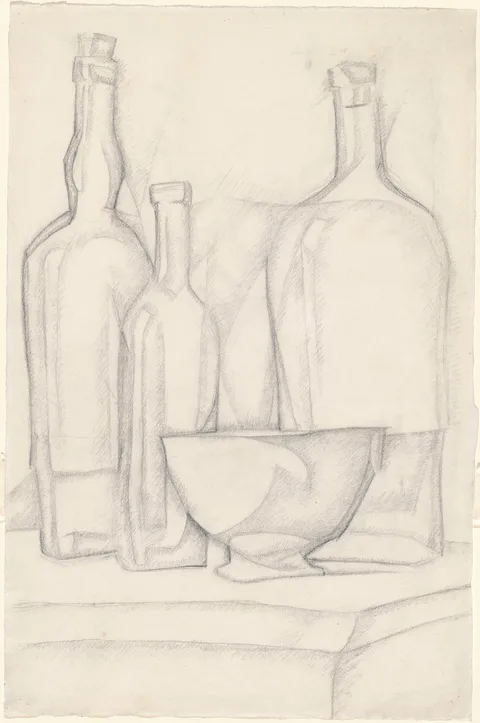
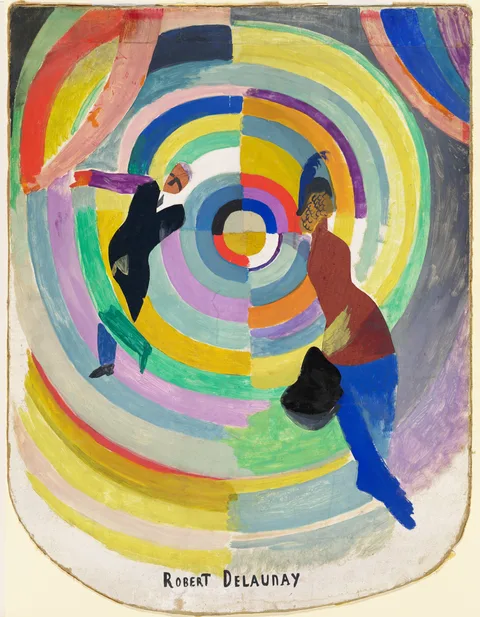
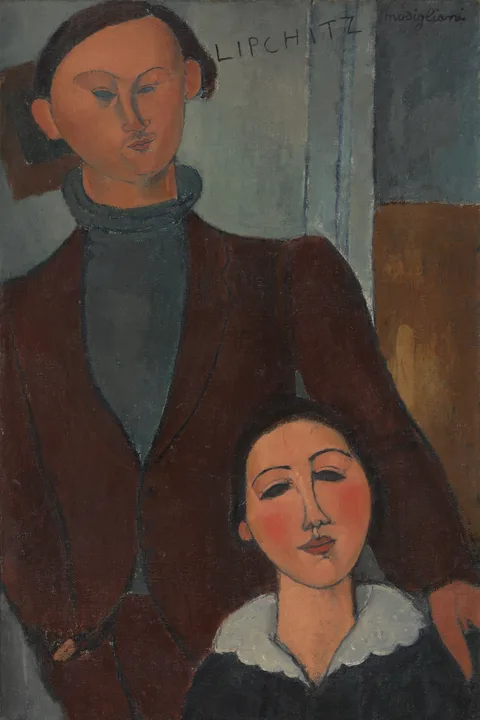
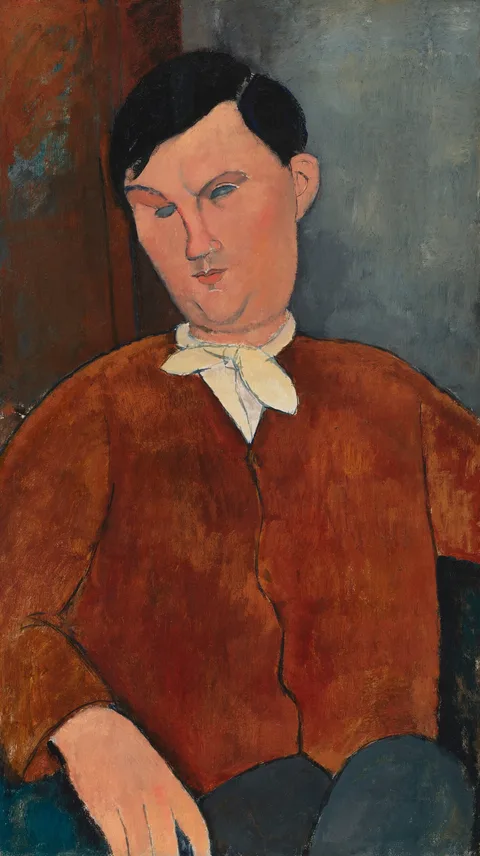
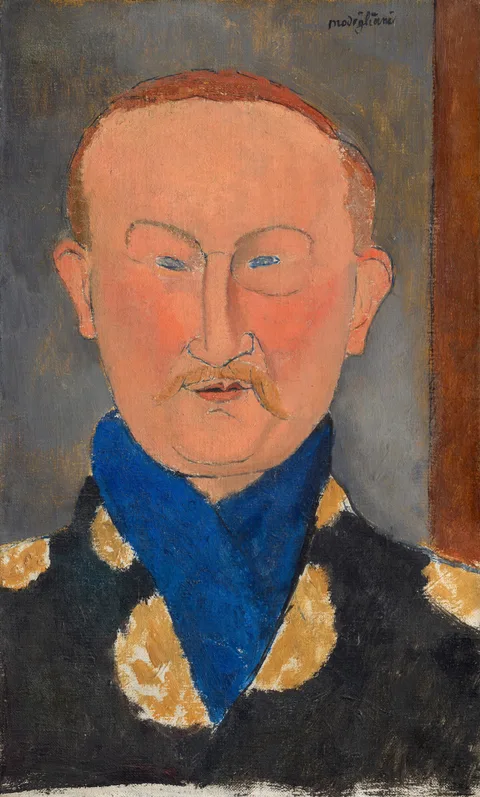
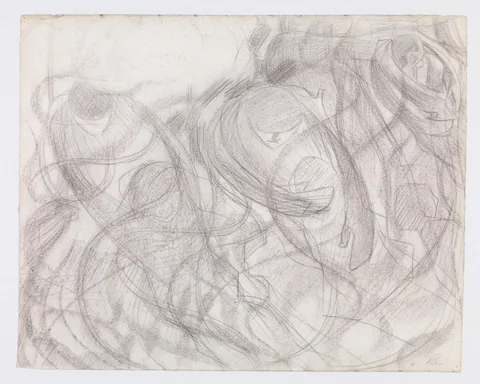
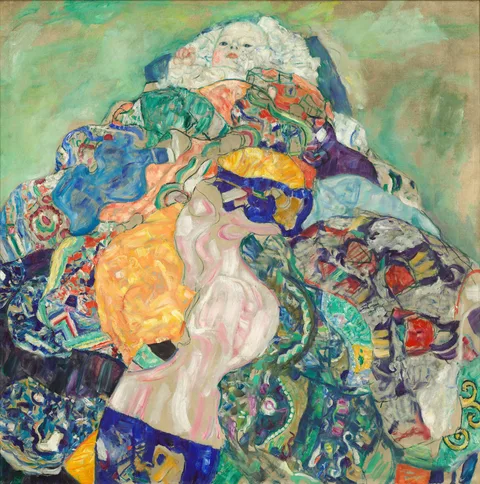
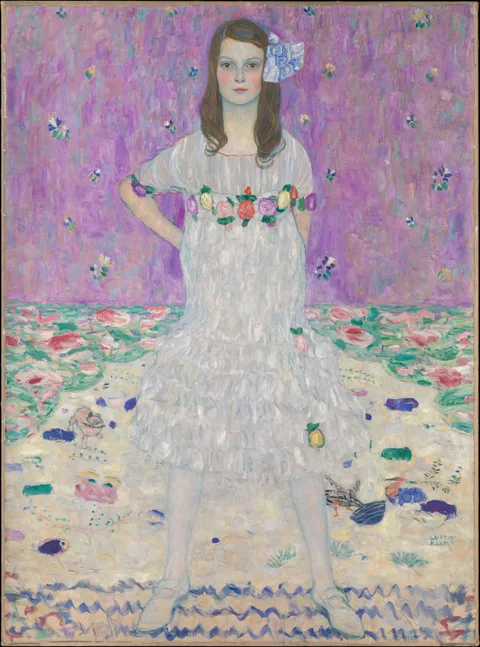
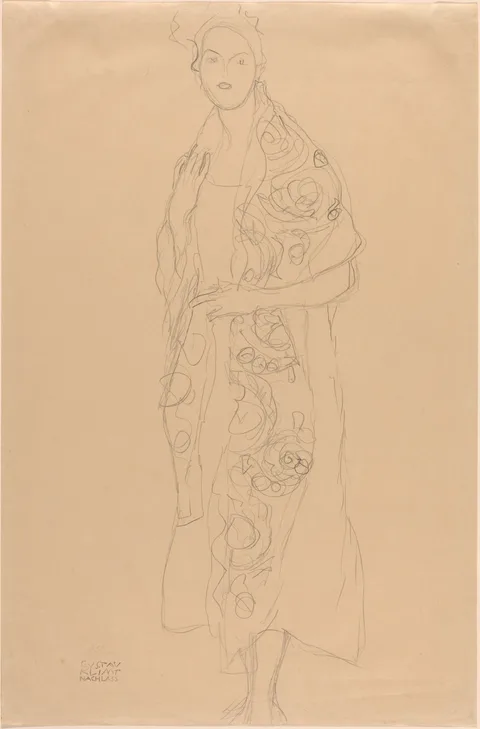
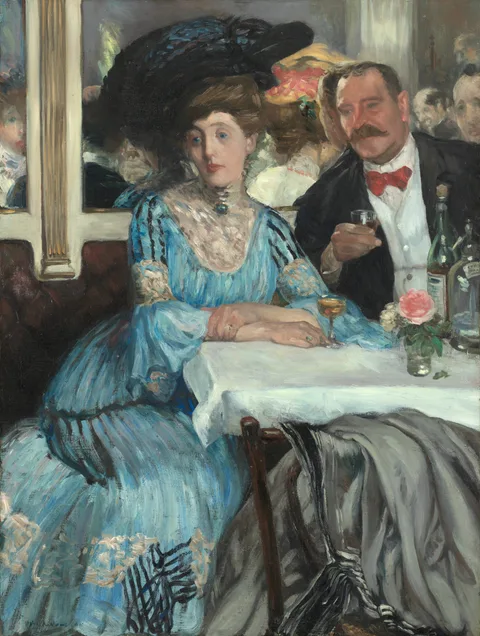
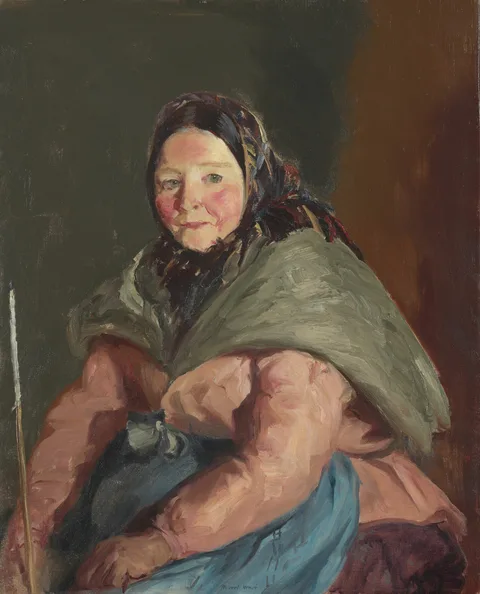
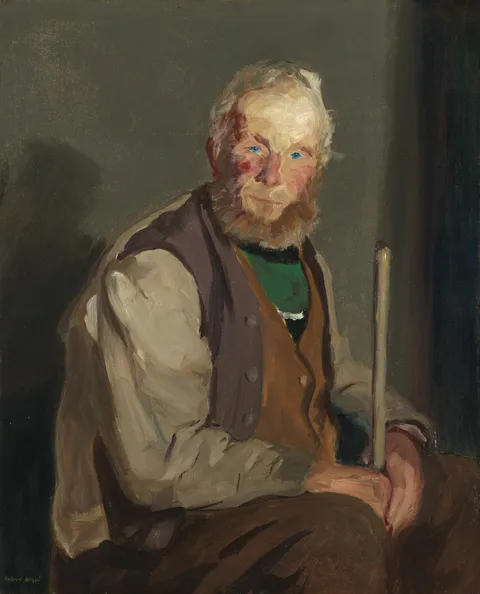
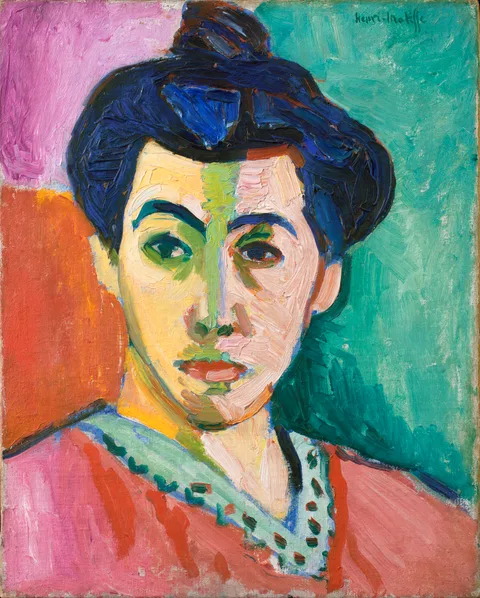
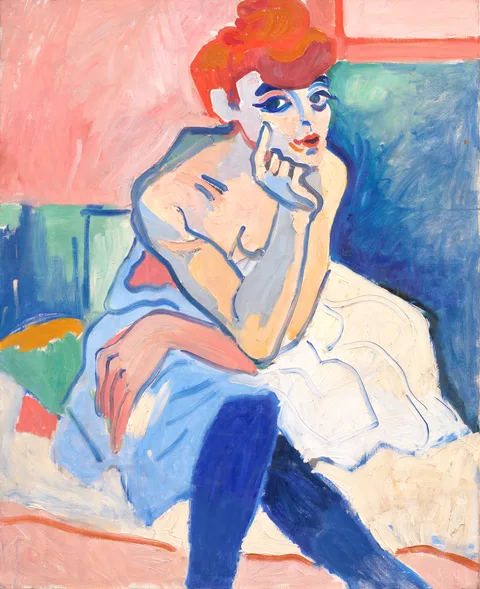
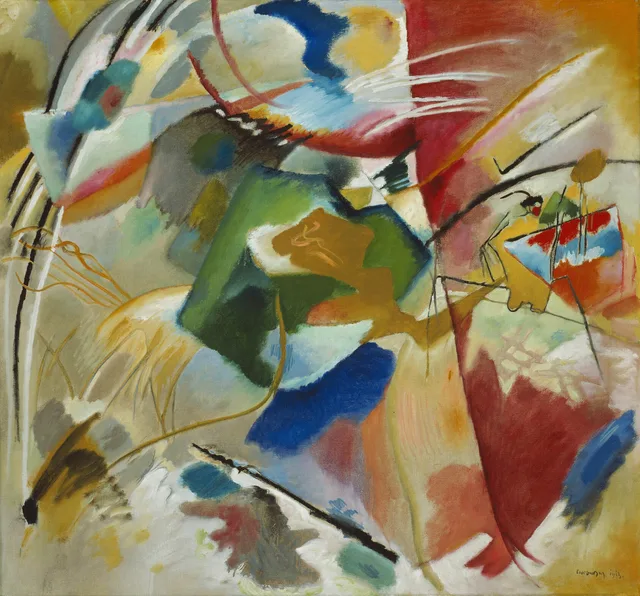
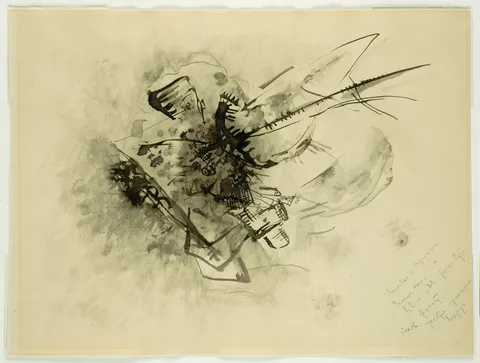
In the later 1700s artists turned back to ancient Greece and Rome, and to painters such as Raphael and Poussin, for noble, clear forms. Excavations in Italy and a renewed belief that art should teach drove the change. In London, Reynolds spoke of the grand manner. The style lasted into the early 1800s. Clear contours, carefully arranged figures and sculptural forms often signal a Neoclassical interest in ancient art. Renewed study of Greek and Roman objects offered models for composition as well as stories about duty and public virtue. The same concern for line and structure could shape a portrait. Compare the controlled surface with the emotion of the subject: Neoclassicism and Romanticism overlapped in artists’ training and practice, rather than forming completely separate worlds. Connected places: Rome · Paris · London.
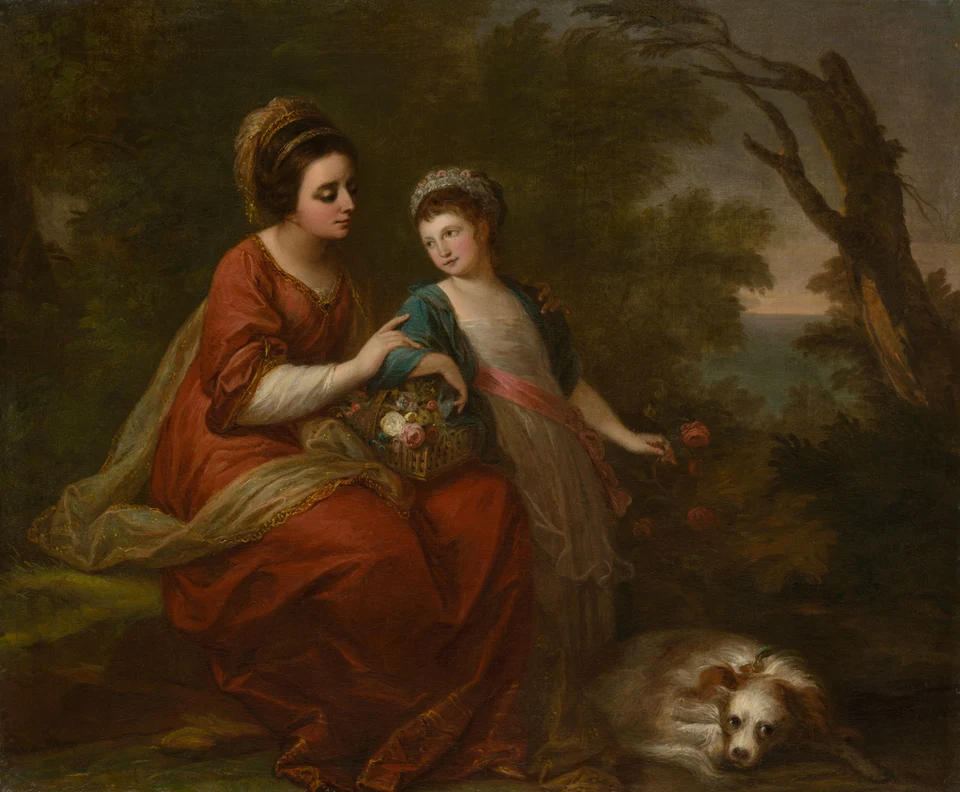 Mrs. Hugh Morgan and Her Daughter
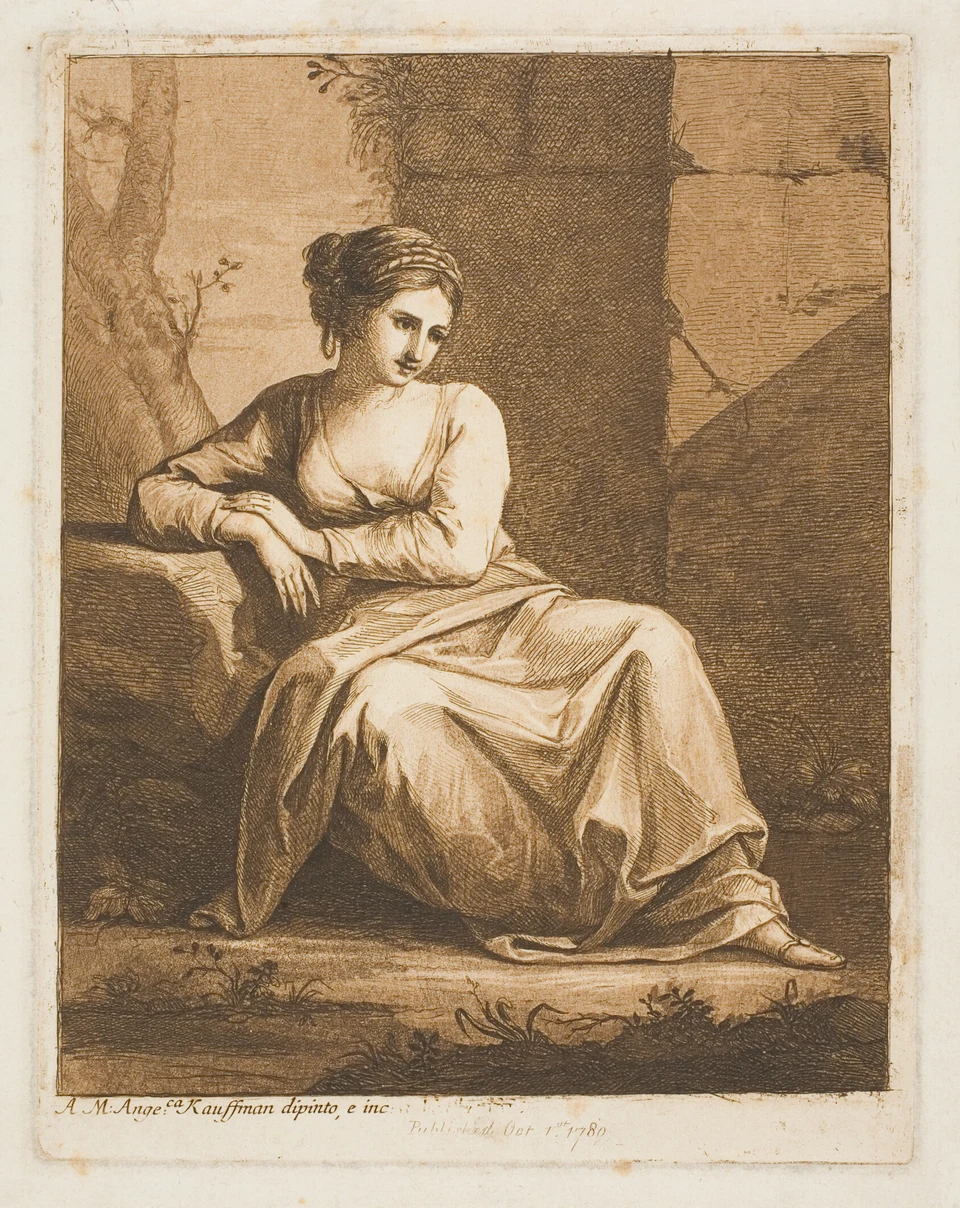 The Muse
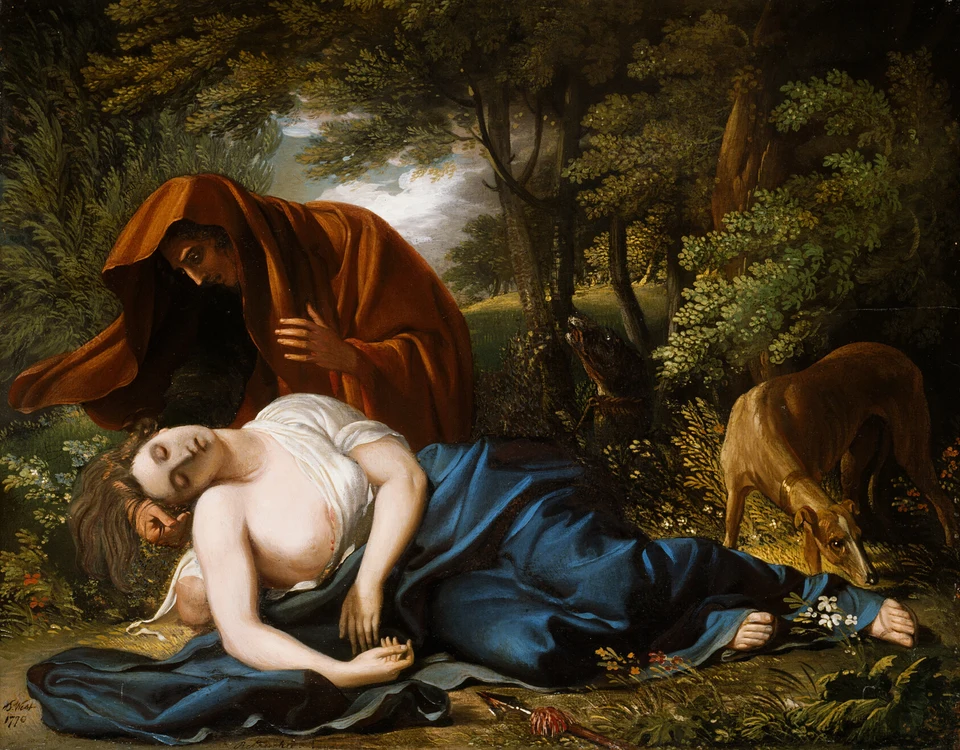 The Death of Procris
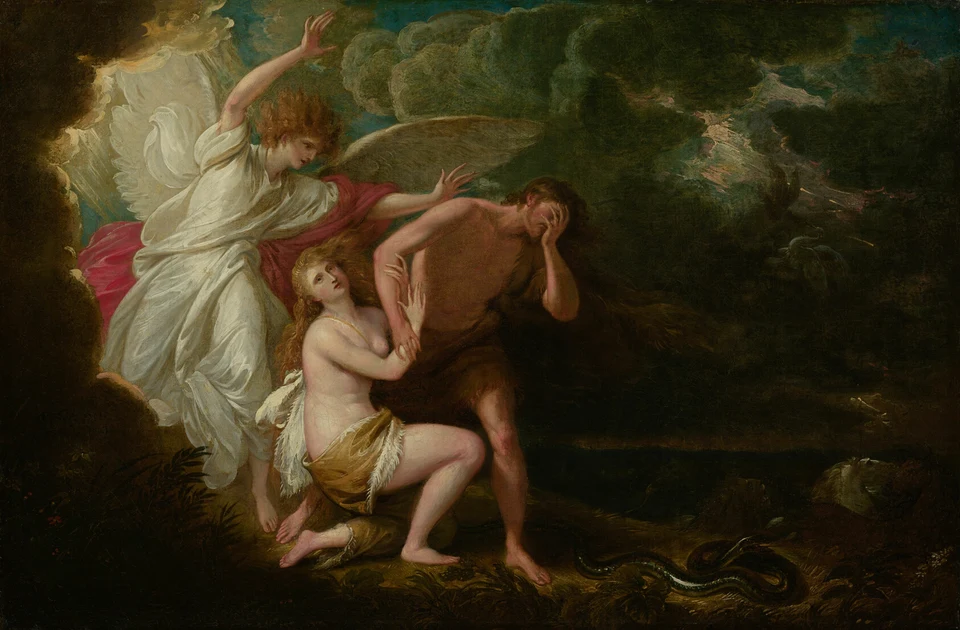 The Expulsion of Adam and Eve from Paradise
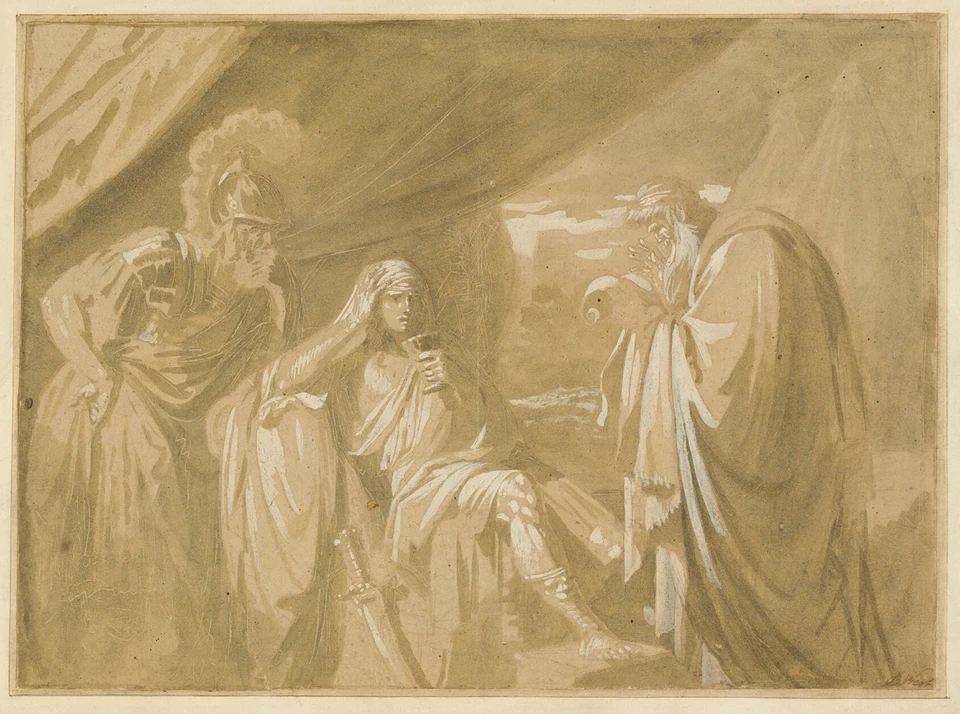 Alexander's Confidence with his Physician Philip
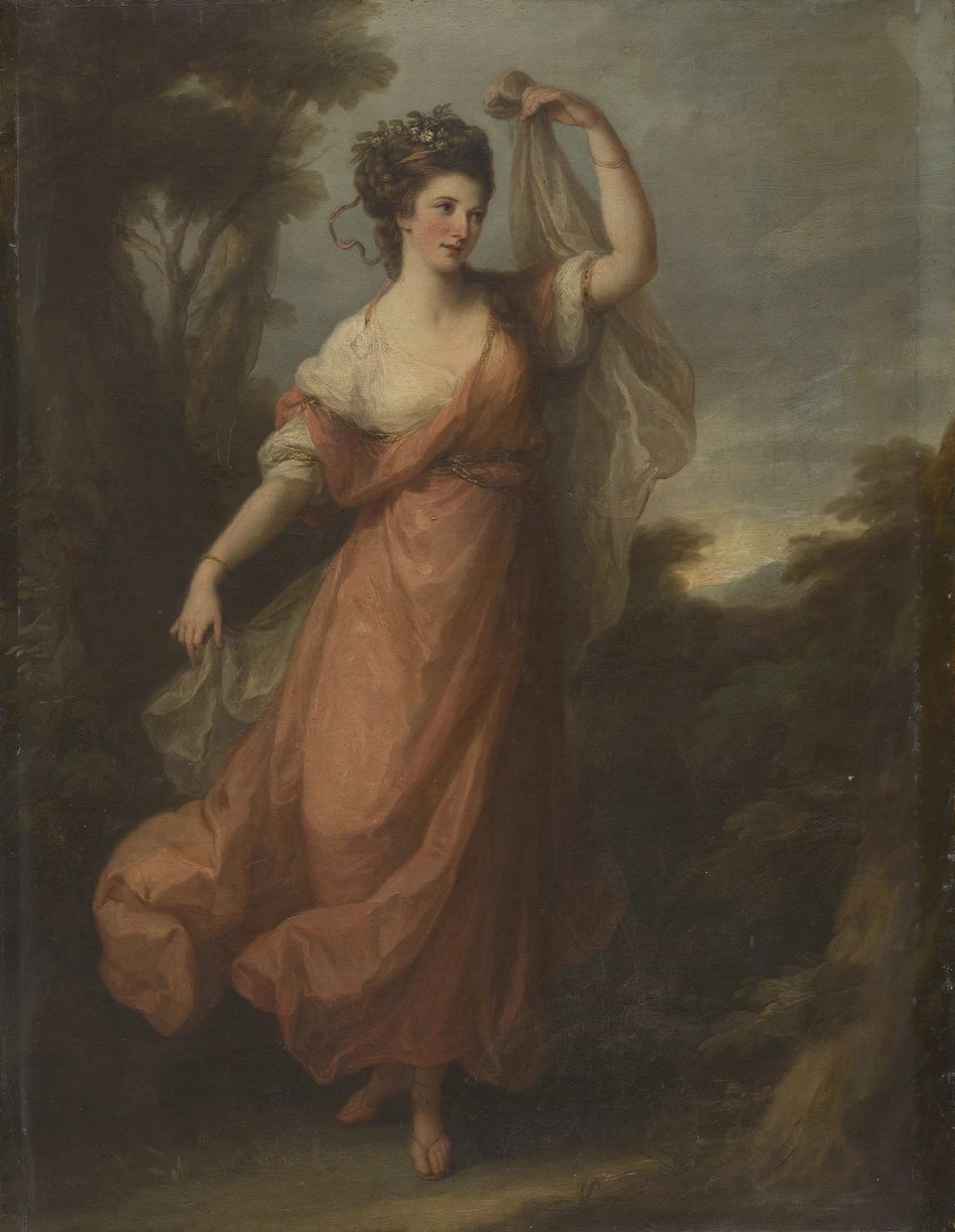 A Dancing Young Woman as Terpsichore
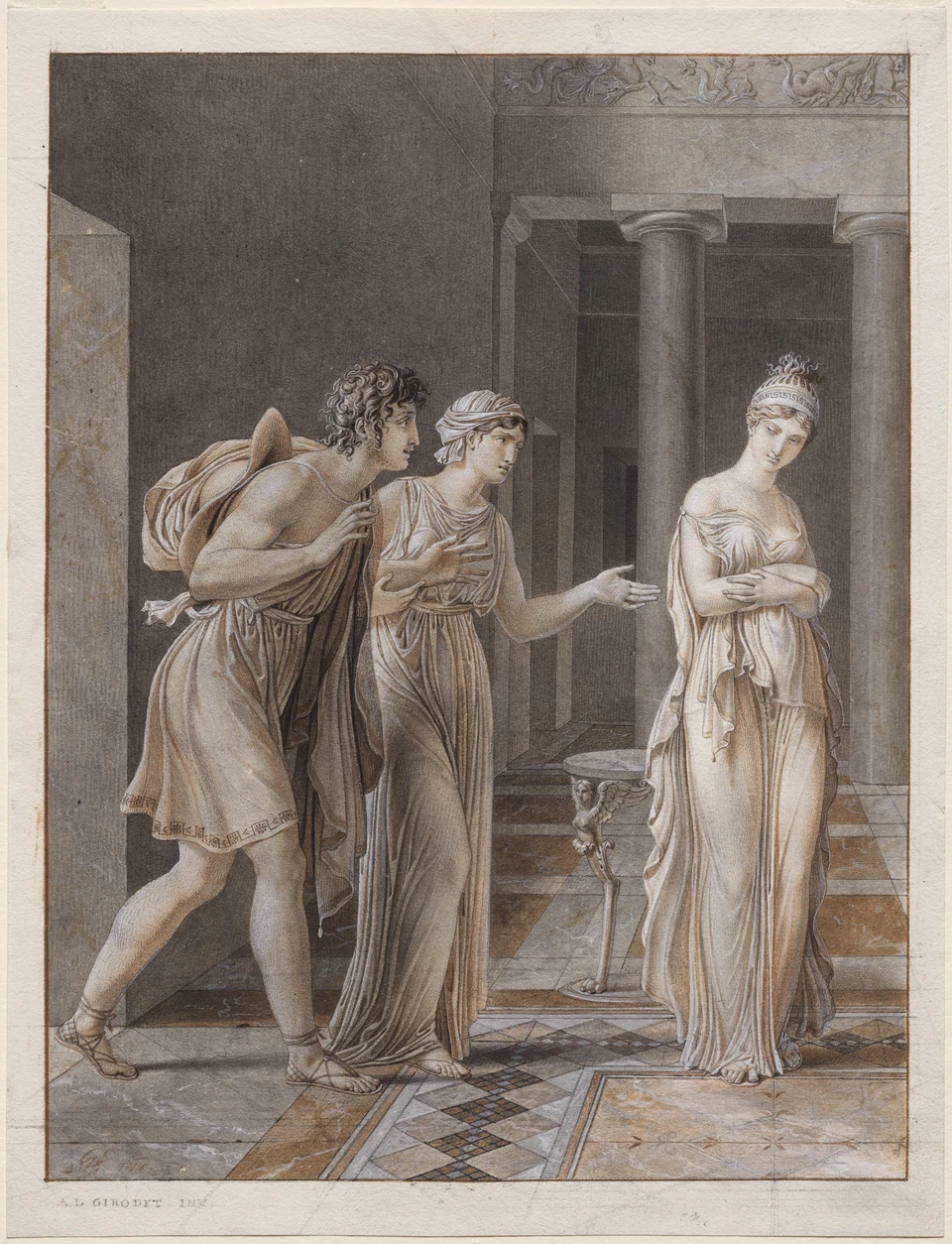 The Meeting of Orestes and Hermione
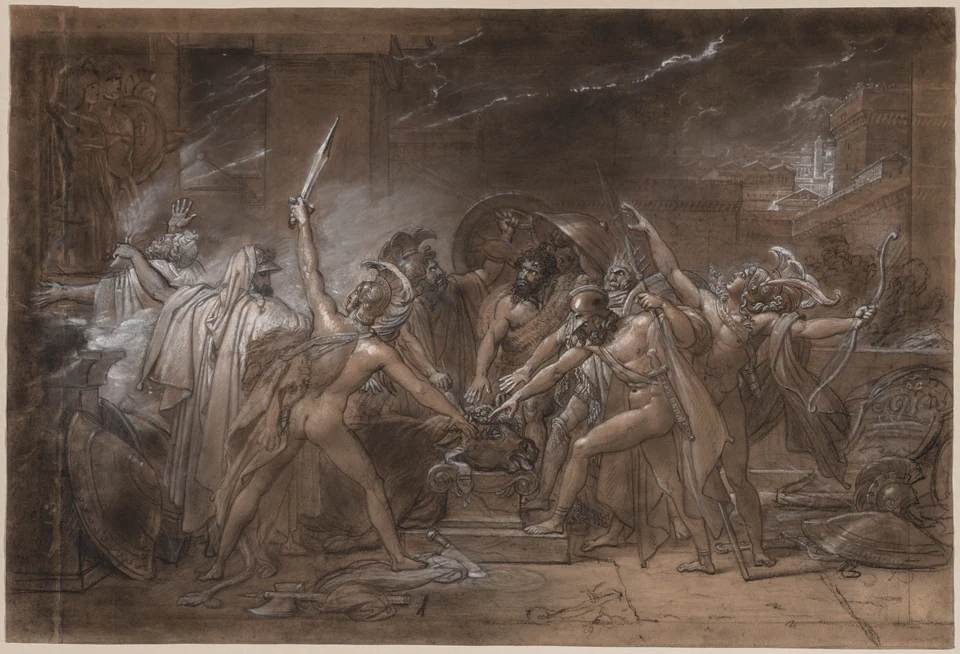 The Oath of the Seven Chiefs against Thebes
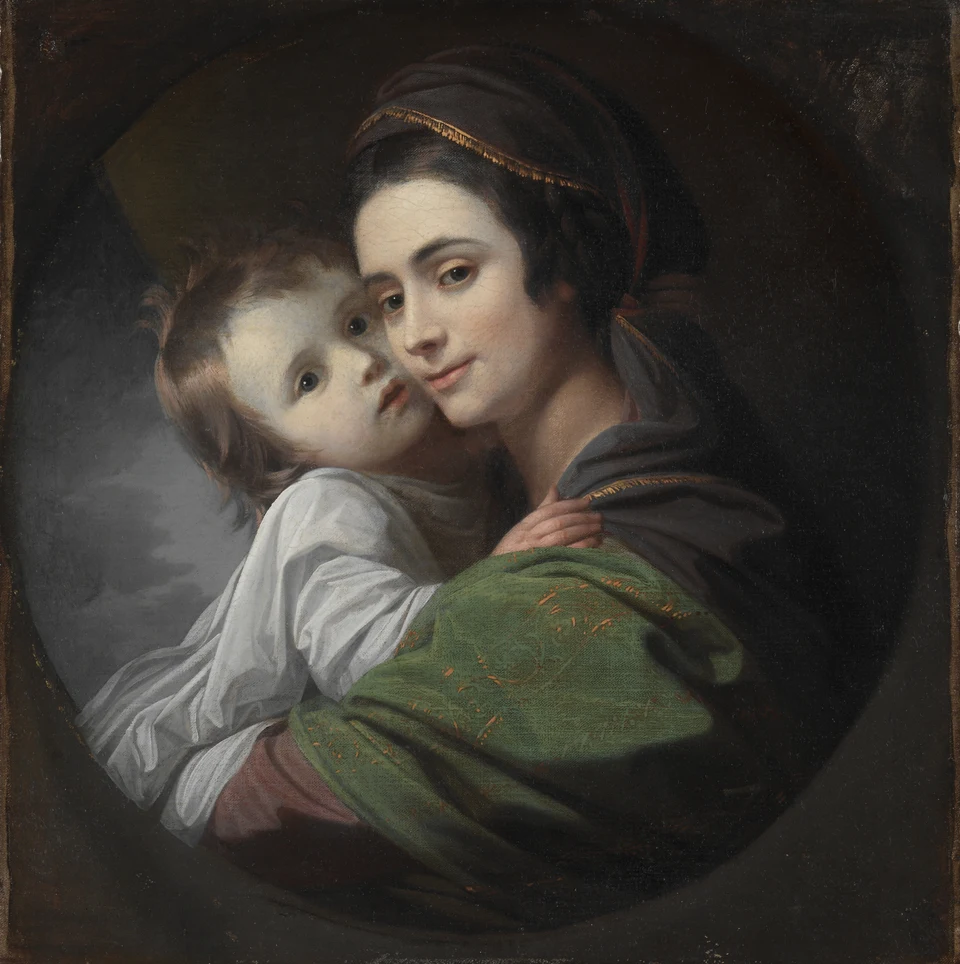 Elizabeth Shewell West and Her Son, Raphael
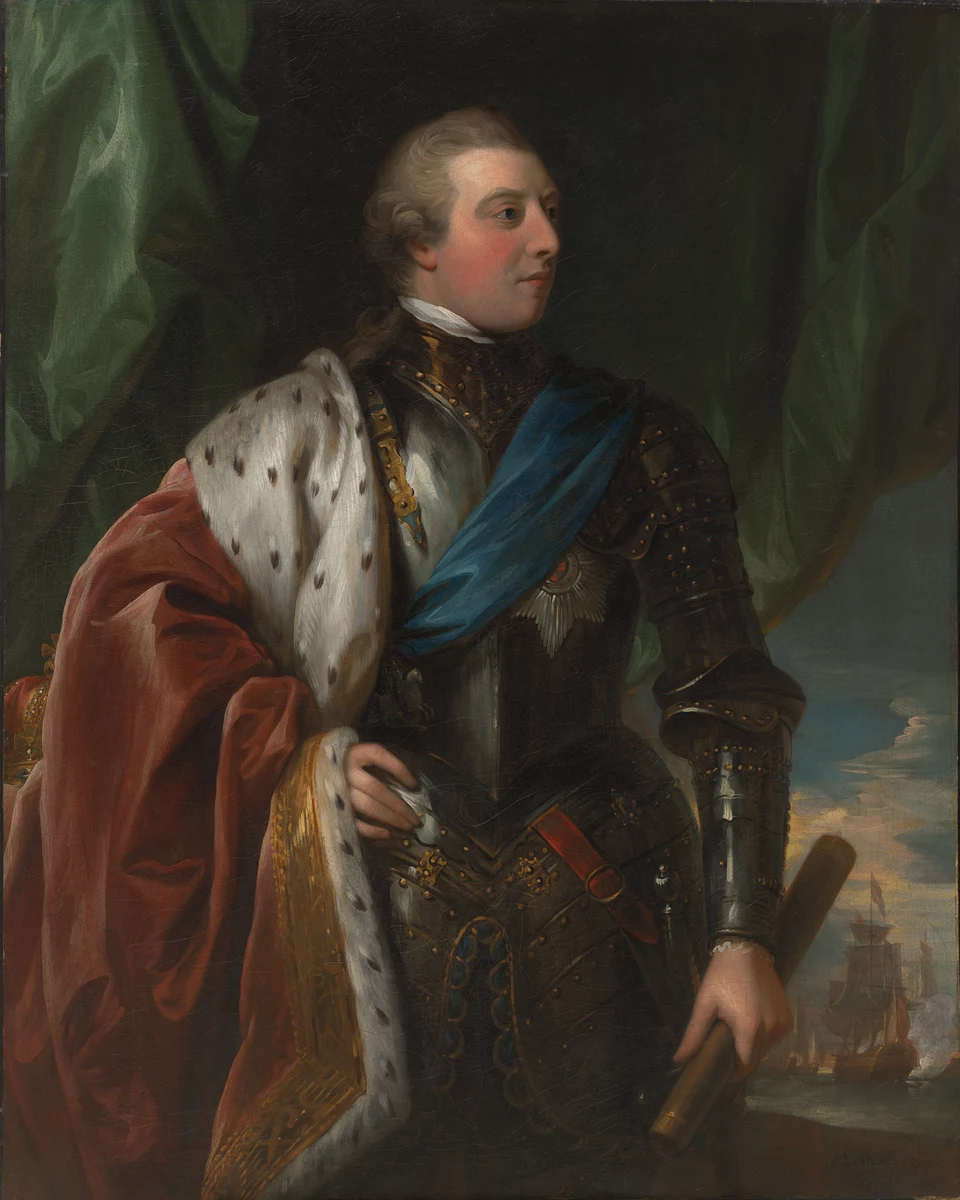 George III
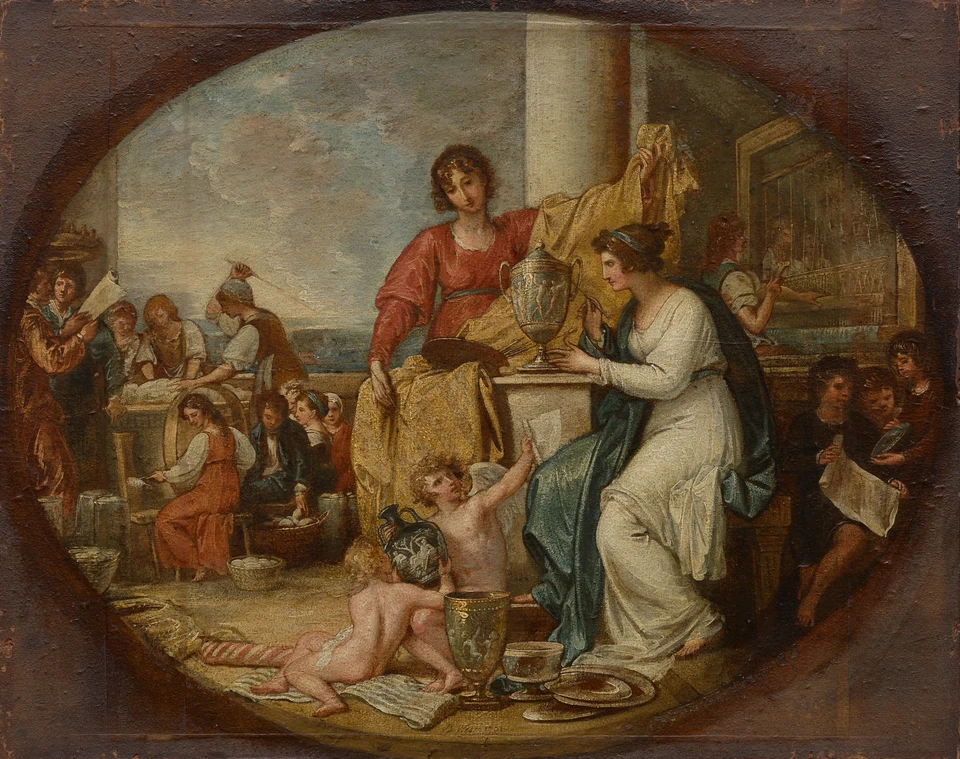 British Manufactory; A Sketch
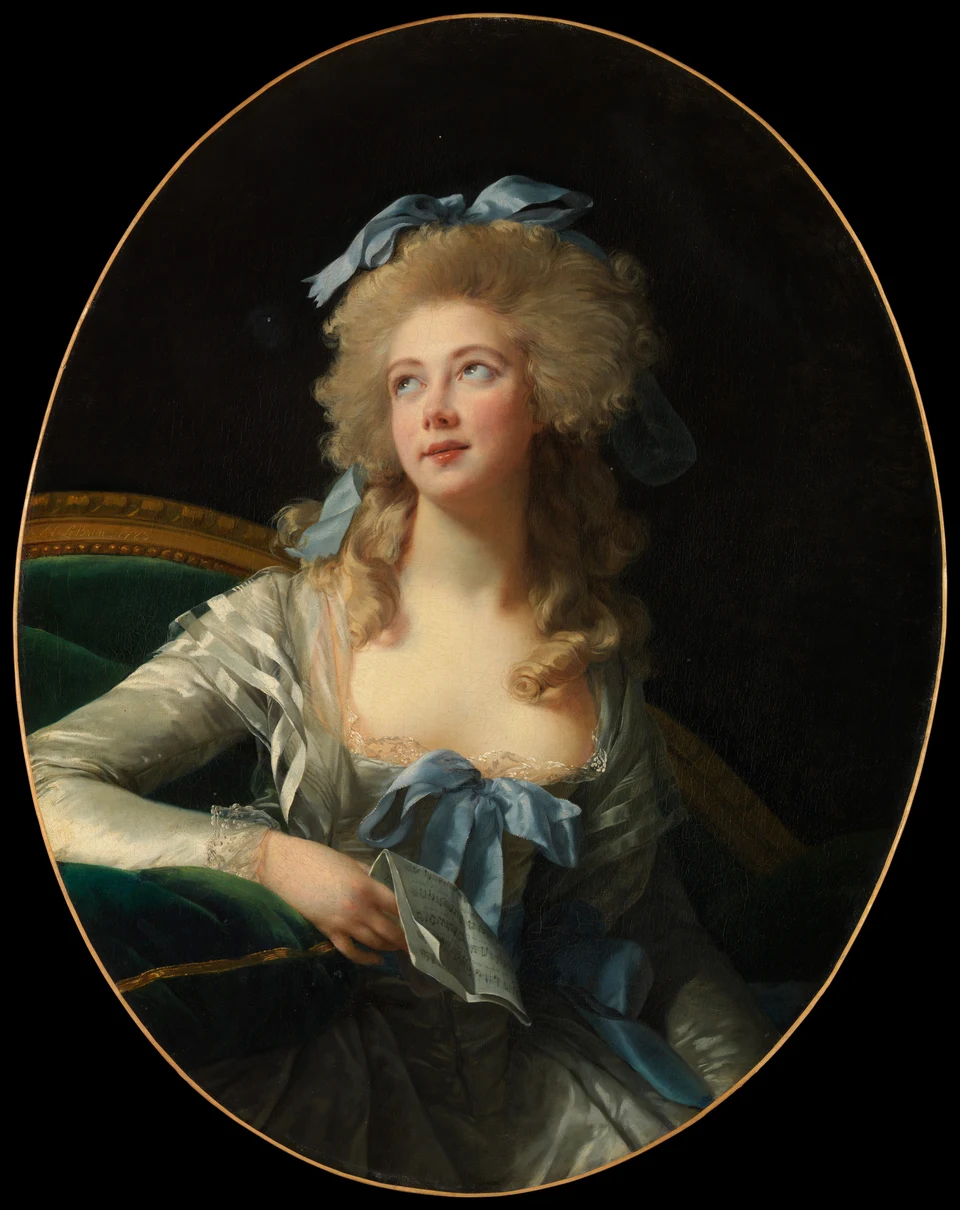 Madame Grand (Noël Catherine Vorlée, 1761–1835)
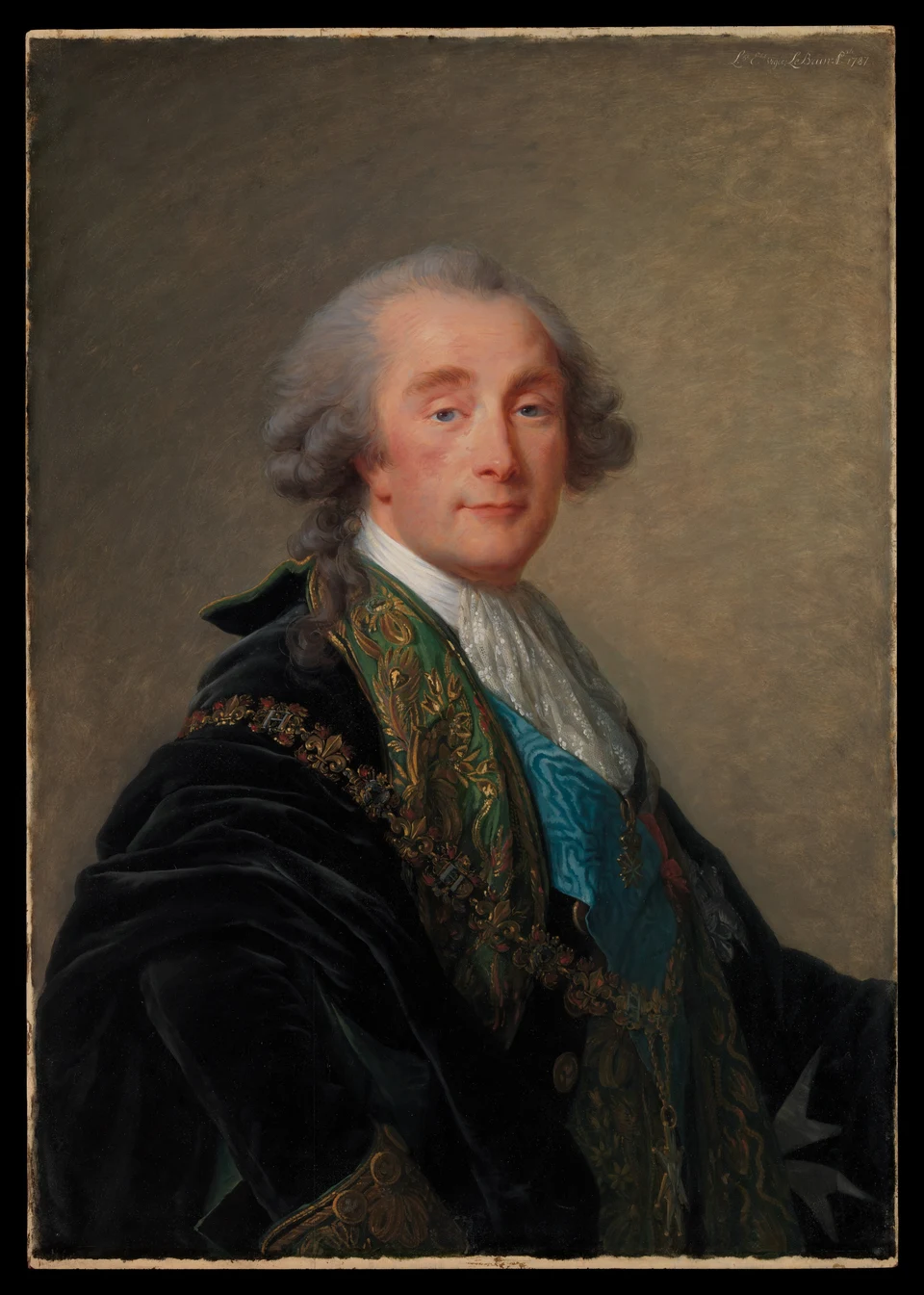 Alexandre Charles Emmanuel de Crussol-Florensac (1743–1815)
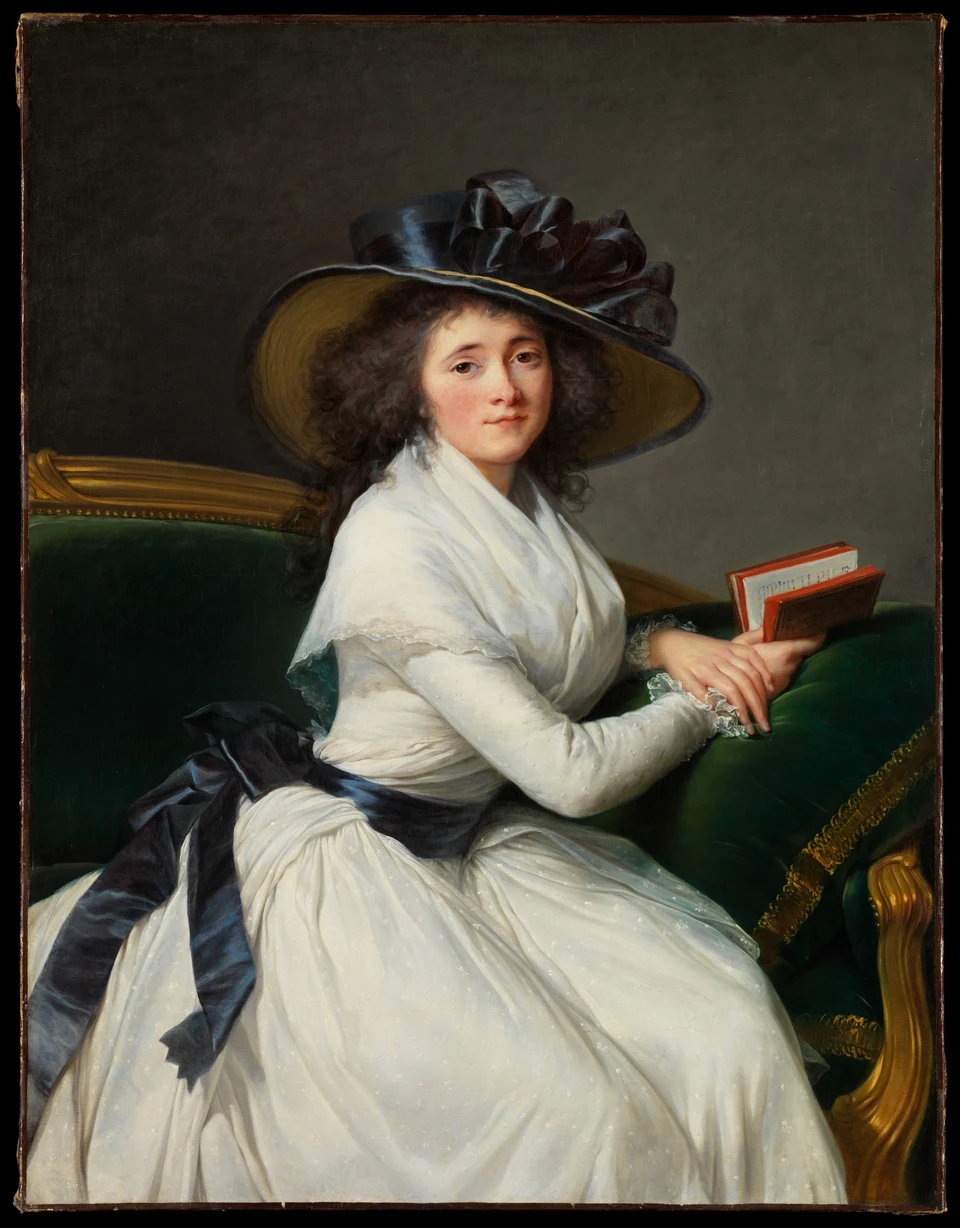 Comtesse de la Châtre (Marie Charlotte Louise Perrette Aglaé Bontemps, 1762–1848)
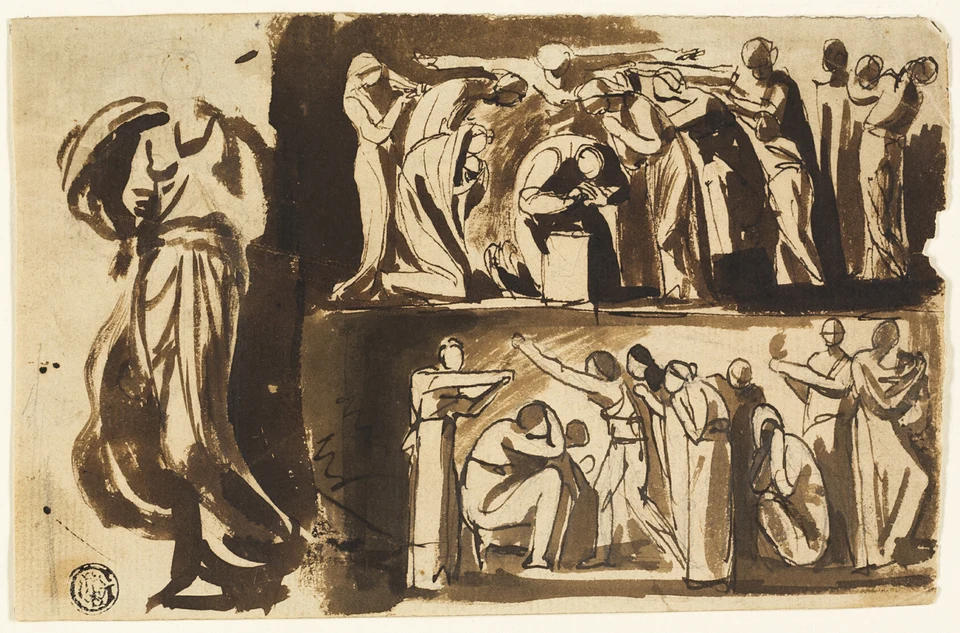 Figure Studies
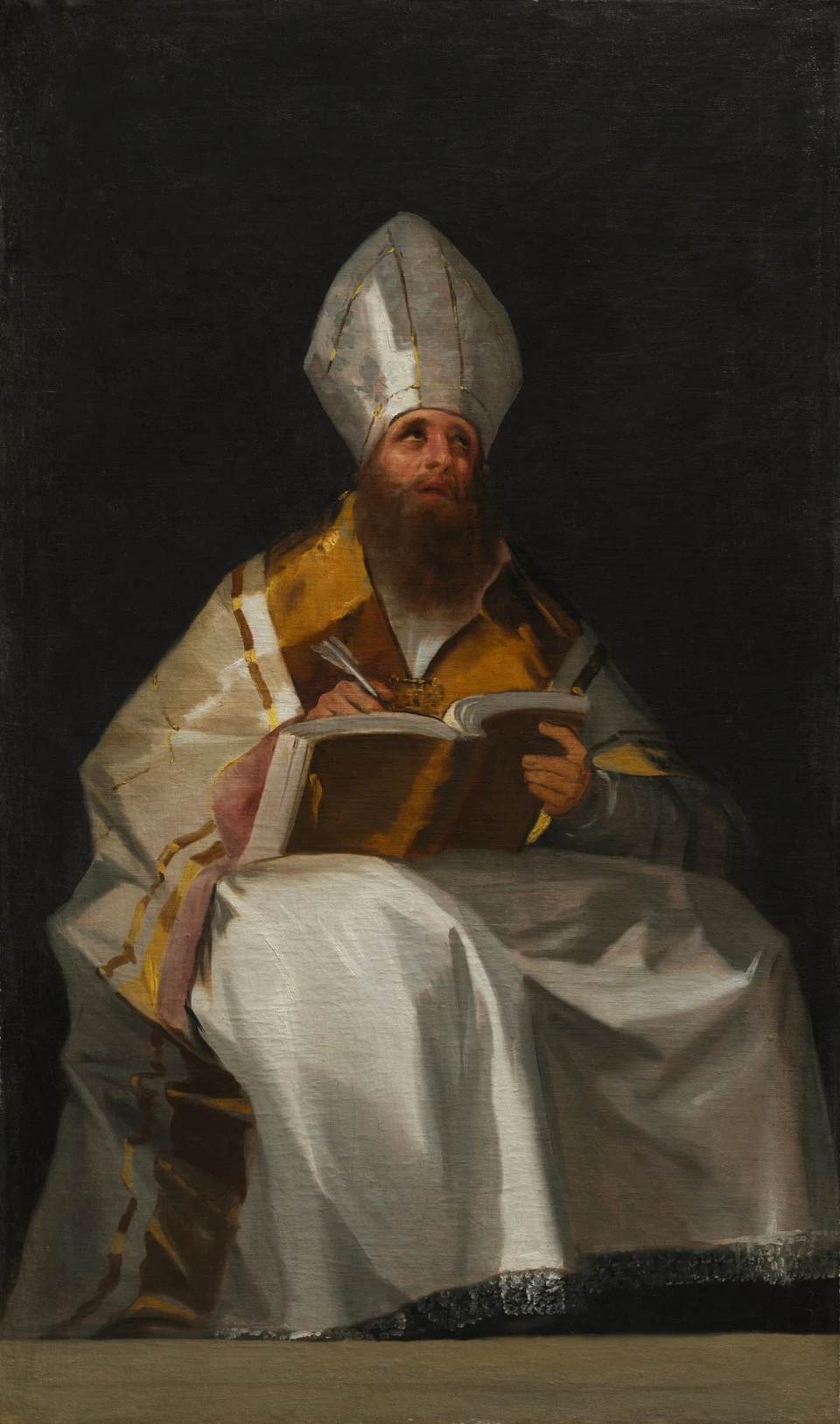 Saint Ambrose
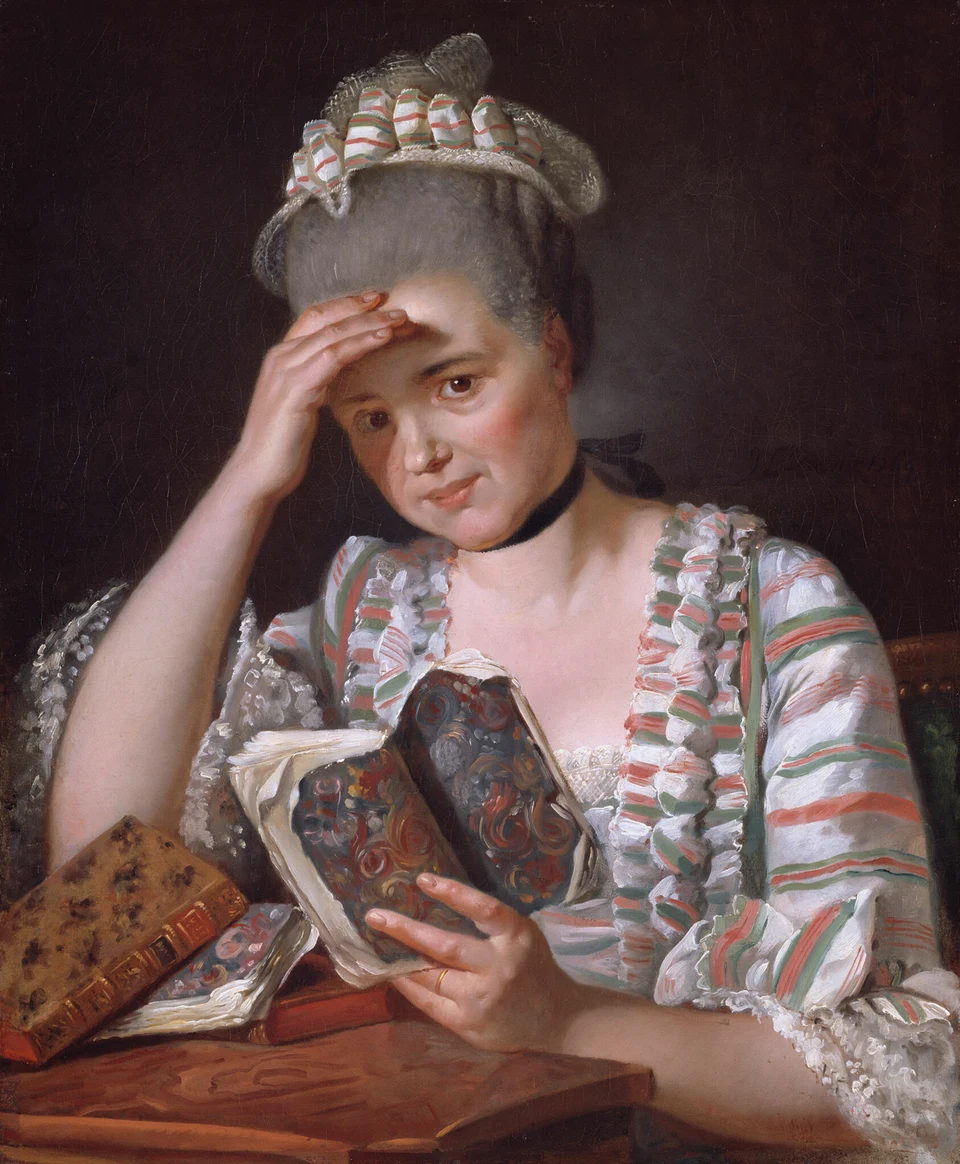 Madame François Buron
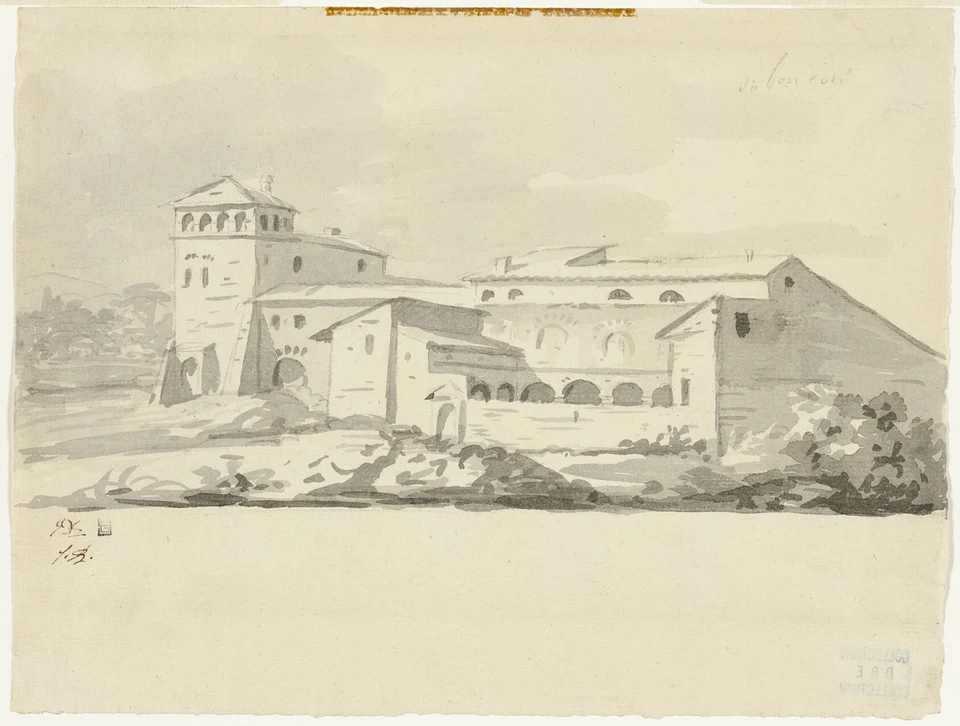 Villa in the Campagna
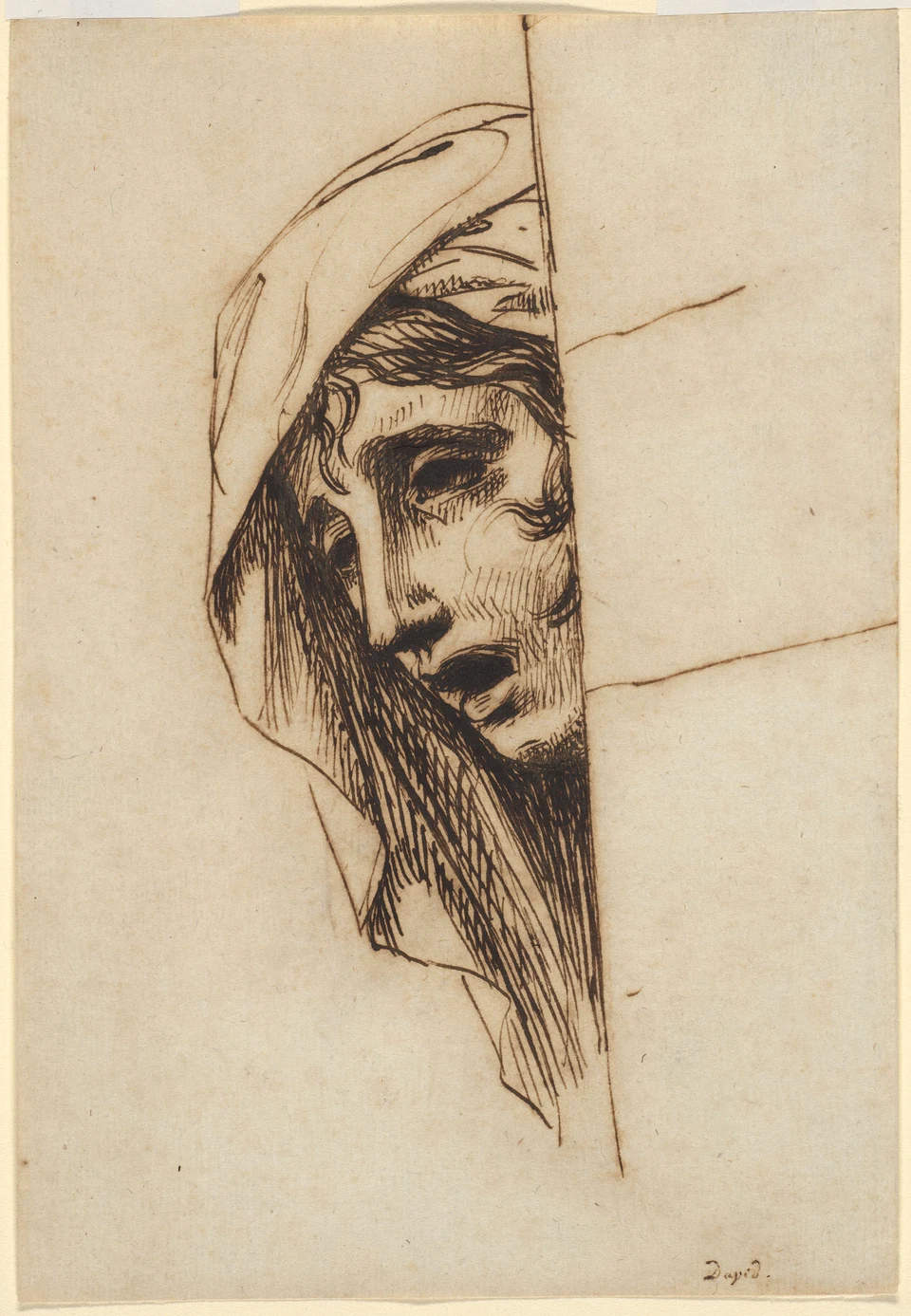 Head of a Woman
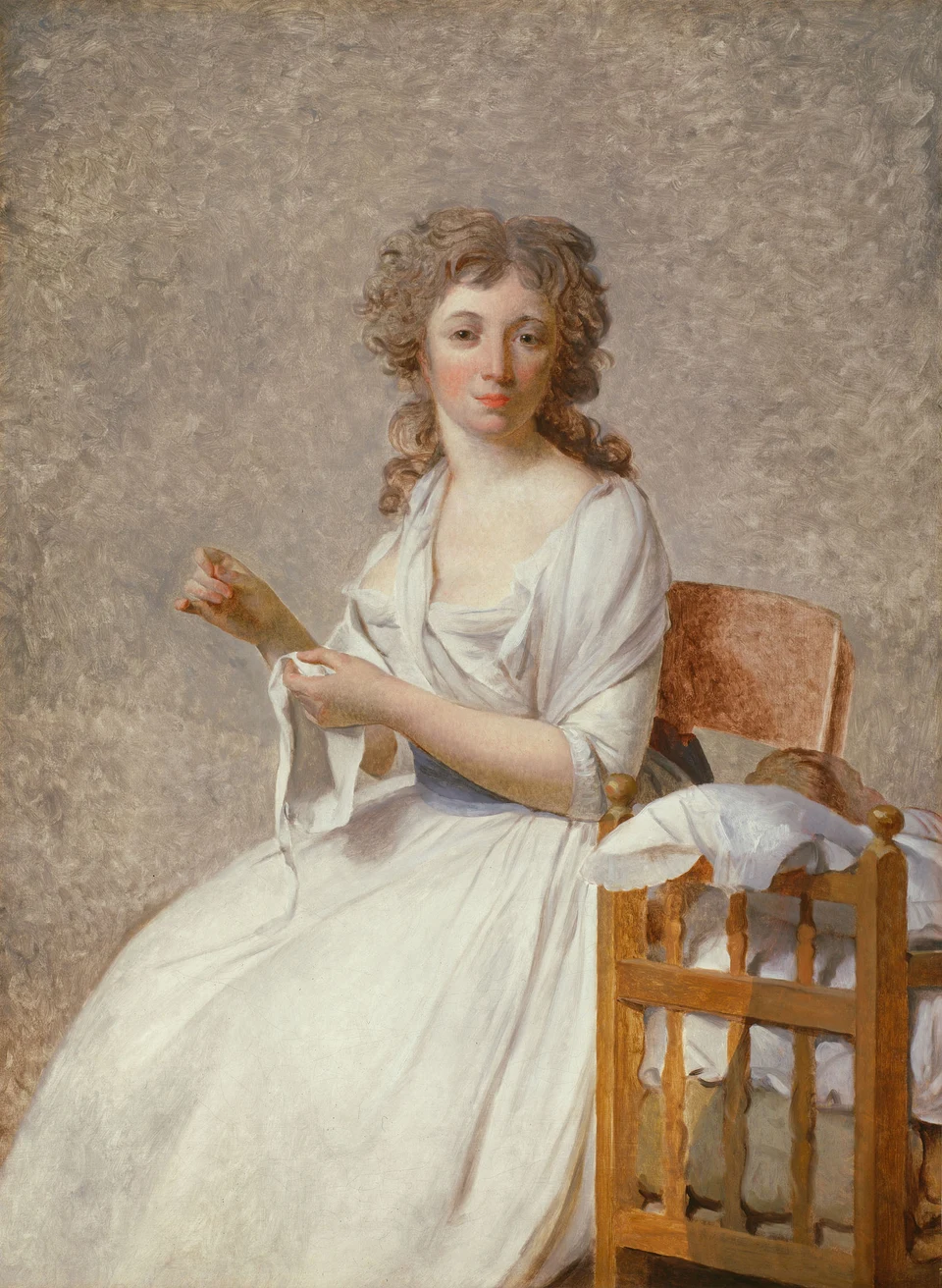 Madame de Pastoret and Her Son
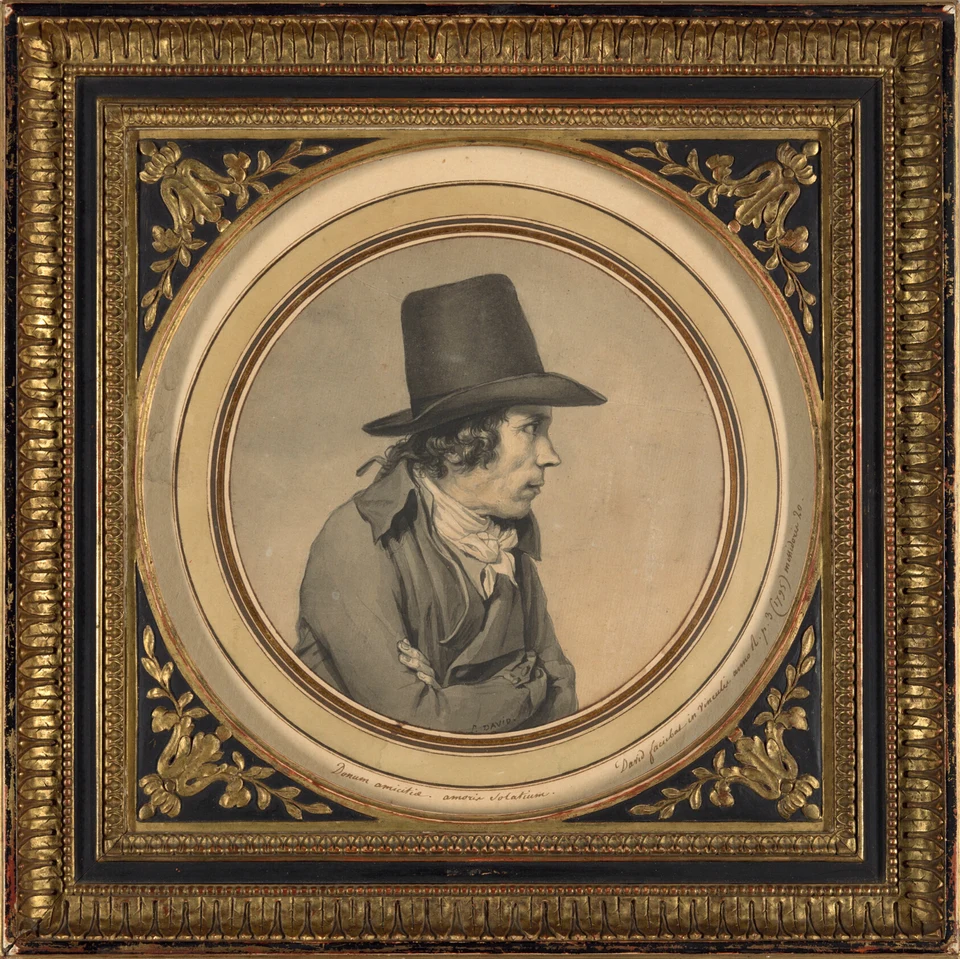 Portrait of Jeanbon Saint-André
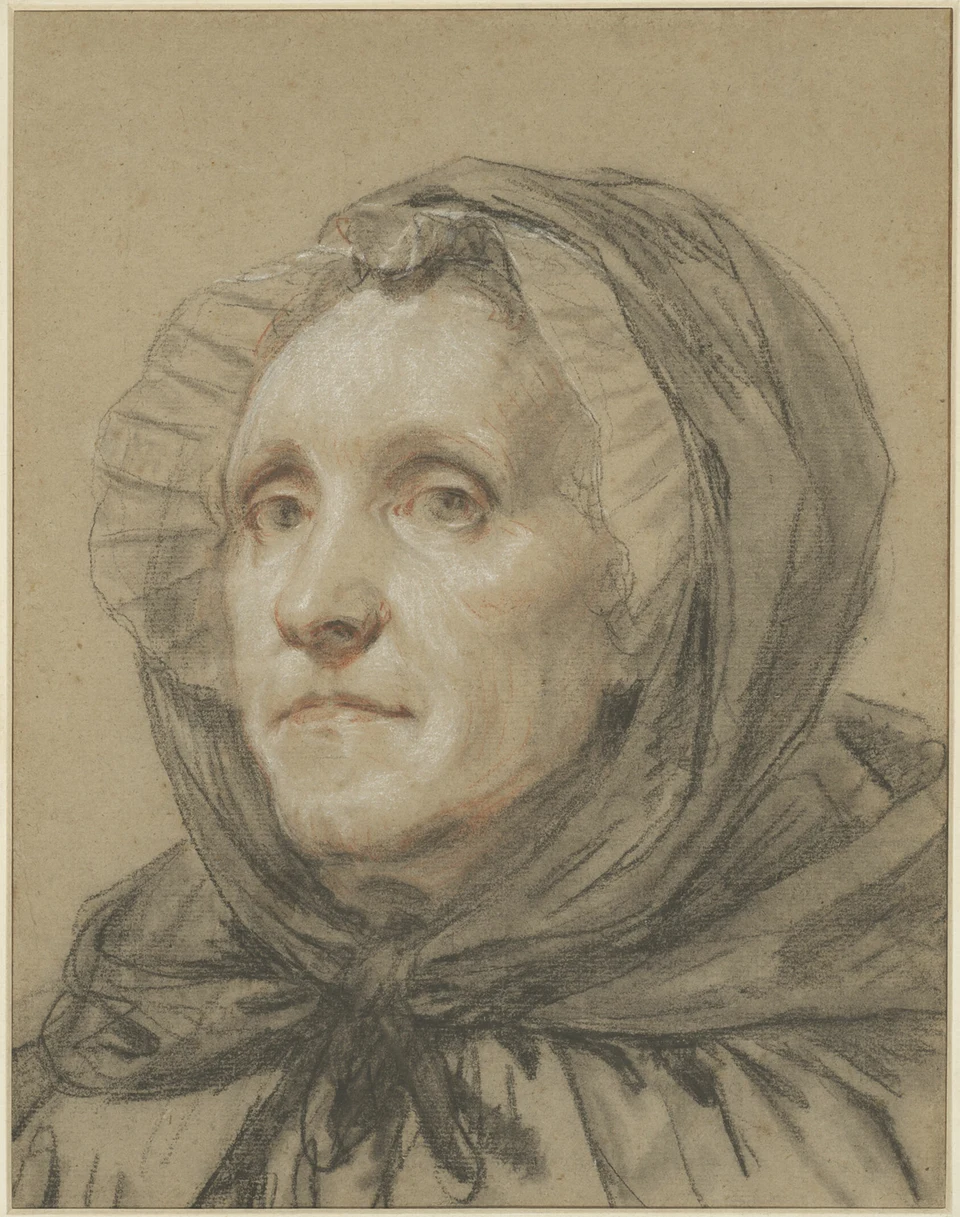 Portrait of the Artist's Mother
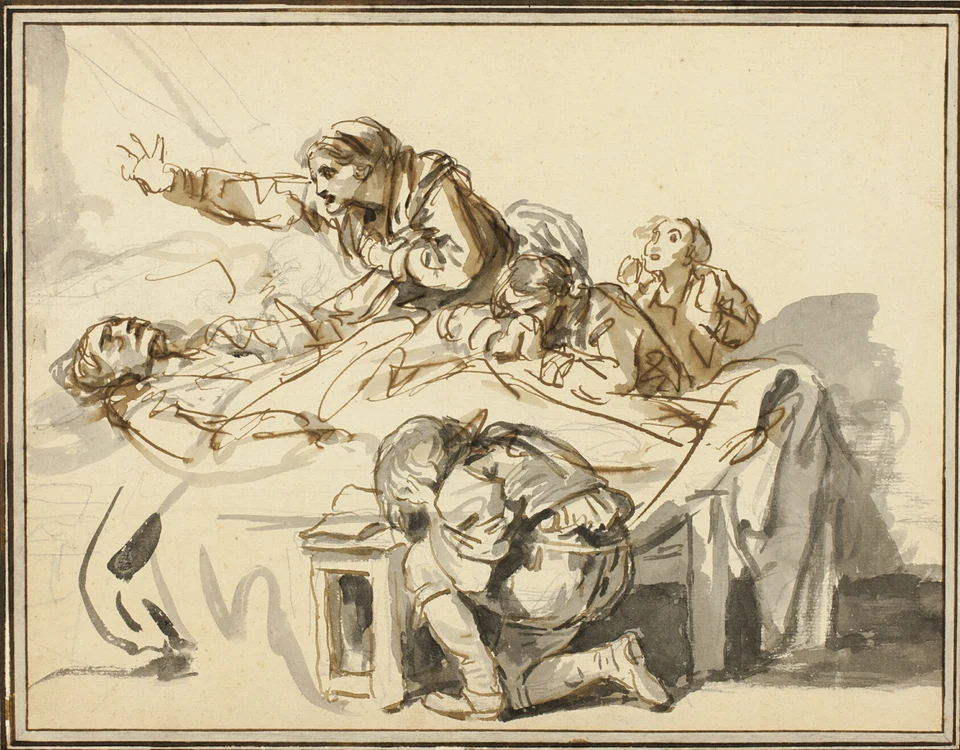 Women and Children Mourning a Dead Man
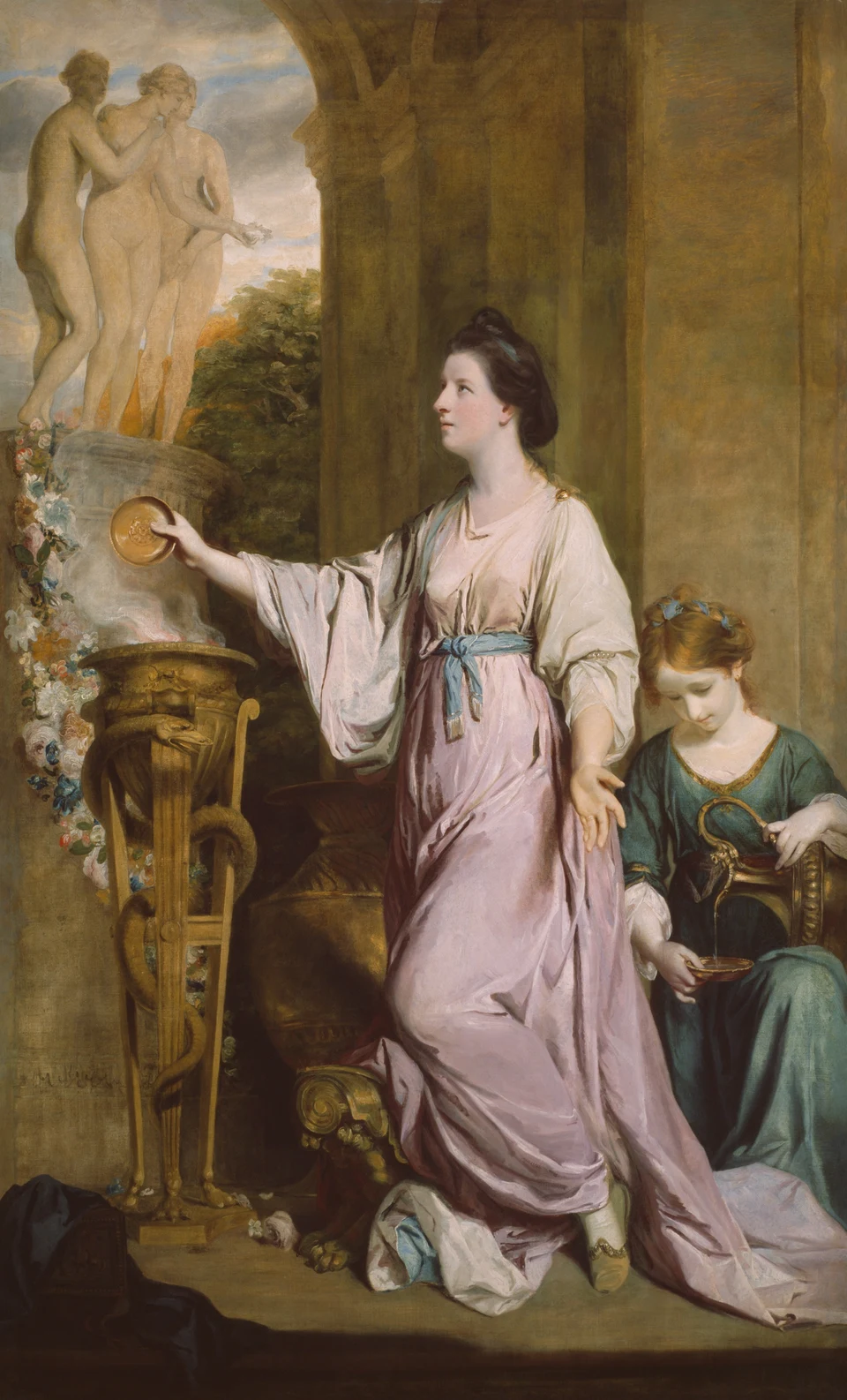 Lady Sarah Bunbury Sacrificing to the Graces
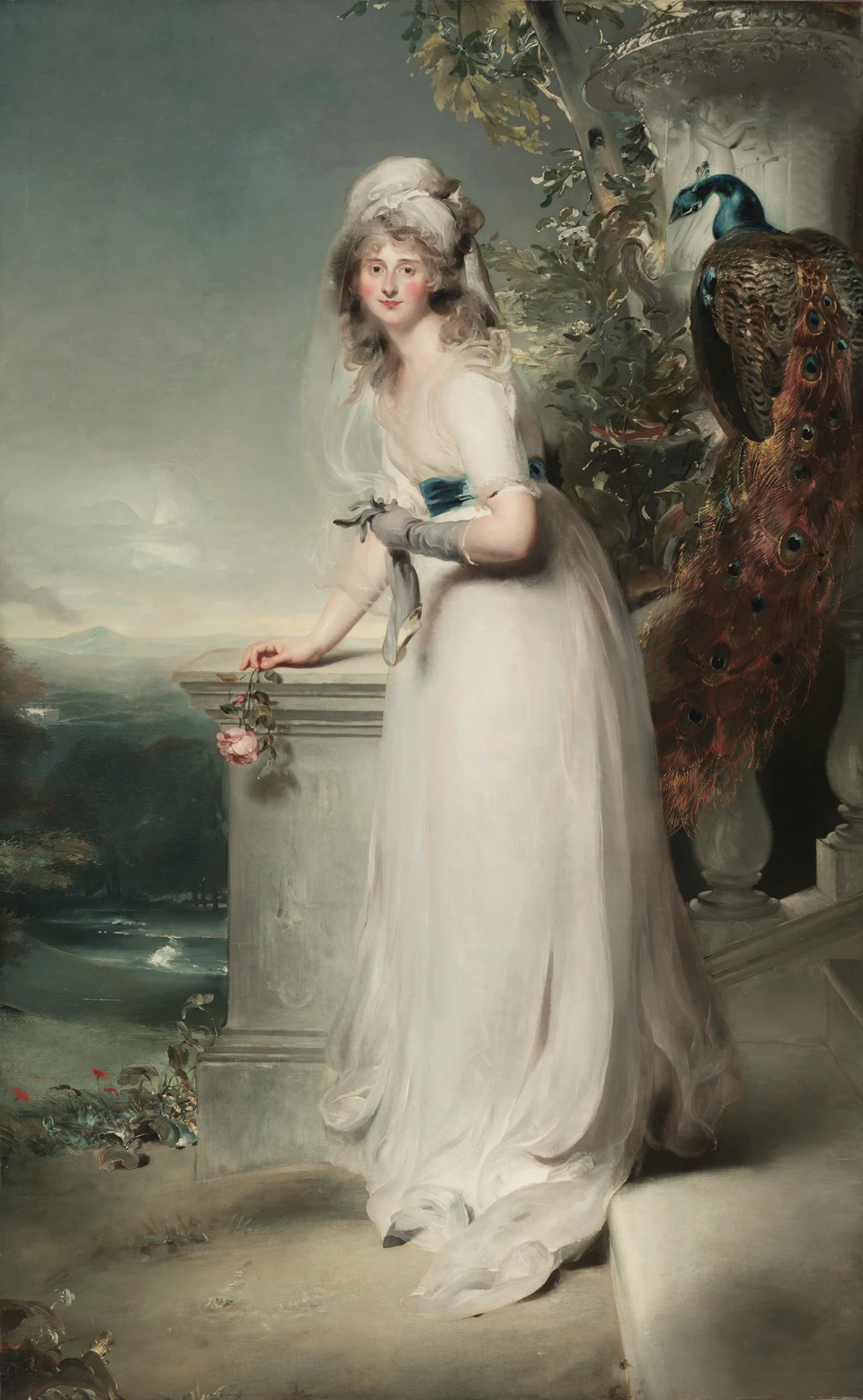 Portrait of Catherine Grey, Lady Manners
No artworks found
Try another word, style or period, or clear the filters to see every work.