Korean painting
10 artworks from public collections
Browse by style
- Japanese prints
- Impressionism
- Japanese painting
- Chinese painting
- Post-Impressionism
- Realism
- Baroque
- Modernism
- Rococo
- Dutch Golden Age
- Neoclassicism
- South Asian painting
- Barbizon School
- Chinese painting: Ming
- High Renaissance and Mannerism
- Chinese painting: Qing
- Romanticism
- Symbolism
- Expressionism
- Late Gothic and Early Renaissance
- Northern Renaissance
- Renaissance
- Mexican prints
- Neo-Impressionism
- The Blue Rider
- Die Brücke
- American modernism
- Korean painting
- Cubism
- School of Paris
- Futurism
- De Stijl
- Chinese painting: Liao and Yuan
- Vienna Secession
- Ashcan School
- Fauvism
- Persian manuscripts
- Abstract art
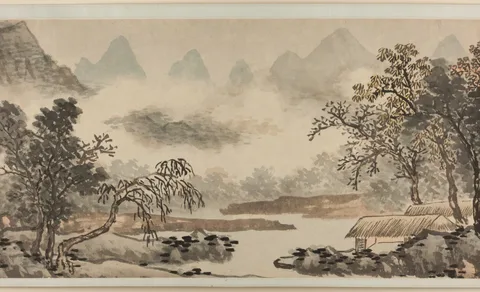
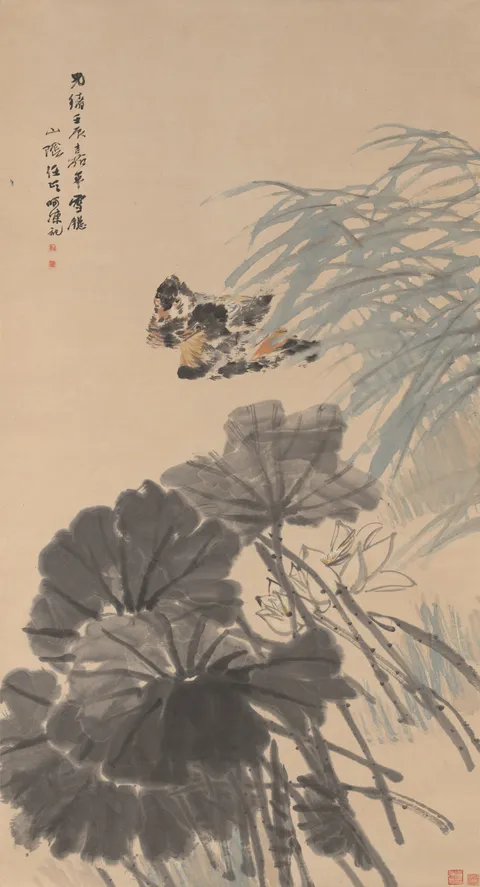
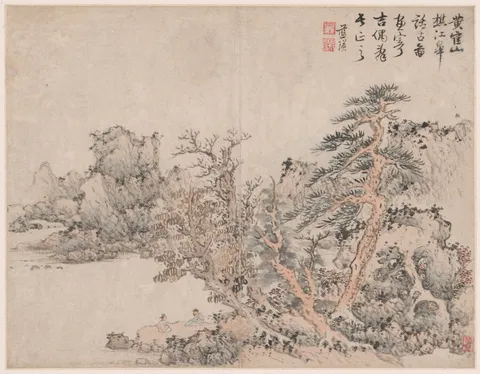
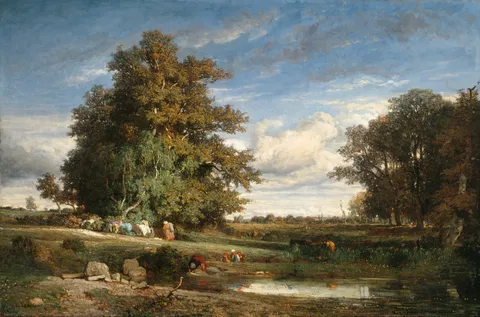
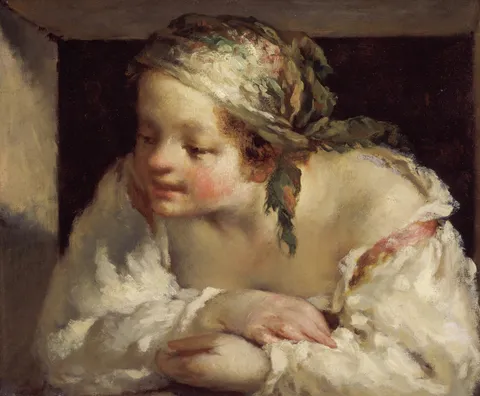
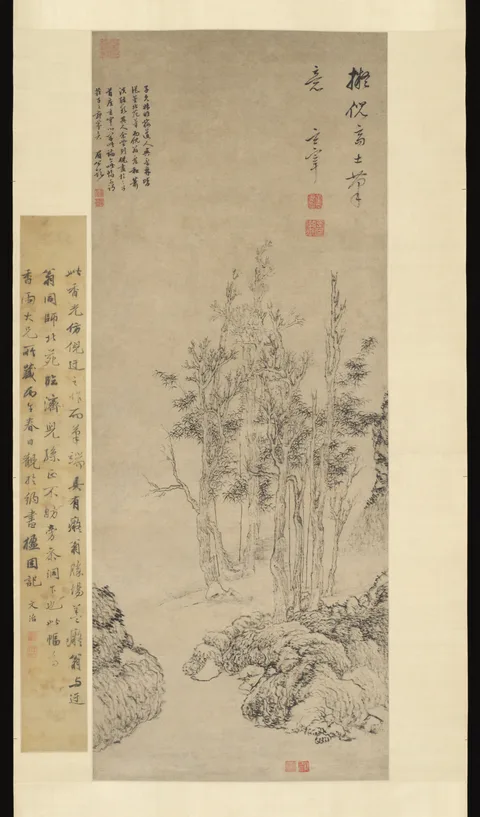
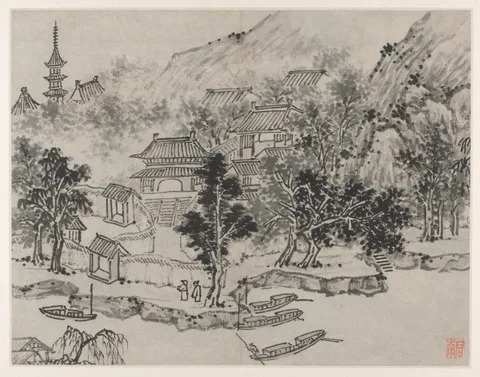
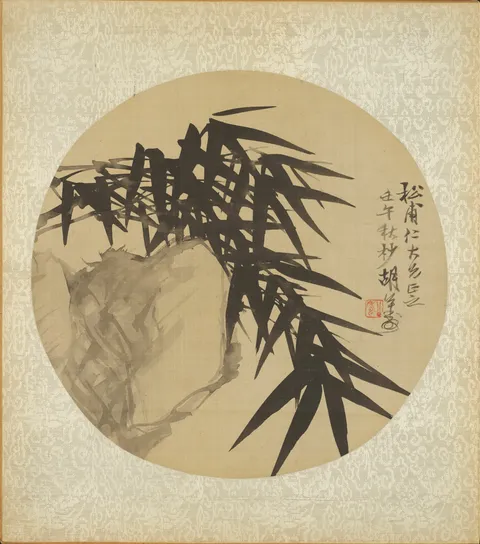
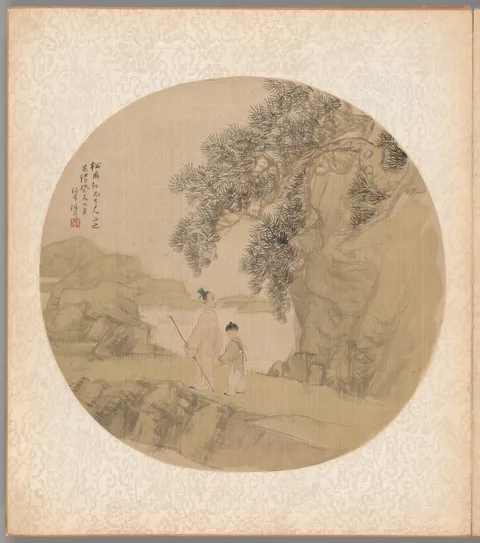
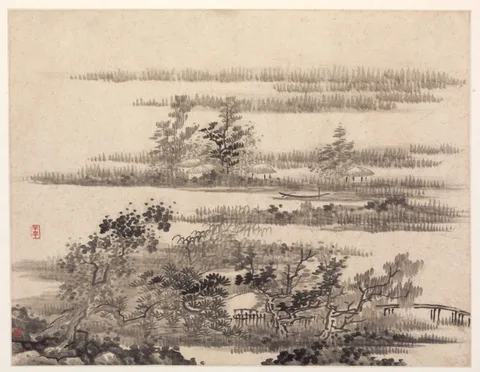
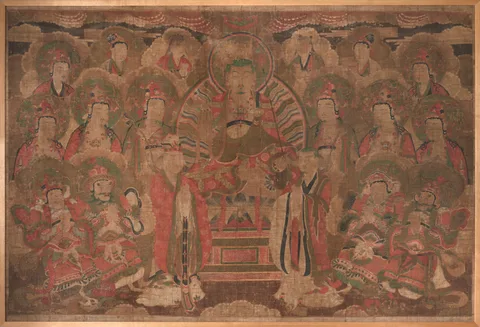
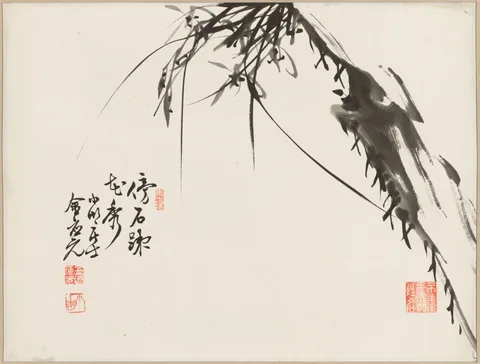
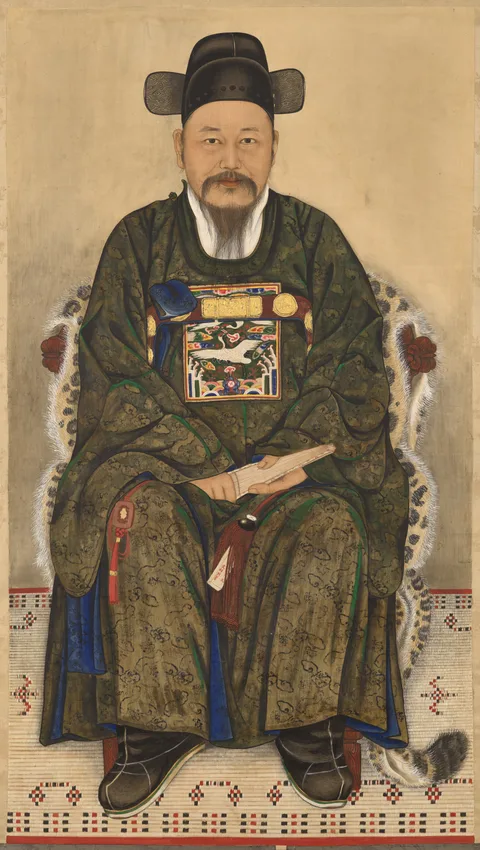
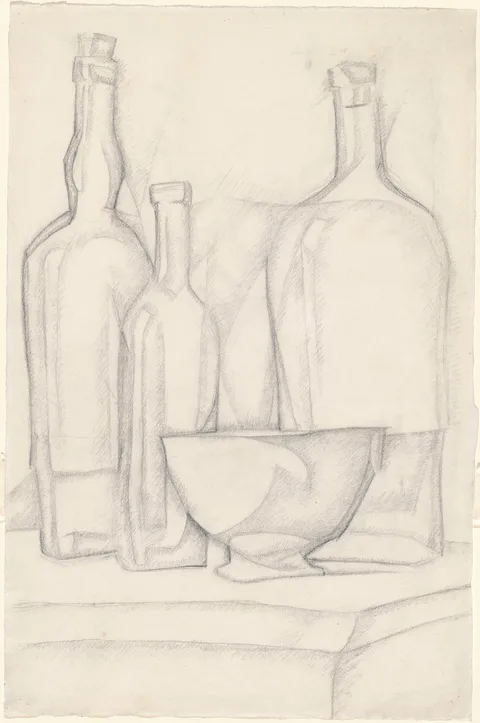
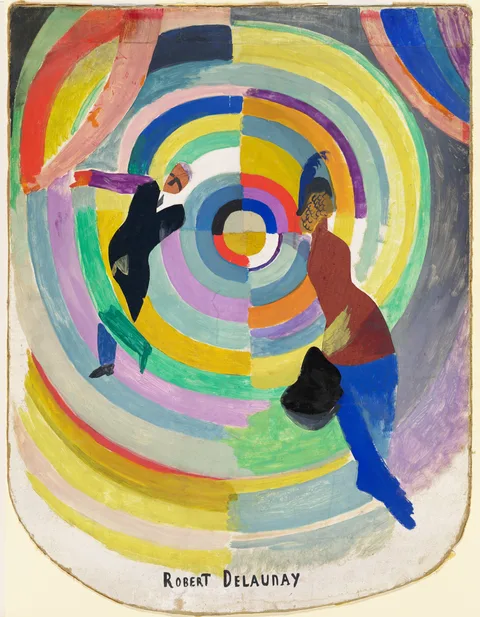
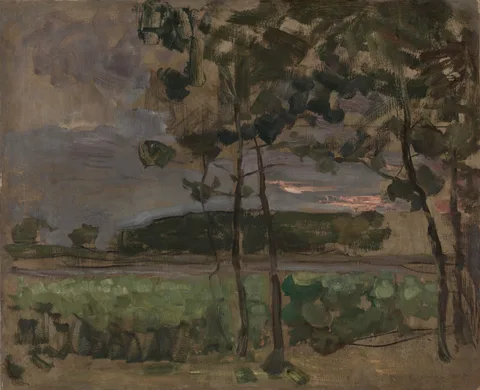
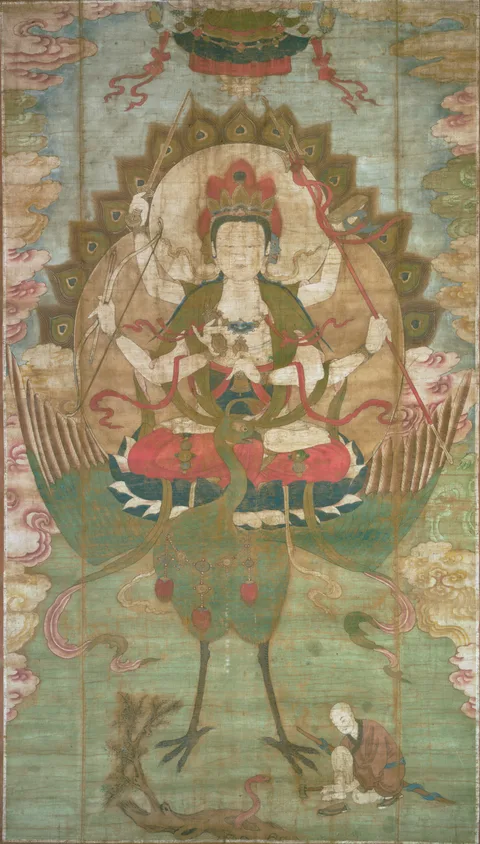
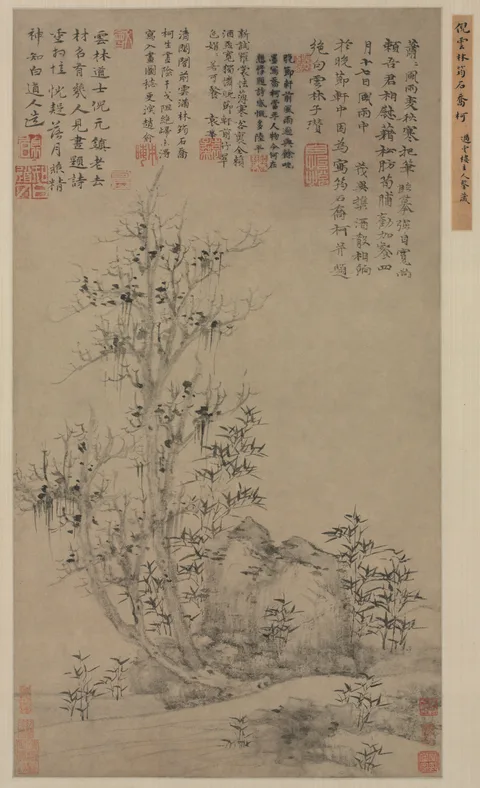
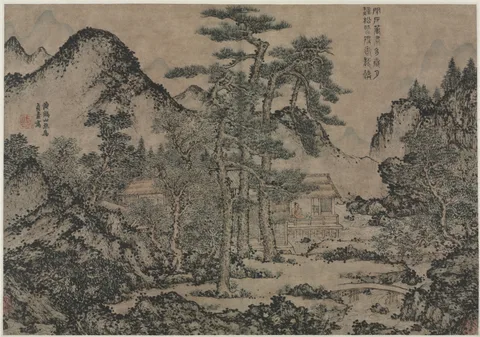
Joseon painters (1392 to 1910) made portraits, figure paintings, landscapes, court paintings, and pictures of flowers, birds and animals; some were scholars, some court painters. Buddhism, which had royal patronage under the earlier Goryeo, became the religion of the masses in late Joseon, and its painters turned to red and green on hemp, cotton or paper. Korean painting encompasses Buddhist devotion, portraits, landscapes and the expressive brushwork of scholar artists. Look at how a figure’s posture, a carefully drawn garment or a few strokes of ink directs attention. During the Joseon dynasty, court and scholarly patronage encouraged new subjects and interpretations of older models, while Buddhist painting continued. Compare individual objects and their uses rather than expecting one national style to explain several centuries of painting. Connected places: Korea.
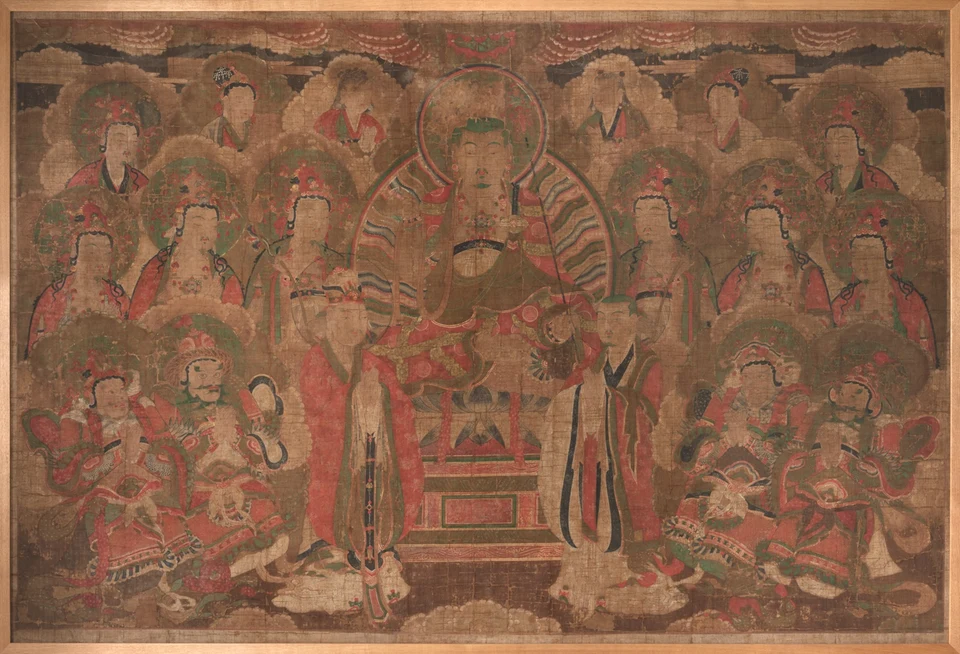 Ksitigarbha Bodhisattva with Assembly
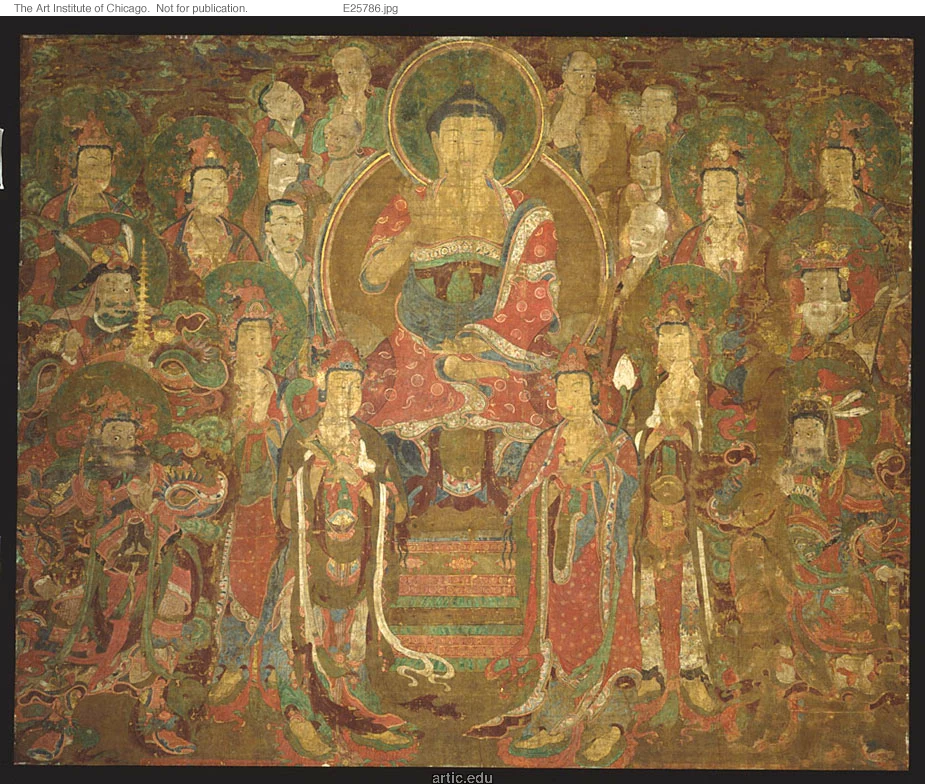 Amitabha Buddha with Assembly
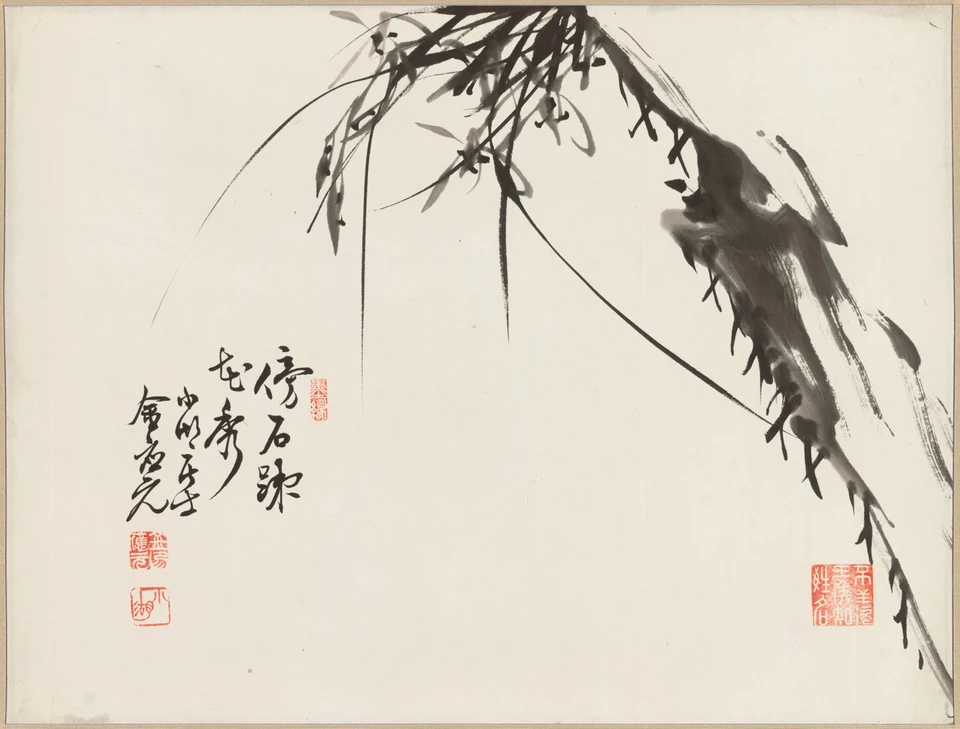 Orchids
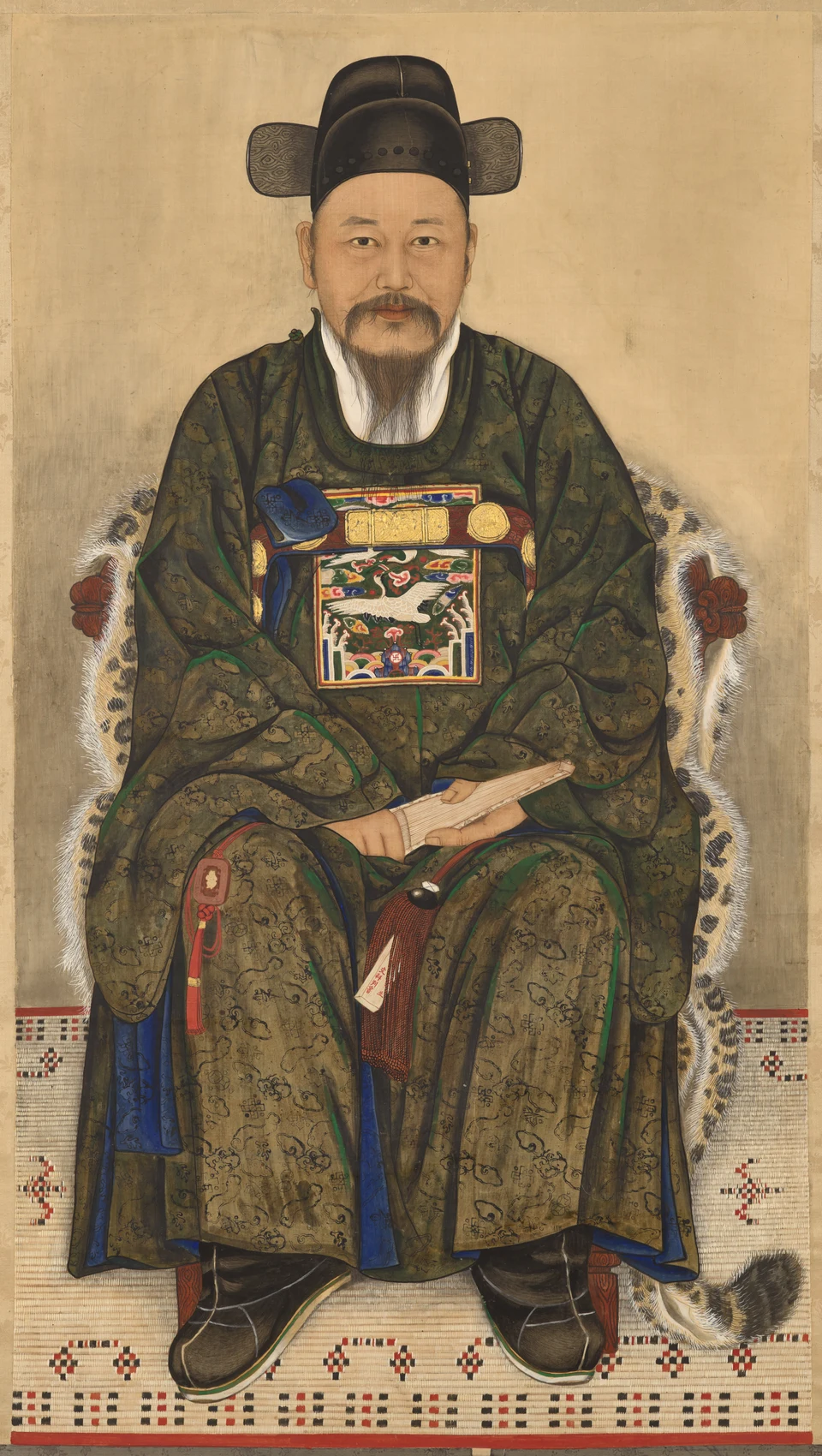 Portrait of a Government Official
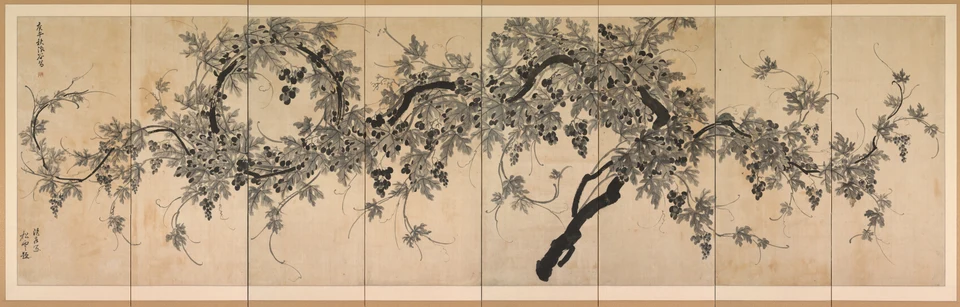 Grapevine
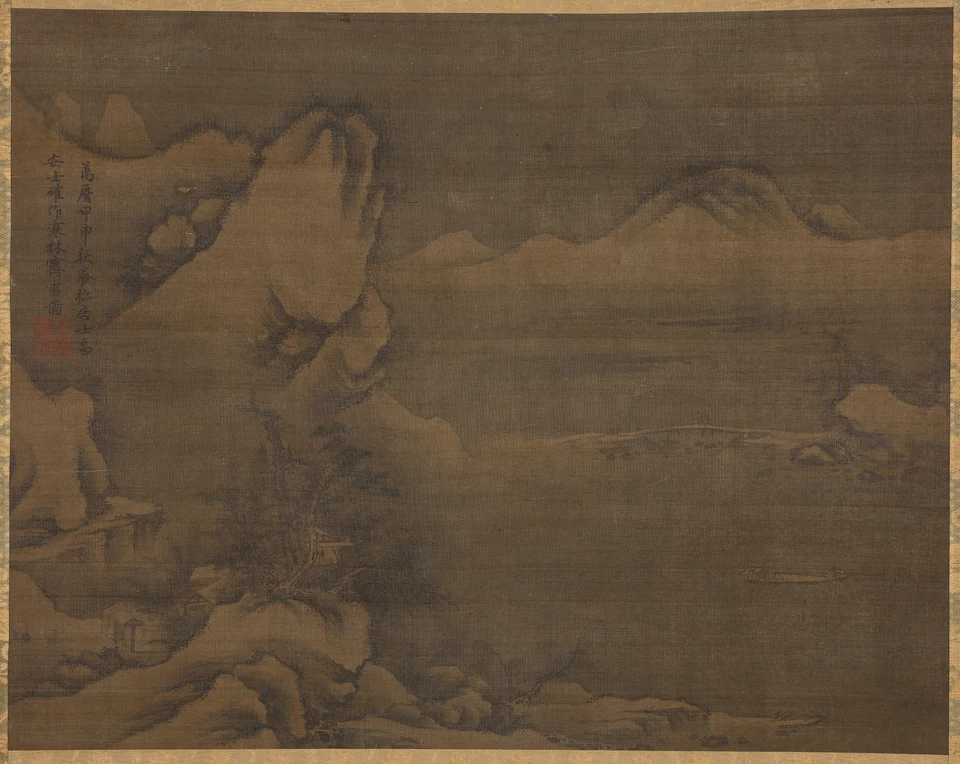 Snowscape with Figures
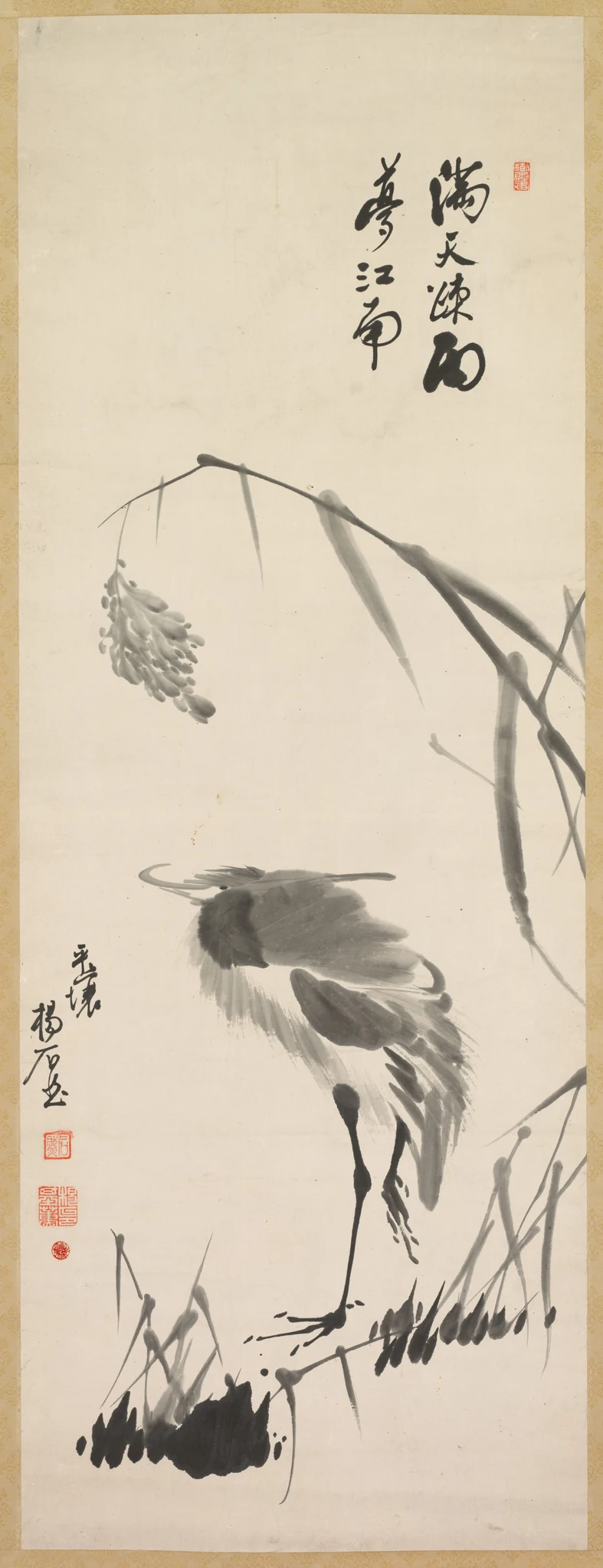 Egret and Reeds
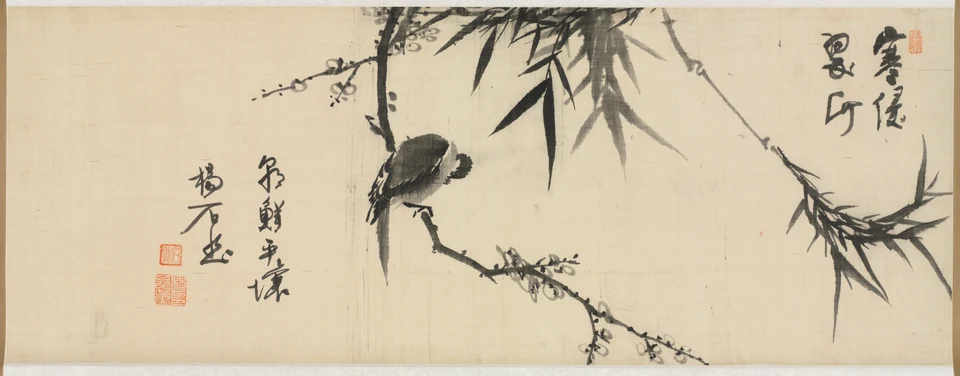 Bird Sleeping on a Plum Tree
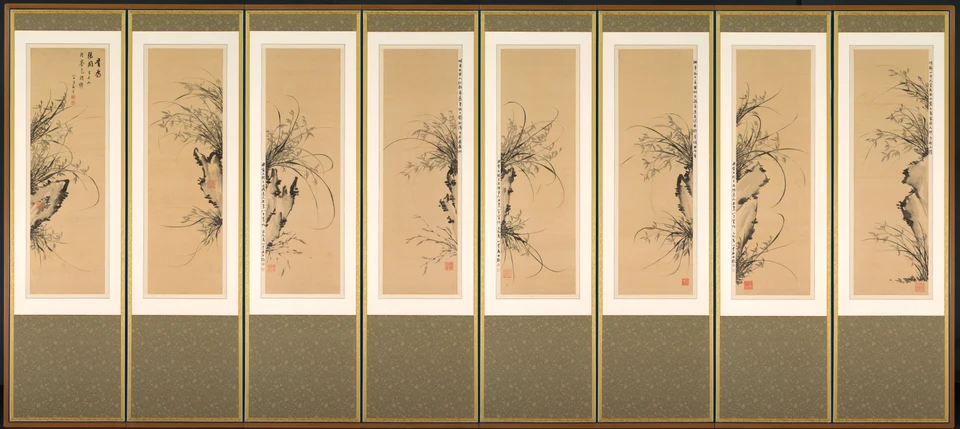 Orchids and Rocks
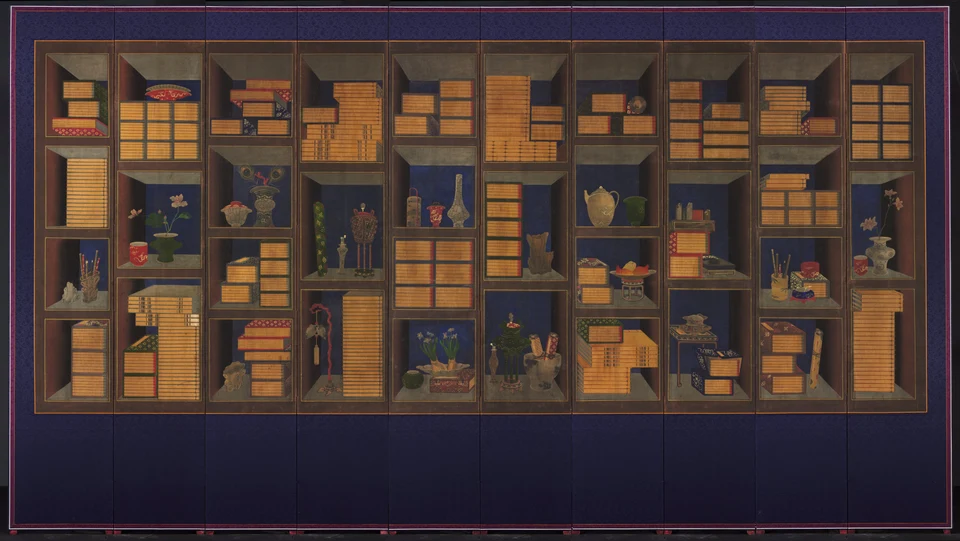 Books and Scholars’ Accoutrements
No artworks found
Try another word, style or period, or clear the filters to see every work.