Cubism
9 artworks from public collections
Browse by style
- Japanese prints
- Impressionism
- Japanese painting
- Chinese painting
- Post-Impressionism
- Realism
- Baroque
- Modernism
- Rococo
- Dutch Golden Age
- Neoclassicism
- South Asian painting
- Barbizon School
- Chinese painting: Ming
- High Renaissance and Mannerism
- Chinese painting: Qing
- Romanticism
- Symbolism
- Expressionism
- Late Gothic and Early Renaissance
- Northern Renaissance
- Renaissance
- Mexican prints
- Neo-Impressionism
- The Blue Rider
- Die Brücke
- American modernism
- Korean painting
- Cubism
- School of Paris
- Futurism
- De Stijl
- Chinese painting: Liao and Yuan
- Vienna Secession
- Ashcan School
- Fauvism
- Persian manuscripts
- Abstract art


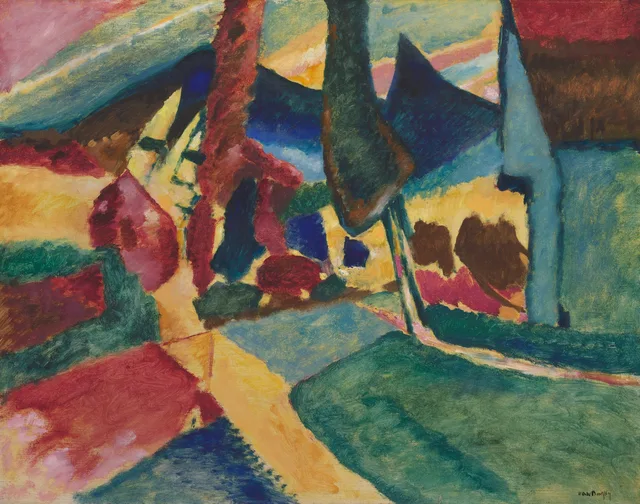
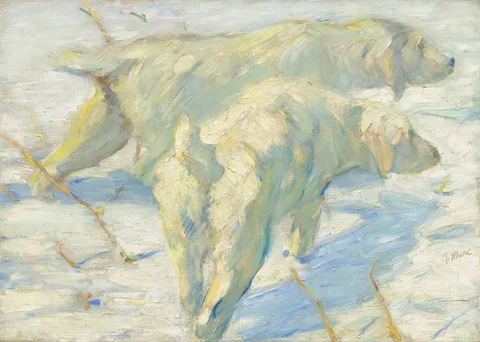
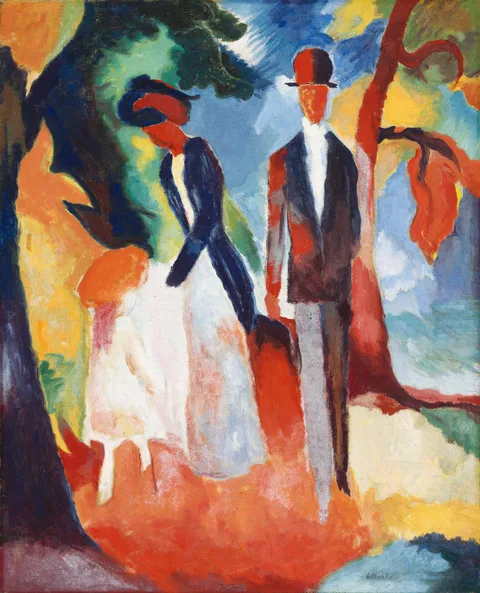
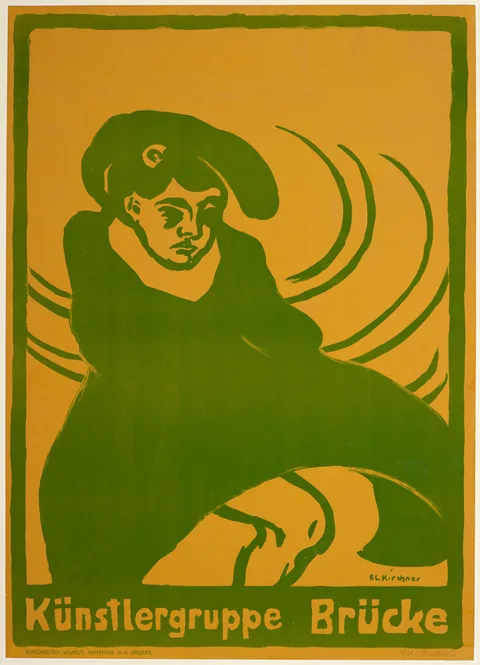
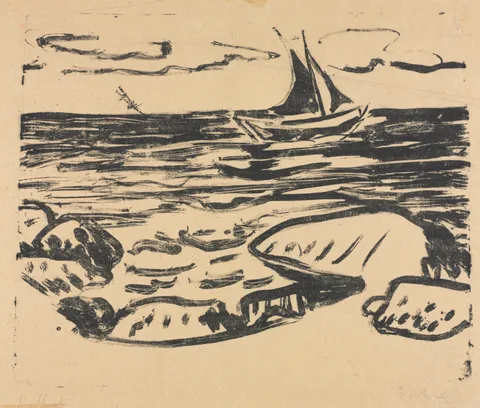
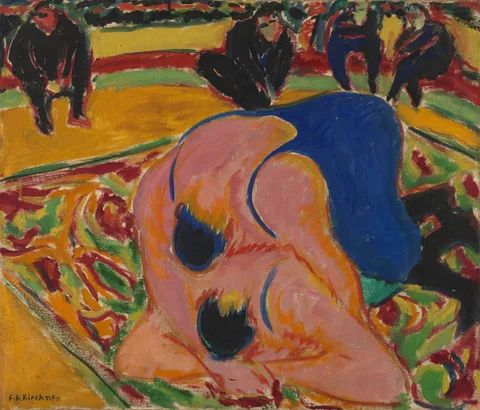
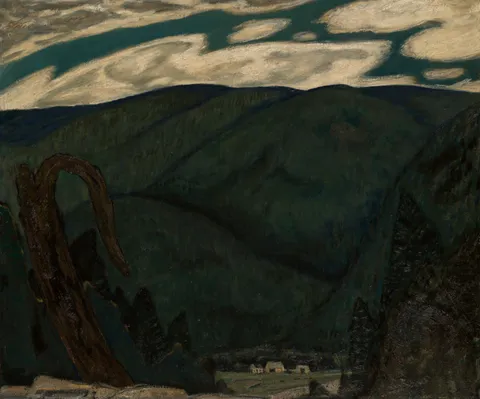
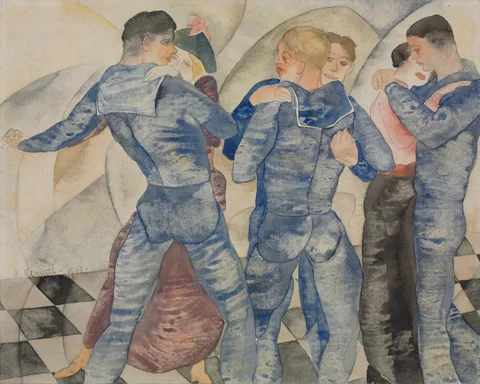
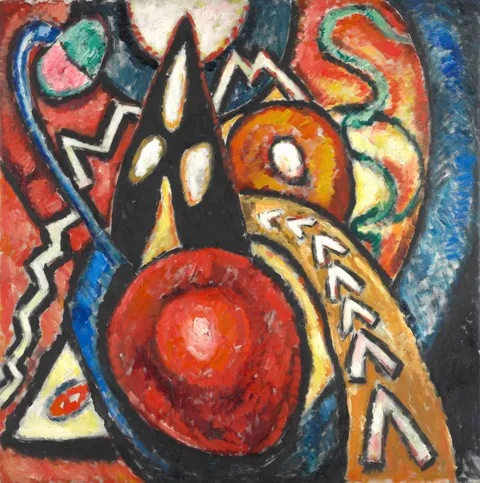
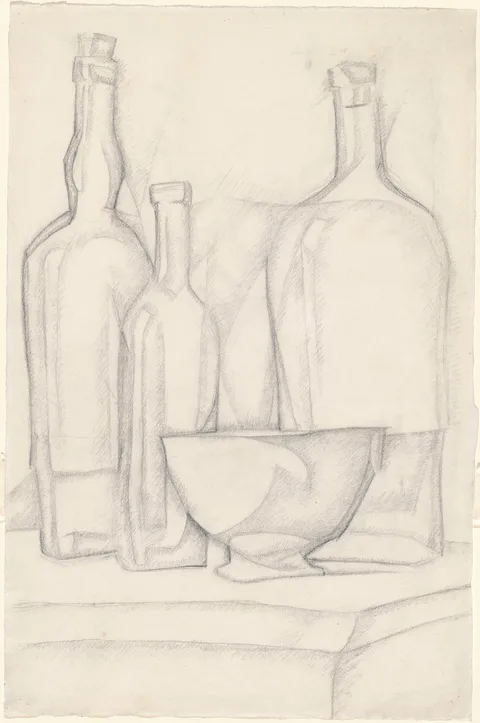
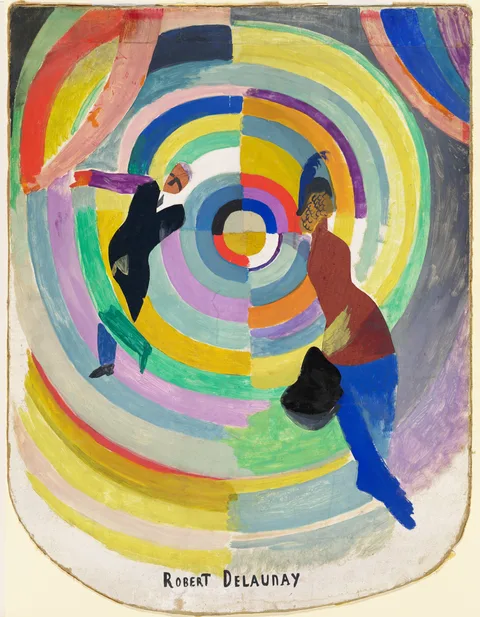
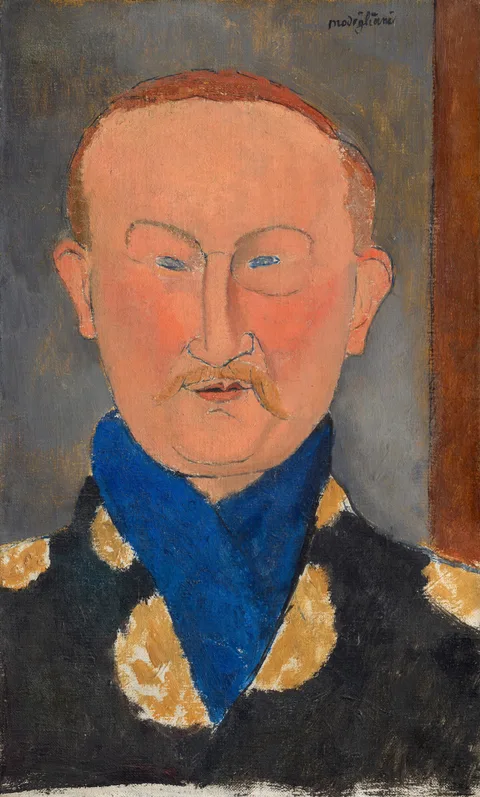
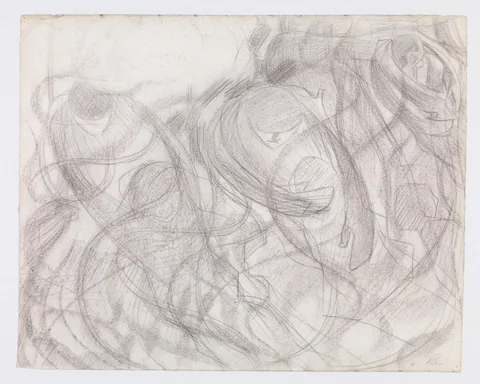
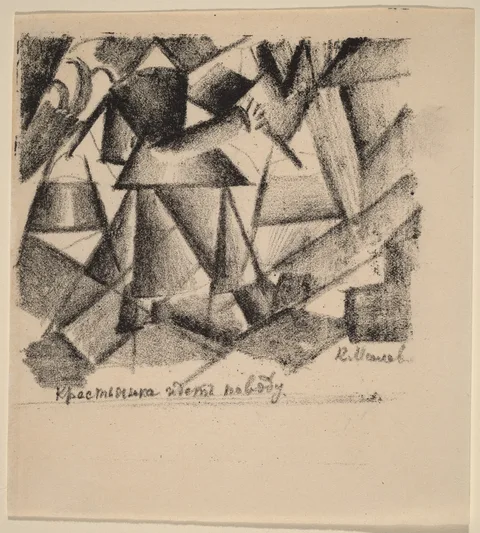
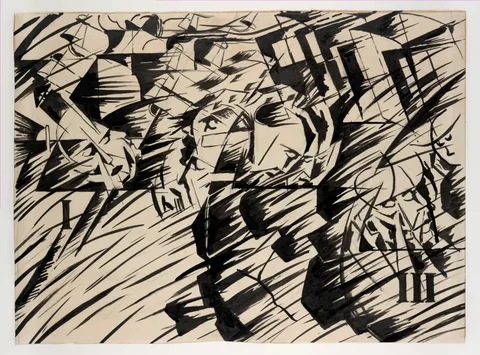
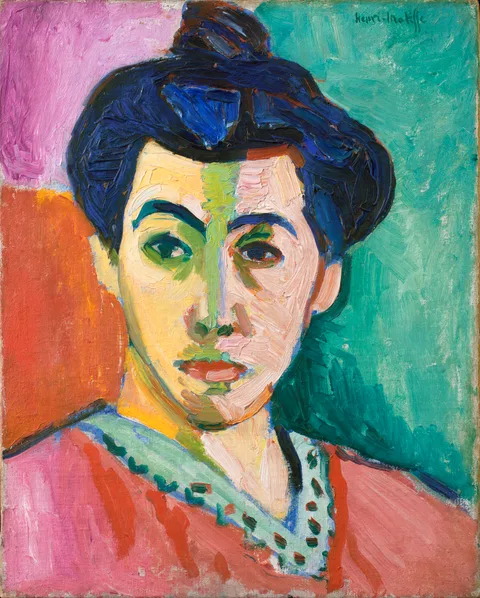
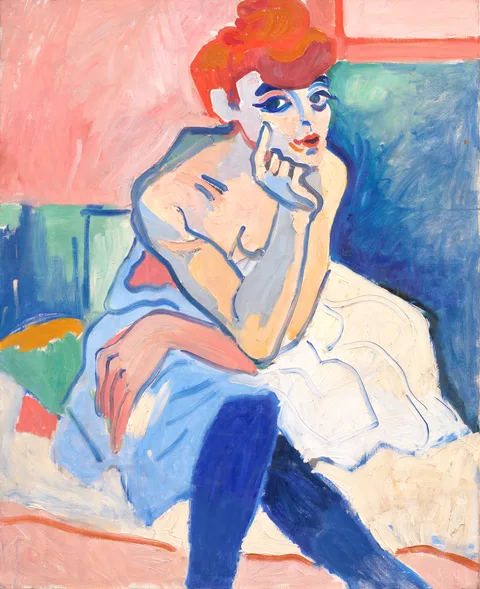
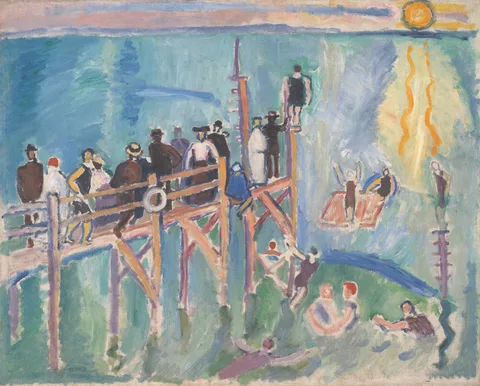
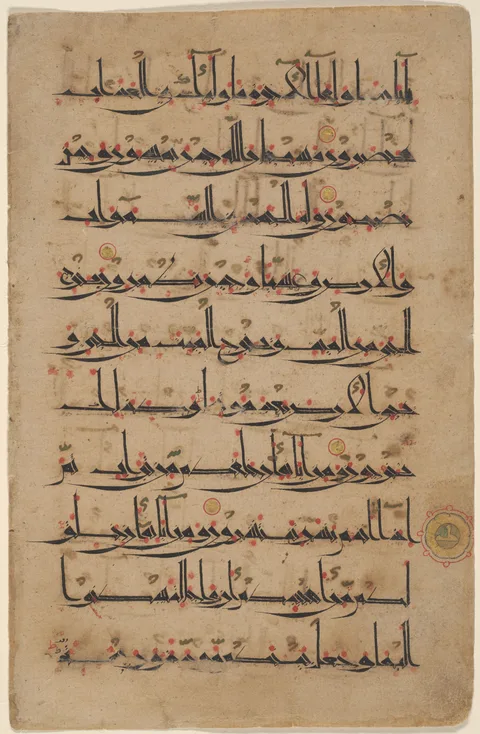
Pablo Picasso and Georges Braque worked out Cubism around 1907 and 1908. They set several views of a thing side by side and kept the canvas flat instead of faking depth. The name seems to come from a critic who said in 1908 that Braque reduced everything to cubes. From about 1912 shapes grew simpler and colors brighter. Cubism broke objects into flat, overlapping planes and showed several sides of them at once. Pablo Picasso and Georges Braque developed it in Paris between 1907 and 1914, and the name began as a critic’s jibe at Braque’s landscapes of 1908. Juan Gris joined them and kept working in the style; Robert Delaunay turned it toward bright, circling color, which came to be called Orphism. Connected places: Paris.
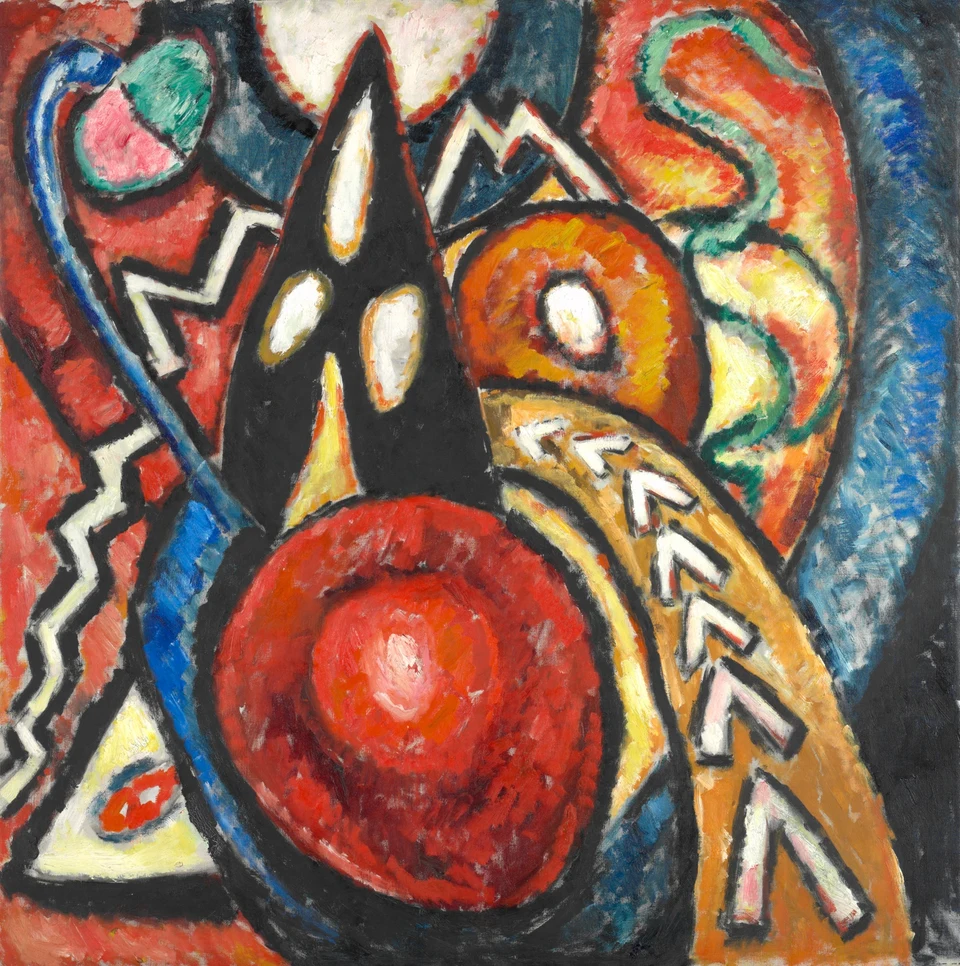 Movement
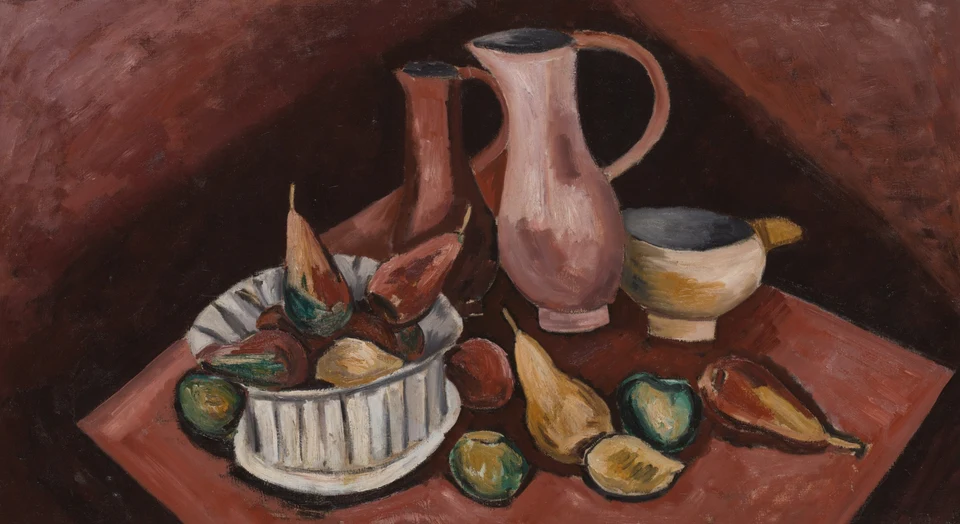 Still Life No. 3
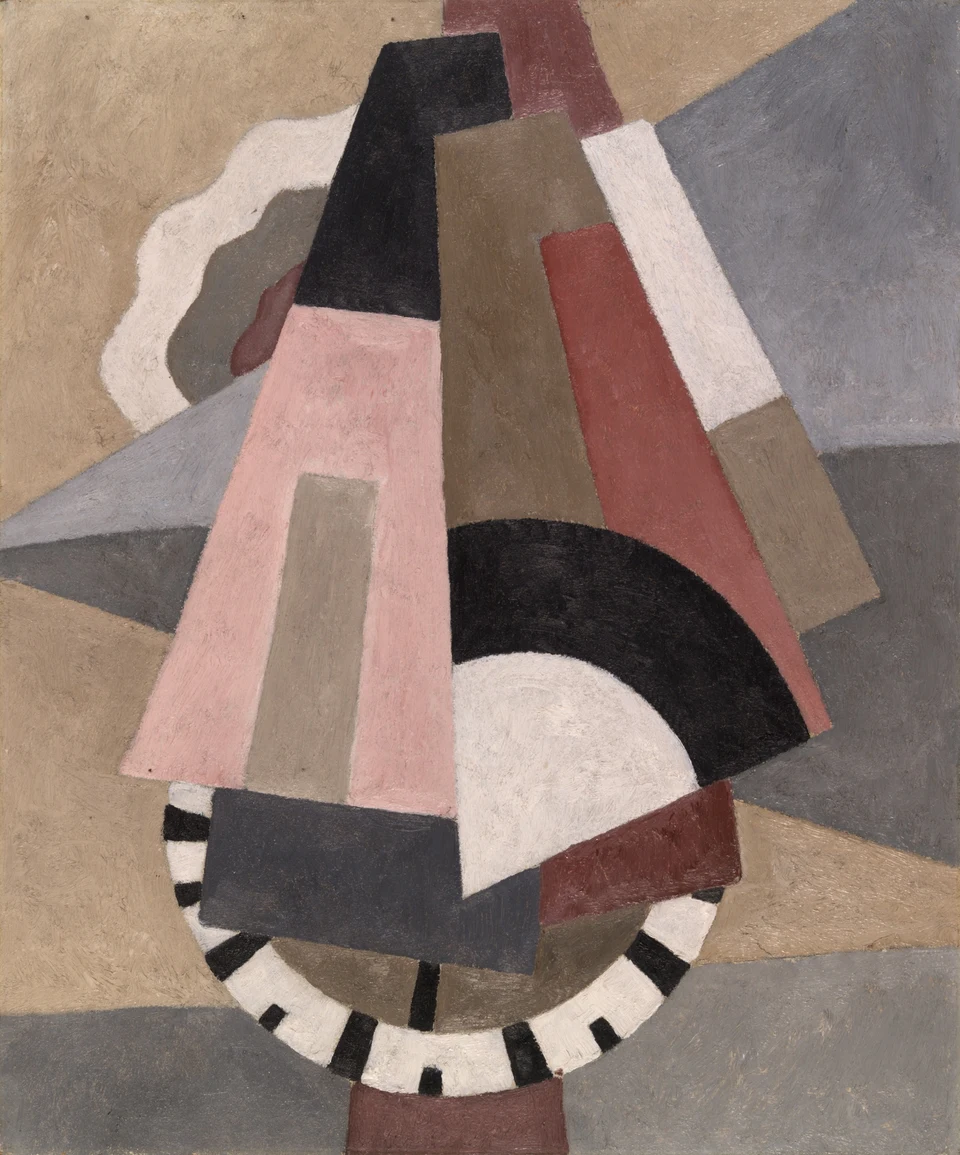 Provincetown
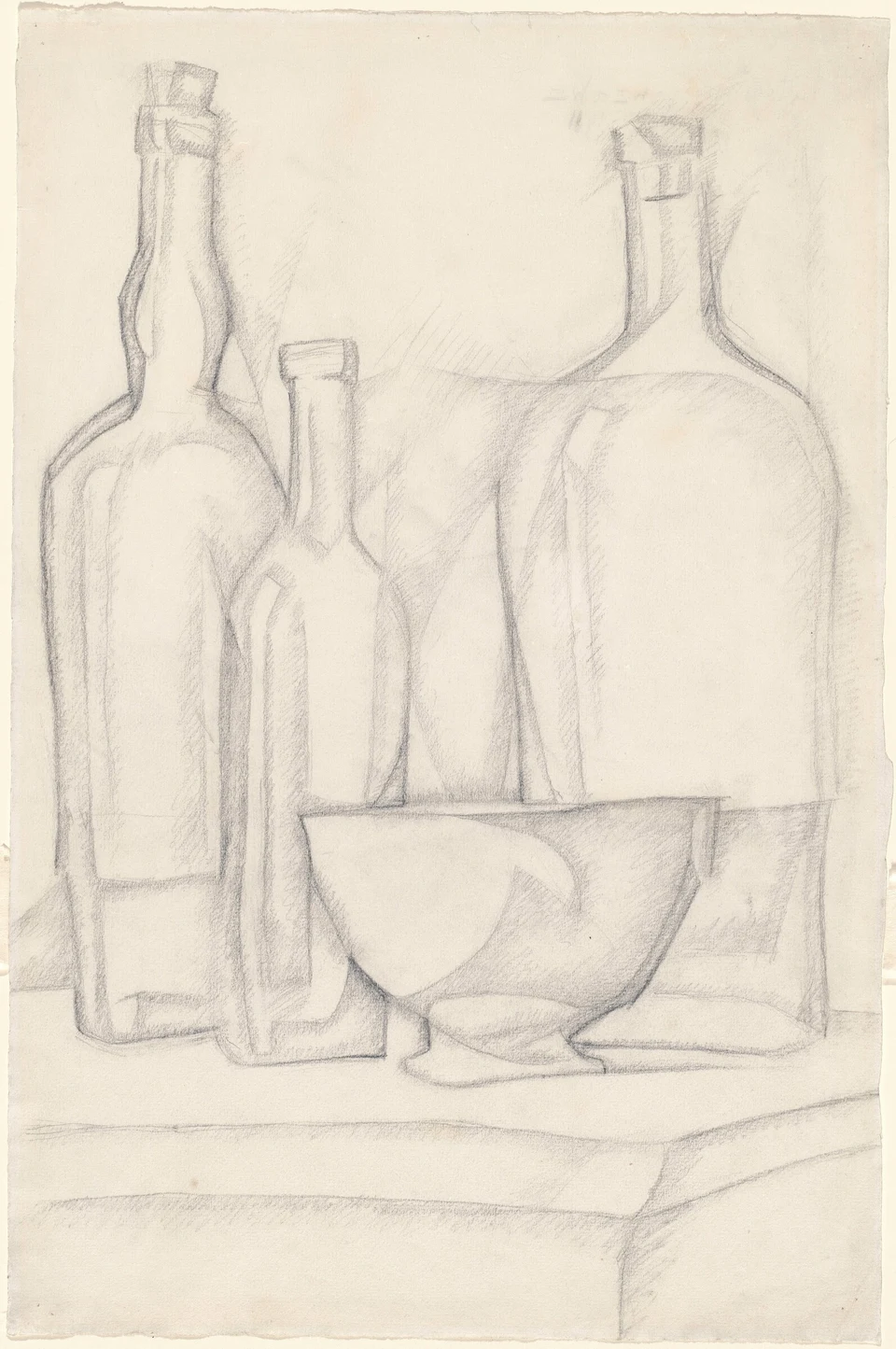 Bottles and Bowl
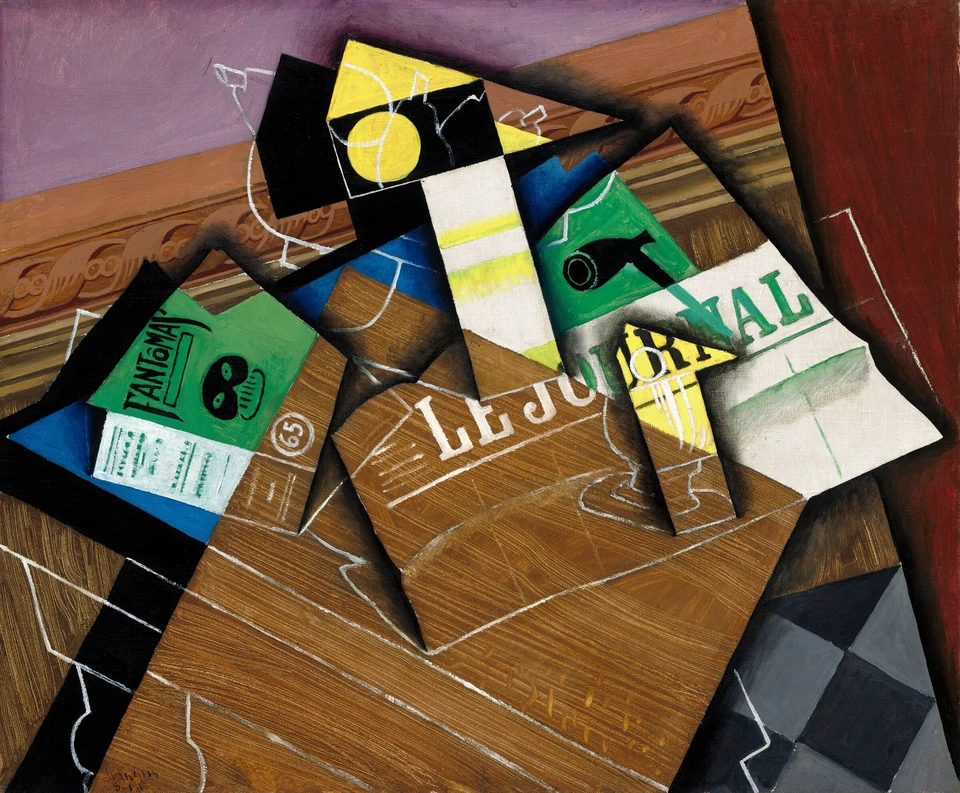 Fantômas
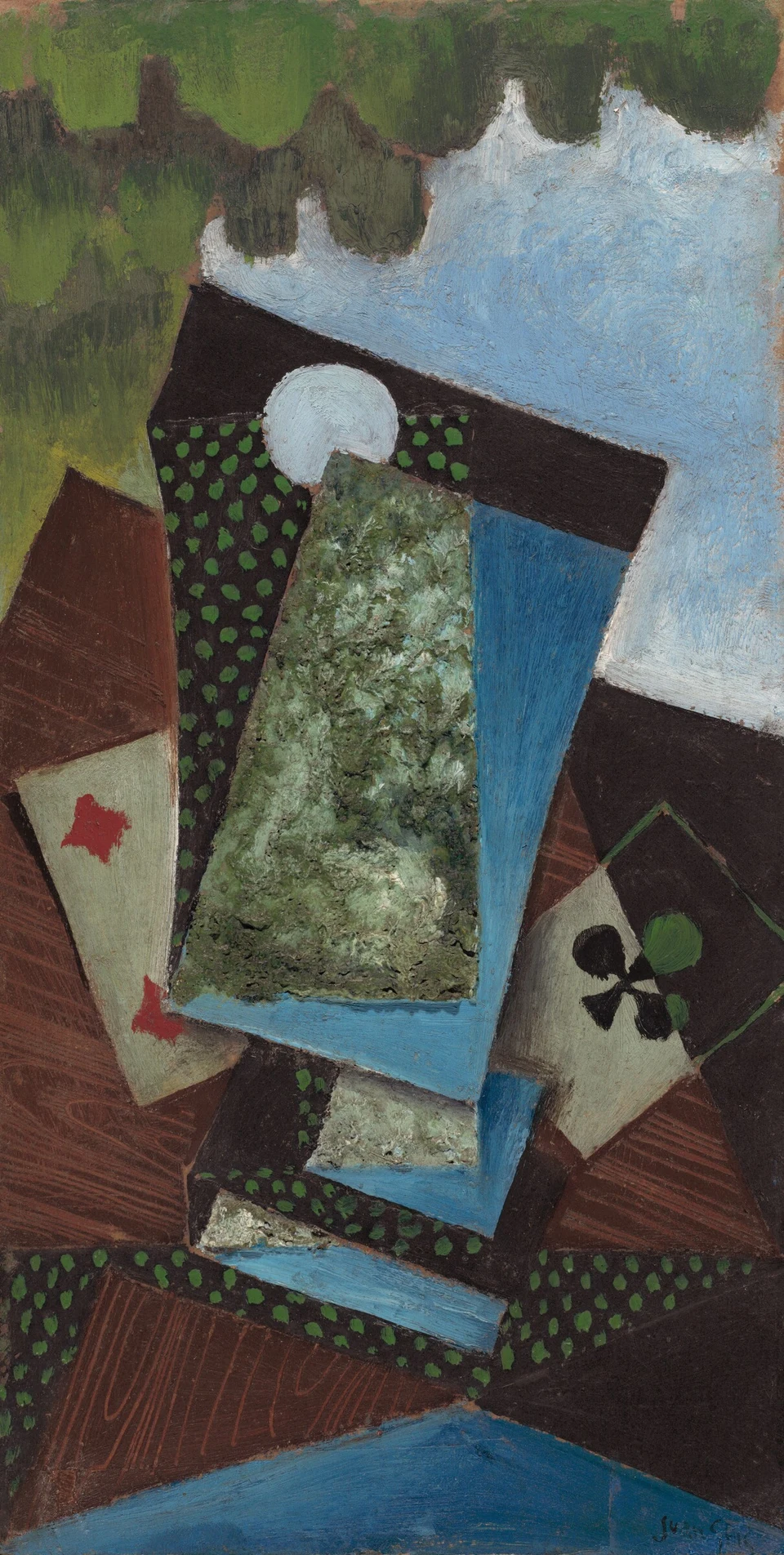 Ace of Clubs and Four of Diamonds
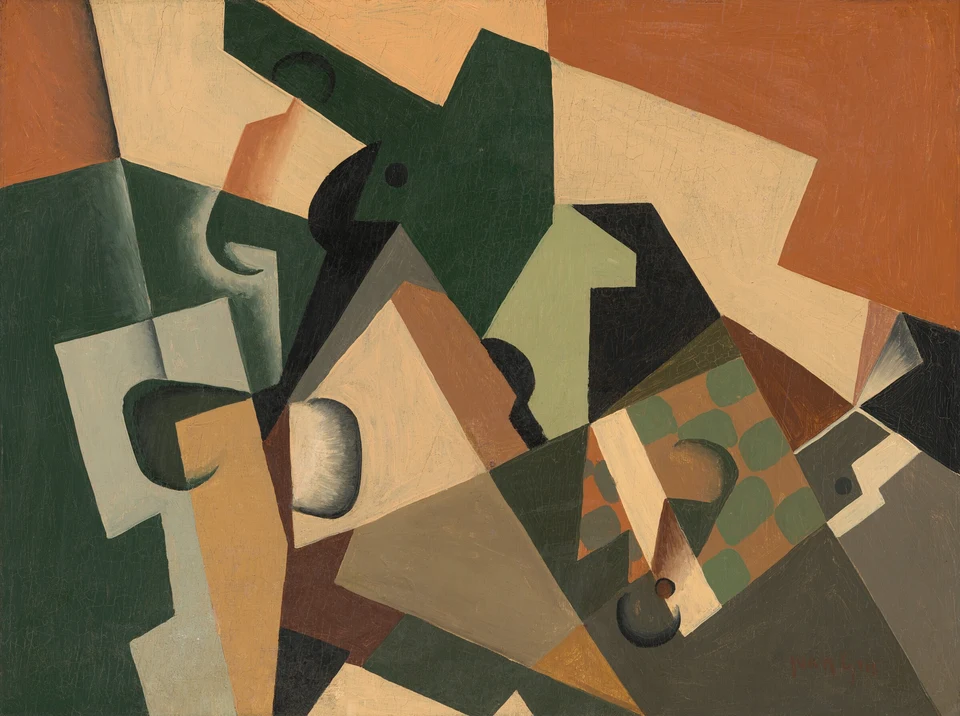 Glass and Checkerboard
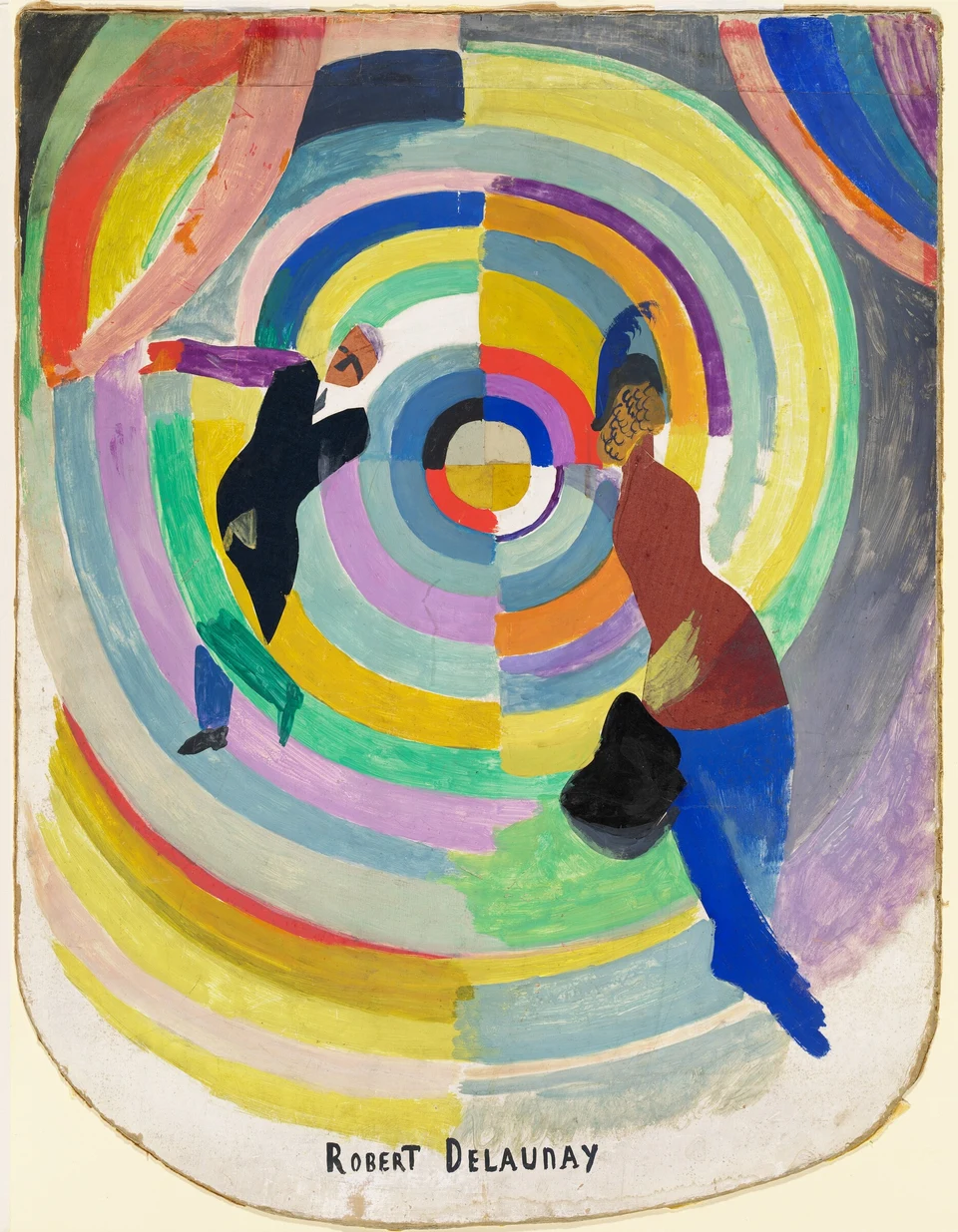 Political Drama
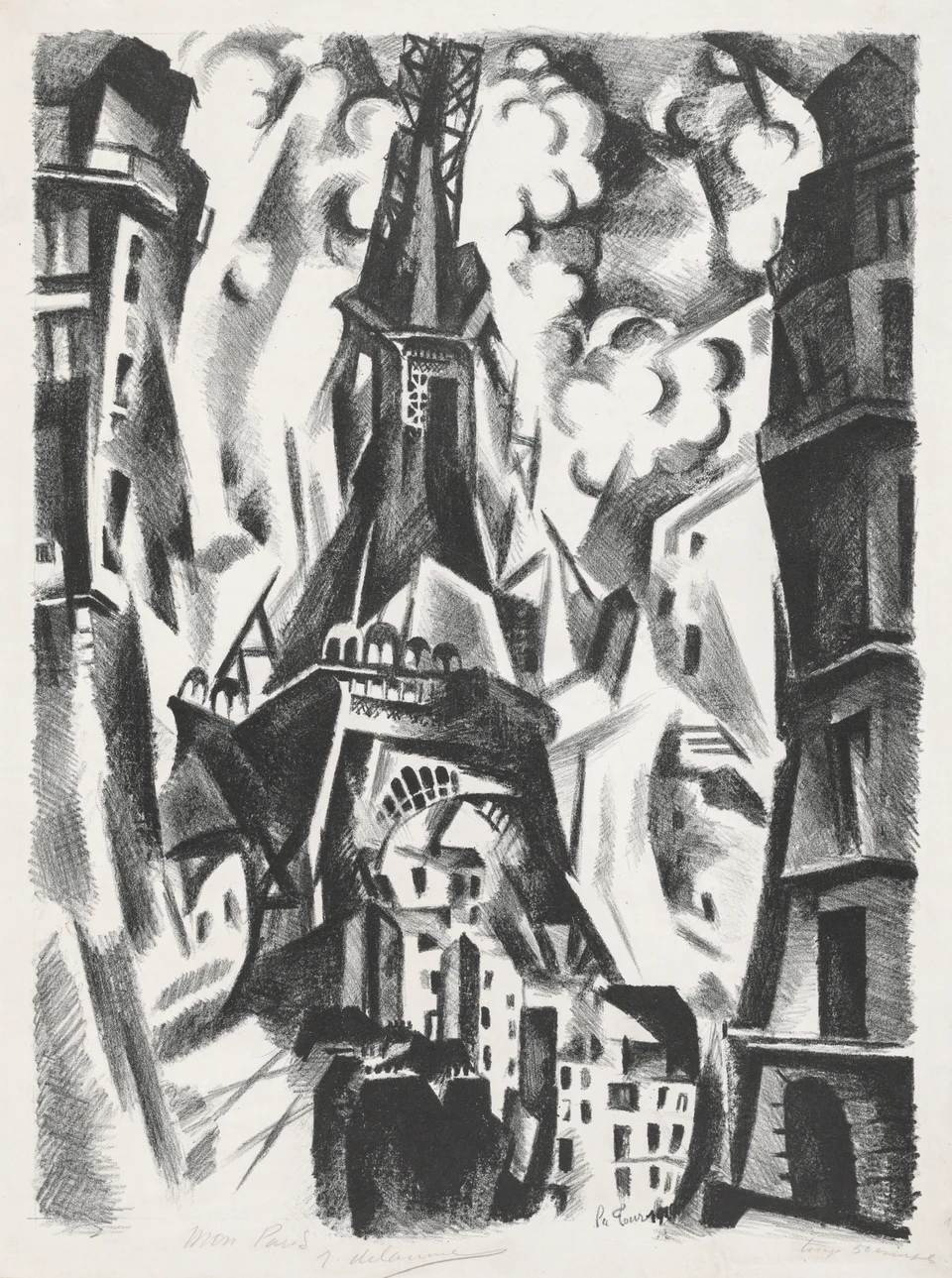 La Tour
No artworks found
Try another word, style or period, or clear the filters to see every work.