Persian manuscripts
4 artworks from public collections
Browse by style
- Japanese prints
- Impressionism
- Japanese painting
- Chinese painting
- Post-Impressionism
- Realism
- Baroque
- Modernism
- Rococo
- Dutch Golden Age
- Neoclassicism
- South Asian painting
- Barbizon School
- Chinese painting: Ming
- High Renaissance and Mannerism
- Chinese painting: Qing
- Romanticism
- Symbolism
- Expressionism
- Late Gothic and Early Renaissance
- Northern Renaissance
- Renaissance
- Mexican prints
- Neo-Impressionism
- The Blue Rider
- Die Brücke
- American modernism
- Korean painting
- Cubism
- School of Paris
- Futurism
- De Stijl
- Chinese painting: Liao and Yuan
- Vienna Secession
- Ashcan School
- Fauvism
- Persian manuscripts
- Abstract art
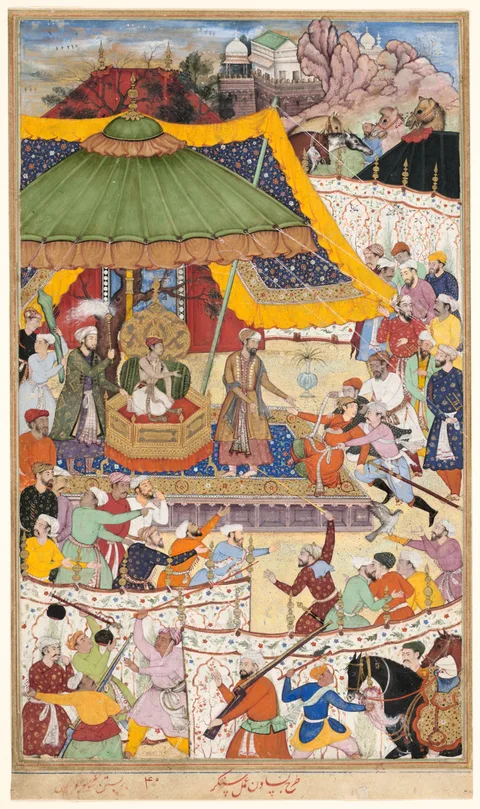
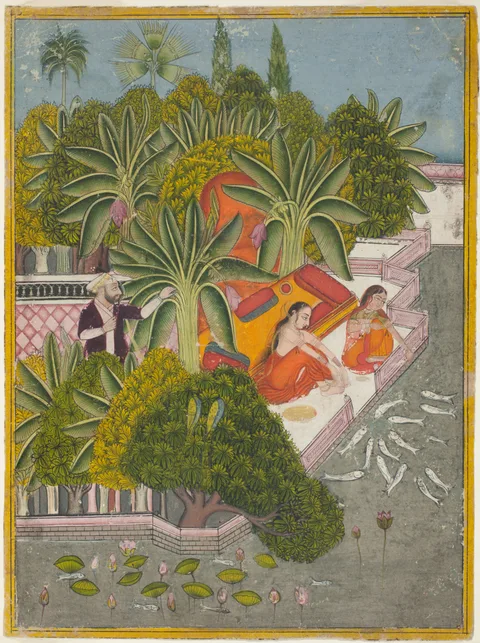
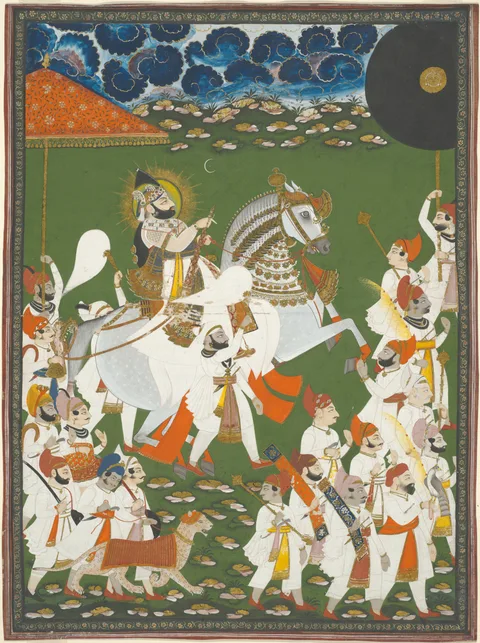
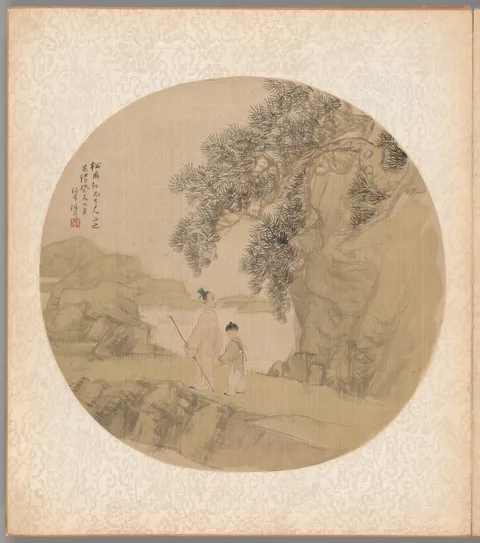
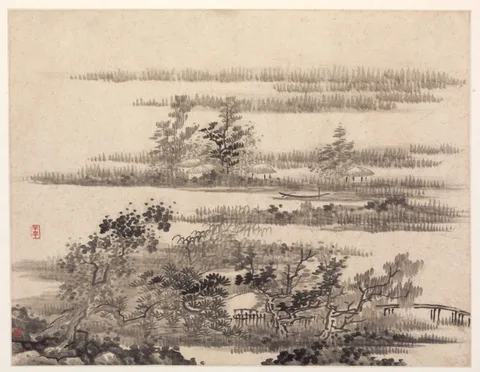
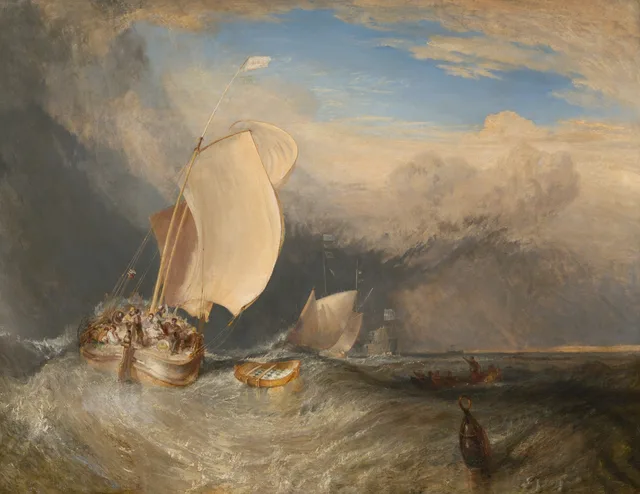
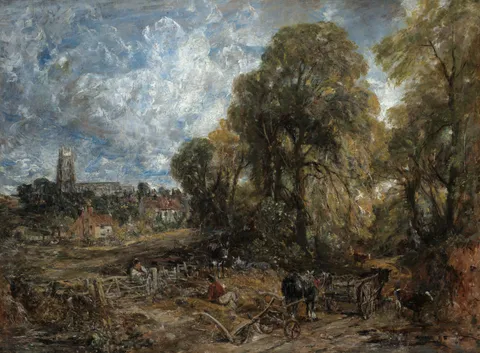
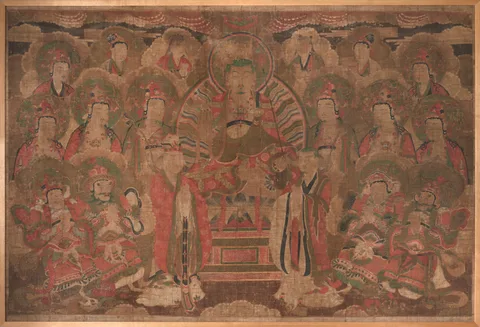
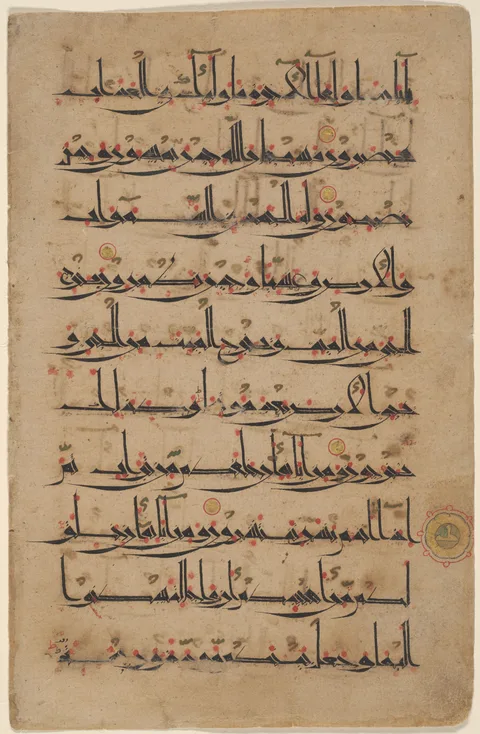
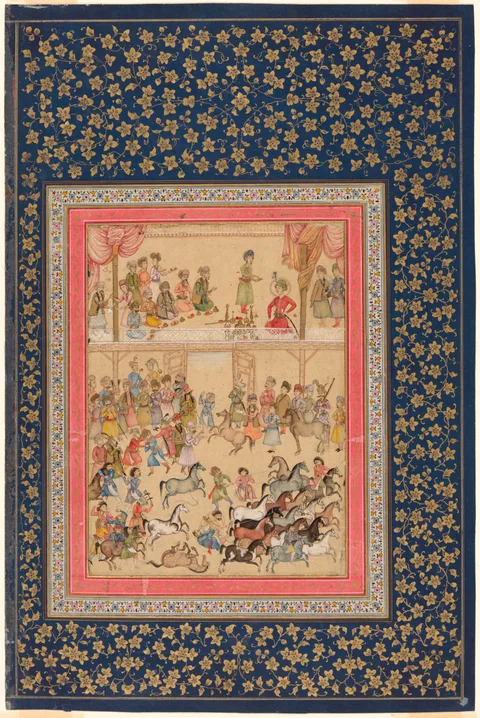
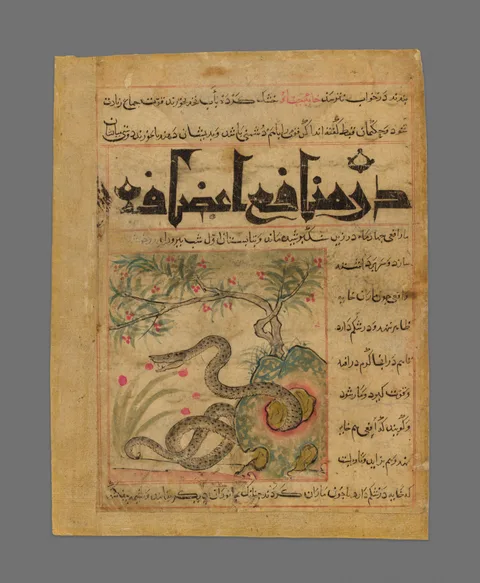
Painters in Iran illustrated books: a treatise on the usefulness of animals, Nizami’s Khamsa and Firdawsi’s Shahnama, whose illustrated copies appear from the early 1300s in Baghdad, Tabriz and Shiraz. Under the Safavid dynasty (1501 to 1722), painters worked at Tabriz and later at Isfahan. Precise lines, patterned surfaces and vivid color can give a small manuscript image extraordinary detail. Persian book arts join painting with calligraphy, illumination and the shaping of a page. Poetry, history and courtly life provided subjects, while workshops in centers such as Tabriz and Herat developed distinct approaches. This small selection also contains calligraphic and illustrated manuscript leaves: look at how writing and image share the surface, without assuming every page was made for the same kind of book. Connected places: Iran · Tabriz · Isfahan.
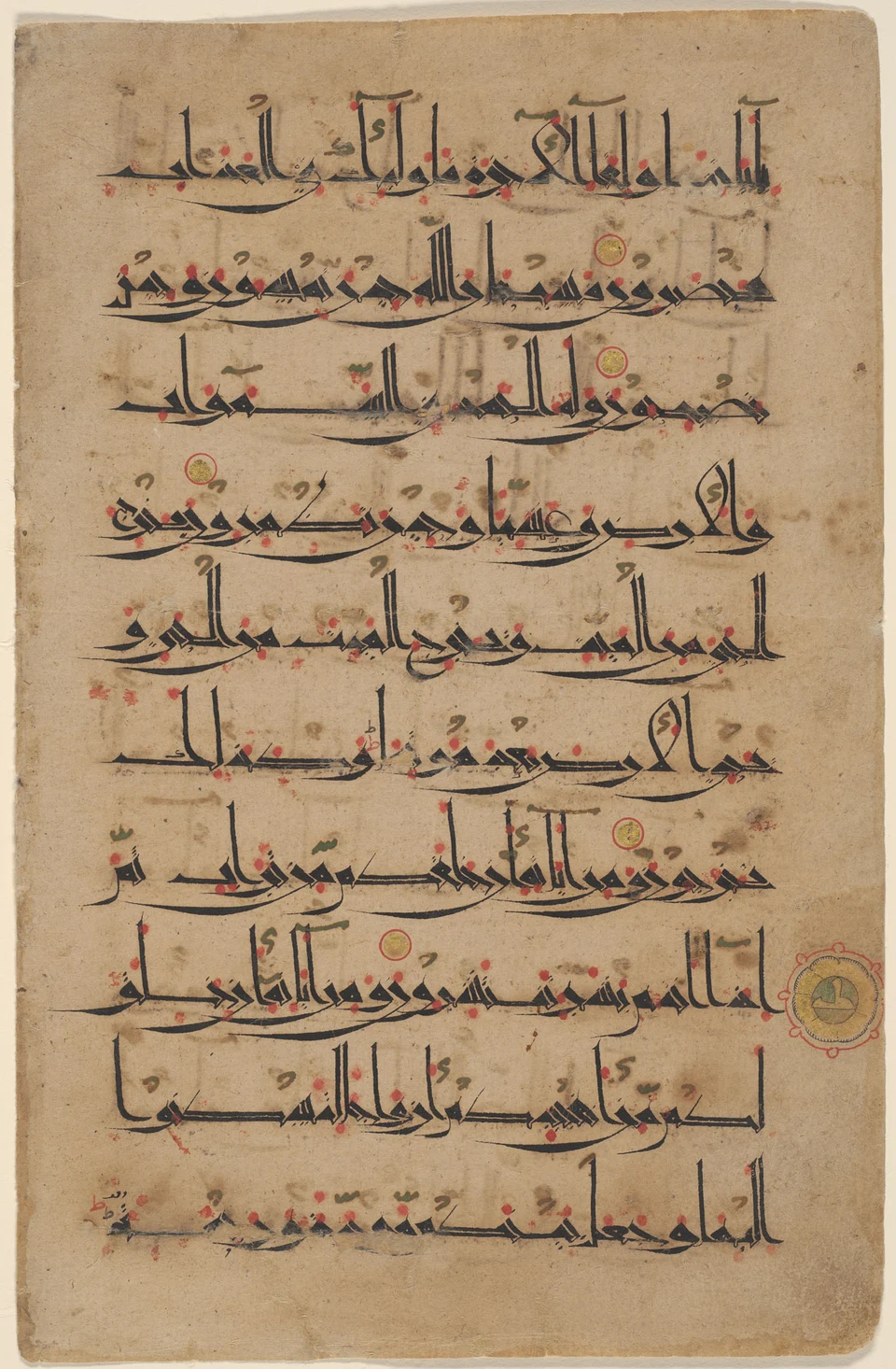 Qur’an Leaf in Eastern Kufic Script
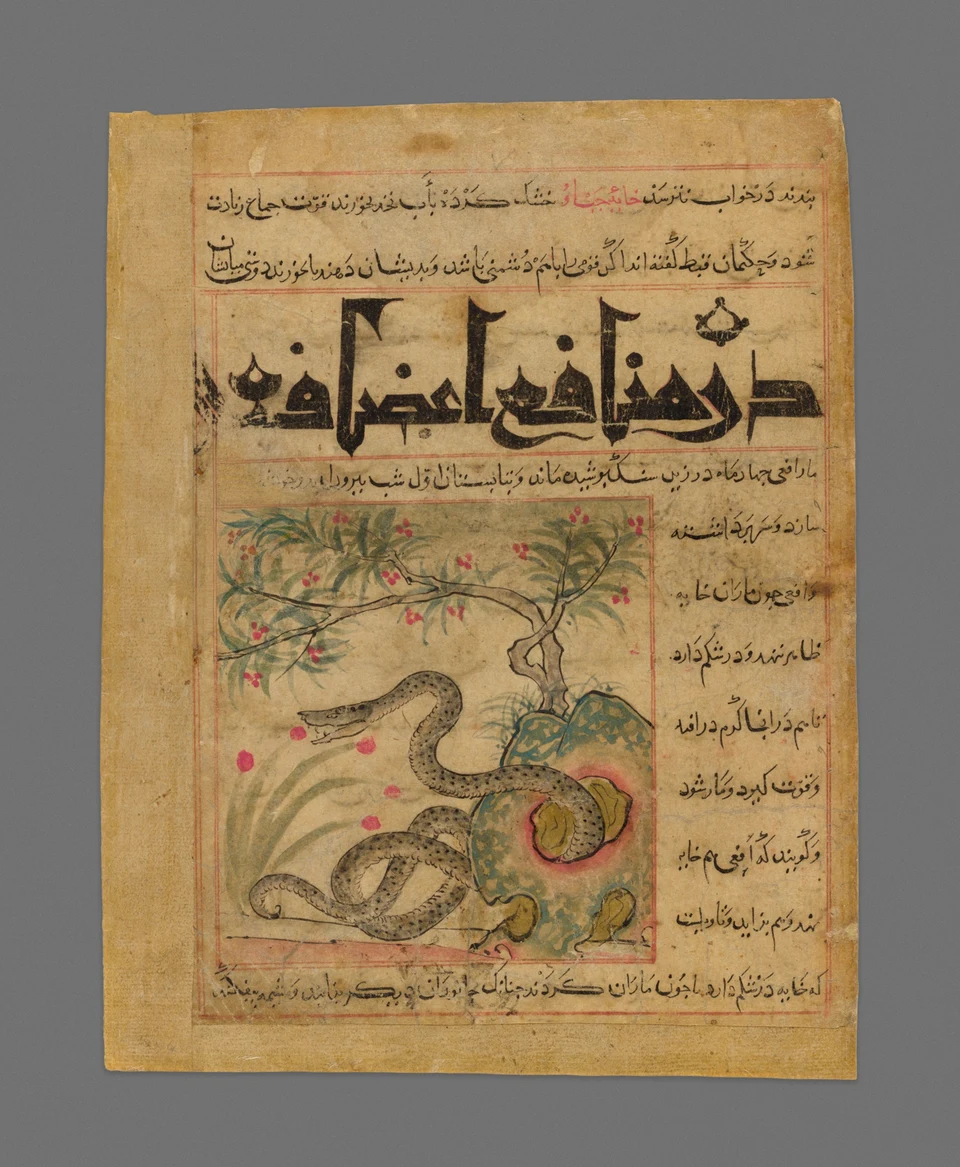 Viper in a Rocky Garden
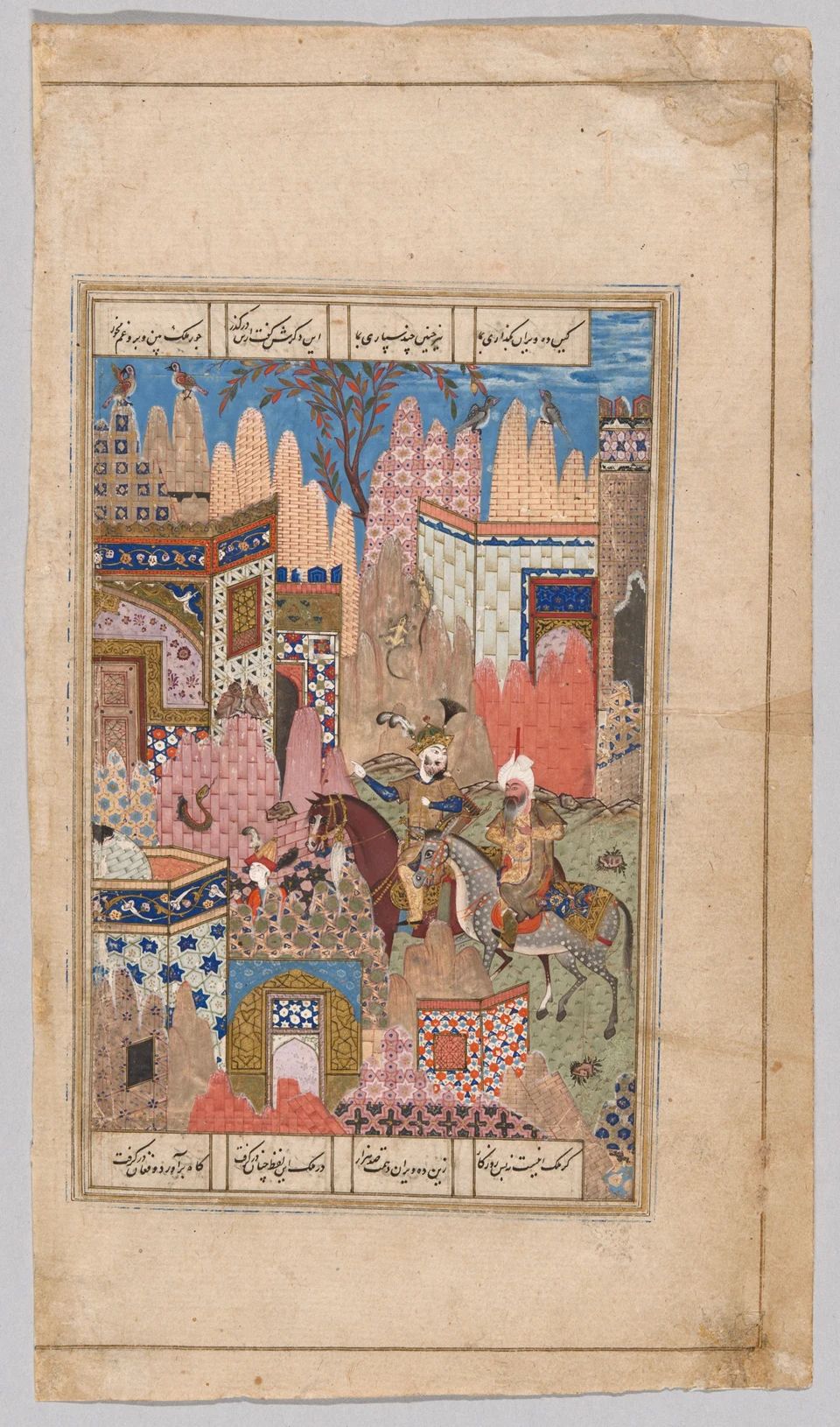 King Anushirwan and the Owls
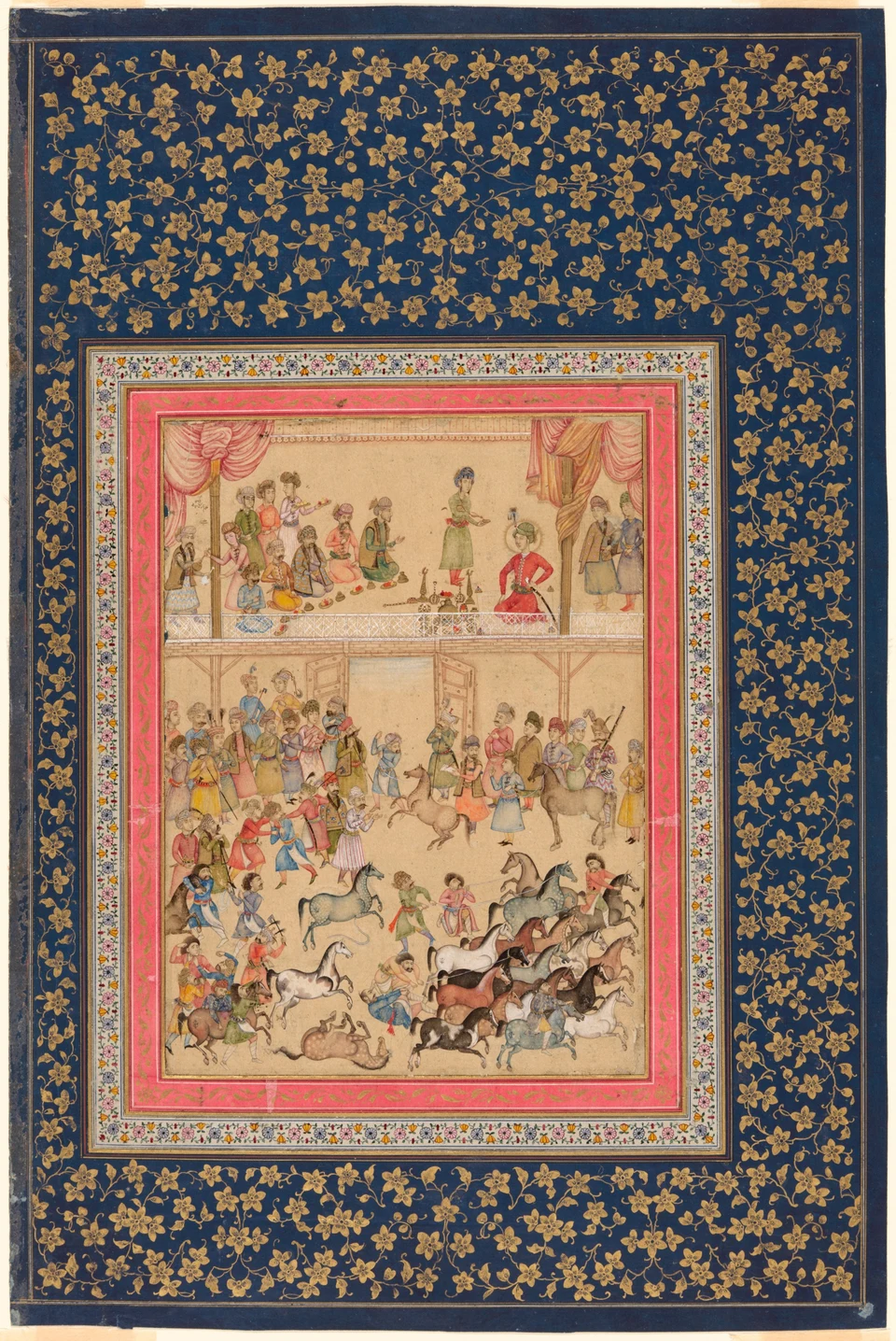 Royal Horse Inspection
No artworks found
Try another word, style or period, or clear the filters to see every work.