Fauvism
4 artworks from public collections
Browse by style
- Japanese prints
- Impressionism
- Japanese painting
- Chinese painting
- Post-Impressionism
- Realism
- Baroque
- Modernism
- Rococo
- Dutch Golden Age
- Neoclassicism
- South Asian painting
- Barbizon School
- Chinese painting: Ming
- High Renaissance and Mannerism
- Chinese painting: Qing
- Romanticism
- Symbolism
- Expressionism
- Late Gothic and Early Renaissance
- Northern Renaissance
- Renaissance
- Mexican prints
- Neo-Impressionism
- The Blue Rider
- Die Brücke
- American modernism
- Korean painting
- Cubism
- School of Paris
- Futurism
- De Stijl
- Chinese painting: Liao and Yuan
- Vienna Secession
- Ashcan School
- Fauvism
- Persian manuscripts
- Abstract art
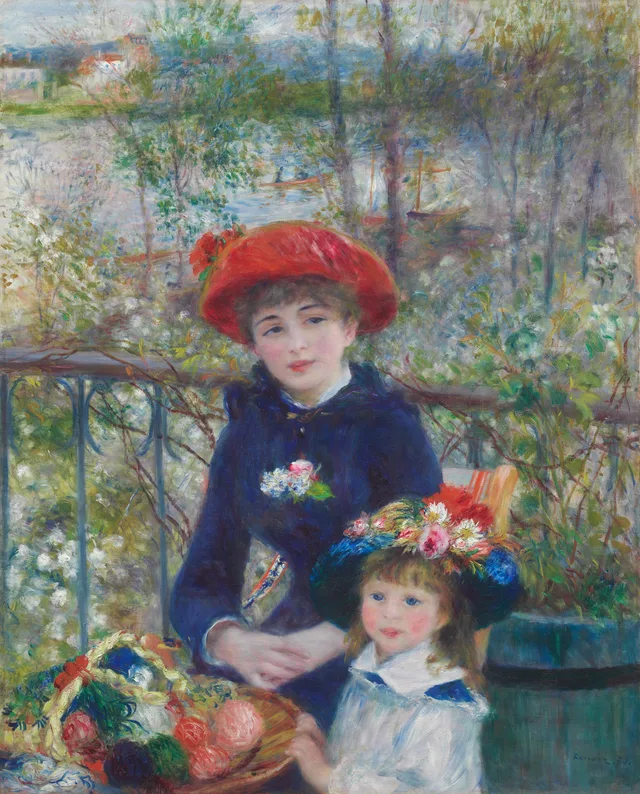
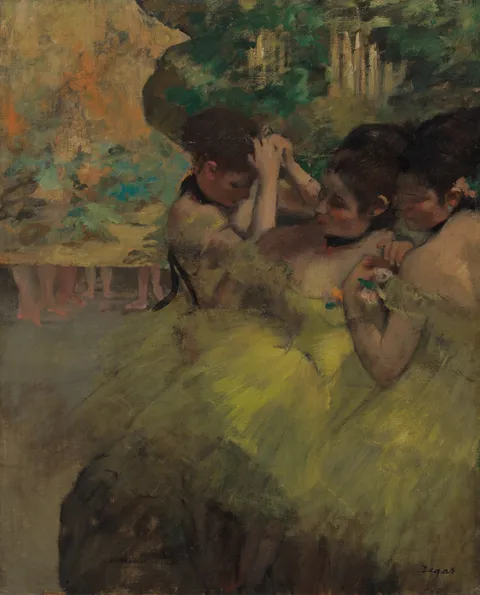
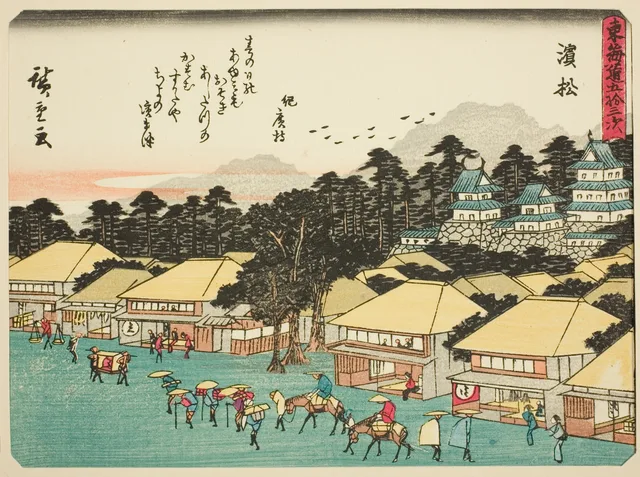
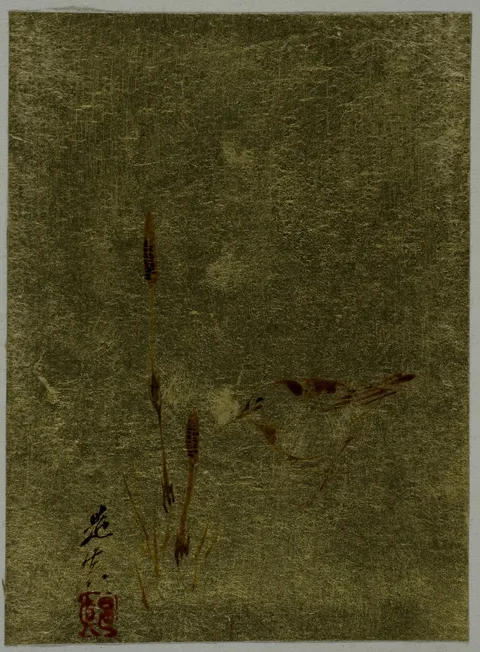
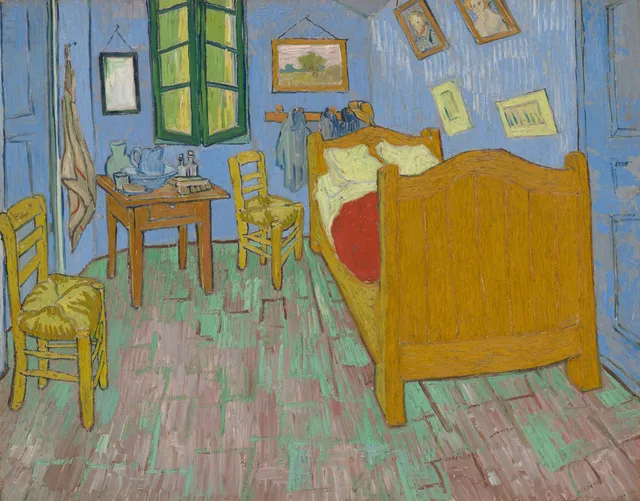
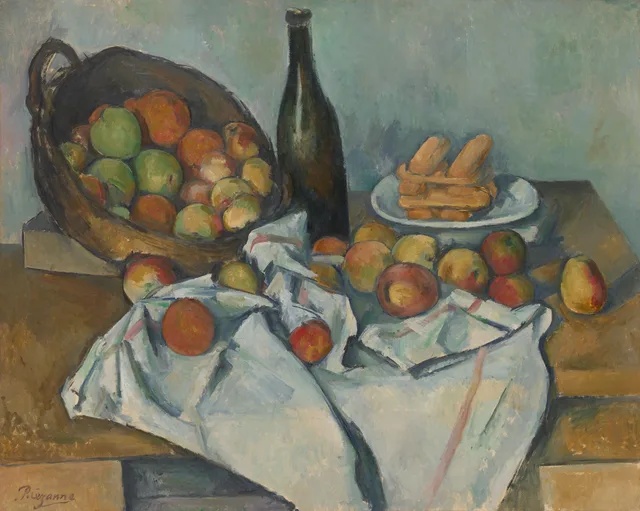
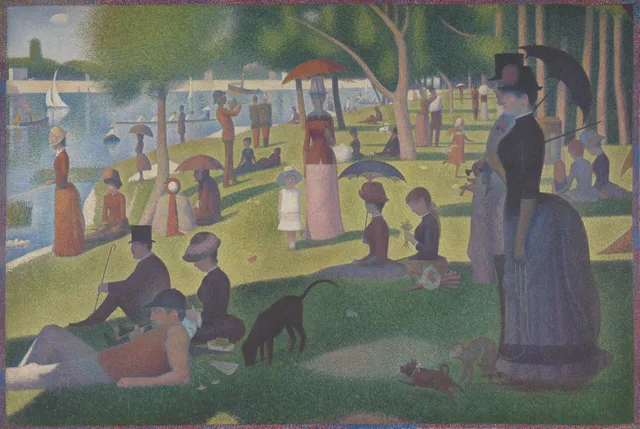
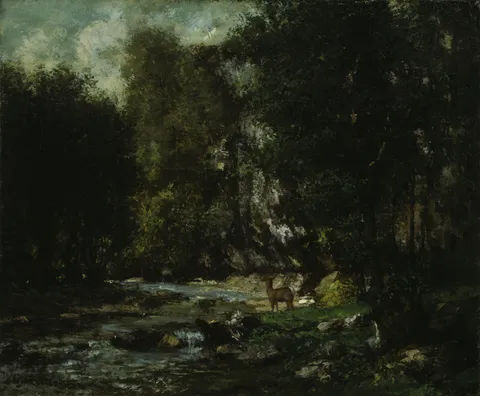
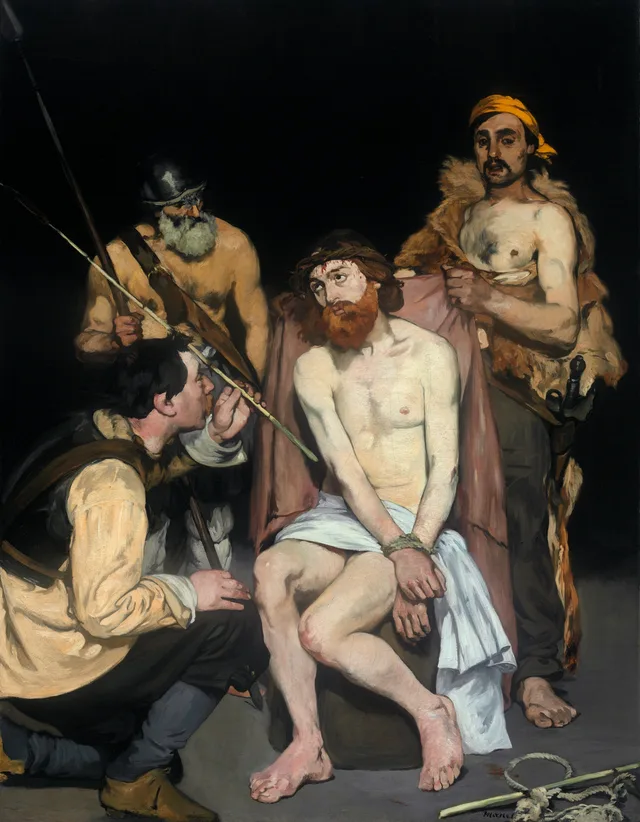
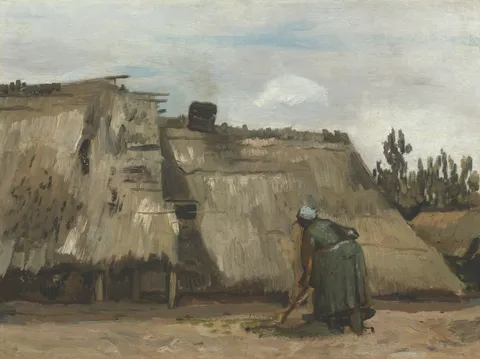
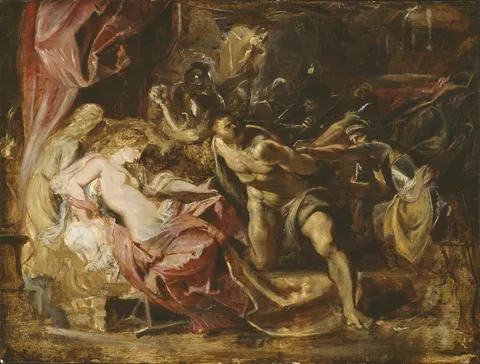
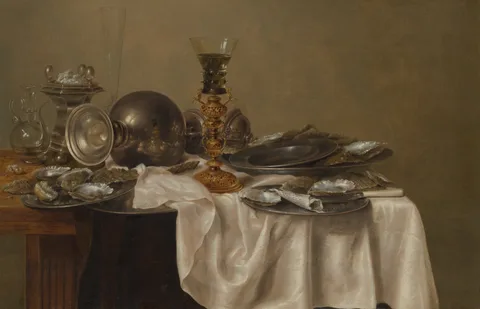
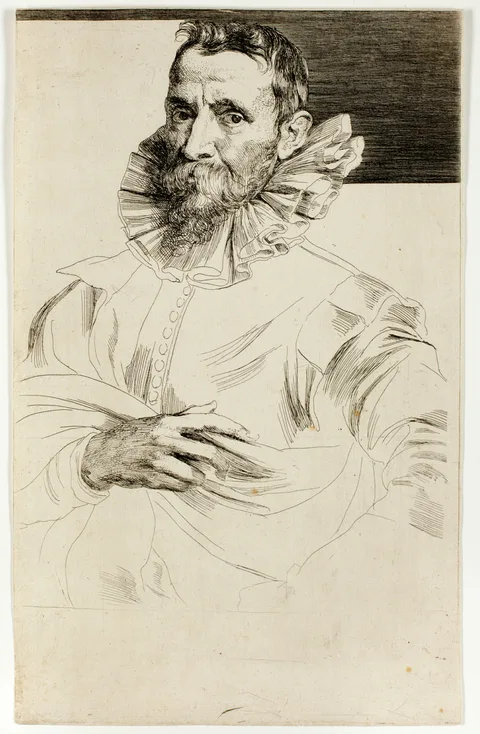
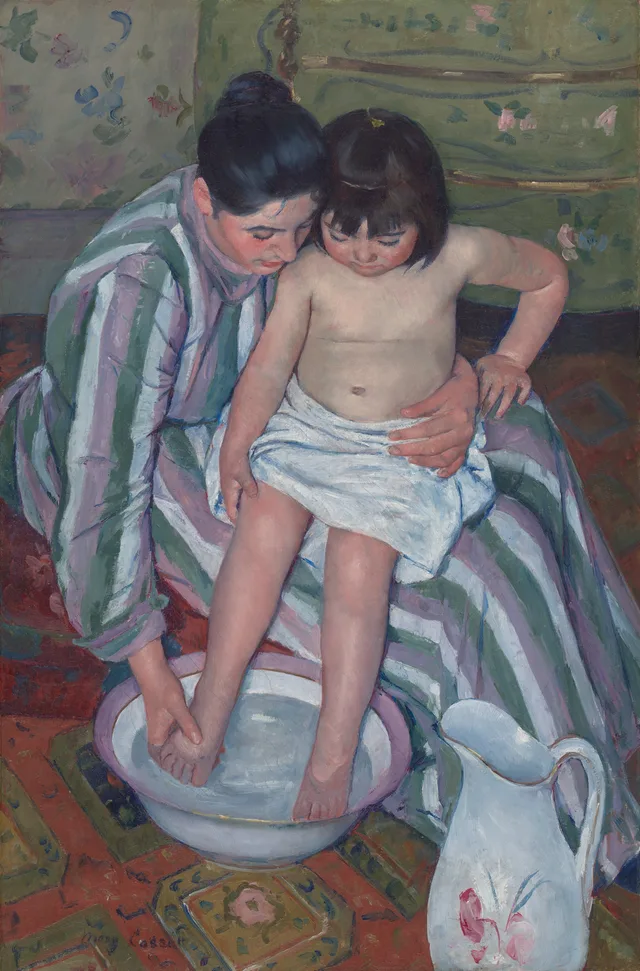
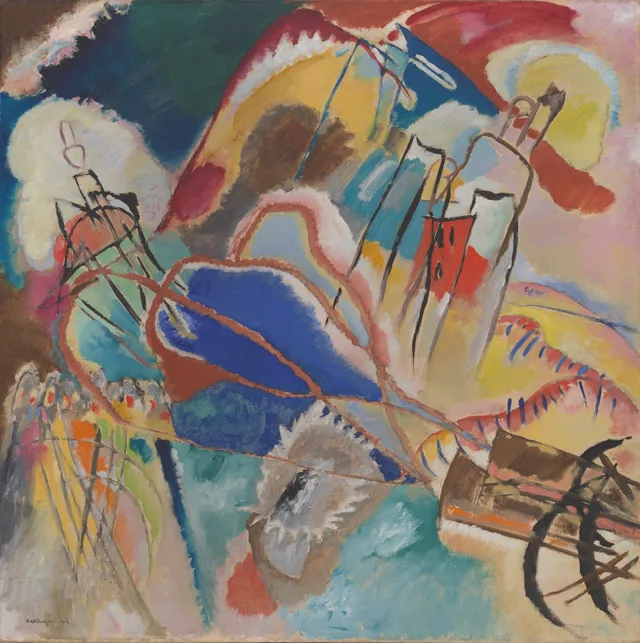
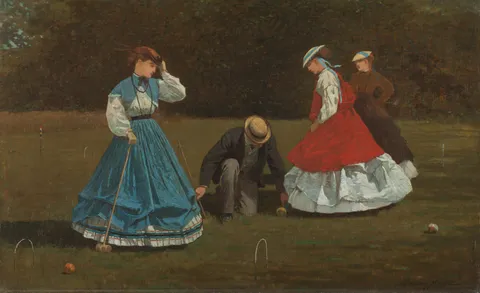
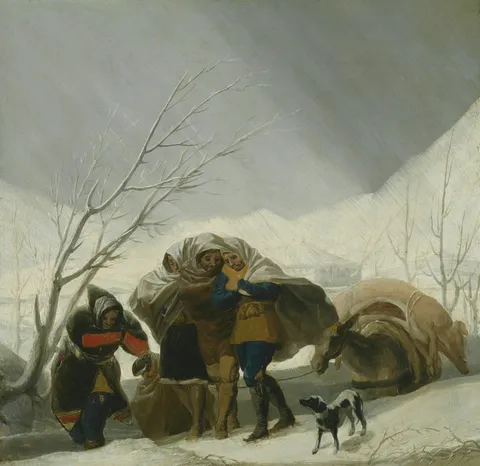
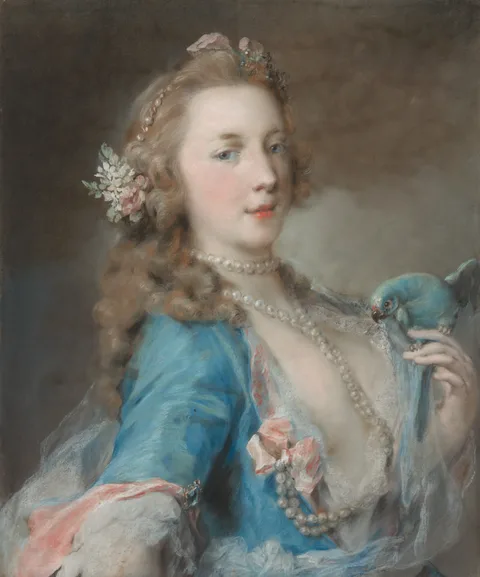
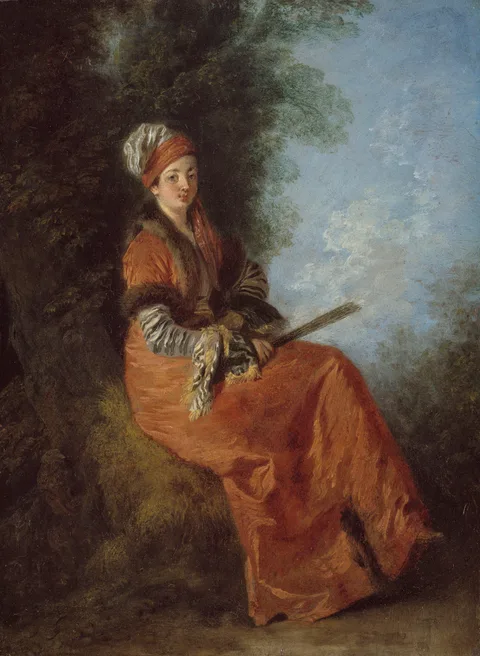
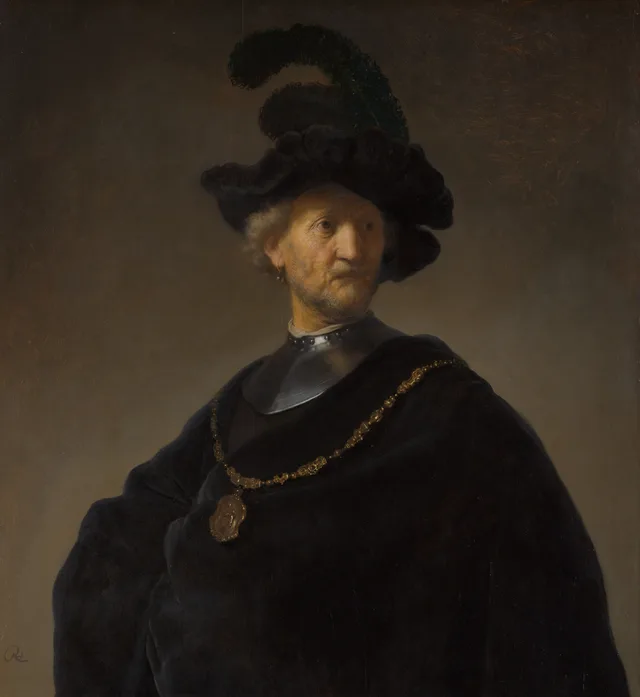
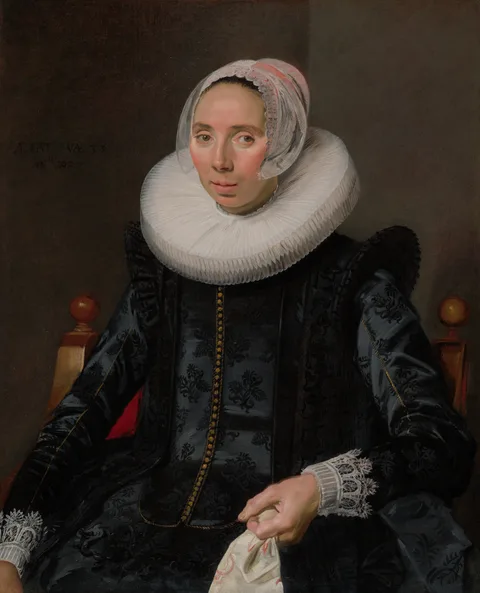
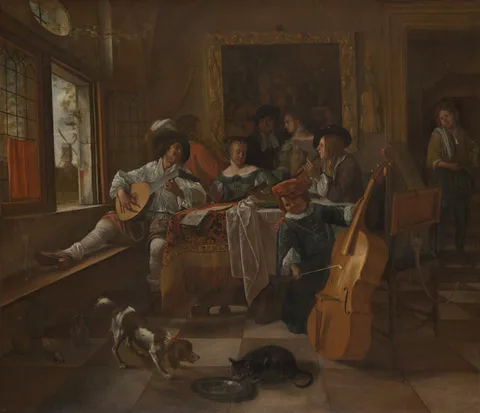
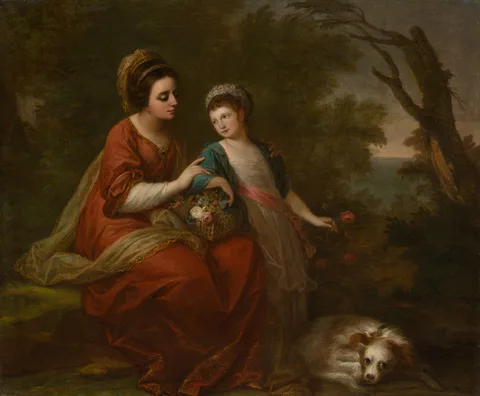
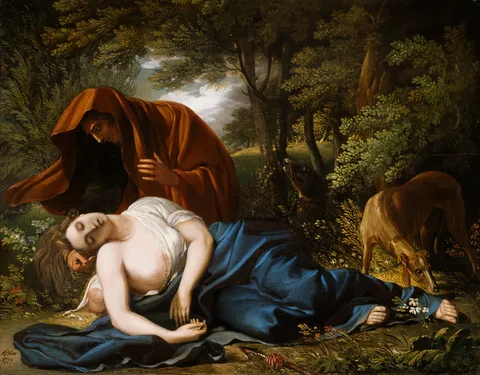
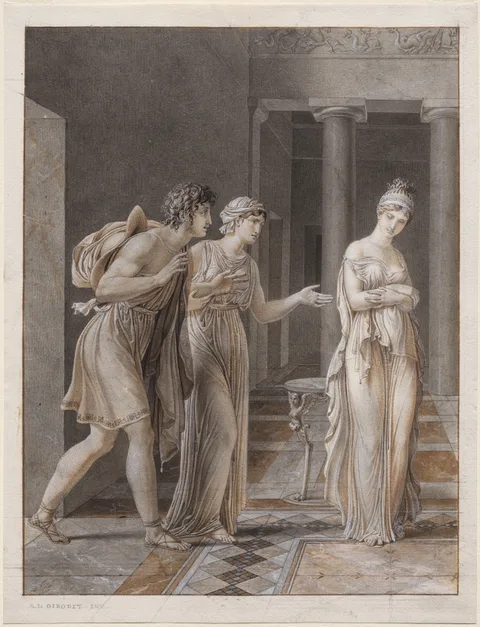
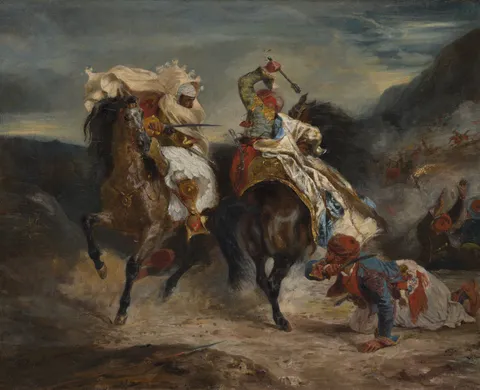
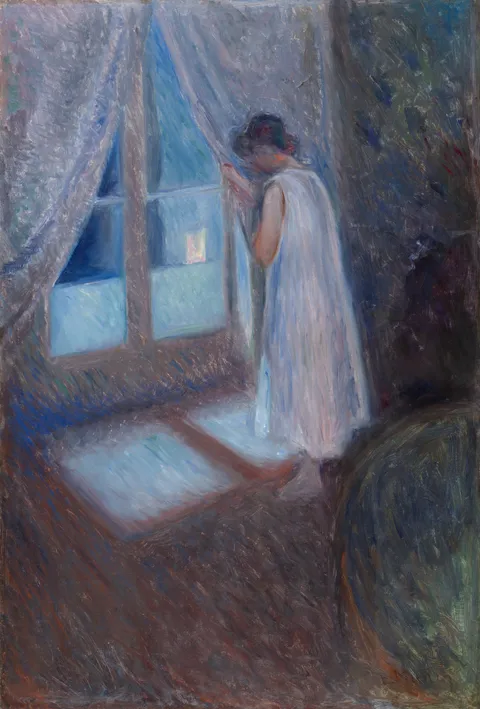
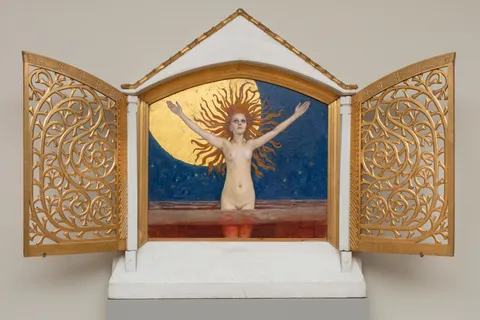
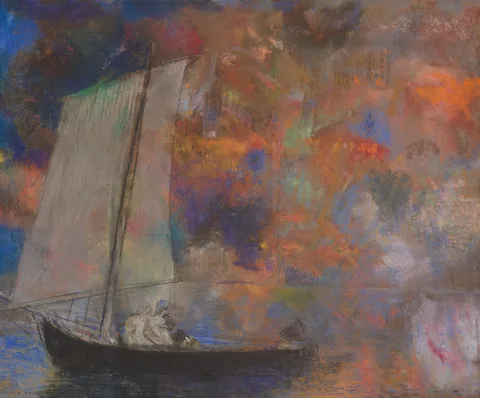
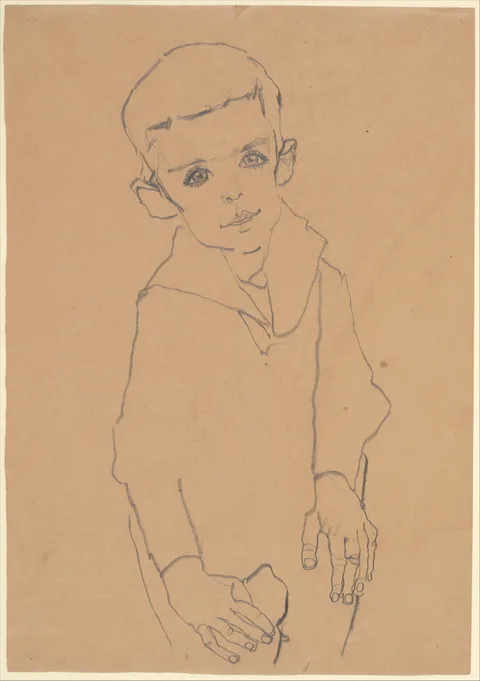
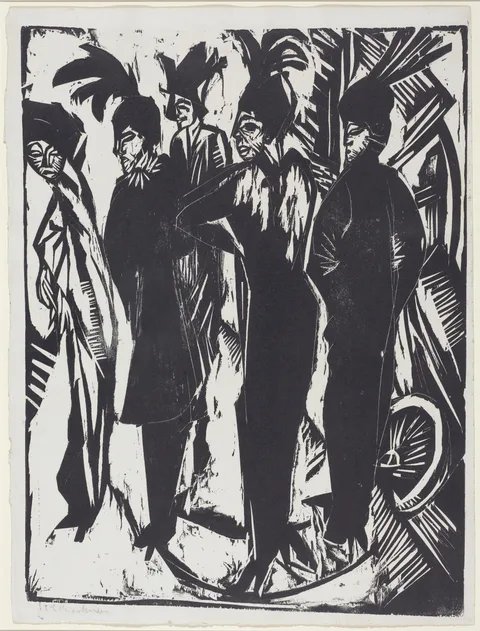
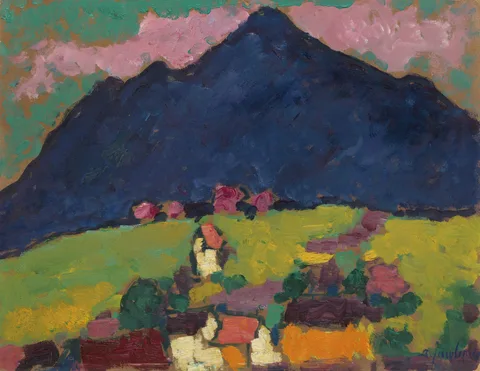
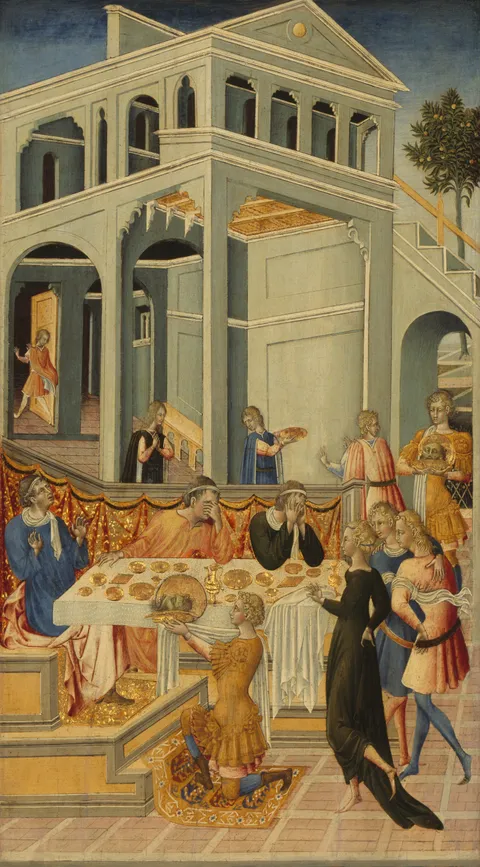
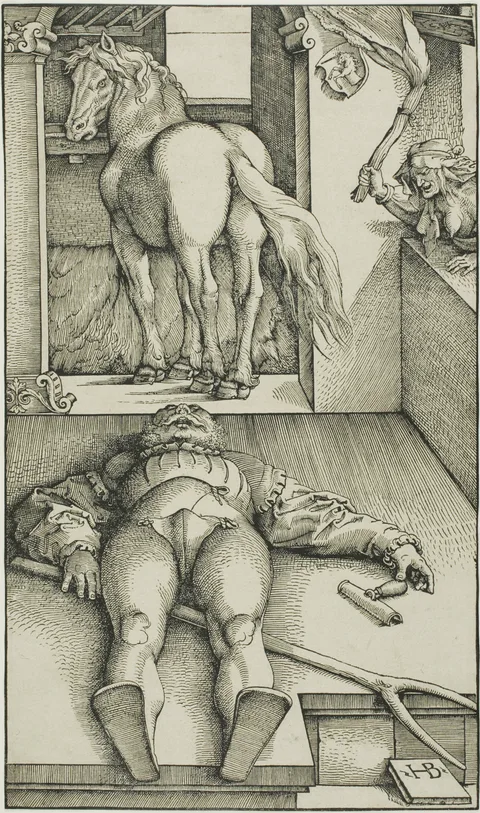
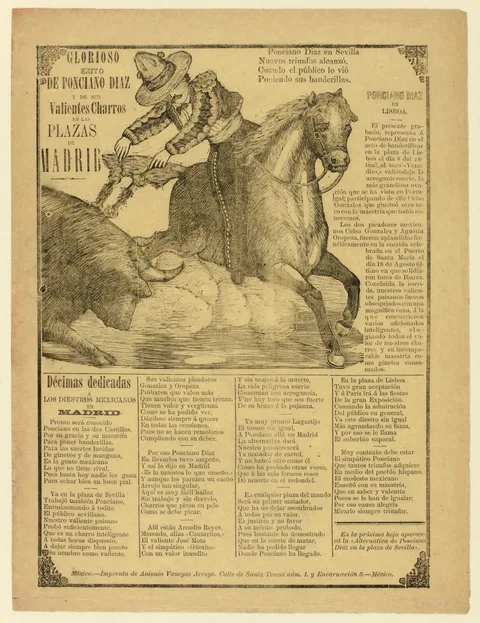
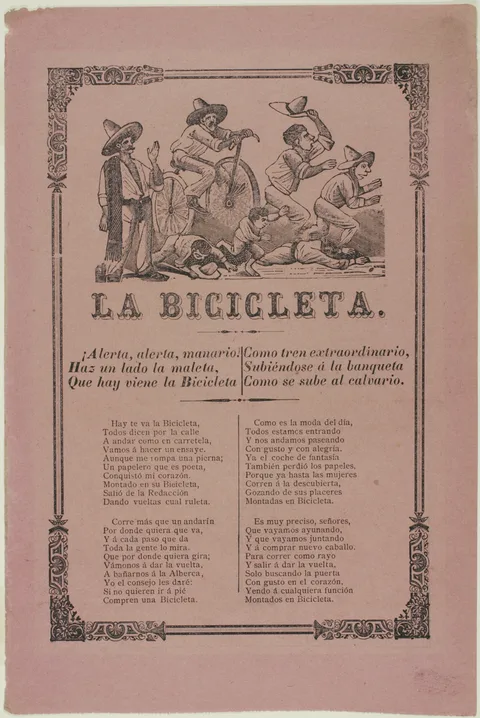
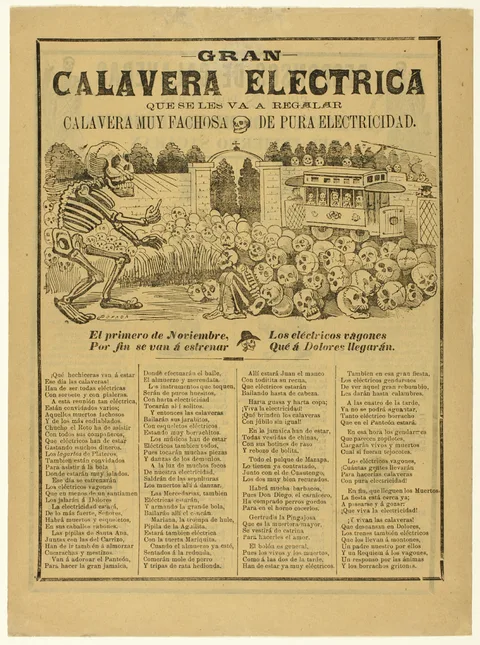
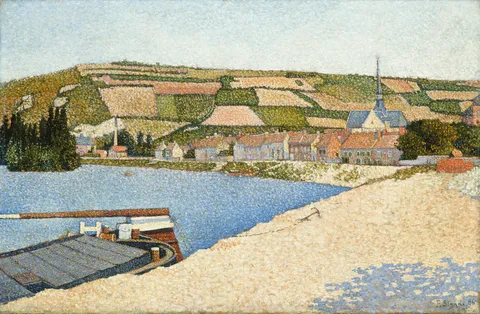
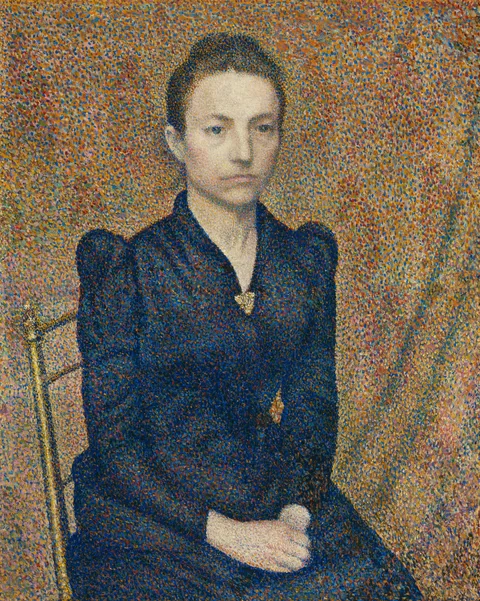
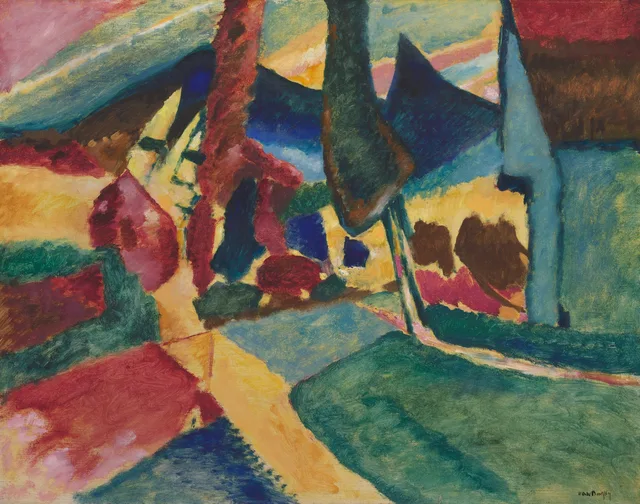
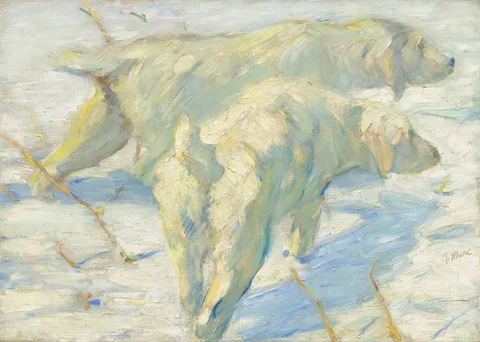
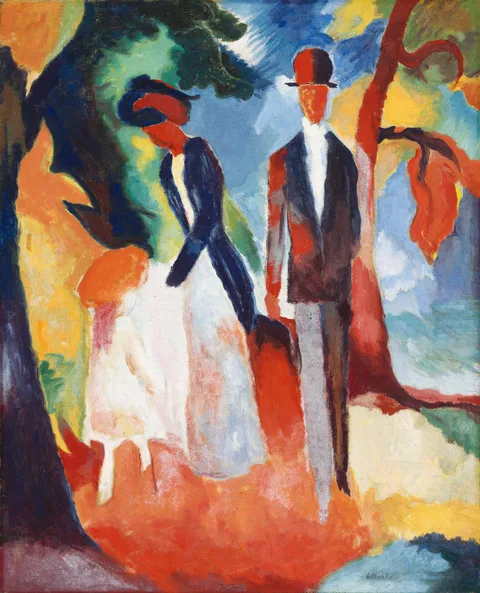
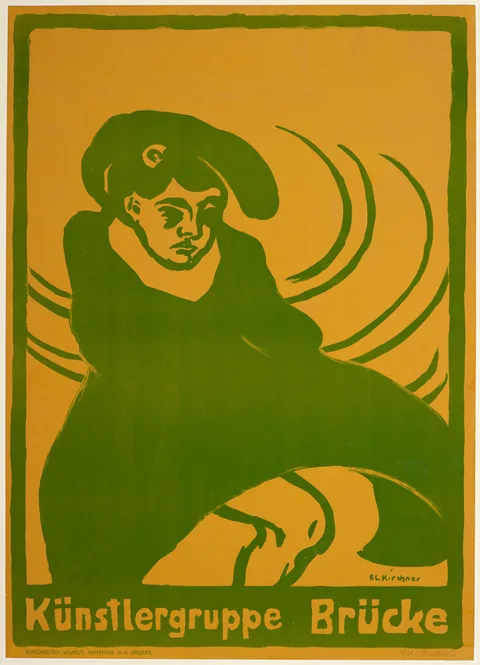
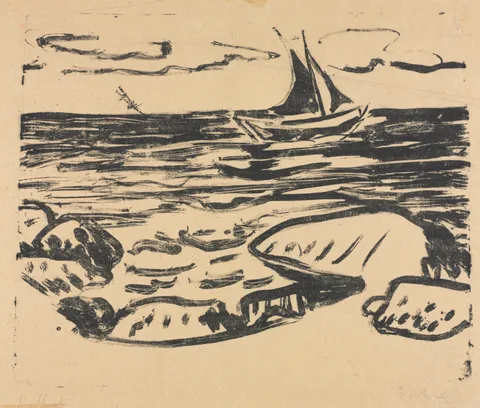
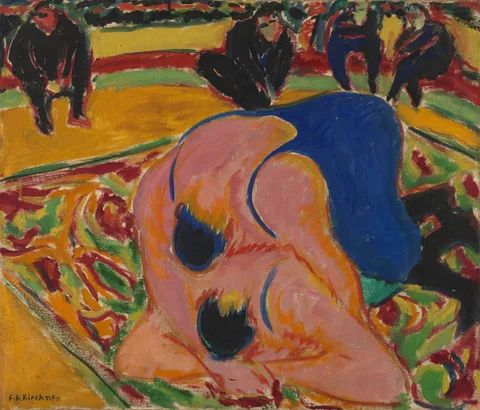
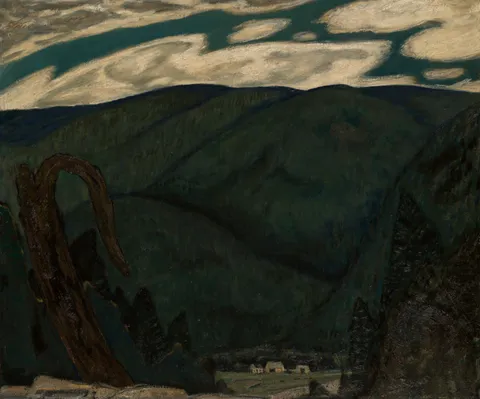
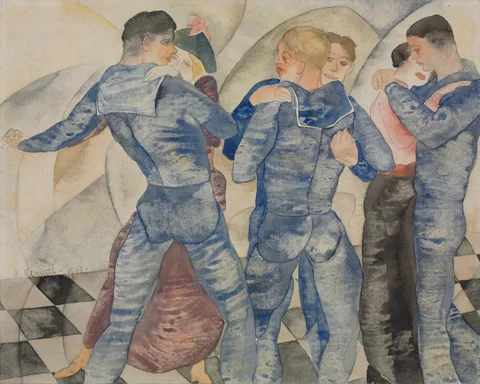
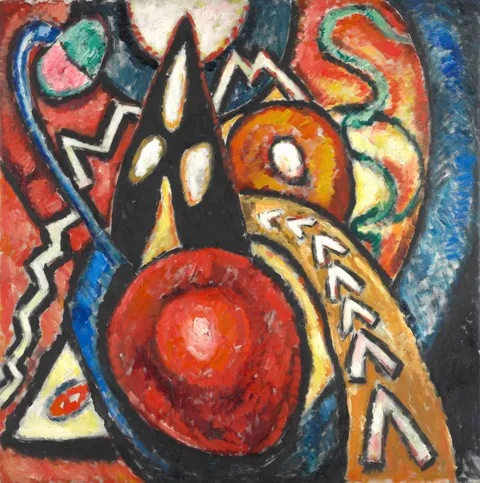
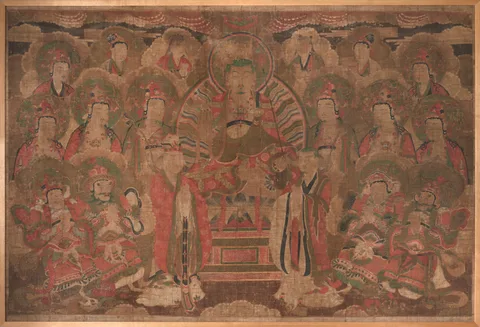
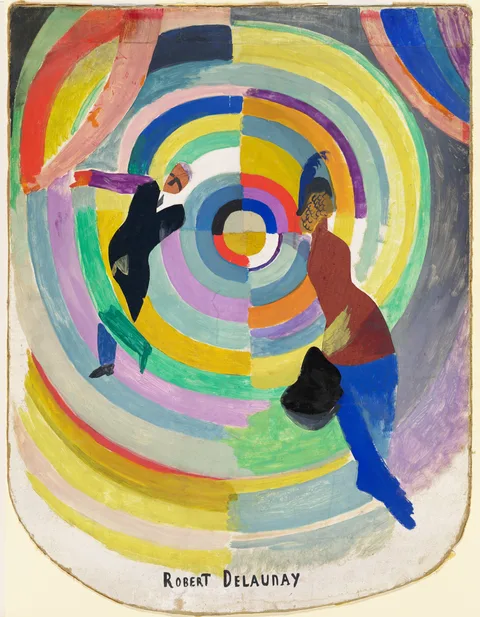
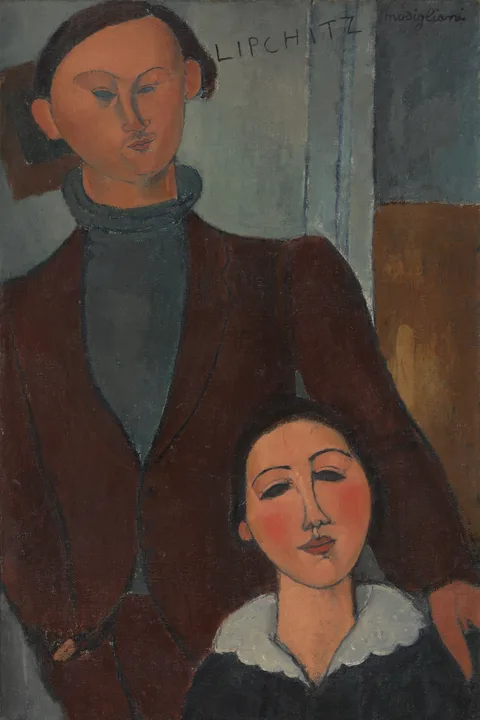
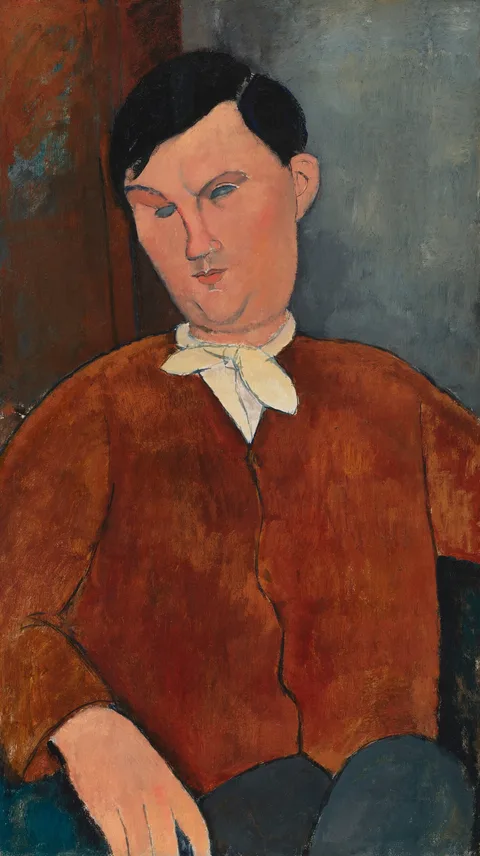
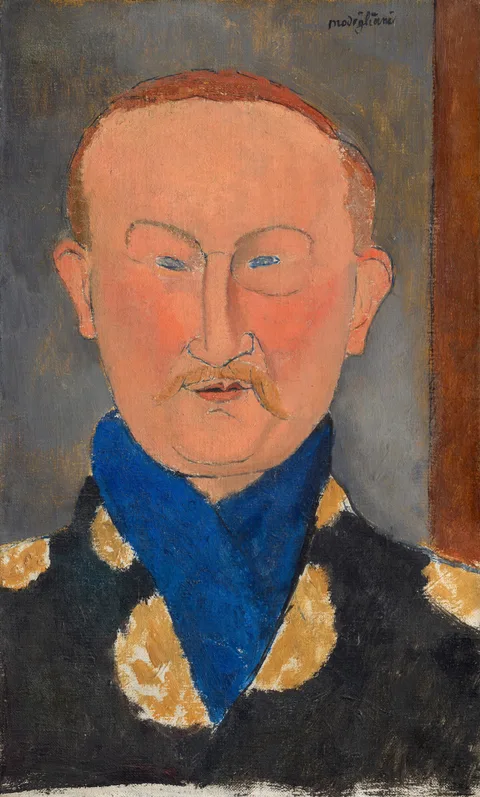
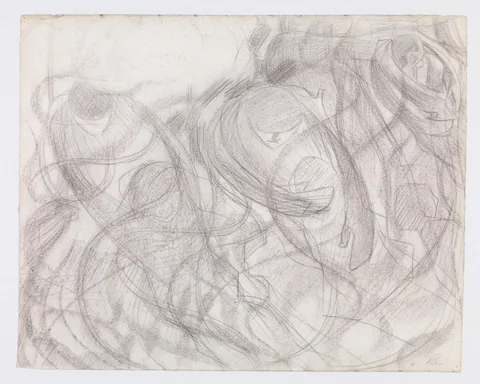
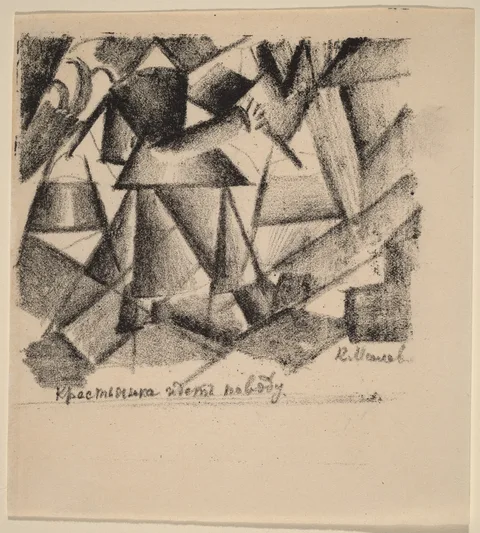
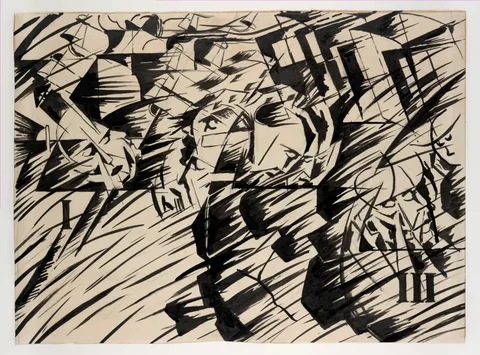
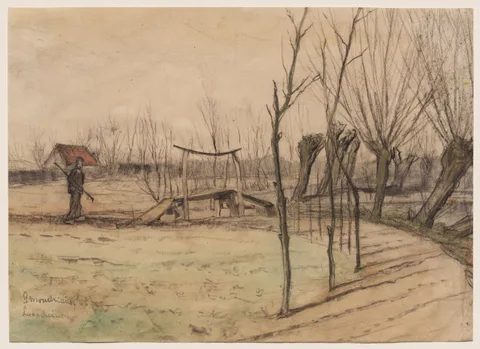
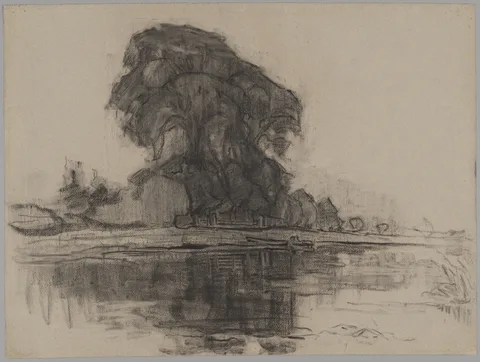
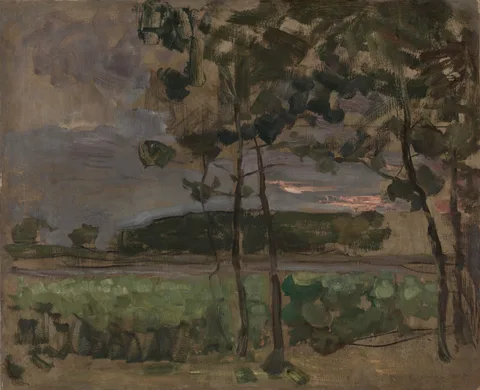
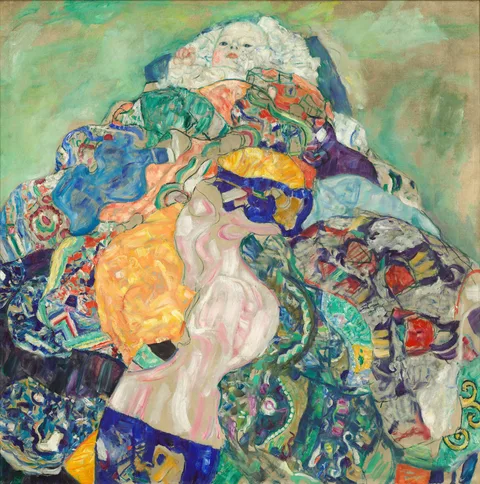
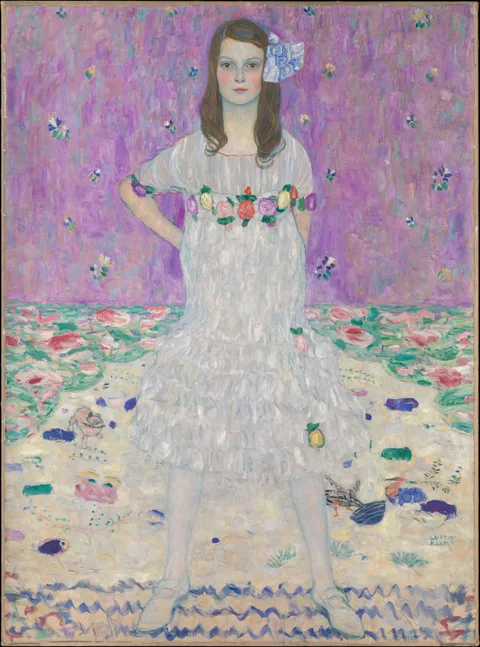
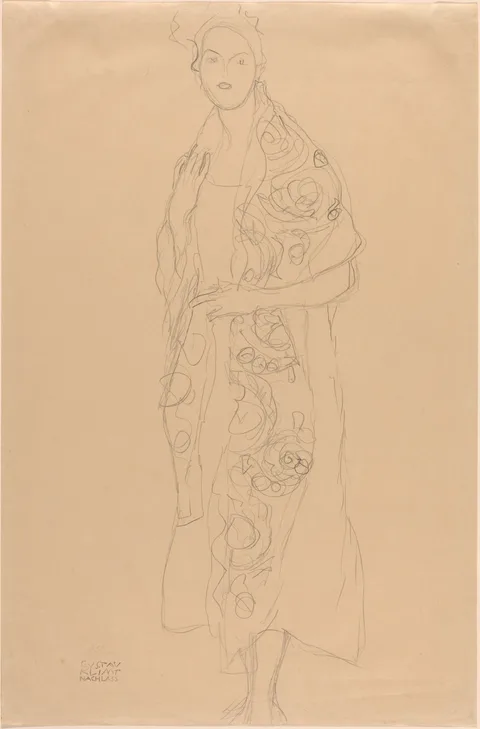
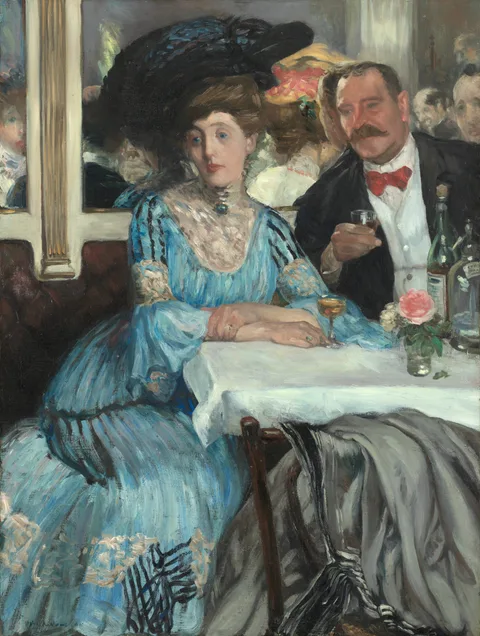
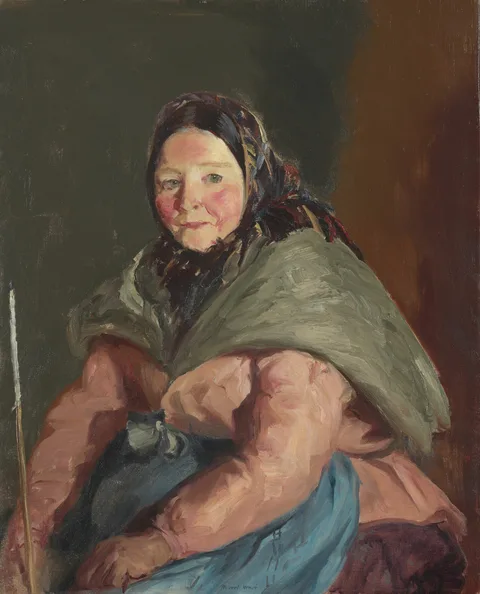
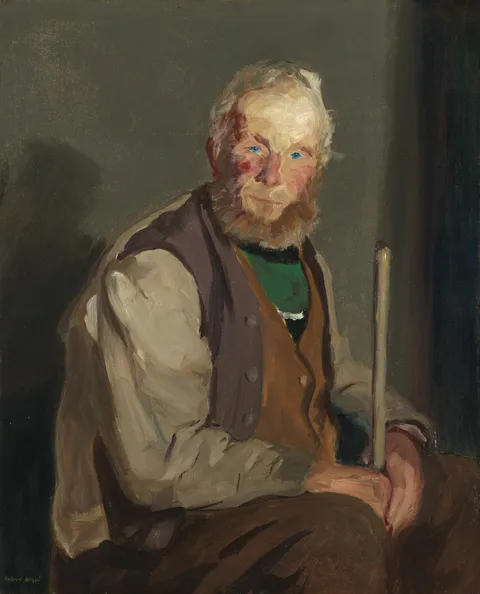
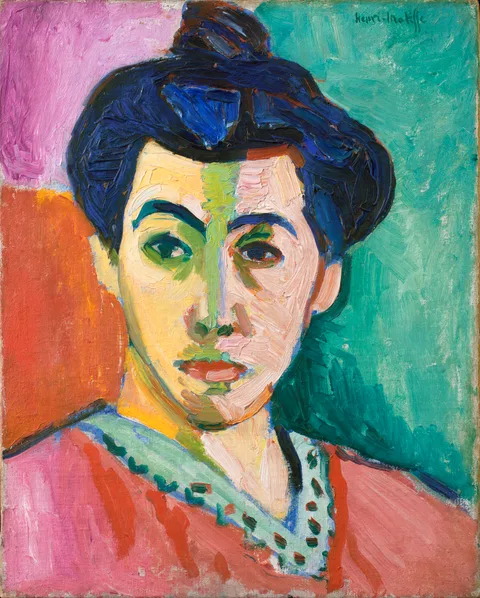
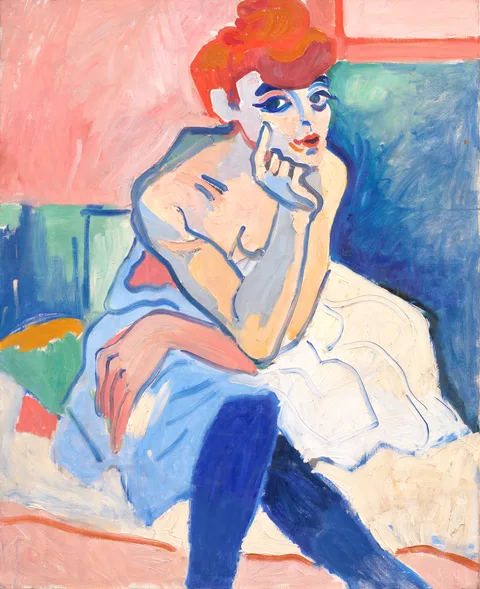
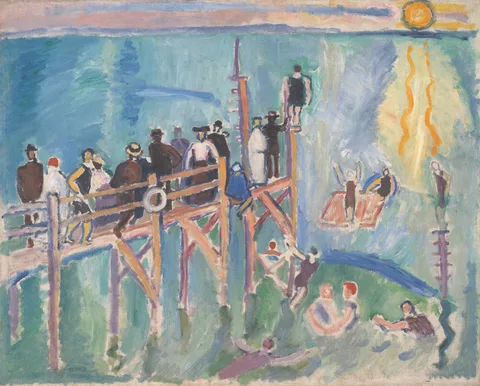
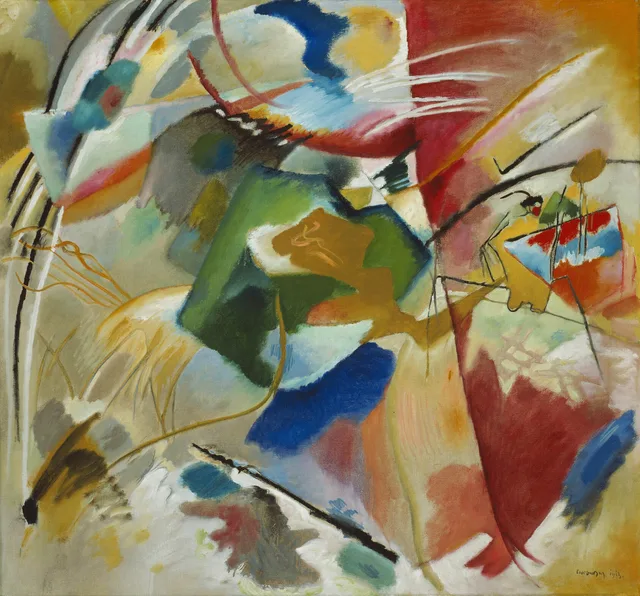
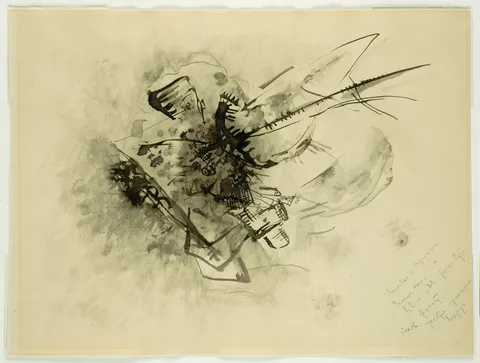
A green face or a bright red shadow can organize a Fauvist painting without copying natural color. Matisse and Derain developed these experiments together at Collioure in 1905. Bold strokes and strong color contrasts connect their loosely associated circle with Van Gogh, Gauguin and Neo-Impressionism, while each artist continued in a different direction. Follow a color across the canvas: it may connect distant shapes or flatten the space instead of describing sunlight. The nickname Fauves, or wild beasts, followed the 1905 Salon d’Automne in Paris. The artists shared an experimental moment rather than a lasting organization with a single program. Connected places: Paris · Collioure · The Normandy coast.
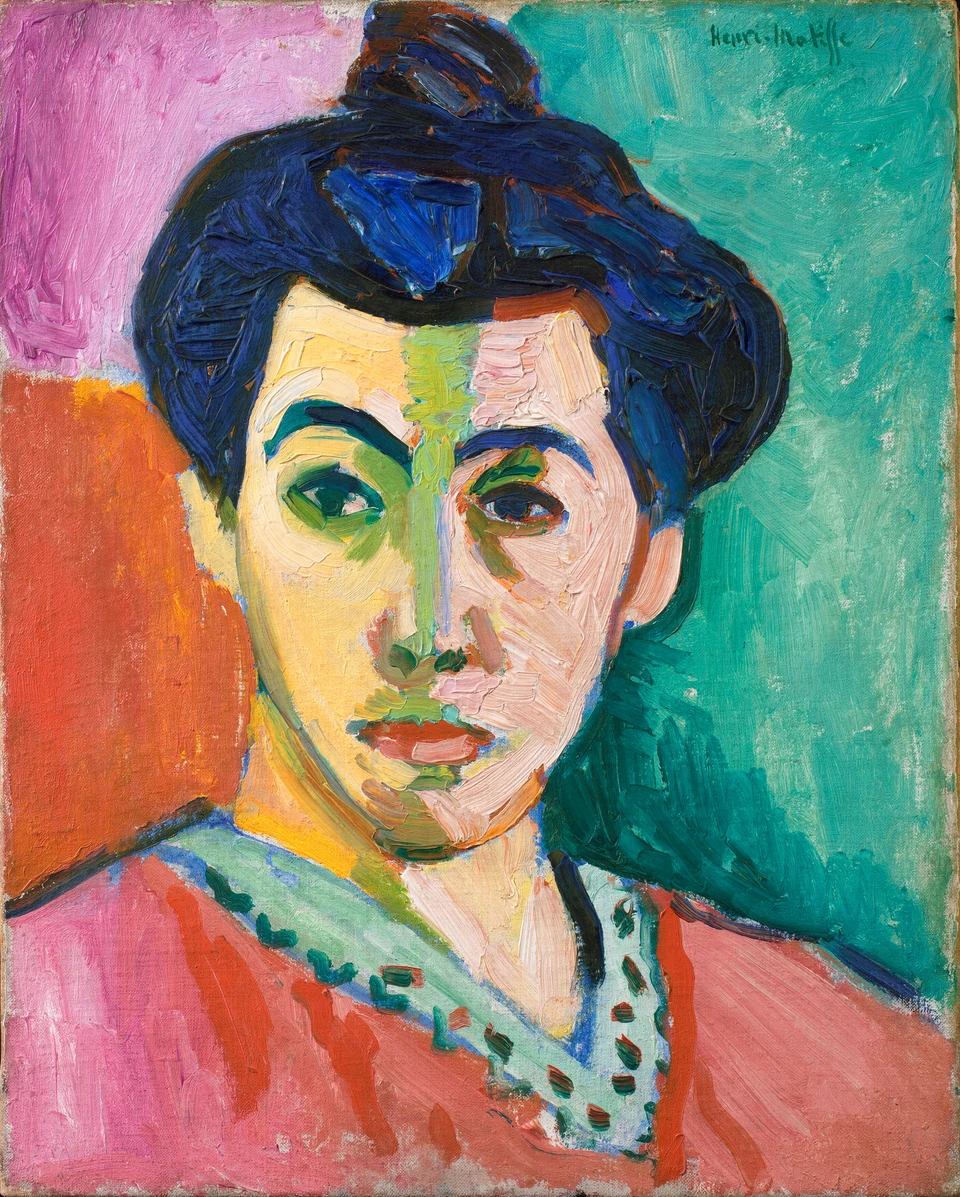 Portrait of Madame Matisse. The Green Stripe
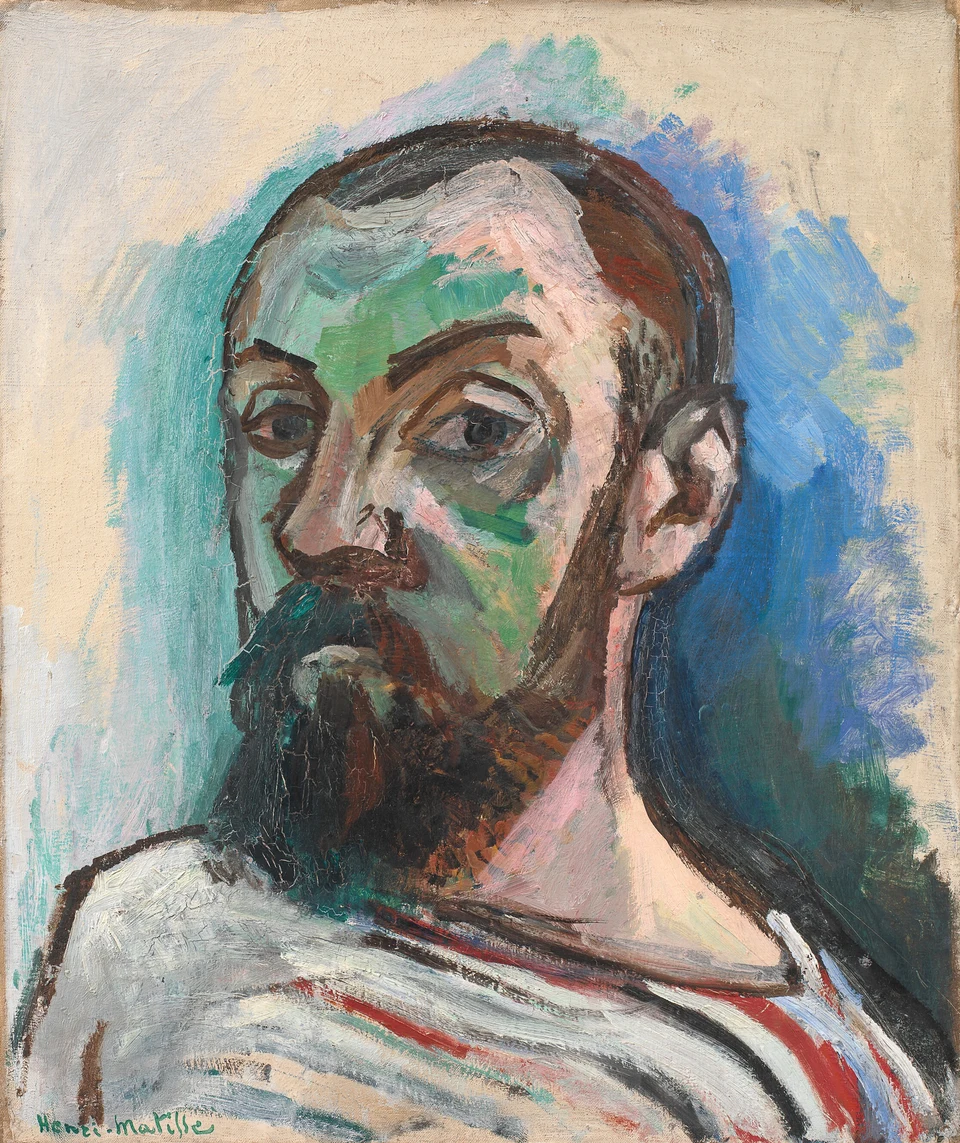 Self-Portrait
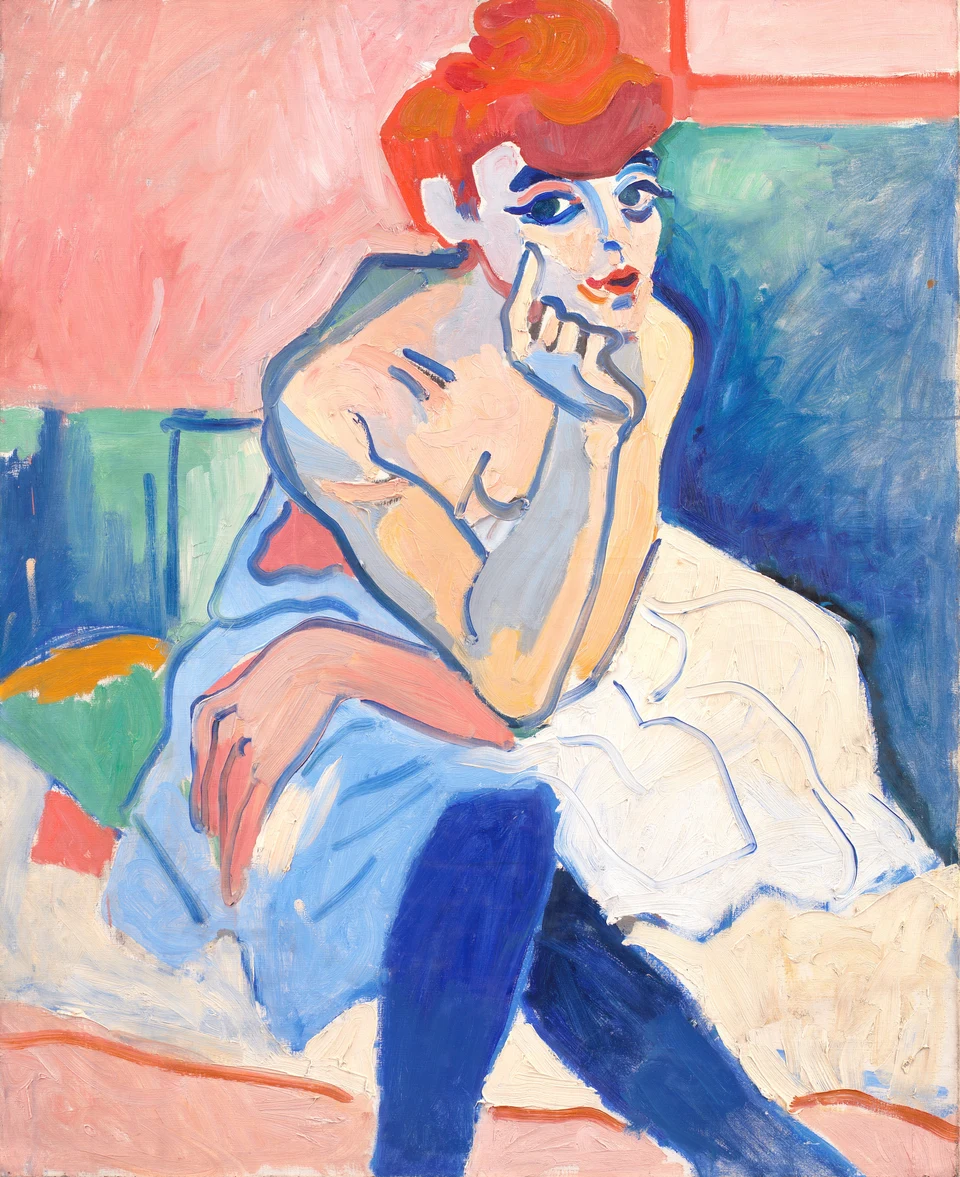 Woman in a Chemise
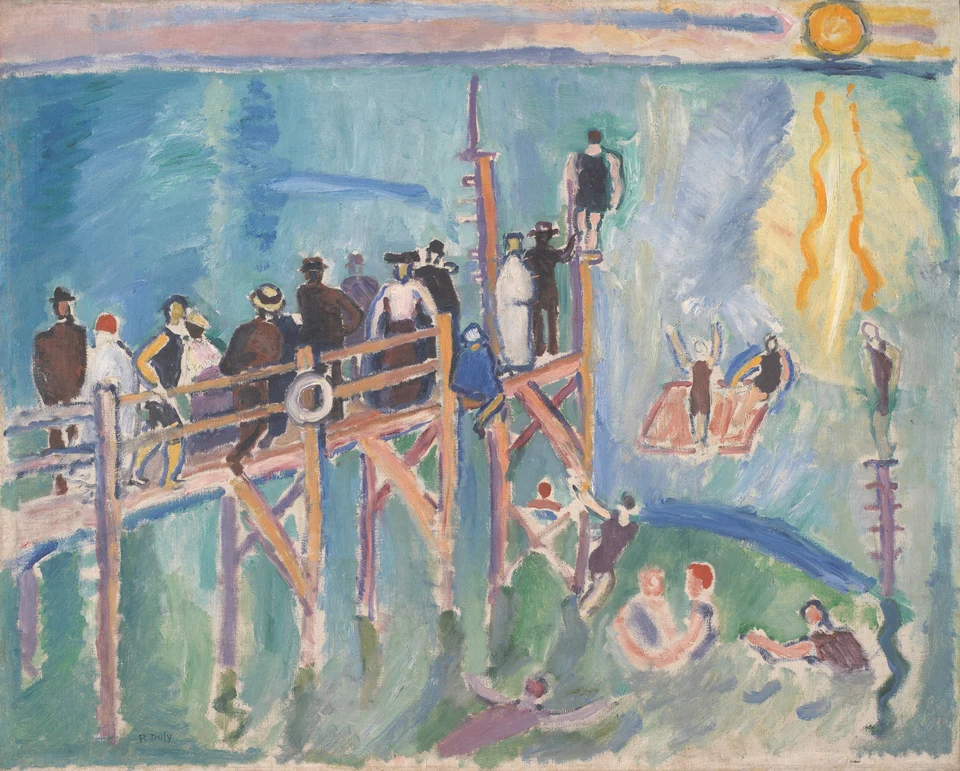 Sunlight on the Sea at Sainte-Adresse
No artworks found
Try another word, style or period, or clear the filters to see every work.