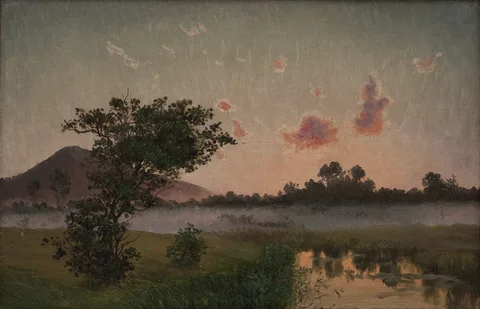
Move from a rocky coast and boats on the water to a summer evening and a winter forest at night. Each painting sets a different pace for looking.
467 artists, 2737 works from public collections
Opening artists…
The artist directory couldn’t load. Try again.
Move from a rocky coast and boats on the water to a summer evening and a winter forest at night. Each painting sets a different pace for looking.
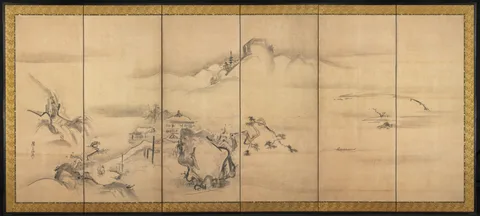
Watanabe Shikō uses the folding screen for very different kinds of looking. His river landscapes spread pale mountains, boats and small buildings across broad stretches of mist. The iris screens replace that distant view with a close rhythm of leaves and flowers against gold. The irises refer to a literary account of a traveler remembering his wife. Compare how color and open space organize the two subjects.
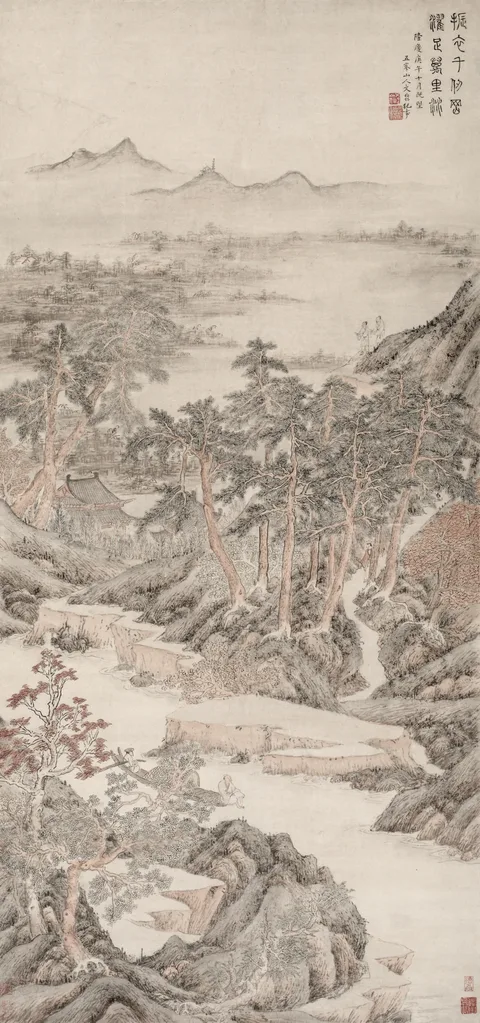
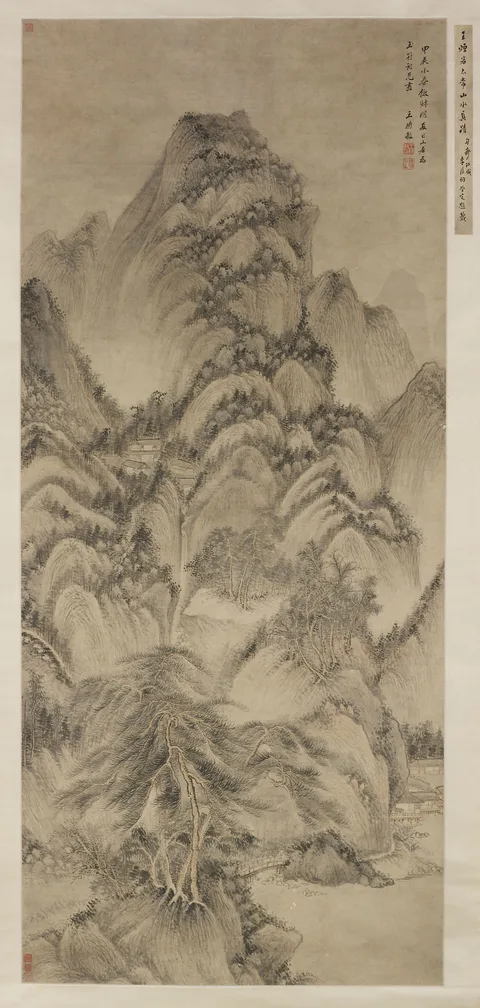
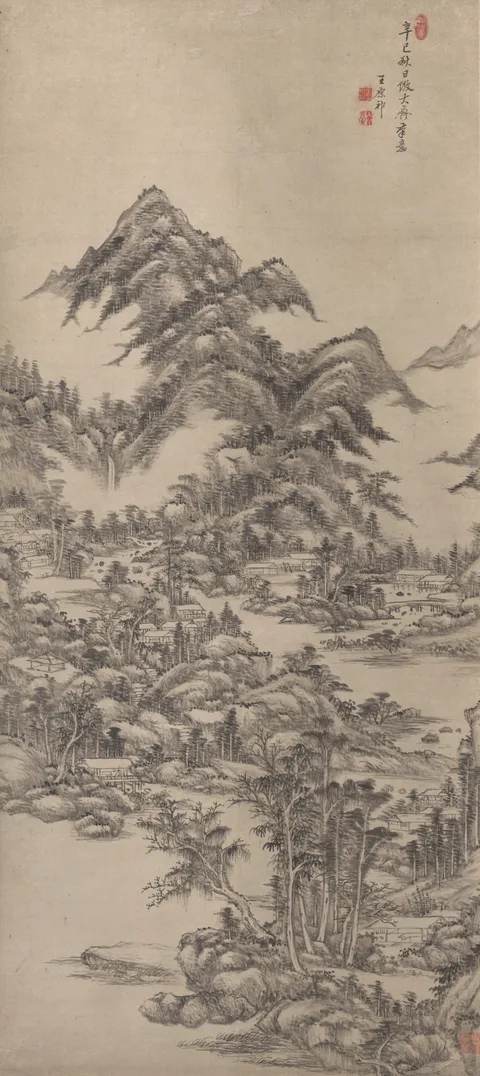
Wen Boren brings poetry and scholarly retreat into landscapes of rivers, villages and mountains. A quiet view may also carry a story: a musical encounter, a farewell or a scholar washing his feet. The scale of the small figures encourages a slow search through the larger setting.
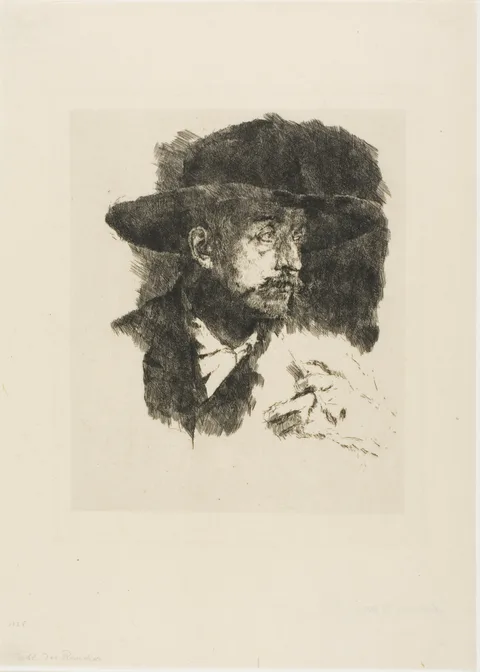
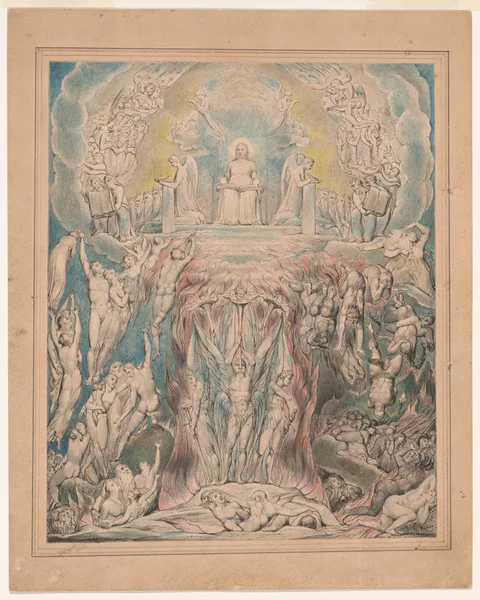
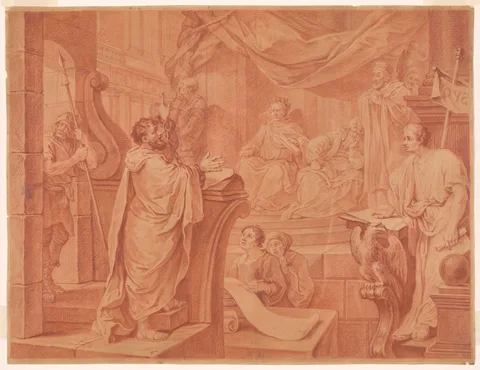
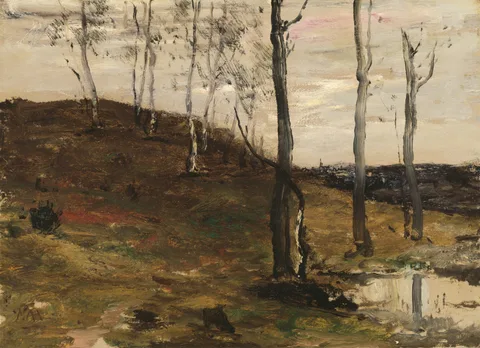
William Morris Hunt’s Hillside with Trees makes a modest patch of ground worth exploring. Thin trunks interrupt the pale sky, while rough strokes describe the sloping earth and a small reflective pool. Notice how the nearest trees are set apart from the more softly described branches and distant ground.
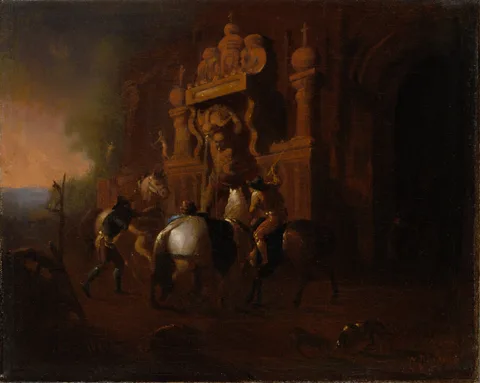
William Rimmer places horses and figures beside an elaborate fountain as darkness gathers around them. The warm light catches the animals and carved stone, leaving much of the setting in shadow. Start with those illuminated surfaces, then let your eyes adjust to the small actions and shapes along the edges.
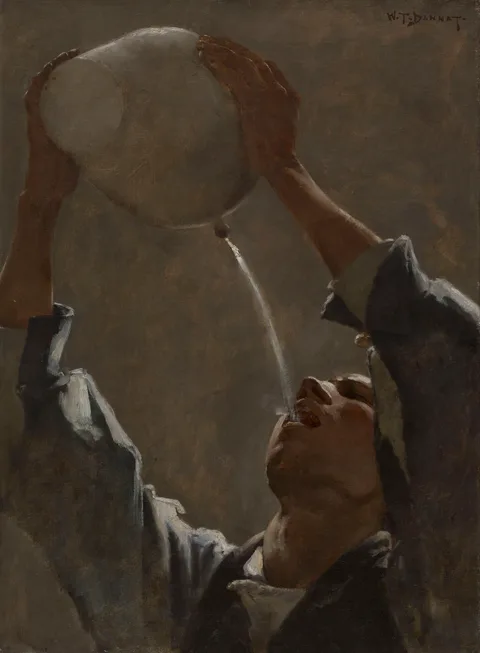
William Turner Dannat’s study for An Aragonese Smuggler explores a figure later developed into a larger painting of a boy taking a drink. The Art Institute describes the loose brushwork of this preparatory image. Look at which features are brought into focus and which remain quickly indicated, allowing the study to reveal a painting in development.
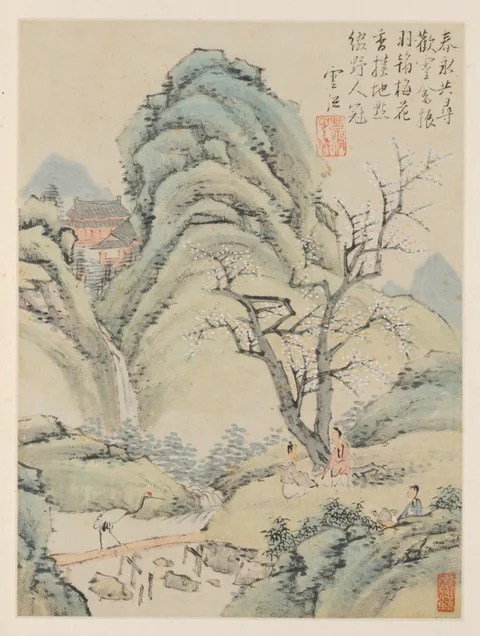
Xiao Yuncong’s seasonal landscapes combine delicate color with sharp variations in ink. Trees, paths and small buildings organize the views, while poems and seals occupy space around the scenery. These album leaves offer different routes through hills and water. Cleveland notes that some red seals were added by later collectors, so the page also carries evidence of the painting’s life after it left the artist.
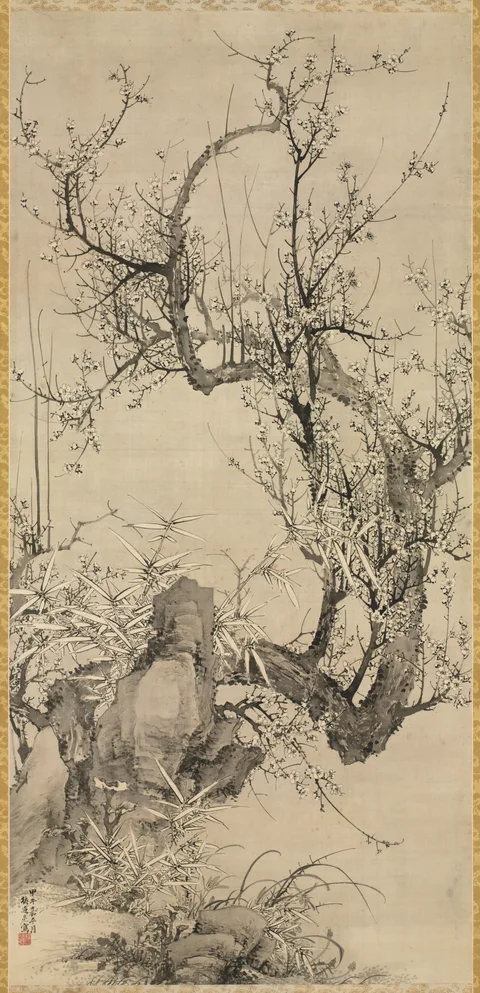
Yamamoto Baiitsu explores the different textures that ink can give to plants, birds and water. Plum branches, bamboo and an orchid gather in a vertical composition, while reeds and flying geese spread across paired screens. The plants also carry associations with virtues in Chinese painting. The screens survive in a modern mounting; Cleveland notes that their original arrangement is uncertain.
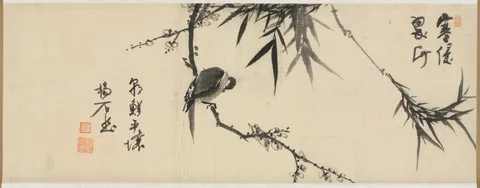
Yang Ki-hun painted birds and plants within the Korean tradition of ink painting and calligraphy. In these works, a sleeping bird and an egret are surrounded by branches or reeds rather than a fully described landscape. The differing textures of plumage, stalks and leaves keep the sparse scenes lively.
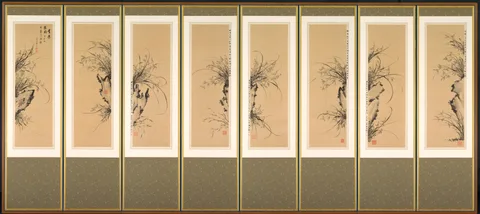
Yi Ha-eung uses ink alone to give orchids and rocks a changing rhythm across eight screen panels. Long leaves arc downward from craggy ledges, alternating dense clusters with open space. Orchids were associated with the integrity of scholars, and Yi became known for painting them. His writing accompanies the images, allowing brushwork in the inscription and in the plants to be seen together.

Yi Taek-gyun’s painted shelves are crowded with books, vessels, writing tools and flowering plants. This screen belongs to the Korean subject known as chaekgado, or pictures of bookshelves. The arrangement suggests recesses and projecting objects while keeping a strong decorative rhythm across ten panels. A concealed seal identifies the painter, a court artist active in the late nineteenth century.
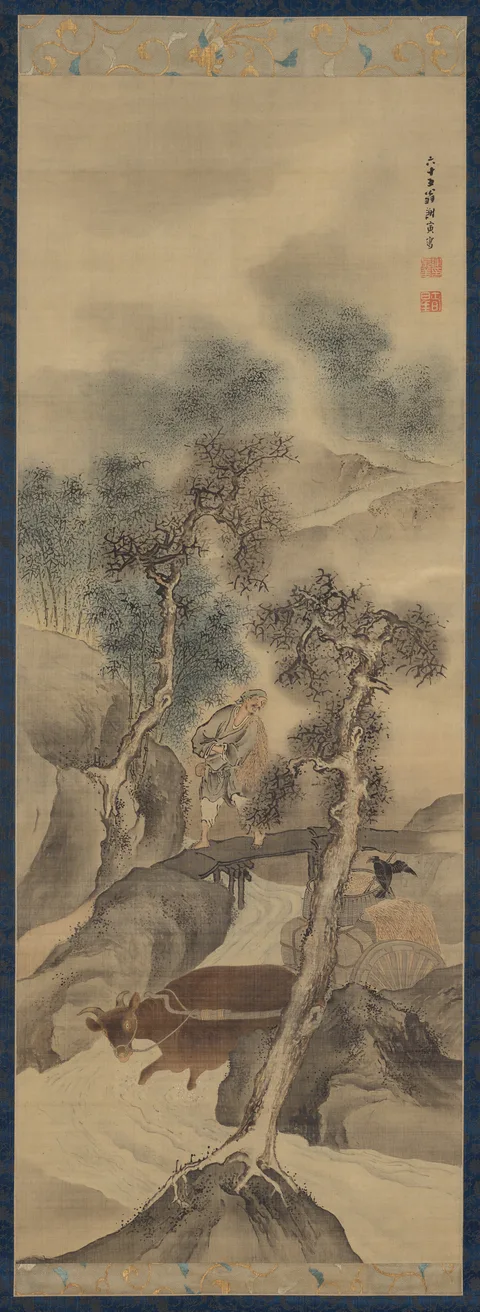
Yosa Buson worked as both a poet and a painter. His paintings bring together literature, rural life and changing weather, sometimes placing substantial passages of writing beside a few figures. A farmer crossing water and a snow-covered mountain retreat show how different kinds of brushwork can establish a setting.
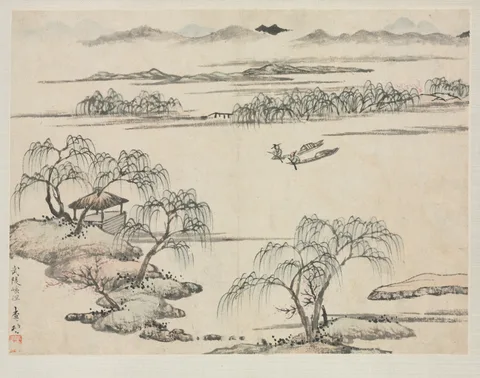
Zha Shibiao’s album moves between open waterways, spring activity and a quiet snowy landscape. Thin outlines and soft washes let boats, houses and bare trees remain distinct within the larger setting. The Stream of Wuling refers to the Peach Blossom Spring story, though Cleveland points out that the artist leaves out its familiar figures and landmarks. The scene invites close looking without settling the story.
Try a different name or movement, or return to the full directory.
Museum guide
Take your time. There is always something new to notice.
Looking into your question…
Bring your favorites together in your free personal gallery.
Your gallery