Hans Baldung Grien
1484/85–1545 · Northern Renaissance · 13 works
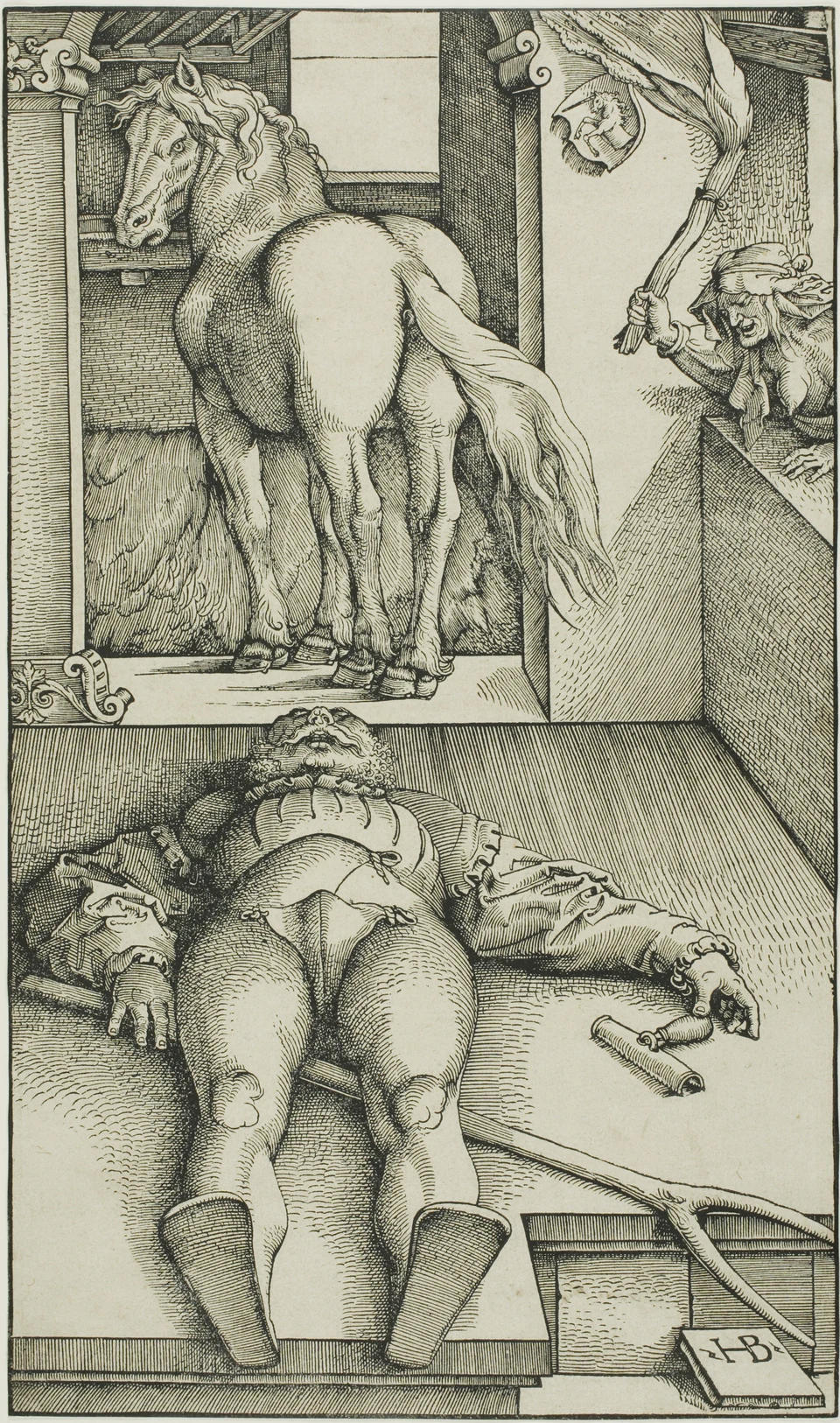
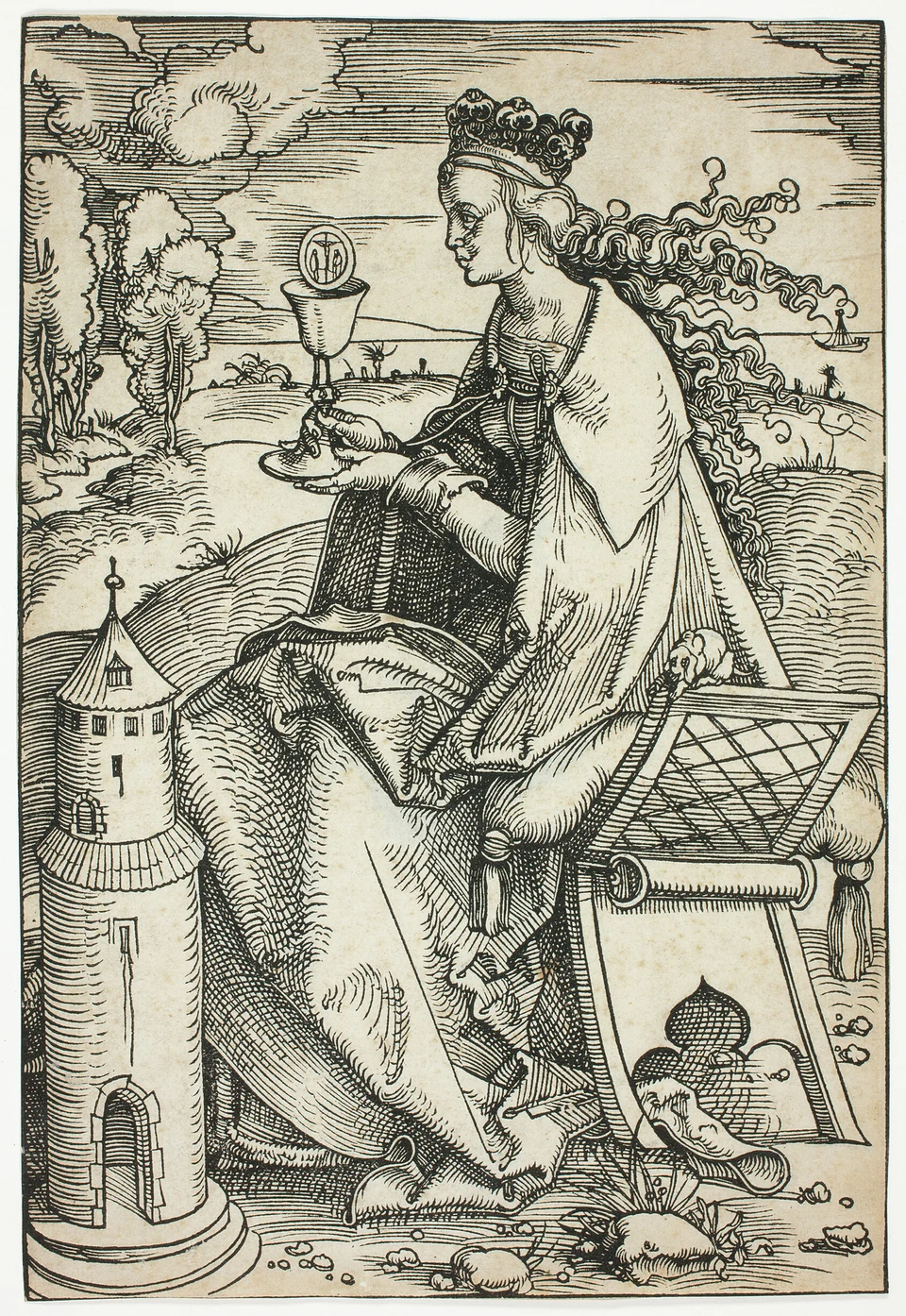
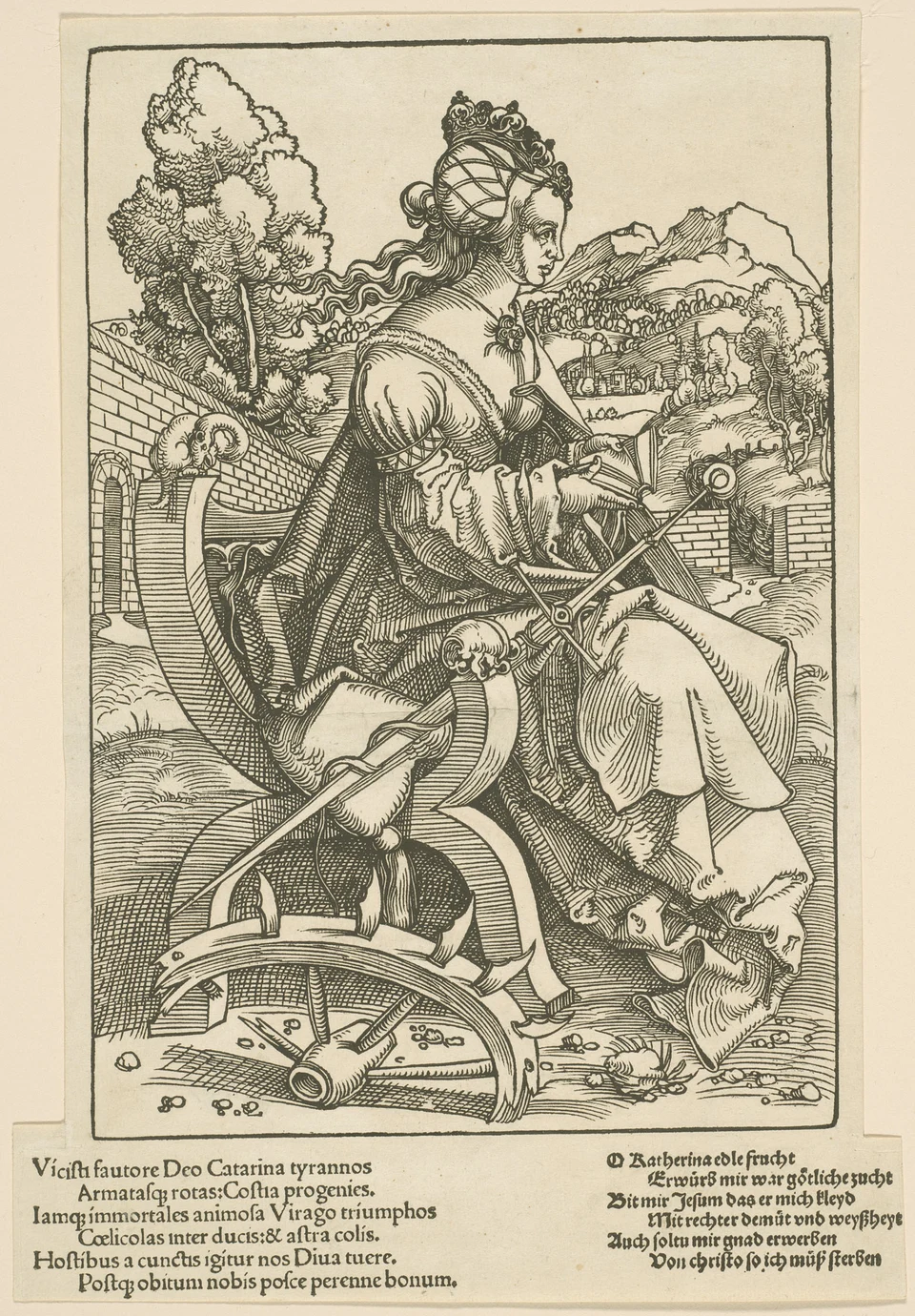
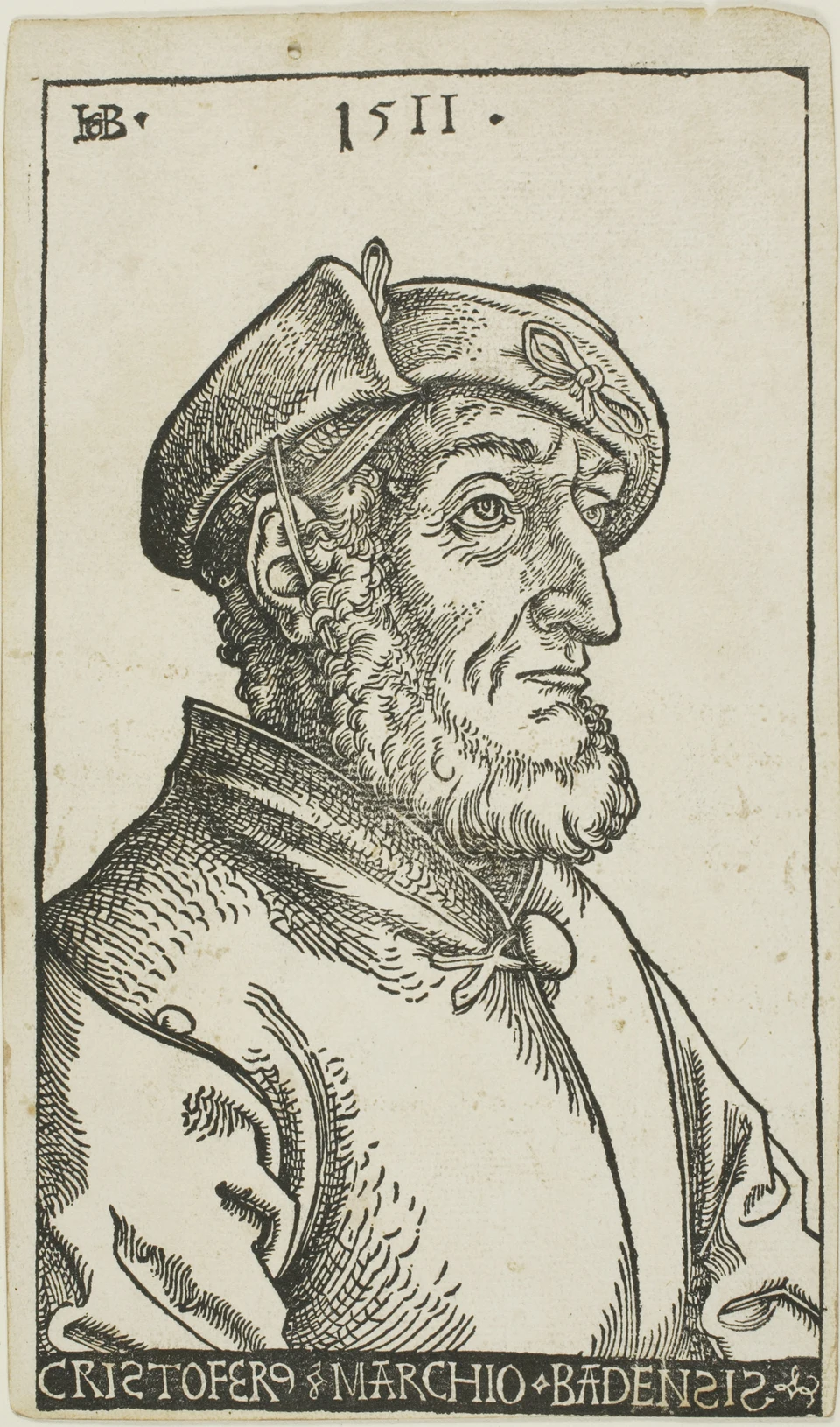
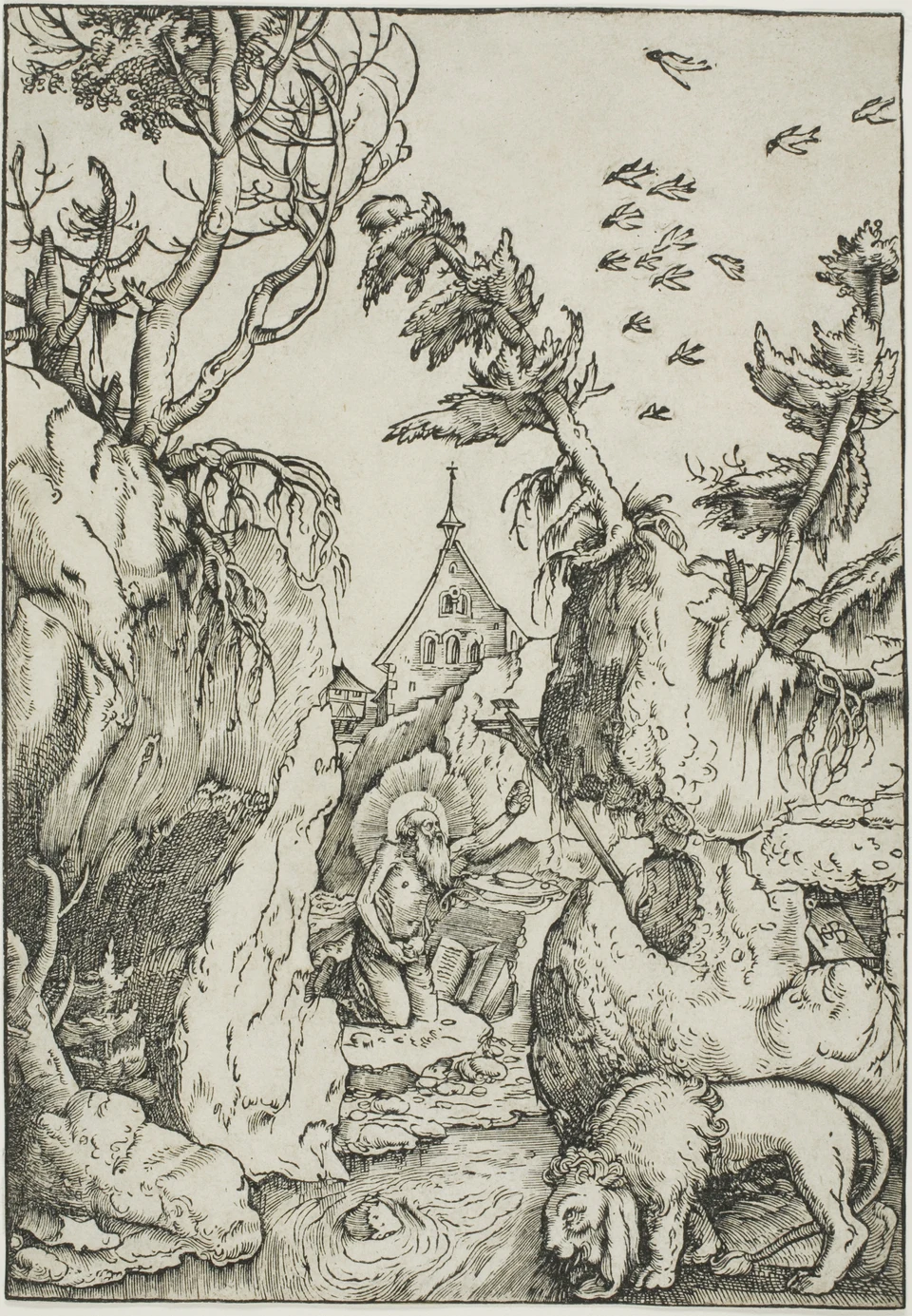
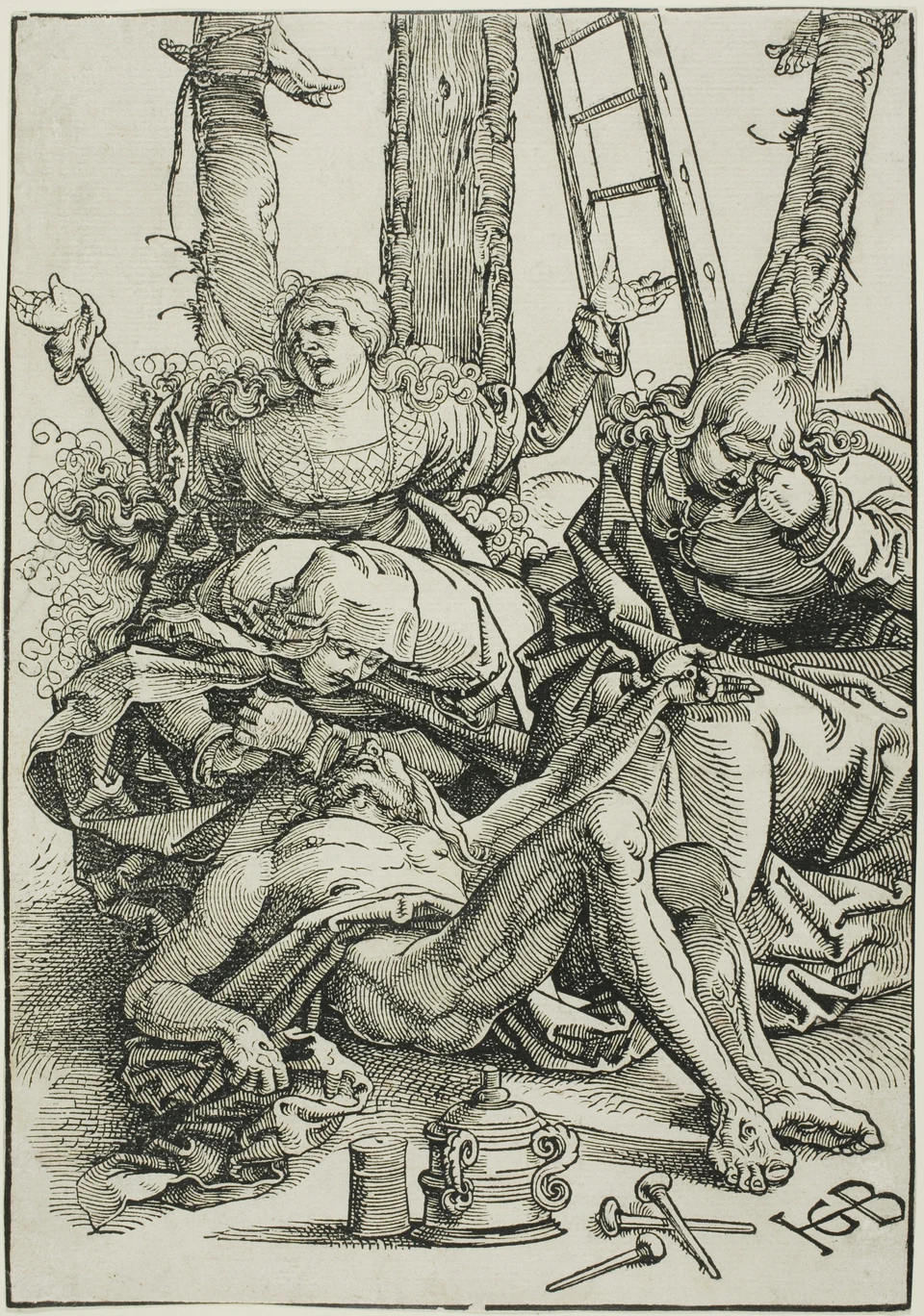
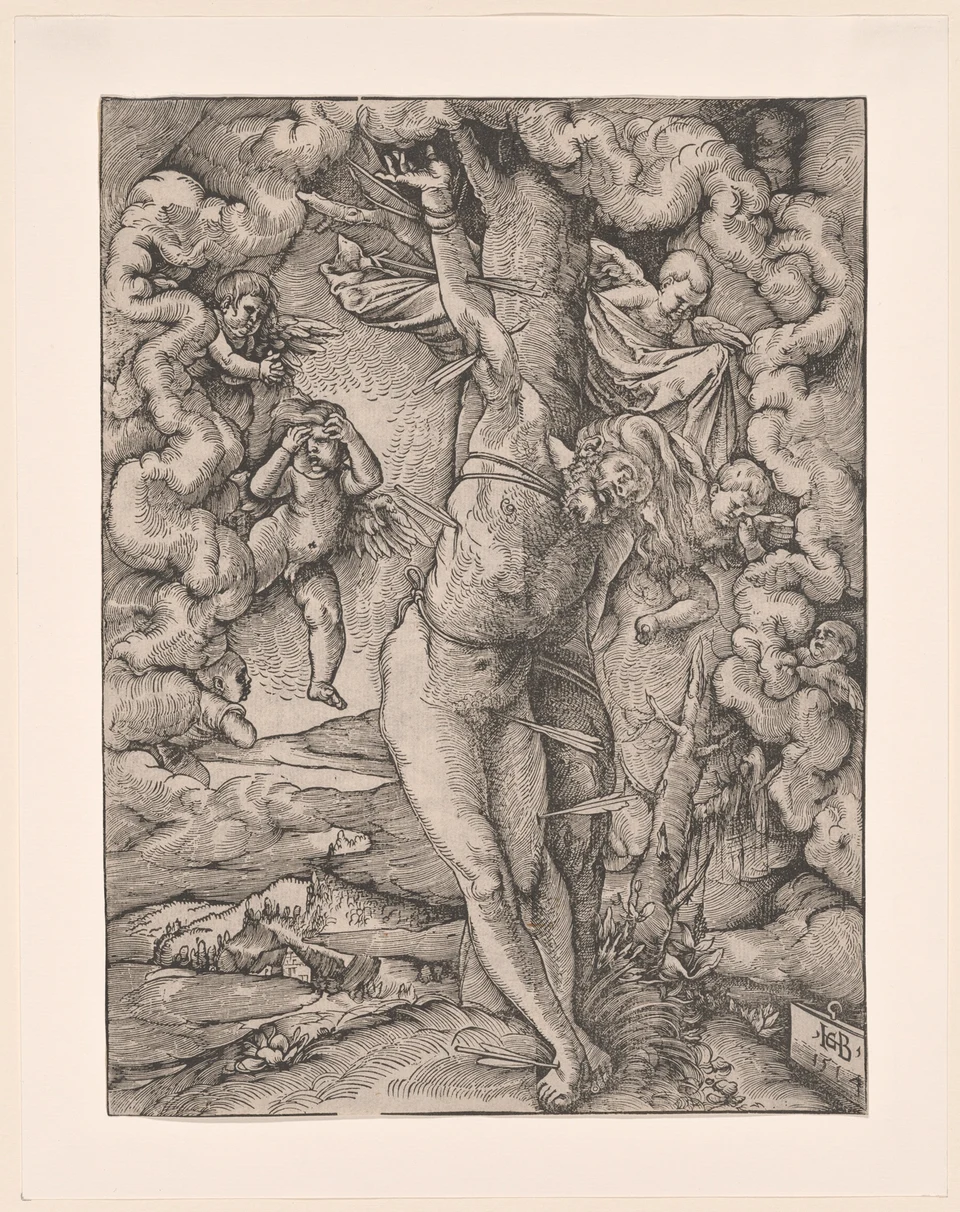
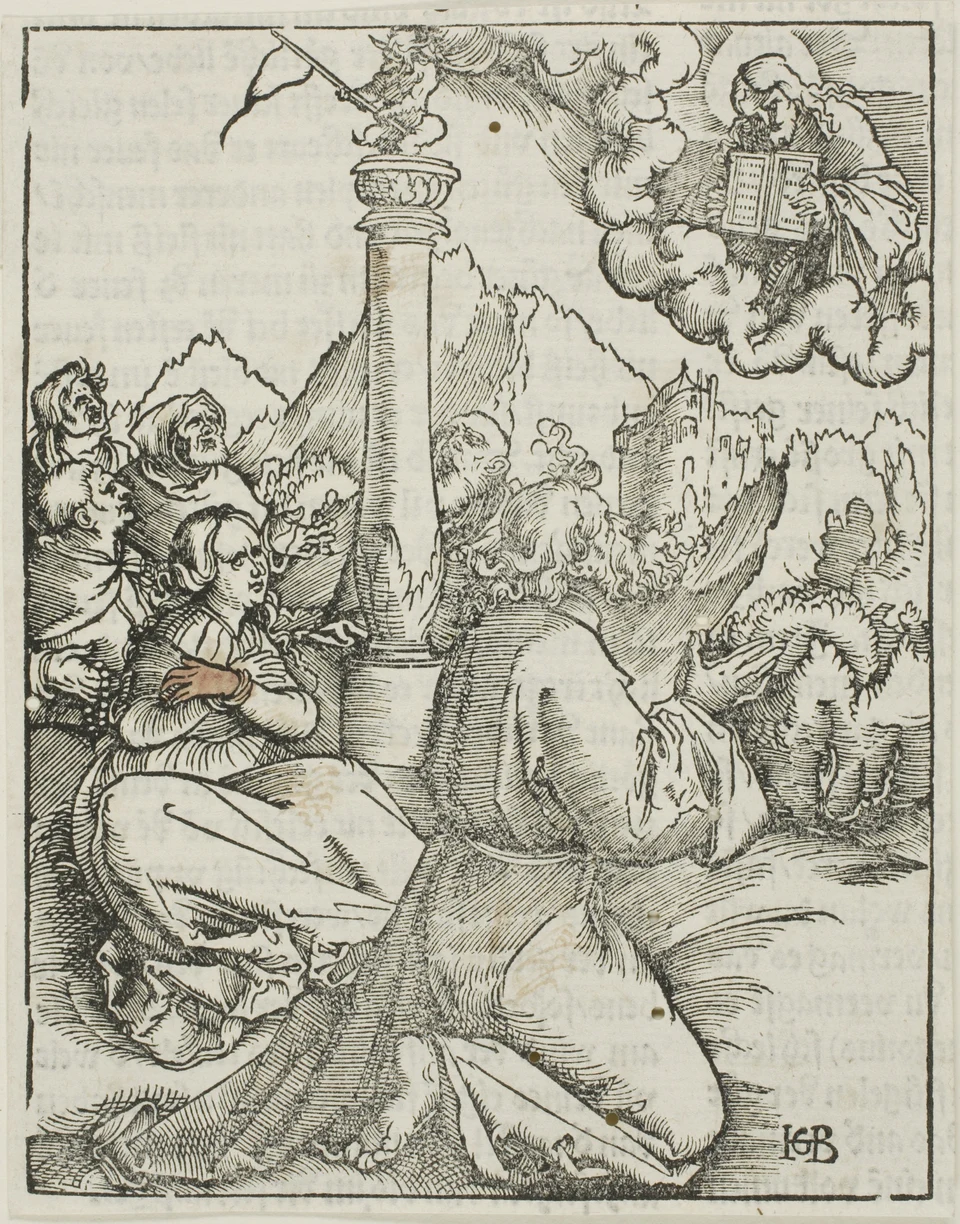
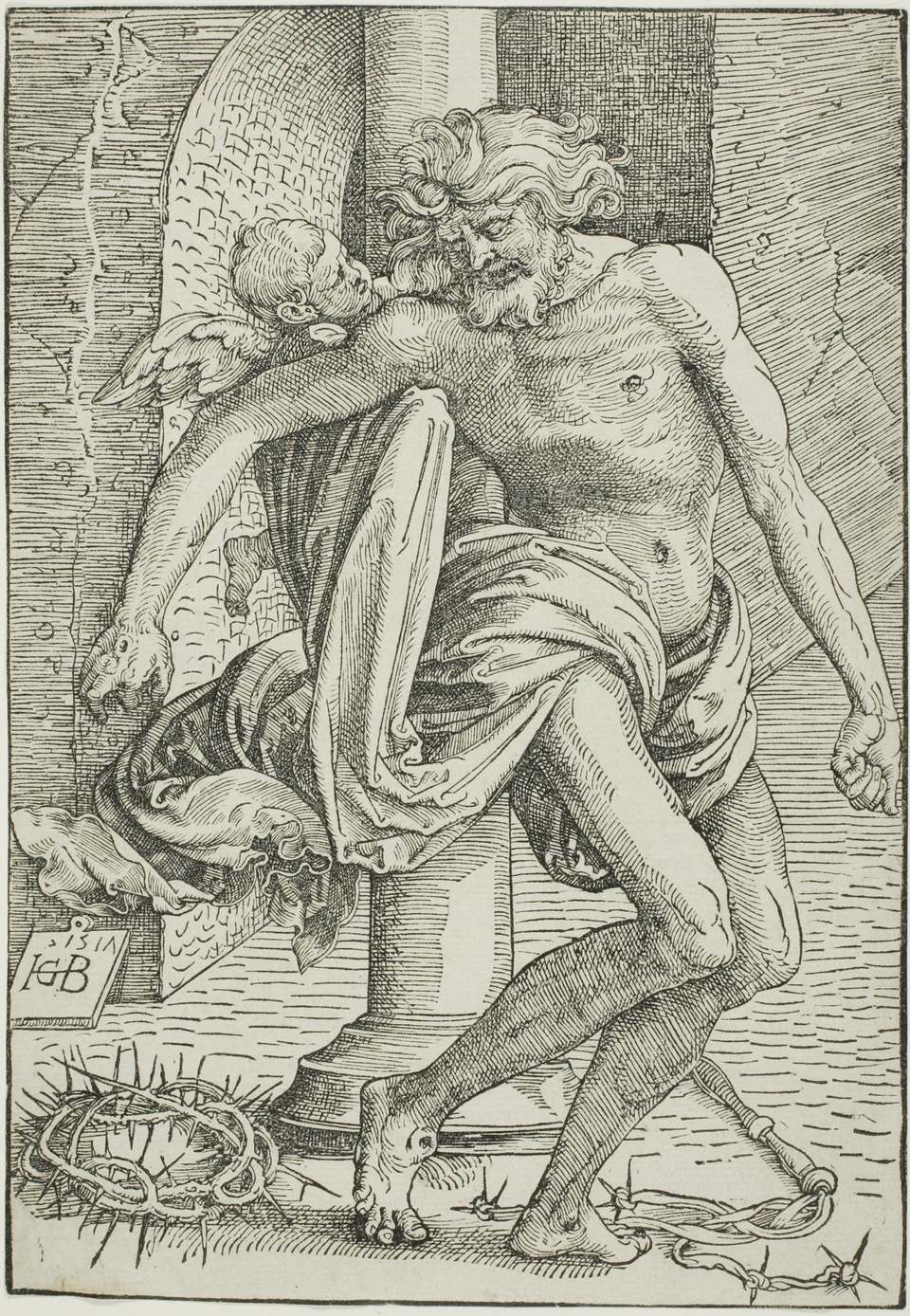
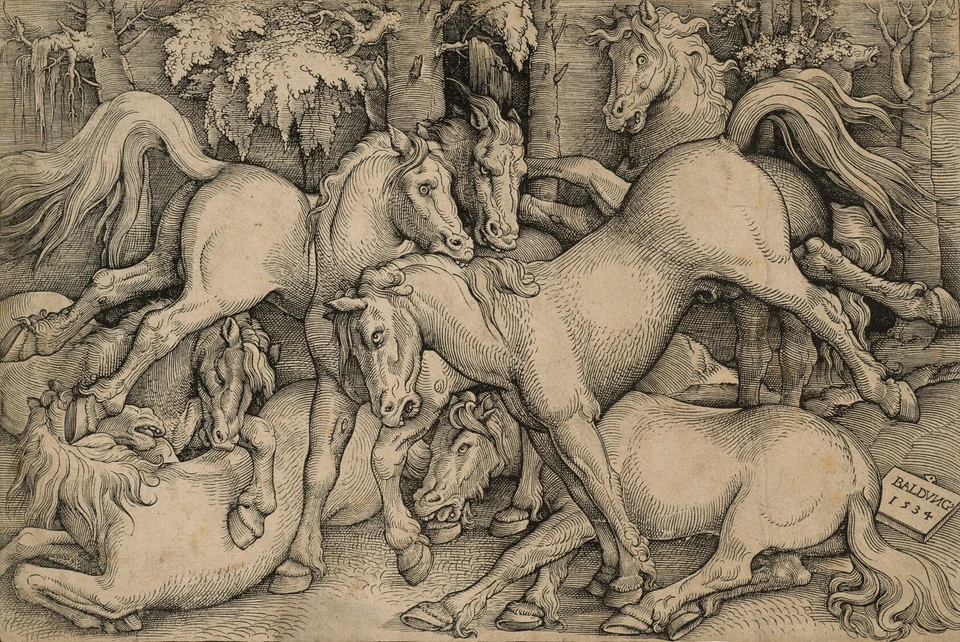
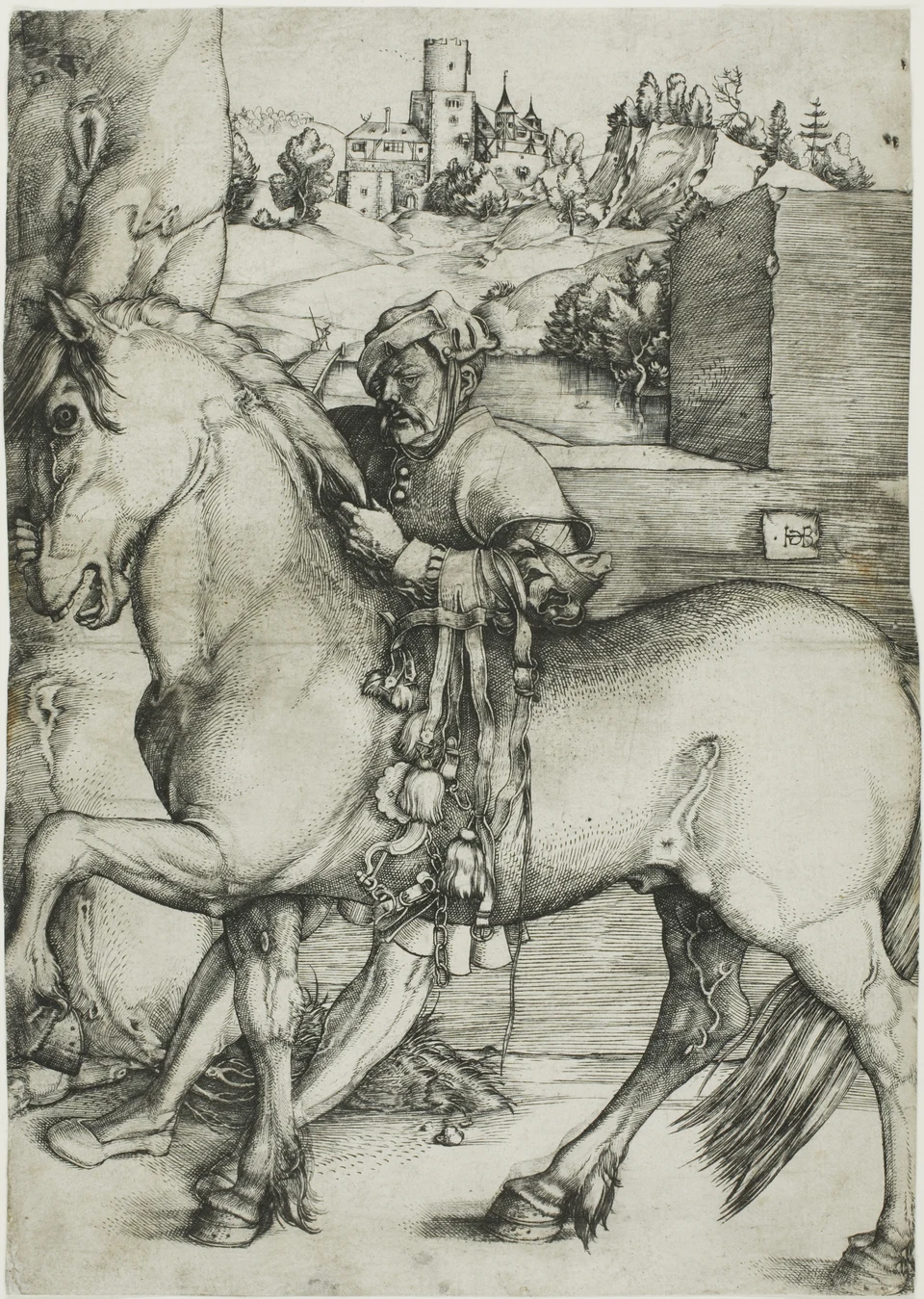
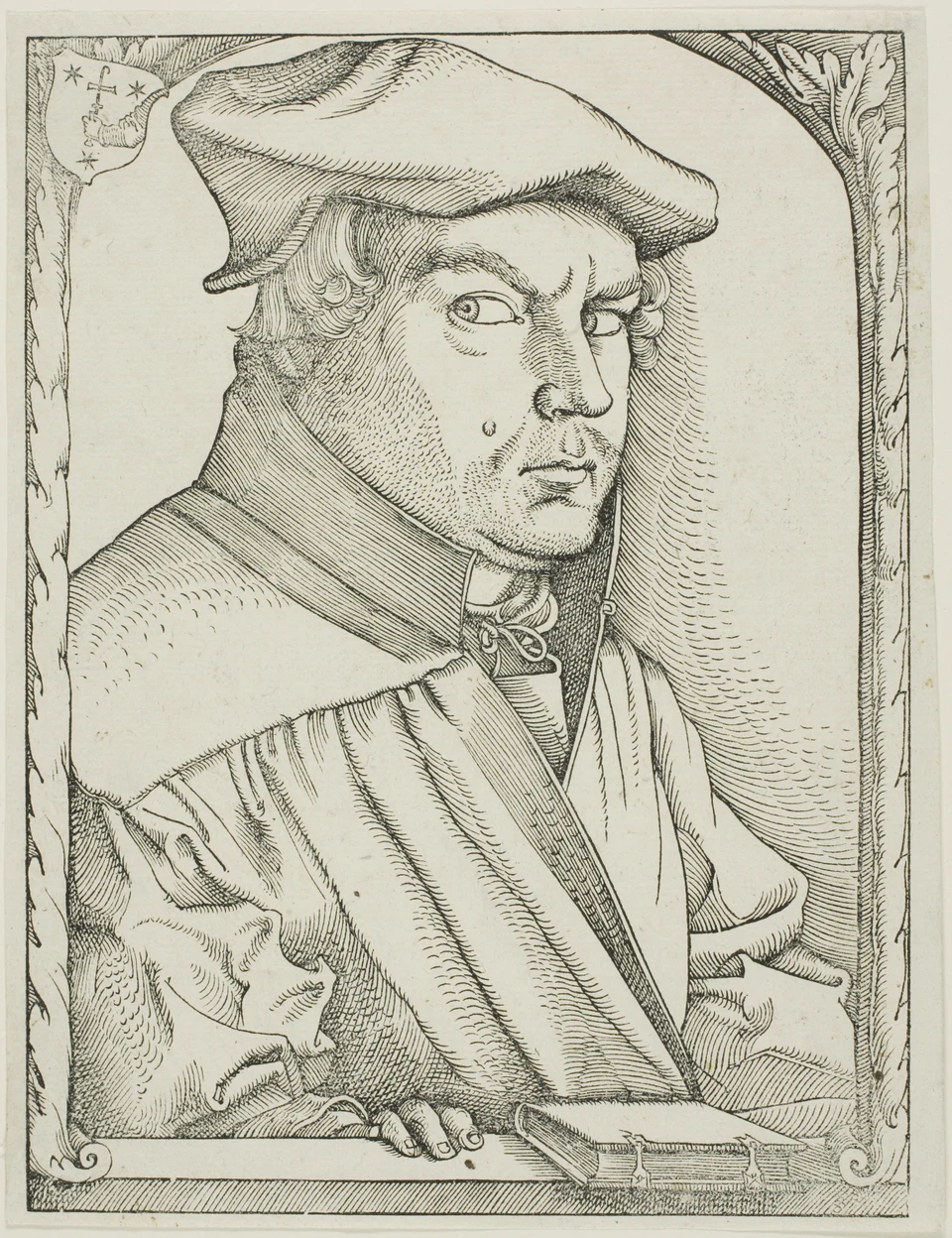
Hans Baldung Grien worked across painting, drawing, and printmaking in the early sixteenth-century German-speaking world. Associated with Dürer’s workshop before settling in Strasbourg, he produced religious images and portraits alongside stranger, more unsettling subjects. His art often depends on expressive contours and sharply directed gestures. A woodcut can make those decisions especially visible, because light and shadow emerge from the contrast between printed lines and unprinted paper. Comparing a saint with the mysterious scene of The Bewitched Groom reveals how the same graphic force can serve very different kinds of story.
13 works · 1506–1544
In The Bewitched Groom, follow the lines leading into the scene. Which figure or object becomes the focus first?
1506–1507 · 3 works
Walk these 3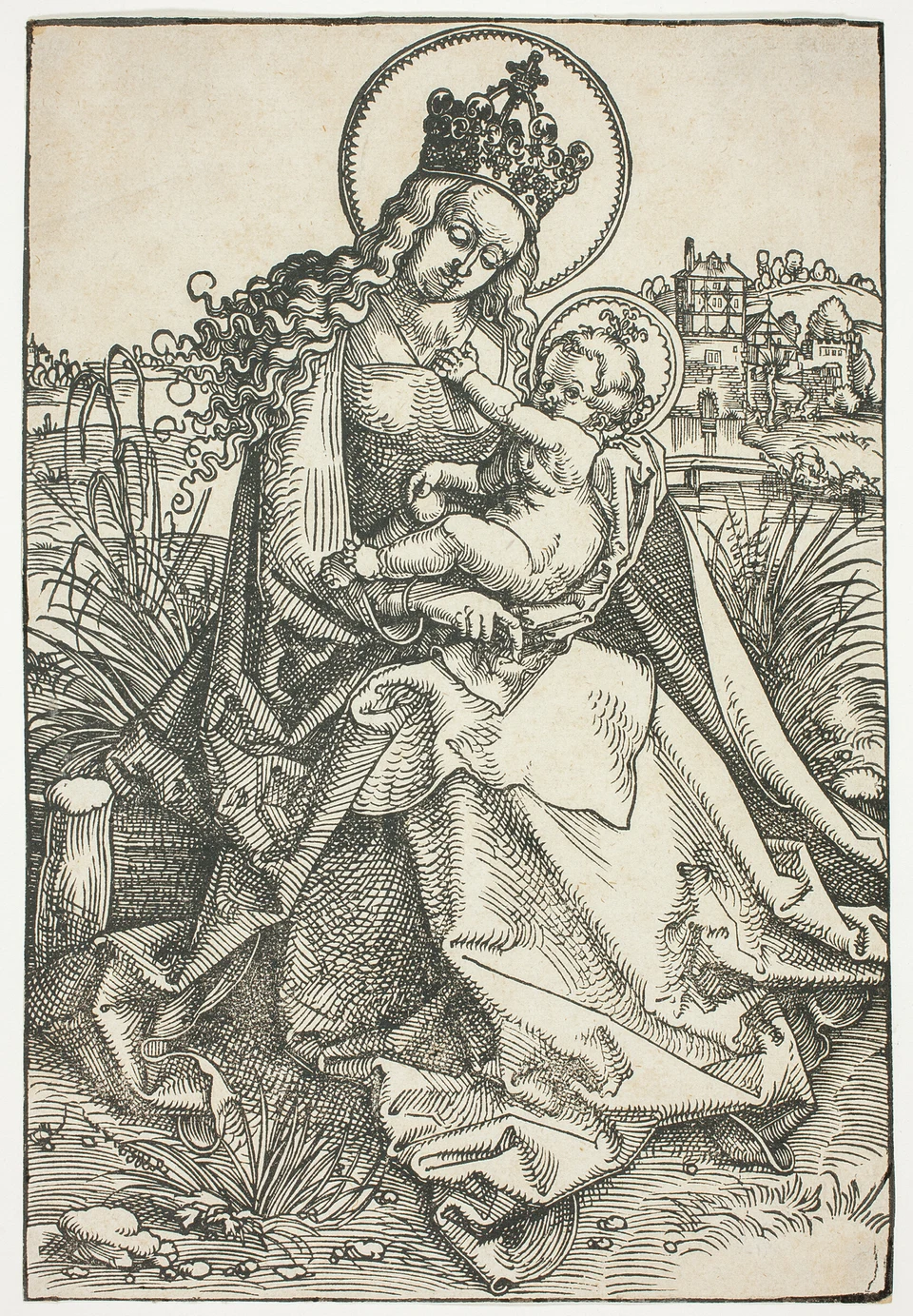
1511–1517 · 6 works
Walk these 6German and Netherlandish artists of the early 1500s. Lucas van Leyden of Leiden was celebrated across Europe for his engravings. Hans Baldung Grien of Strasbourg, probably a pupil of Dürer, made prints and drawings of striking intensity. Albrecht Altdorfer of Regensburg pioneered landscape as a subject. Hans Holbein the Younger went on to portray the Tudor court.
In the museum: Northern Renaissance room · 1 work
1534–1544 · 4 works
Walk these 4In the museum: Northern Renaissance room · 1 work
Albrecht Altdorfer
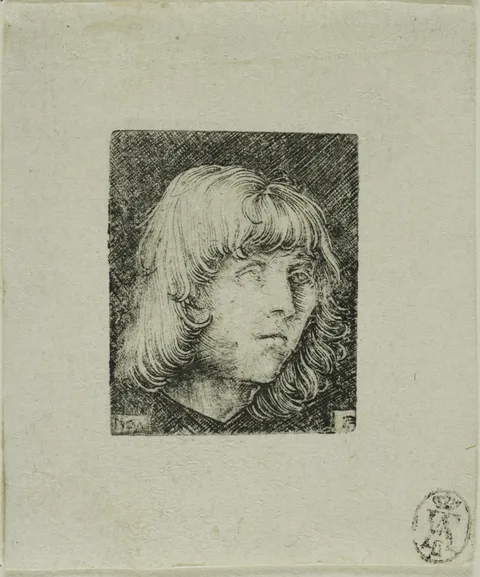
Head of a Young Man, 1507
Albrecht Dürer
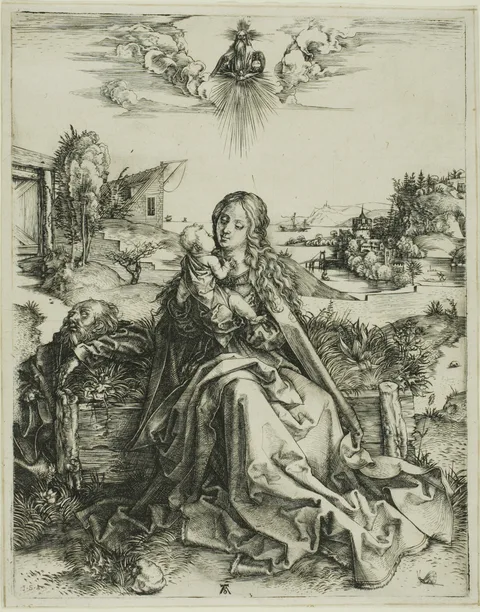
The Virgin with the Dragonfly, c. 1495
Daniel Hopfer, I
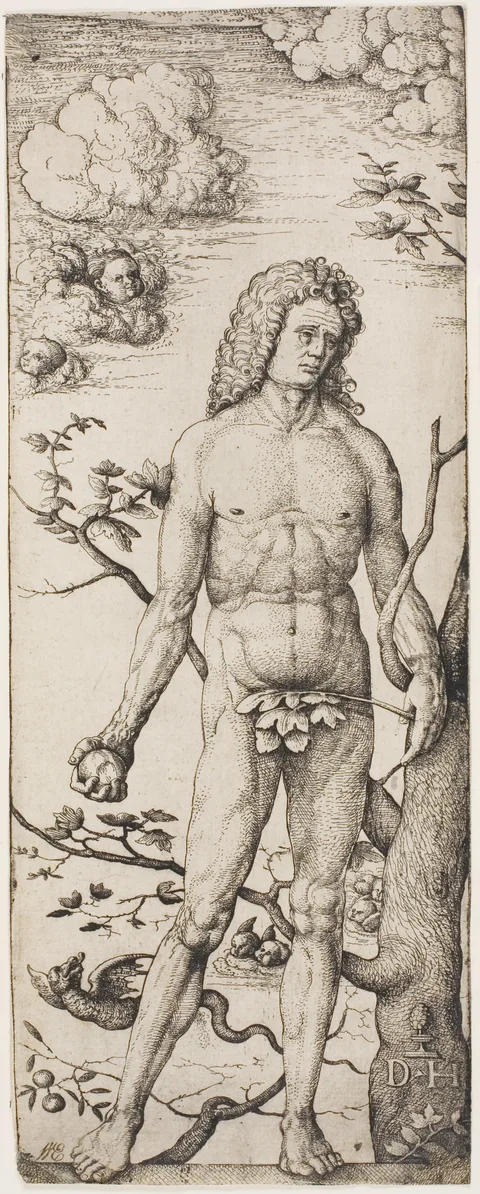
Adam, by 1522