Francisco José de Goya y Lucientes
1746–1828 · Rococo, Neoclassicism · 10 works
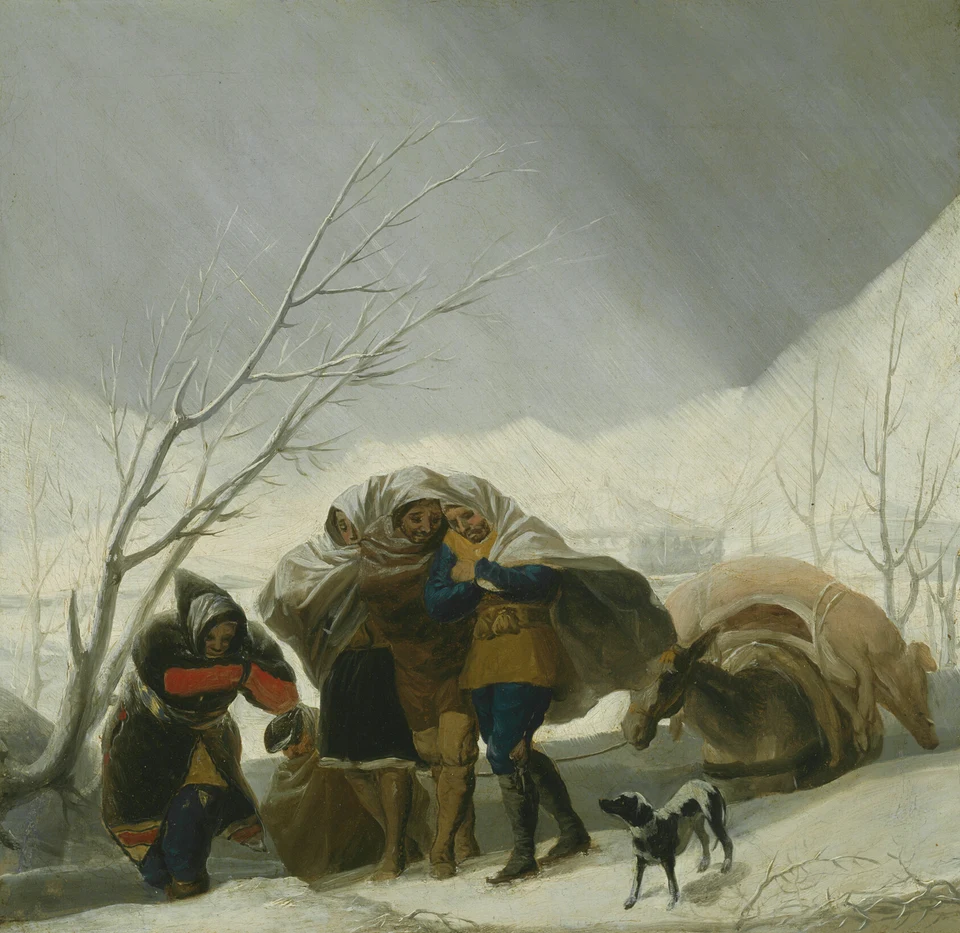
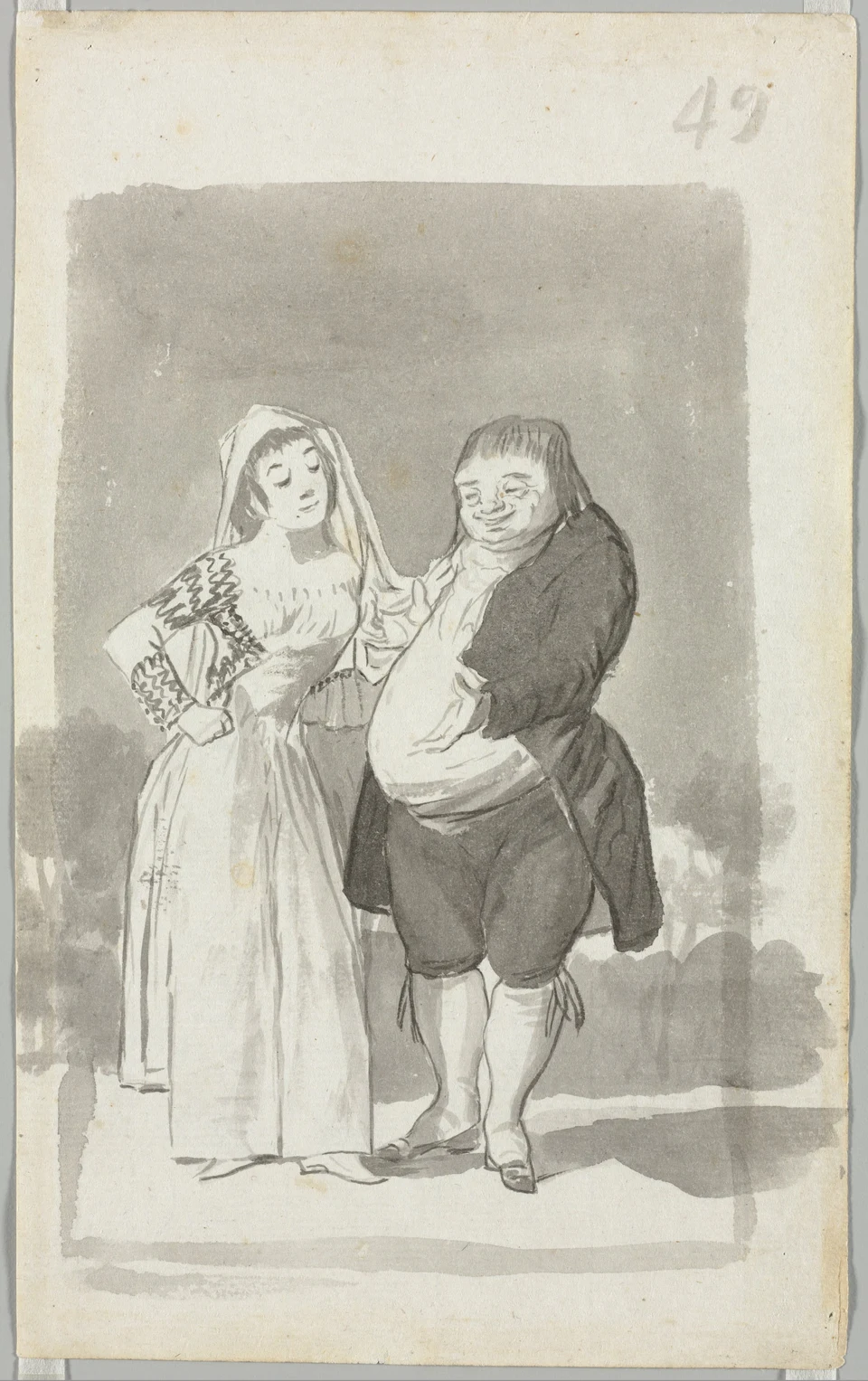
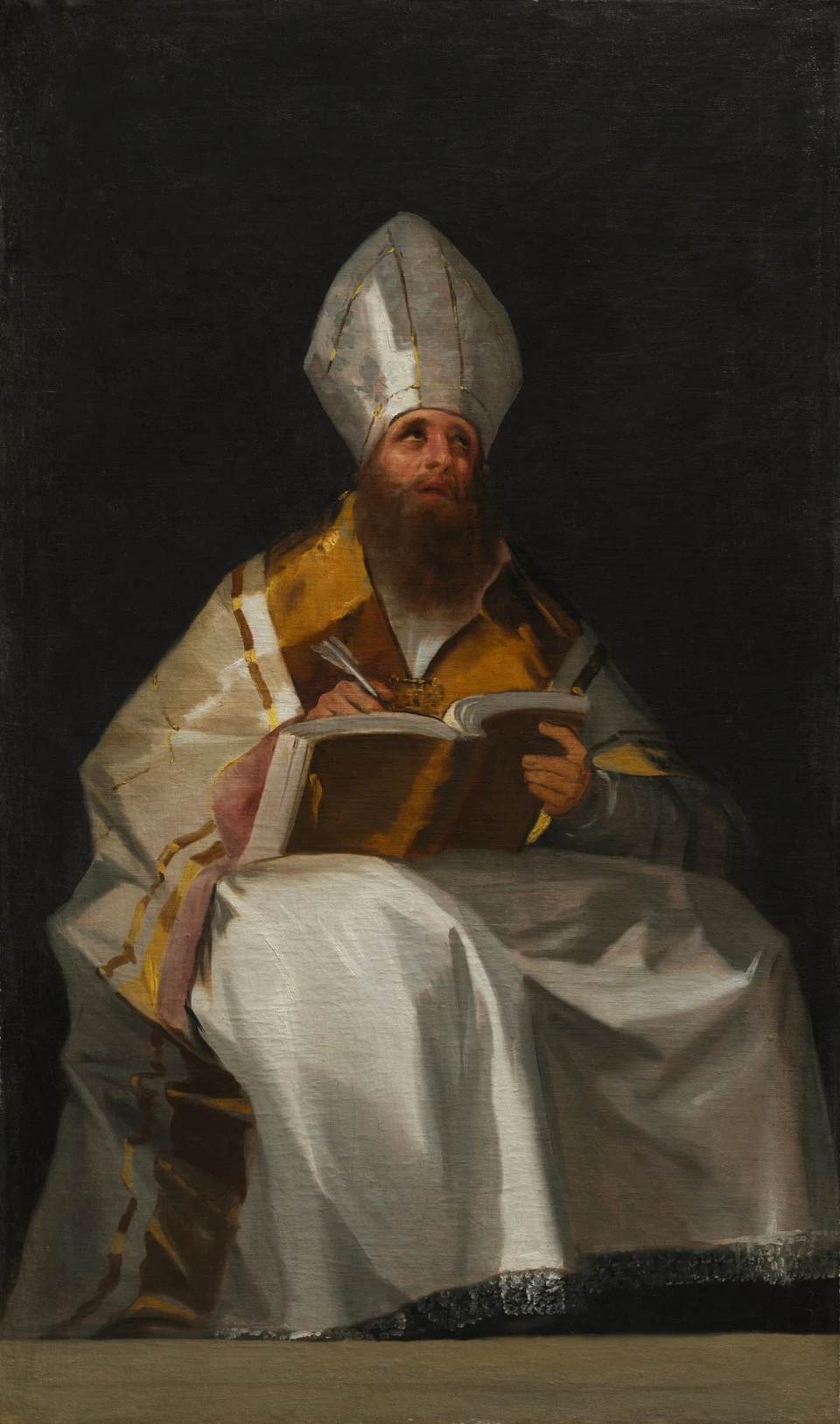
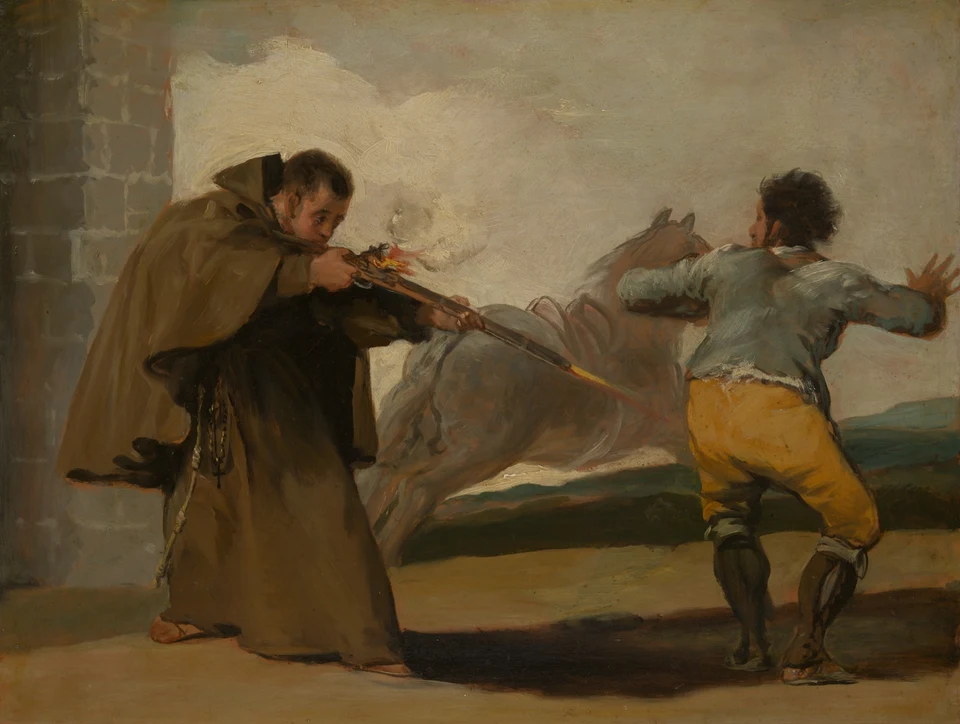
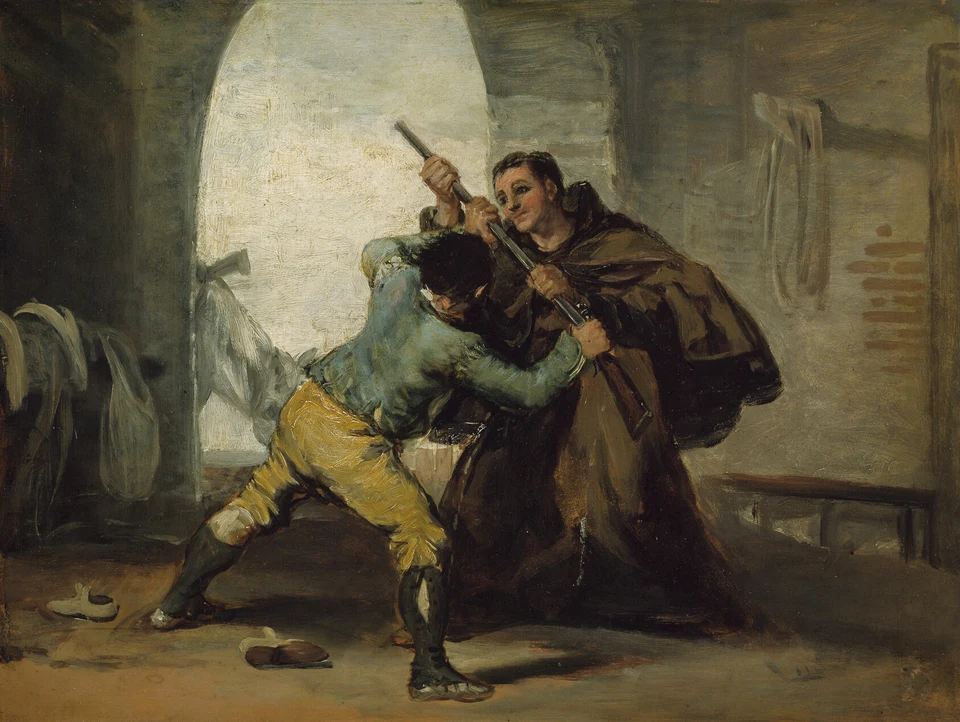
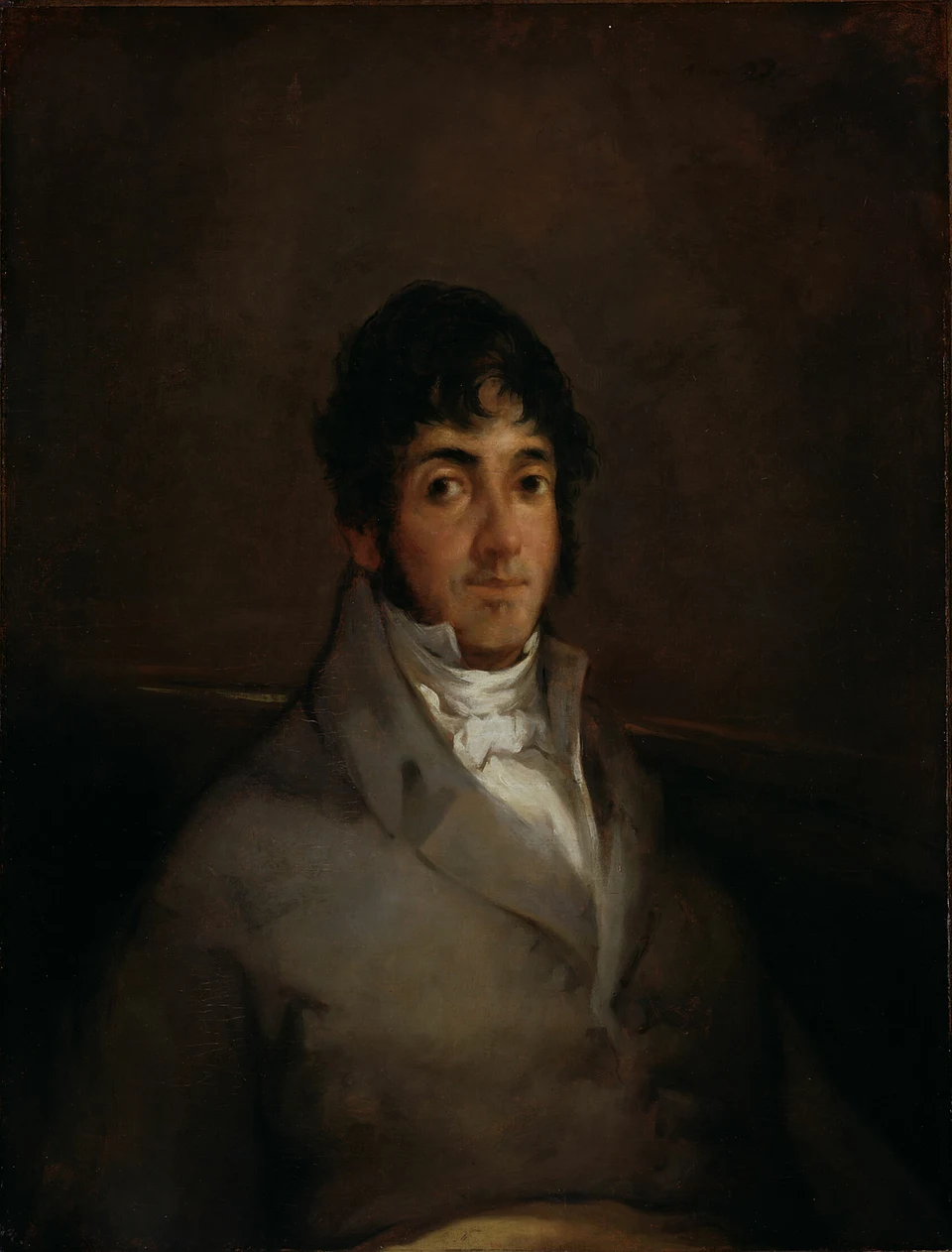
Francisco de Goya worked within Spain’s royal court while also making images that questioned the society around him. His career included portraits, designs for tapestries, drawings, and prints. In Los Caprichos, published in 1799, observation and fantasy meet in scenes of human folly and superstition. Etched lines describe figures, while aquatint produces areas of tone that can darken a setting or isolate a face. His art moves between public status and private unease, asking viewers to look closely at both appearances and behavior.
10 works · 1780–1819
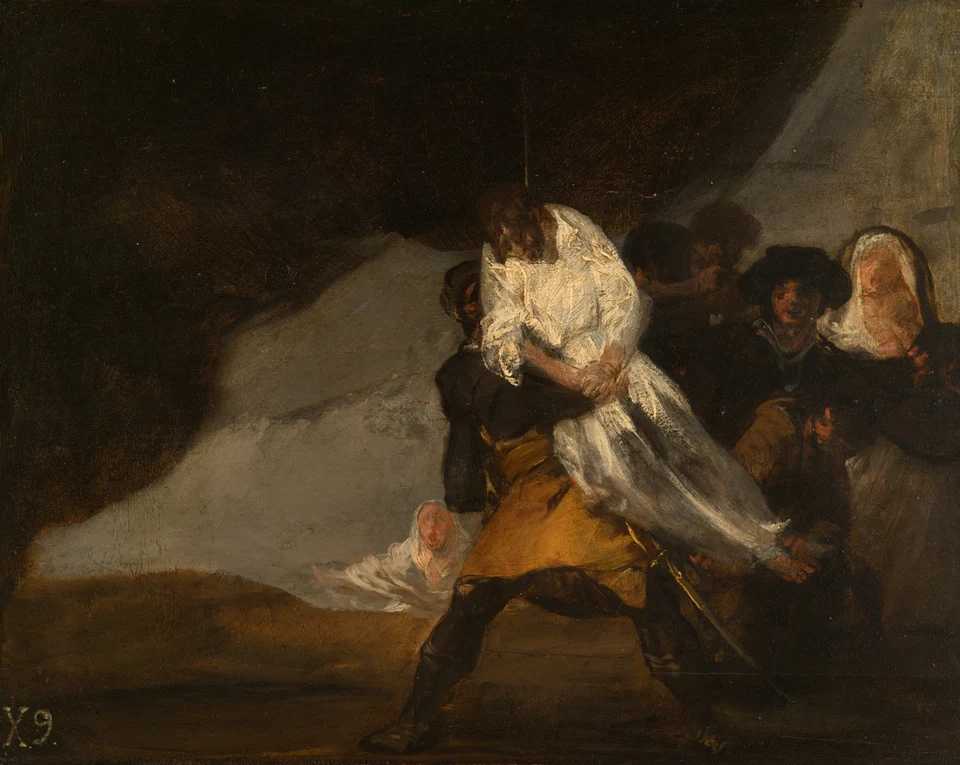
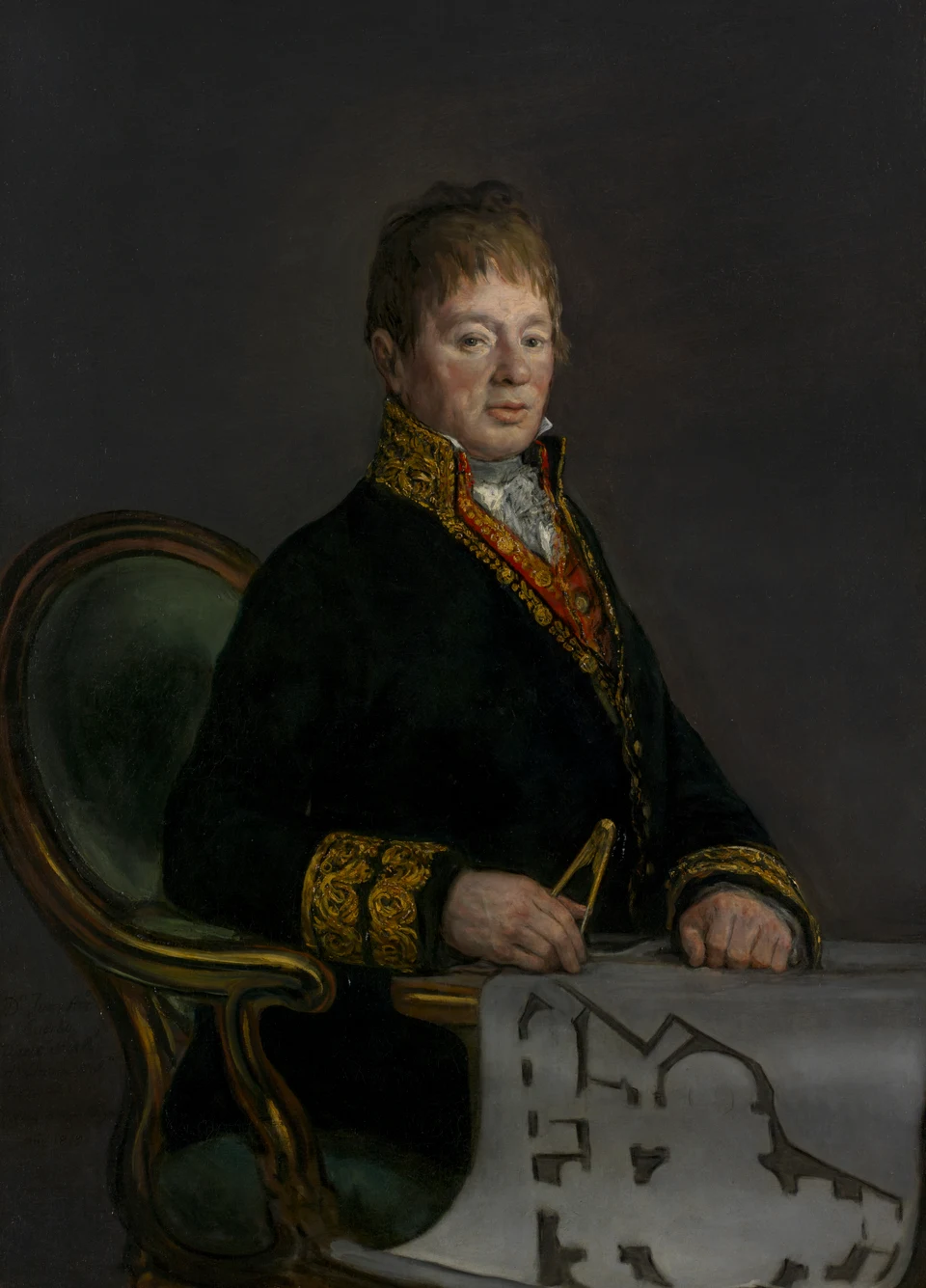
Look first at the figures’ gestures, then at the surrounding darkness. What changes when the background becomes part of the story?
1780–1799 · 3 works
Walk these 3Rococo began in France, and other cities gave it their own accent. In Venice, Rosalba Carriera made pastel a serious art and Giandomenico Tiepolo found a lighter, earthier manner than his father’s. In London, William Hogarth gave the style a robust British form, and it shaped Thomas Gainsborough’s portraits of women. In Madrid, Francisco de Goya designed Rococo tapestries.
In Paris, Greuze drew moral scenes of family life, a sober answer to the playful art of Boucher, and Vigée Le Brun painted the court and its circle until the Revolution of 1789 drove her abroad. Girodet, a pupil of David, drew scenes from Greek and French tragedy. In Madrid, Goya worked for the Spanish crown.
In the museum: Rococo room · 1 work, Neoclassicism room · 1 work
1801–1802 · 4 works
Walk these 4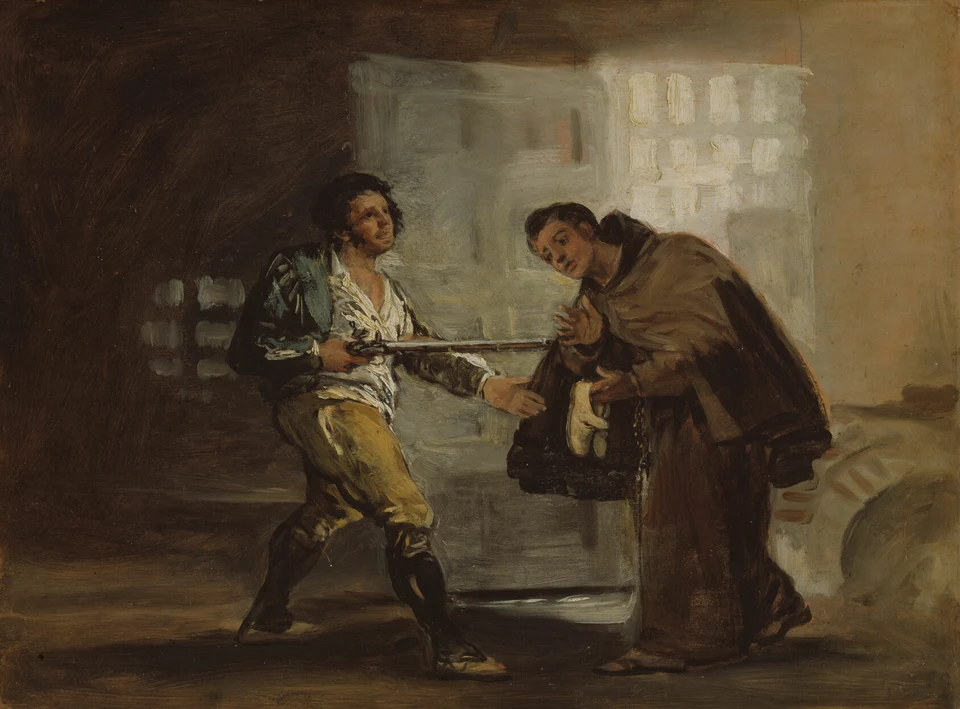
1805–1819 · 3 works
Walk these 3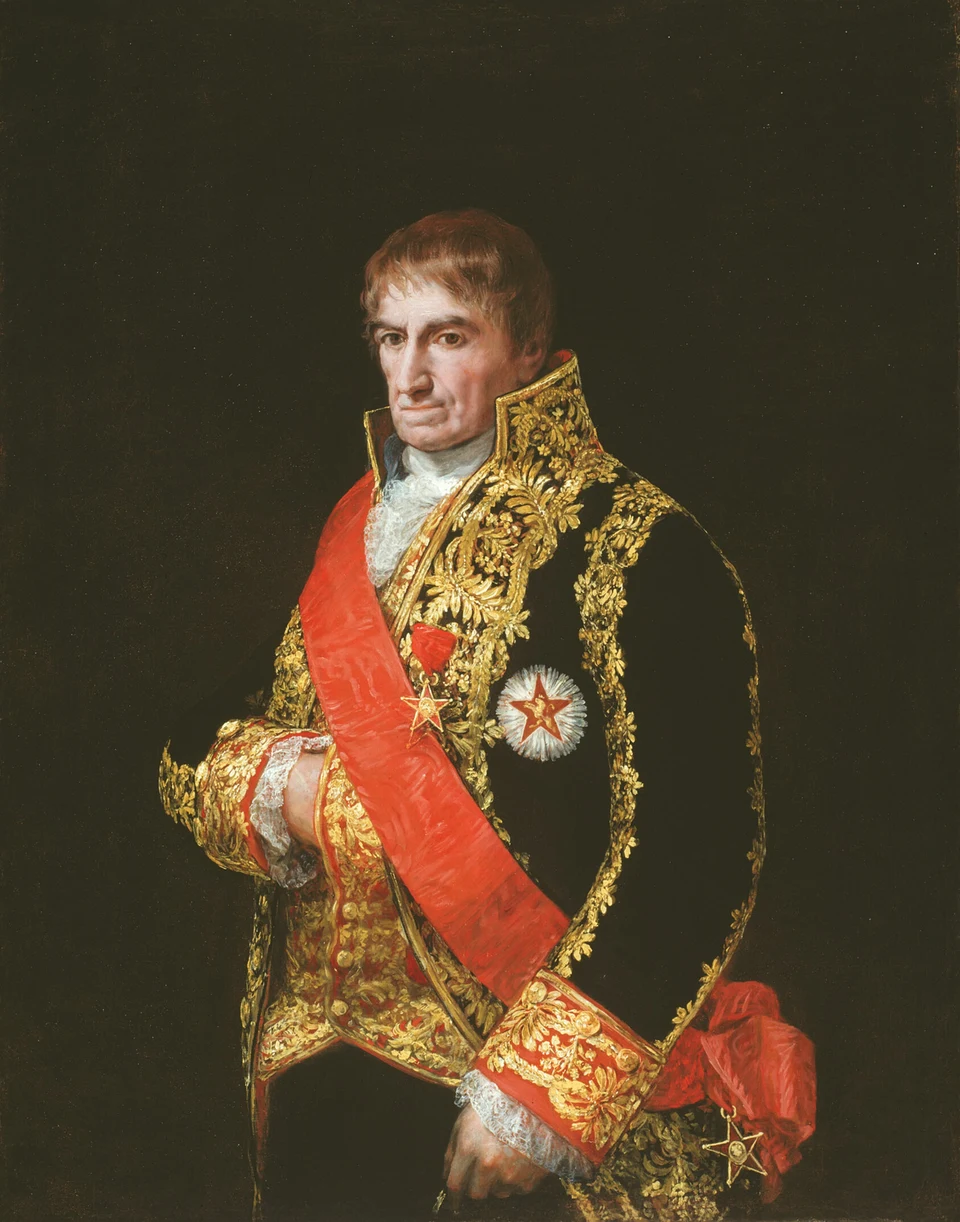
Rococo · 1 work
Walk this workRococo began in France, and other cities gave it their own accent. In Venice, Rosalba Carriera made pastel a serious art and Giandomenico Tiepolo found a lighter, earthier manner than his father’s. In London, William Hogarth gave the style a robust British form, and it shaped Thomas Gainsborough’s portraits of women. In Madrid, Francisco de Goya designed Rococo tapestries.
In the museum: Rococo room · 1 work
Neoclassicism · 1 work
Walk this workIn Paris, Greuze drew moral scenes of family life, a sober answer to the playful art of Boucher, and Vigée Le Brun painted the court and its circle until the Revolution of 1789 drove her abroad. Girodet, a pupil of David, drew scenes from Greek and French tragedy. In Madrid, Goya worked for the Spanish crown.
In the museum: Neoclassicism room · 1 work