Lovis Corinth
1858–1925 · 3 works
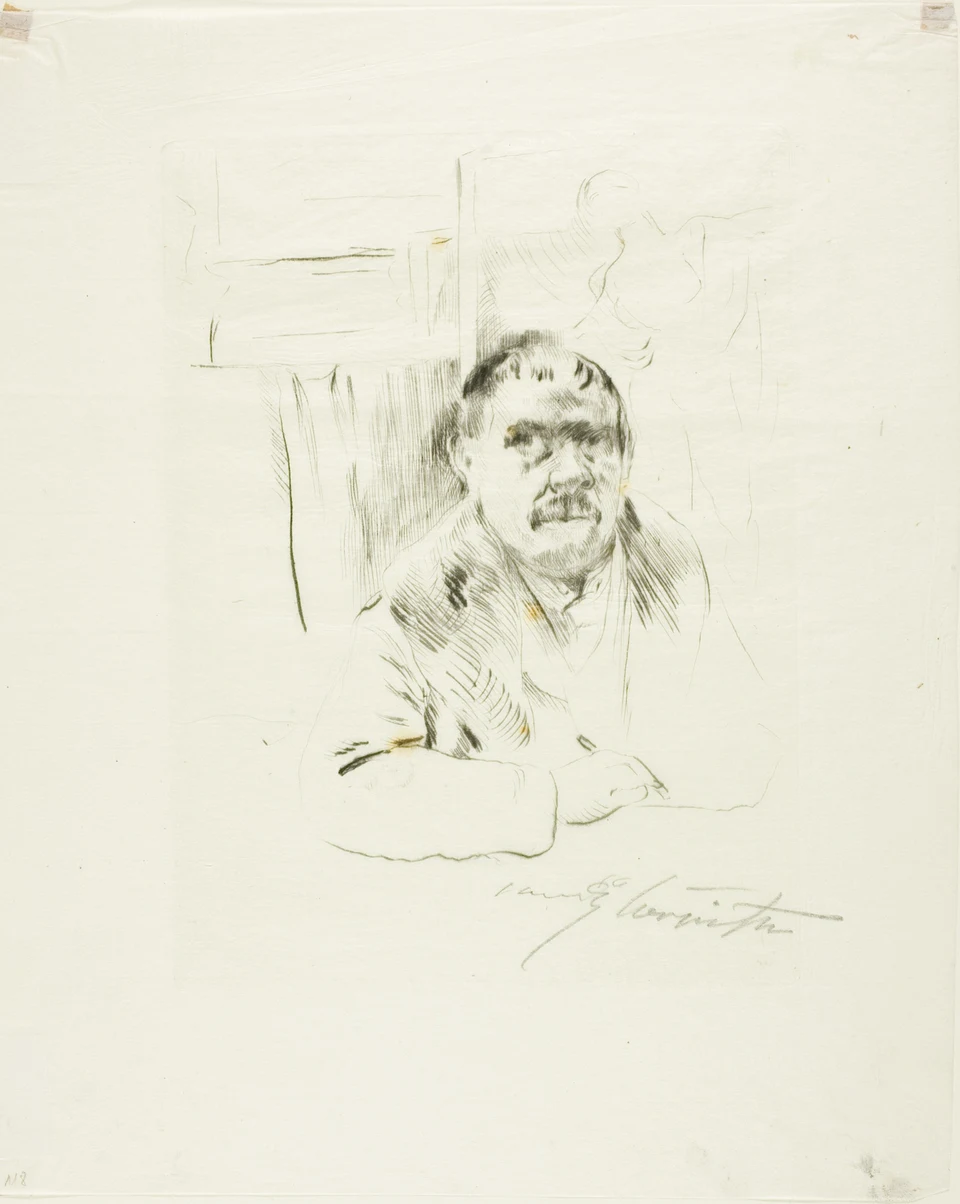
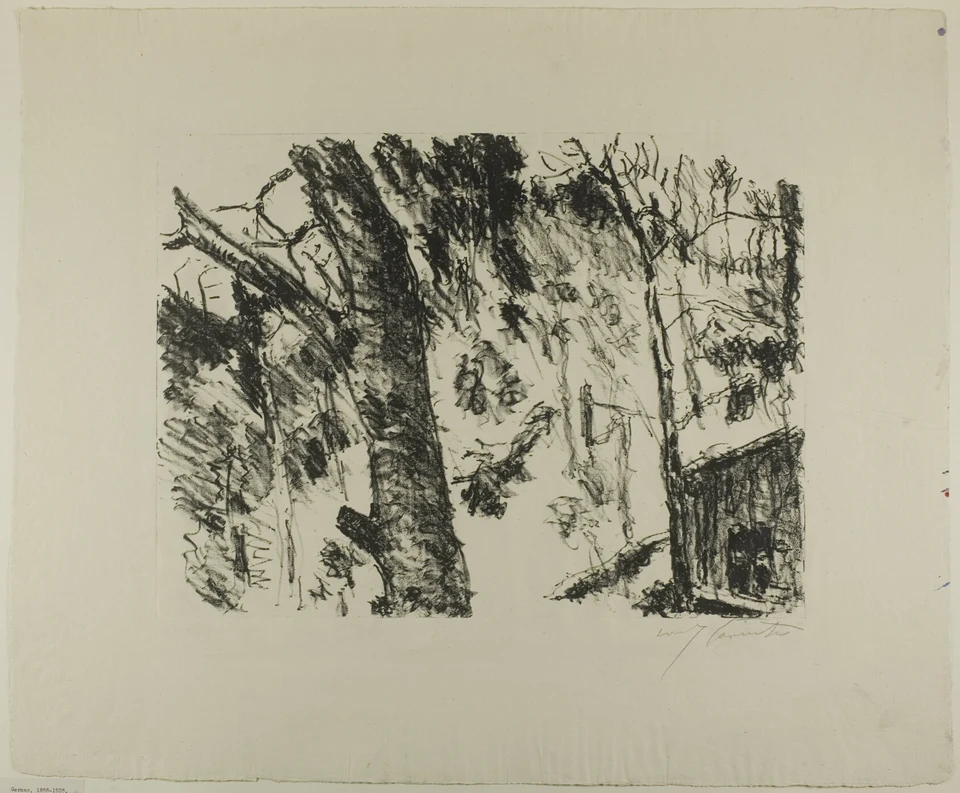
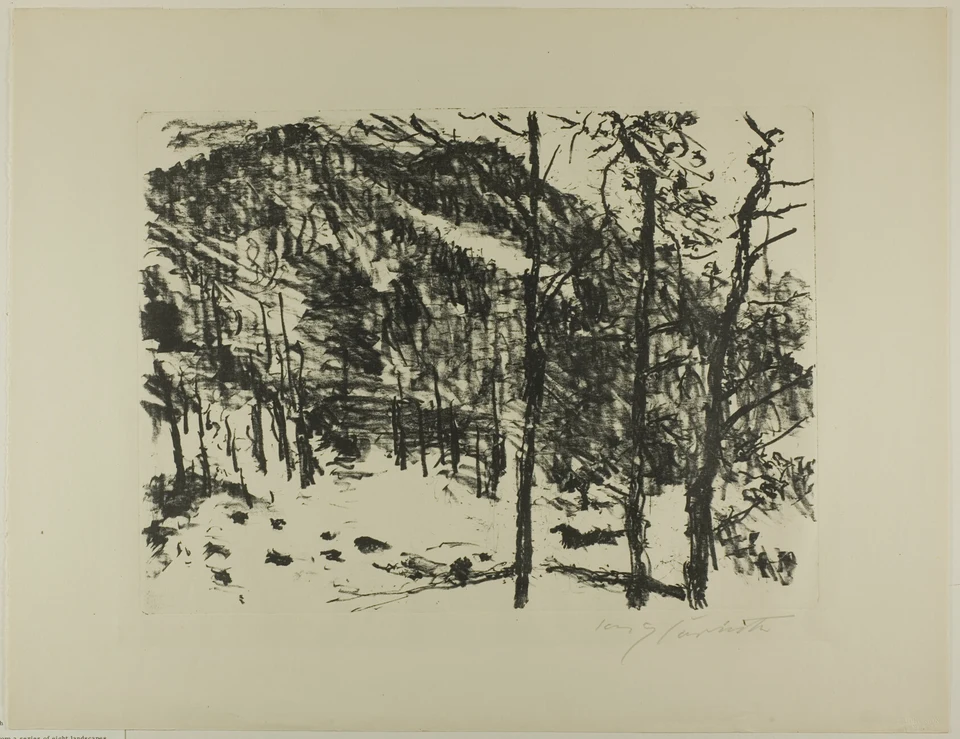
Lovis Corinth moved between painting, drawing, and printmaking throughout a long career. Academic training gave him a foundation in the figure, while his later work used increasingly forceful marks to describe bodies, faces, and landscapes. He repeatedly returned to his own appearance, making self-portraits a continuing subject rather than a single statement. Prints became especially important late in his life. The drypoint Self-Portrait and the lithographs in Early Spring in the Mountains show different ways a black mark on paper can suggest presence, movement, or a place.
3 works · 1920–1922
Compare the marks describing a face with those describing trees. Where can you follow the movement of the artist’s hand?
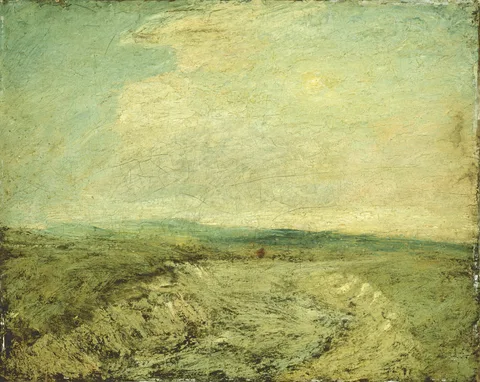
Albert Pinkham Ryder
The Essex Canal, c. 1896
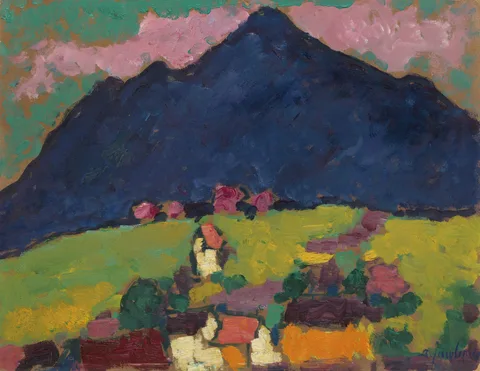
Alexej von Jawlensky
Murnau, 1910
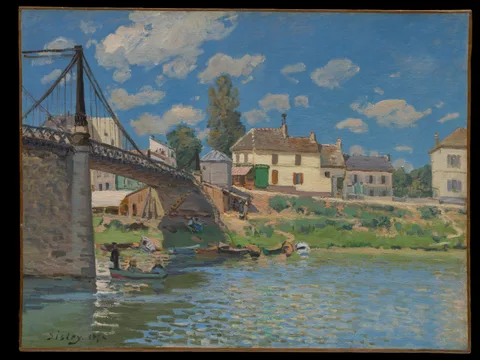
Alfred Sisley
The Bridge at Villeneuve-la-Garenne, 1872