James McNeill Whistler
1834–1903 · Impressionism, Post-Impressionism · 19 works
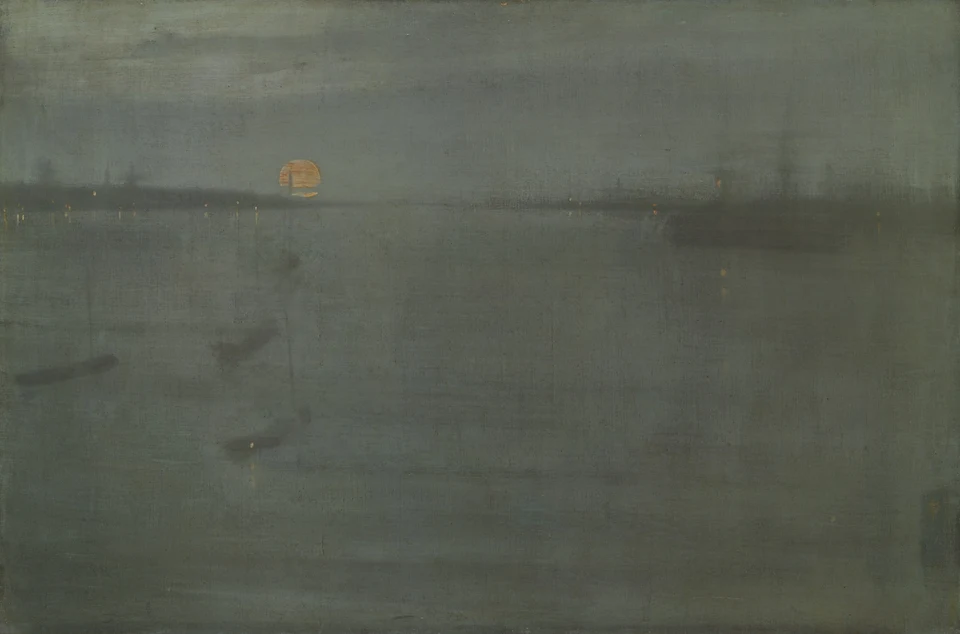
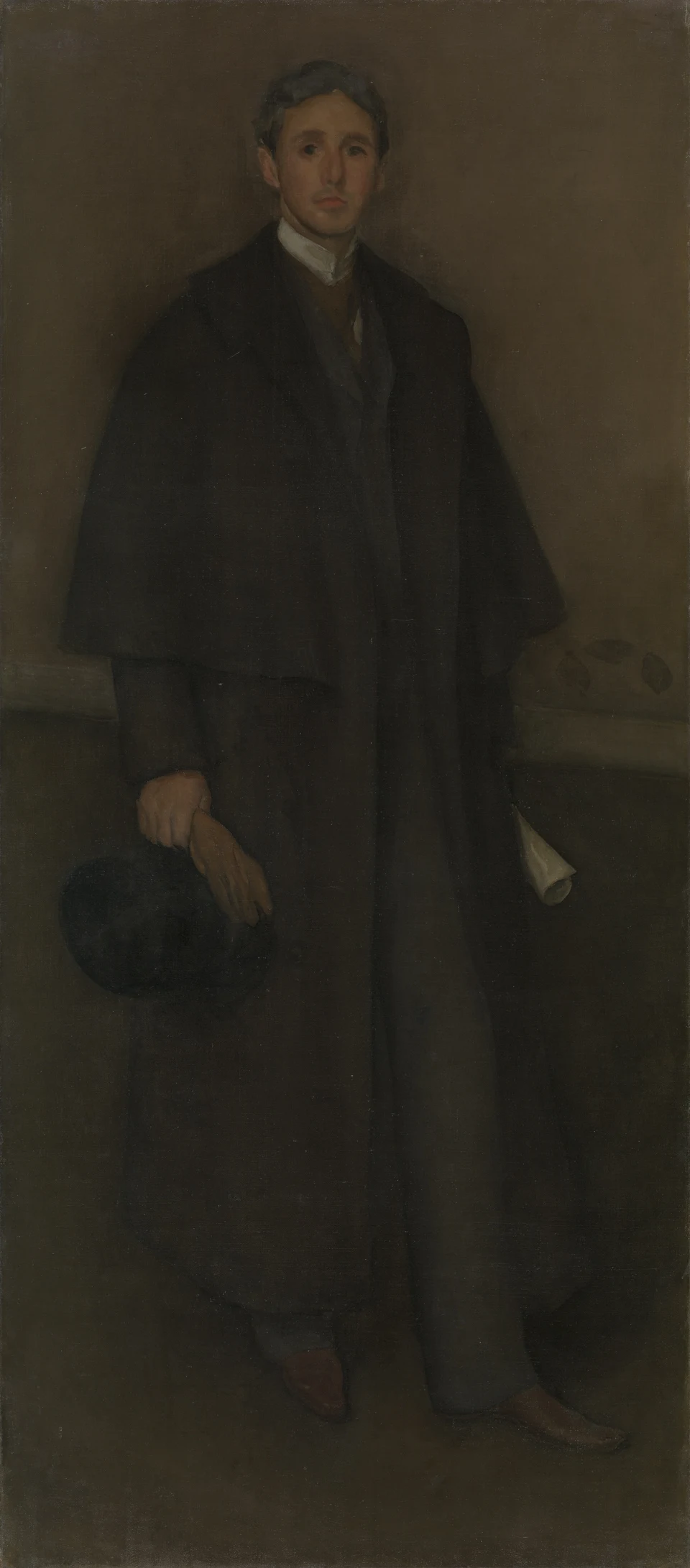
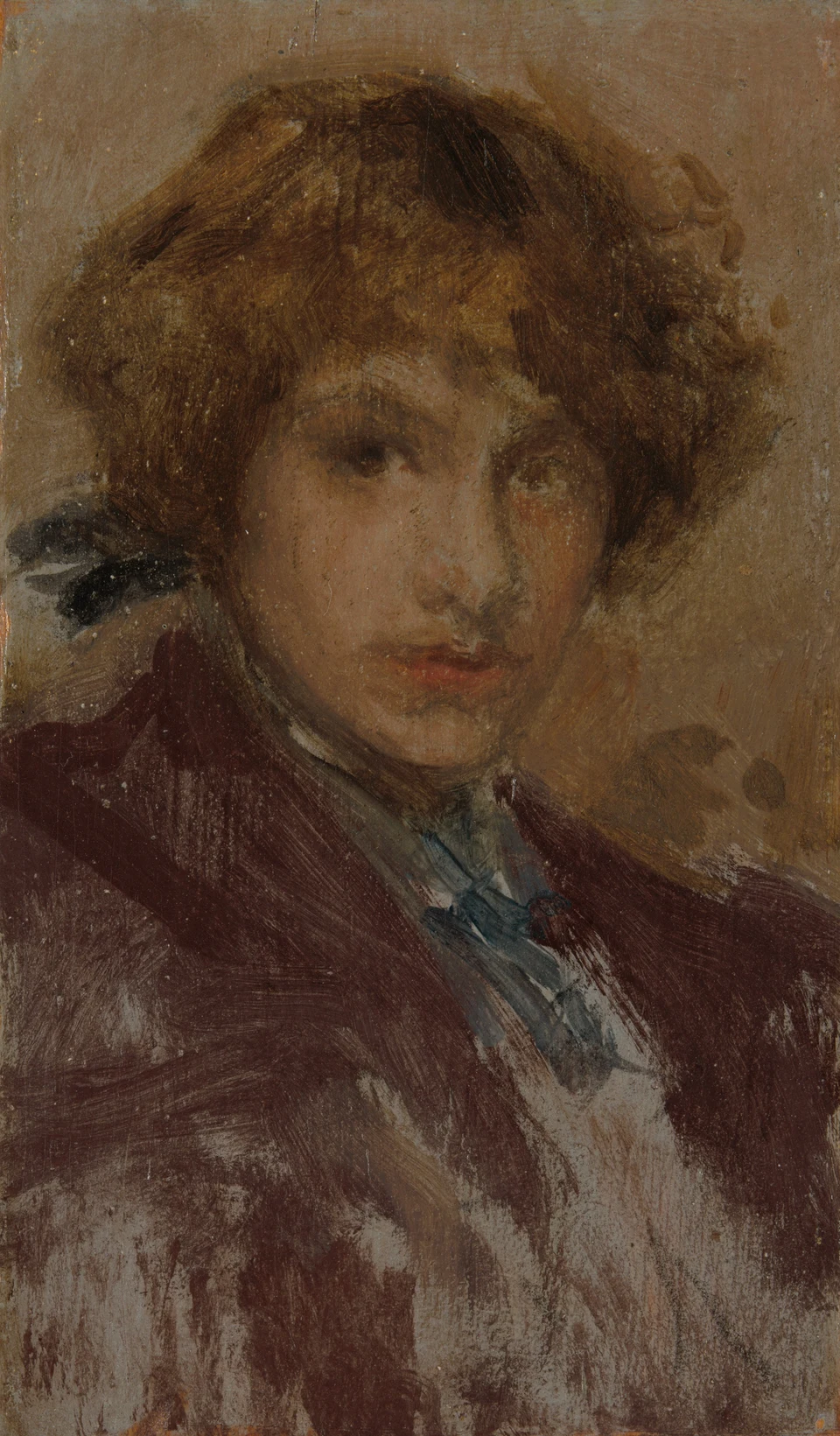
James McNeill Whistler treated a painting’s arrangement of colors and shapes as a subject in itself. His musical titles (harmonies, arrangements, and nocturnes) invite us to look beyond the identity of a sitter or the name of a place. An American who built his career in Paris and London, he worked across painting, drawing, and printmaking. In his nighttime waterscapes, boats and shorelines become barely distinct forms. The scene remains recognizable, but a few lights and closely related tones do much of the work of holding it together.
19 works · 1849–1903
In Nocturne: Blue and Gold—Southampton Water, find the smallest bright marks. How do they help you read the darker shapes?
1849–1903 · 8 works
Walk these 8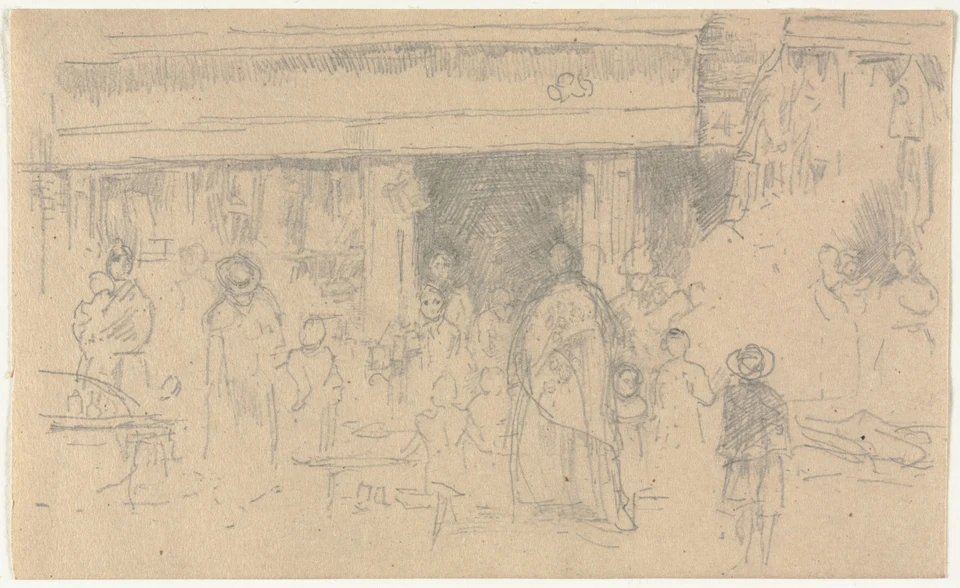 Street Scene1849–1903
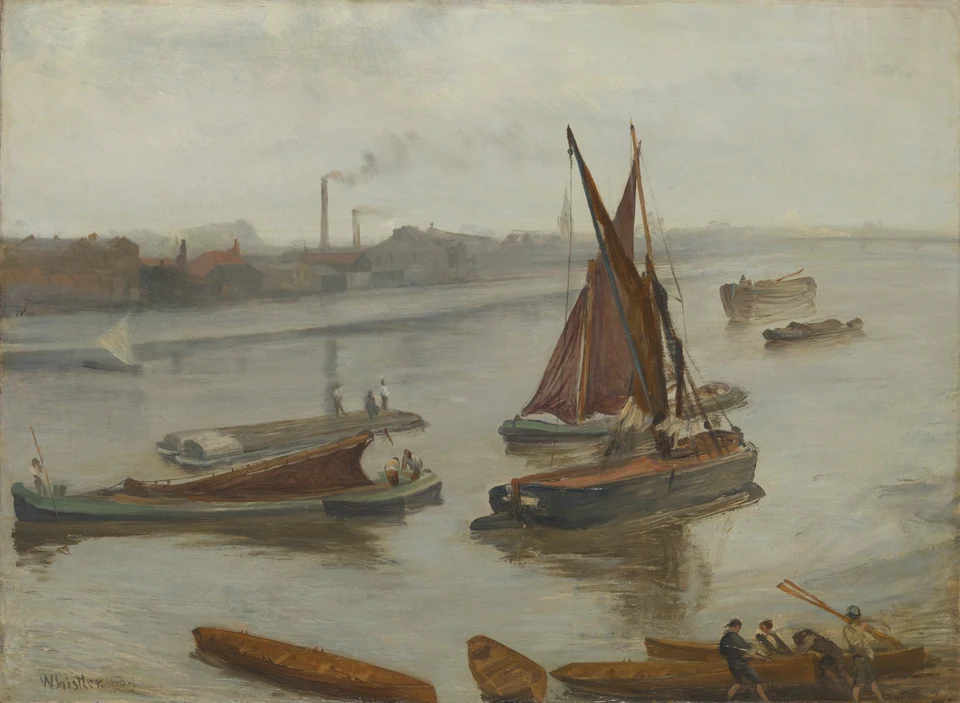 Grey and Silver: Old Battersea Reach1863
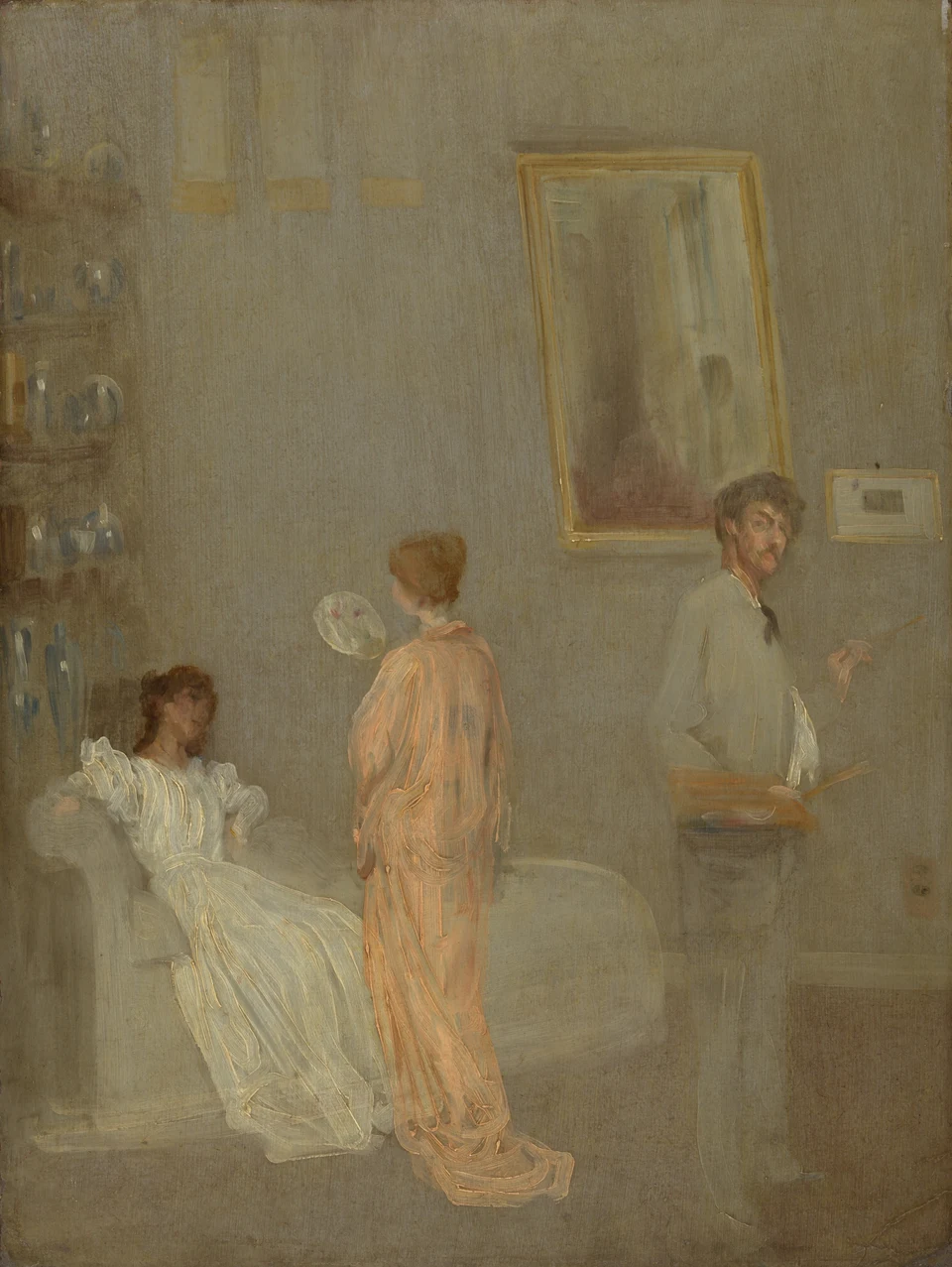 The Artist in His Studio1865–66
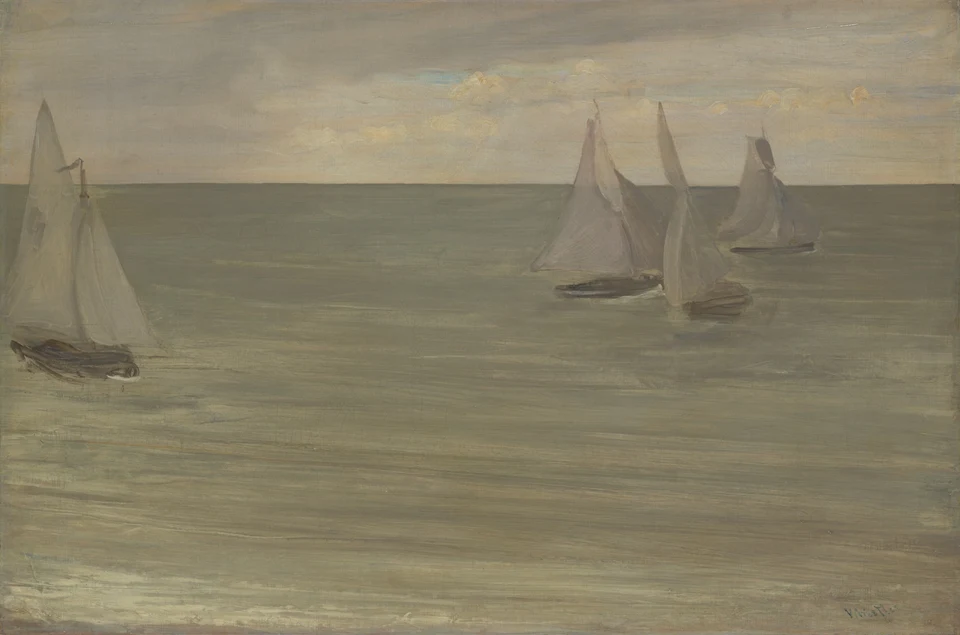 Trouville (Grey and Green, the Silver Sea)1865
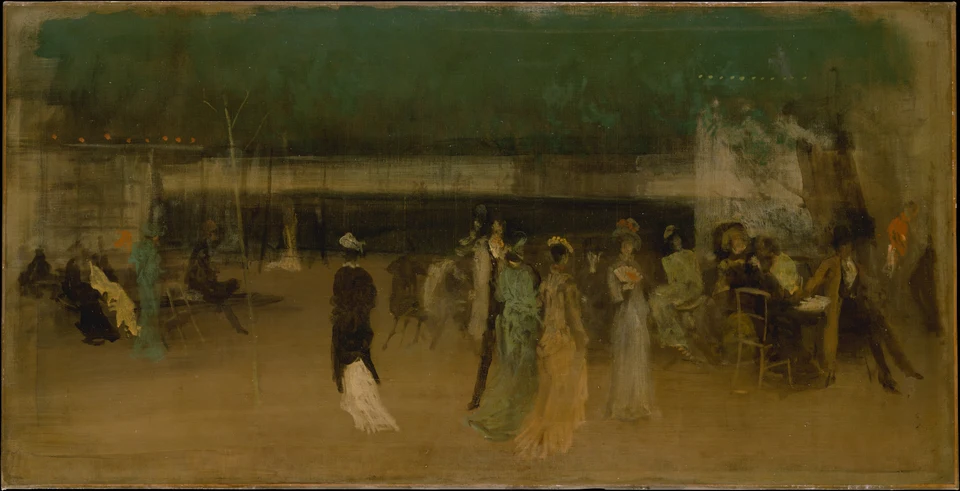 Cremorne Gardens, No. 2ca. 1870–80
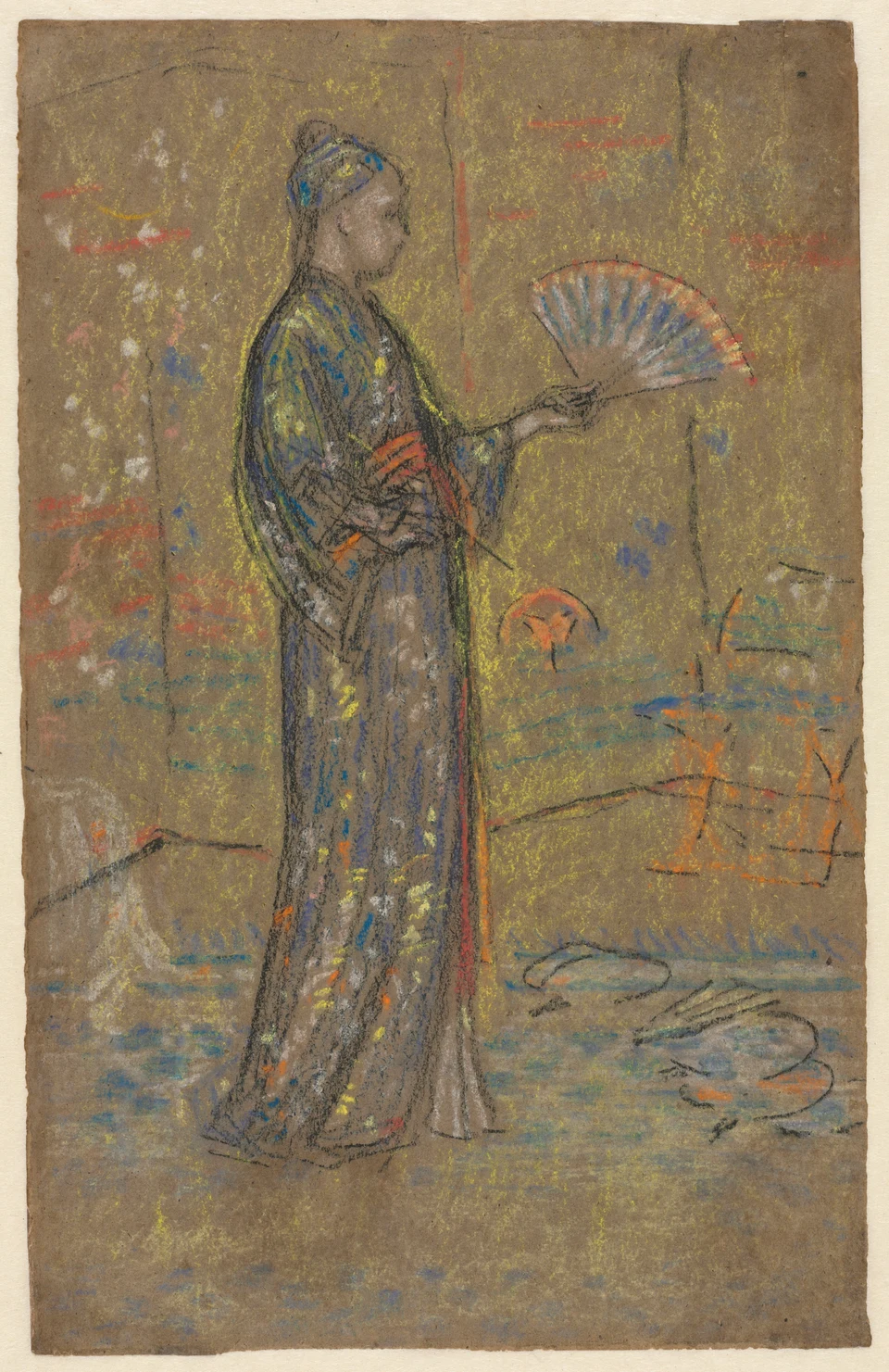 Japanese Woman Painting a Fan (recto)c. 1872
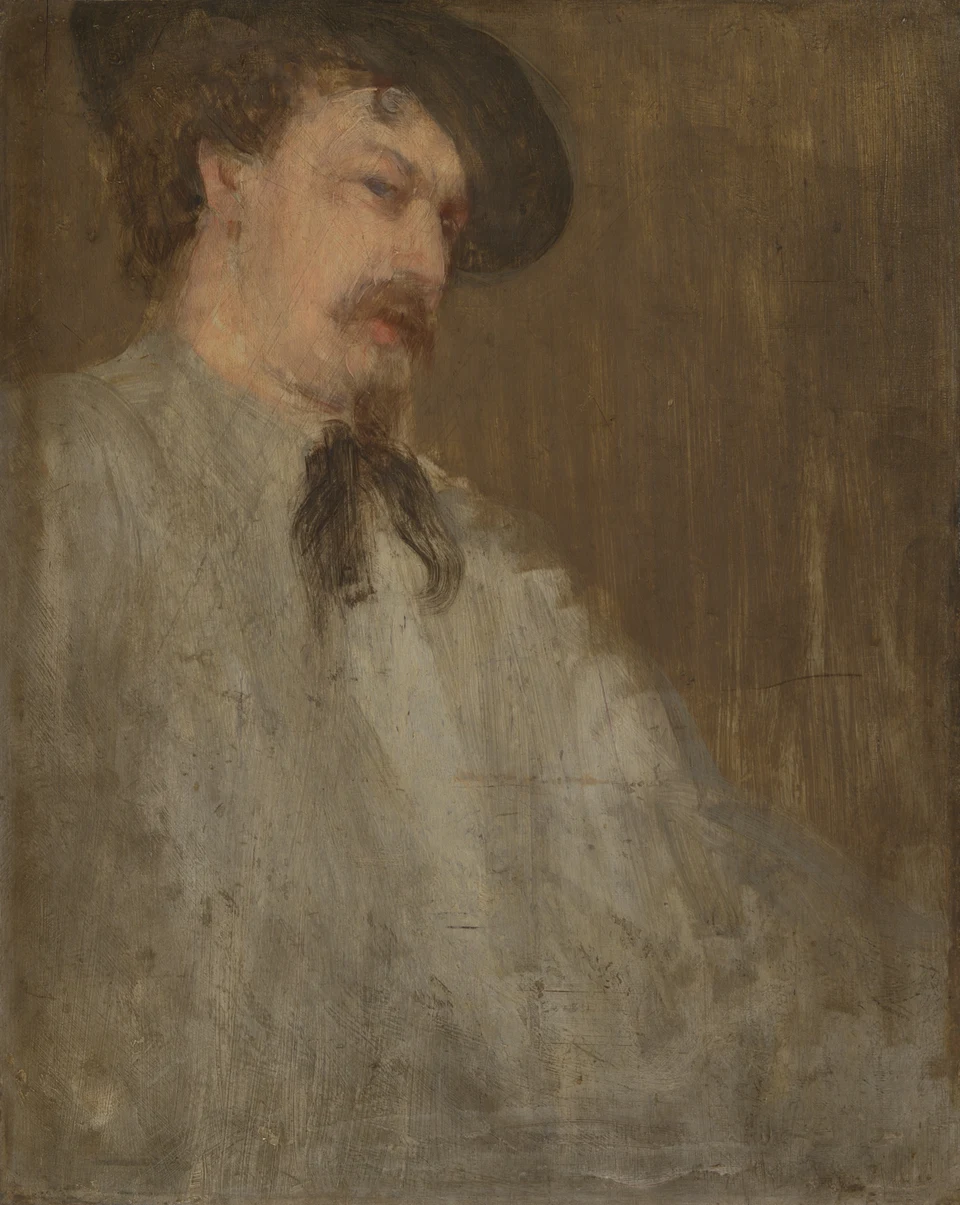 Portrait of Dr. William McNeill Whistler1871–73
- Nocturne: Blue and Gold—Southampton Water1872
1876–1894 · 8 works
Walk these 8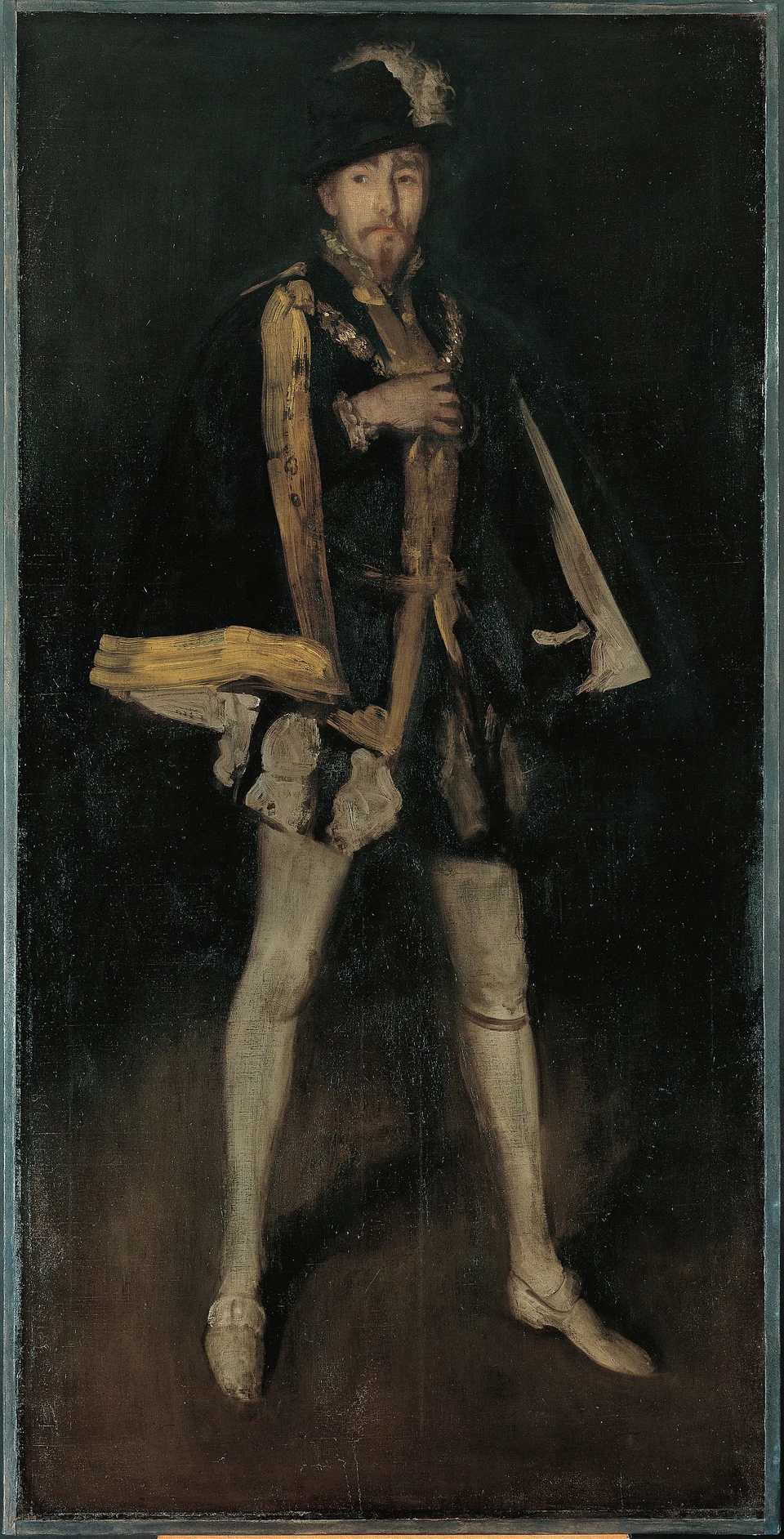 Arrangement in Black, No. 3: Sir Henry Irving as Philip II of Spain1876, reworked 1885
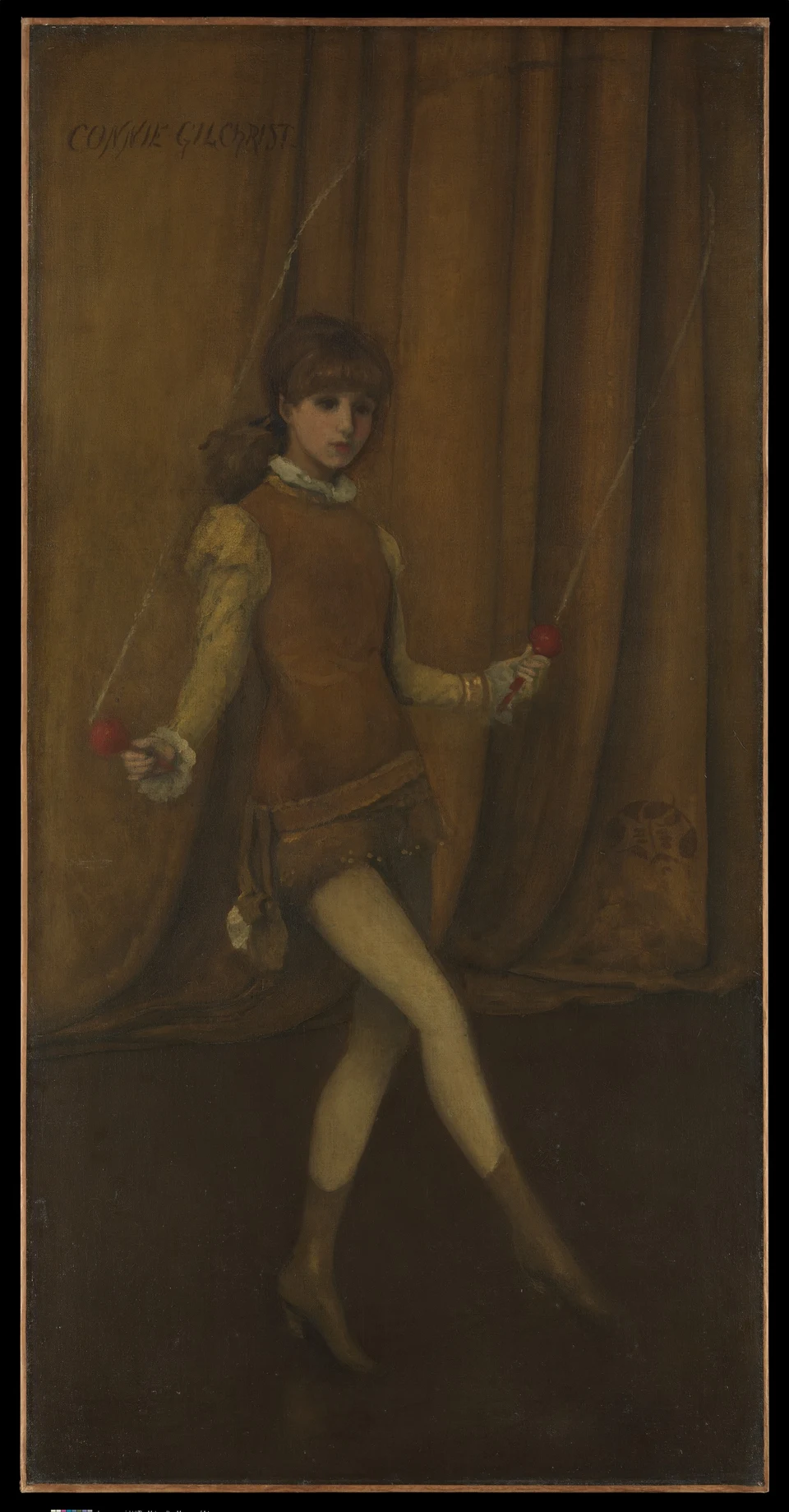 Harmony in Yellow and Gold: The Gold Girl—Connie Gilchristca. 1876–77
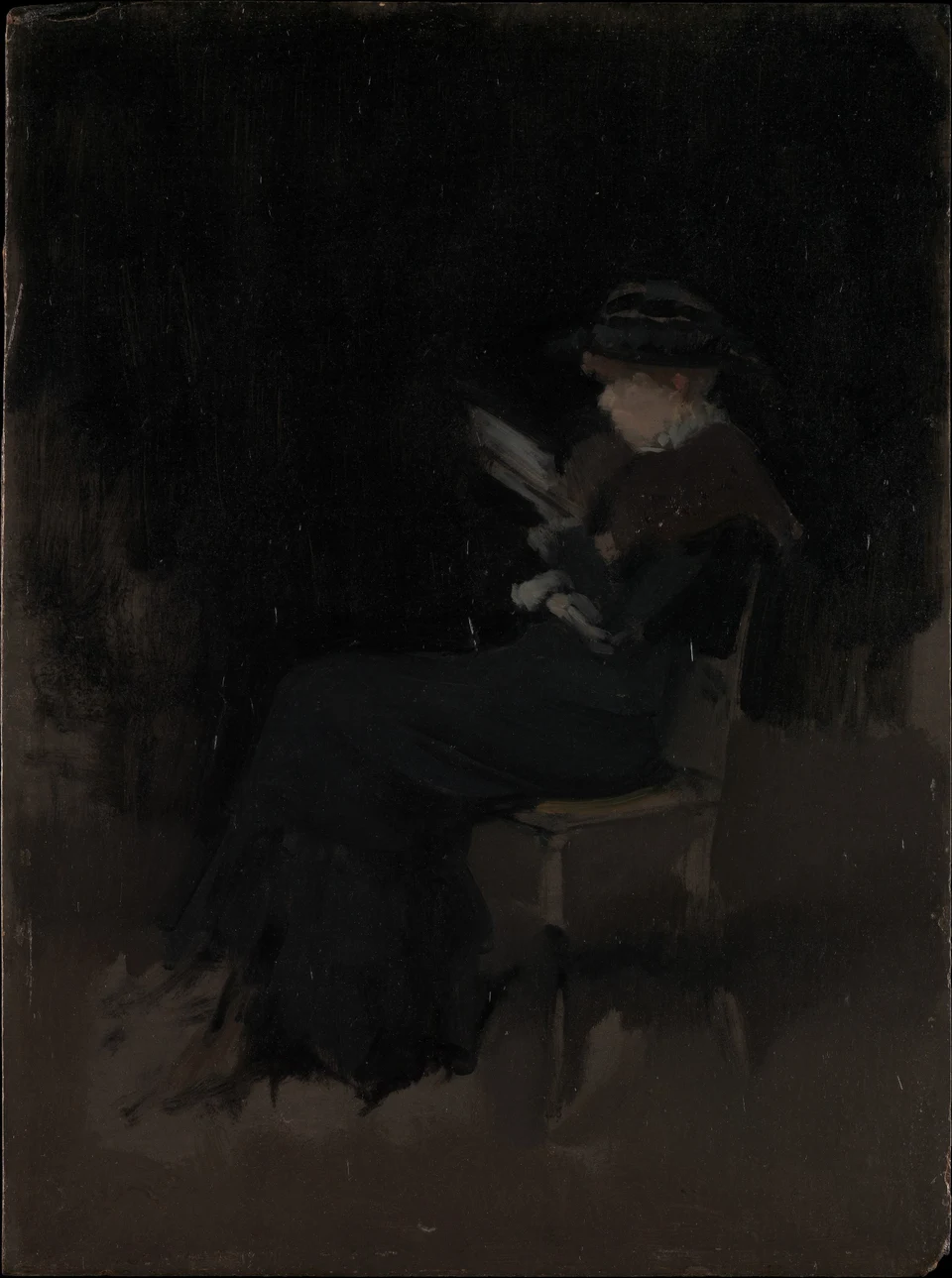 Arrangement in Black: Girl Readingca. 1880–90
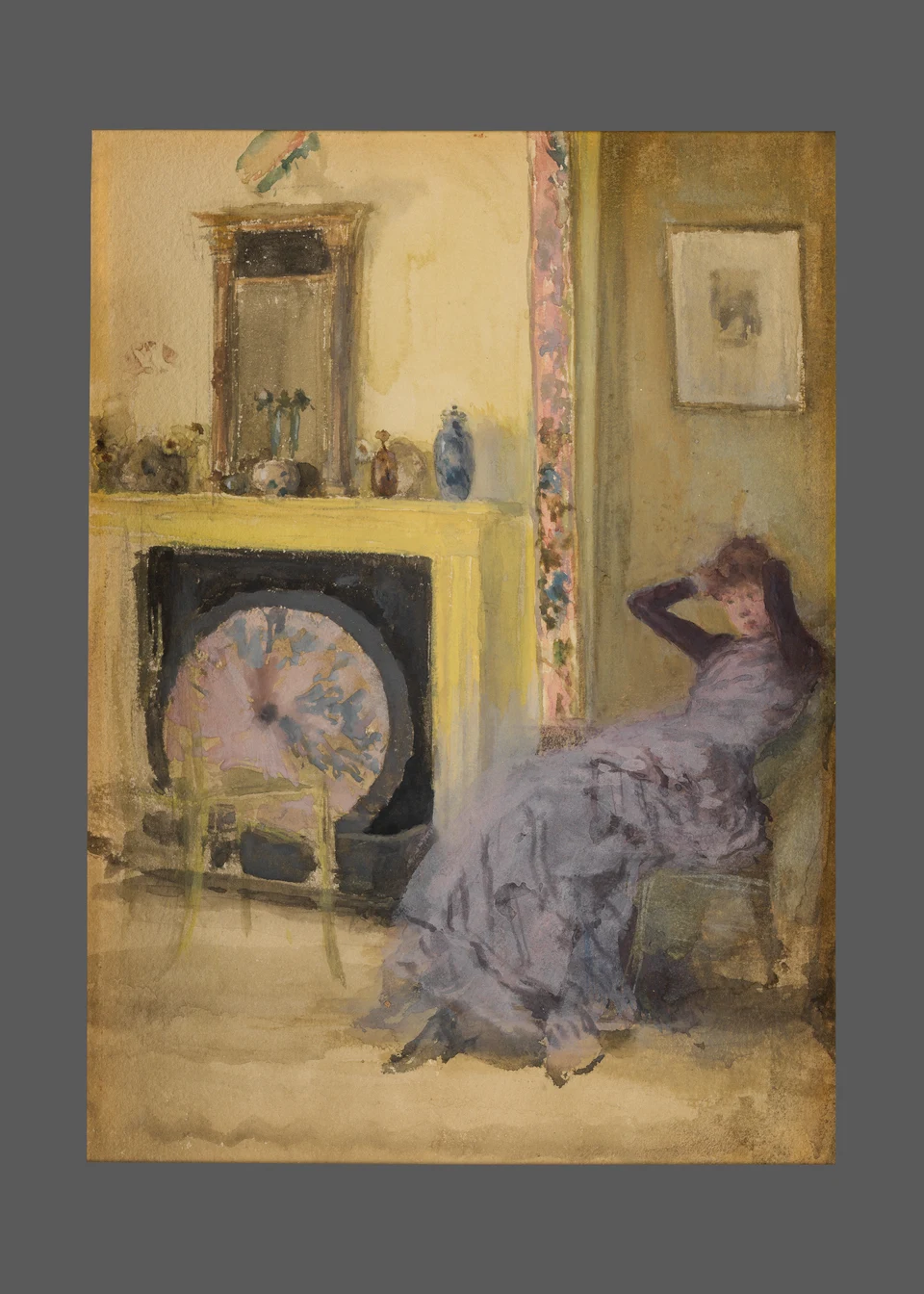 The Yellow Roomca. 1883–84
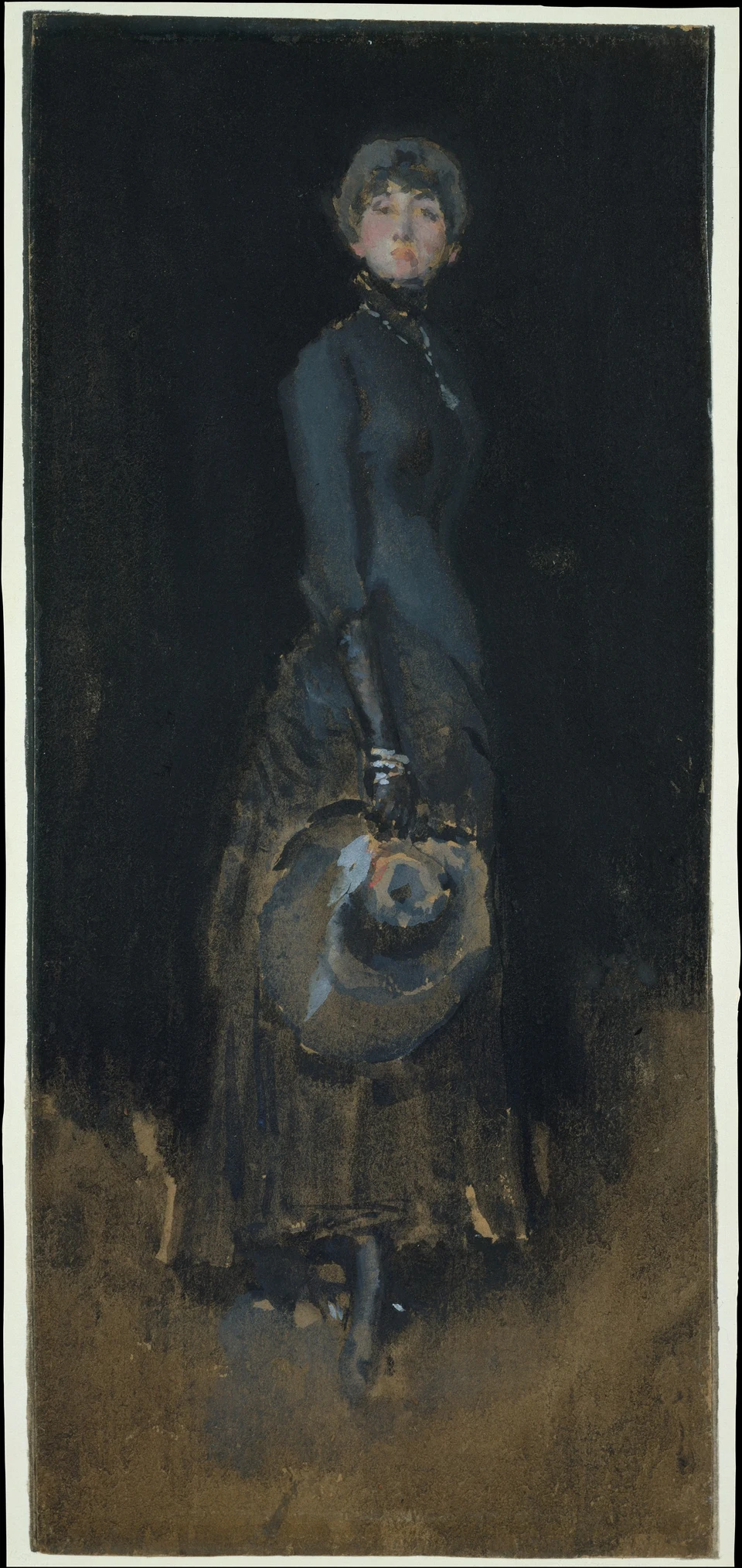 Lady in Grayca. 1883
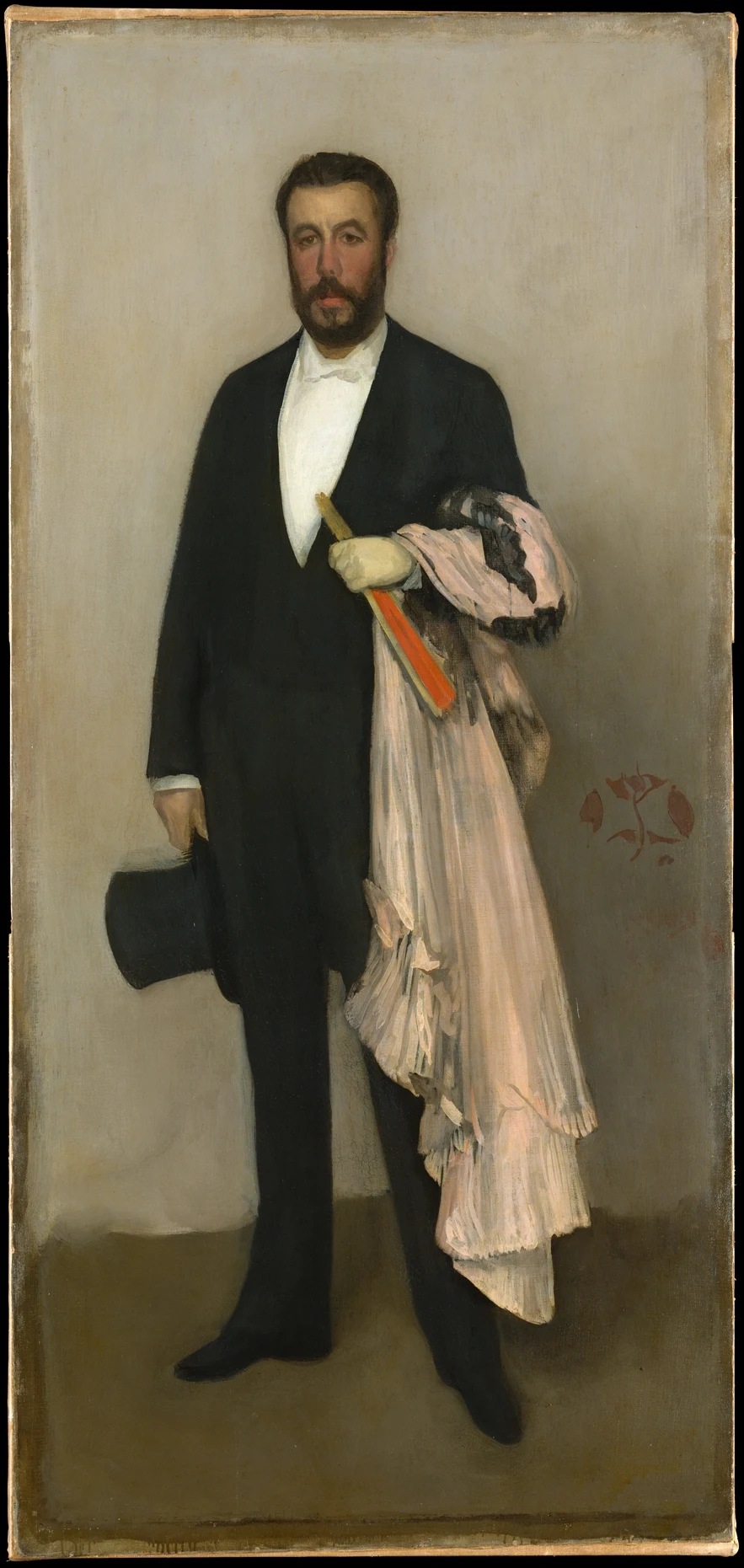 Arrangement in Flesh Colour and Black: Portrait of Theodore Duret1883
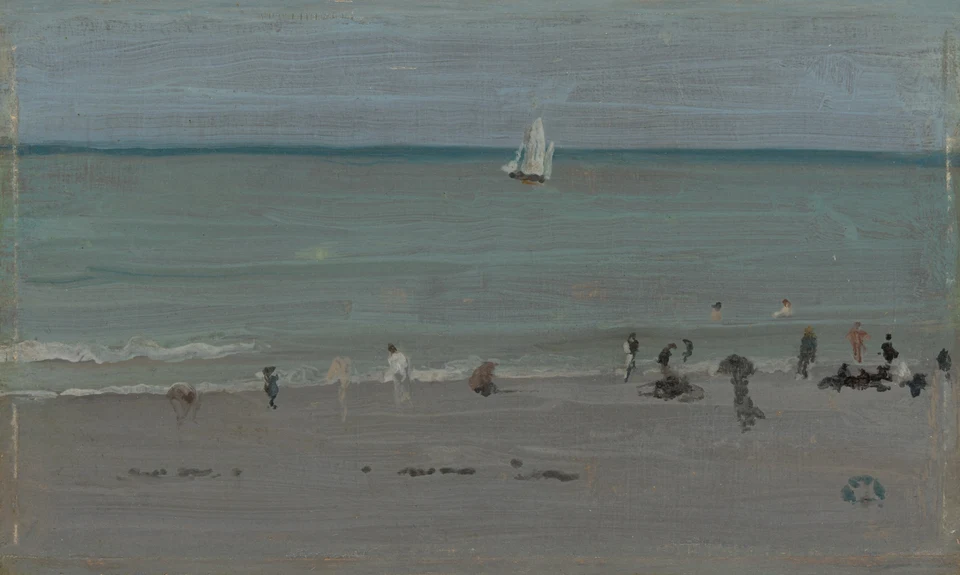 Coast Scene, Bathers1884–85
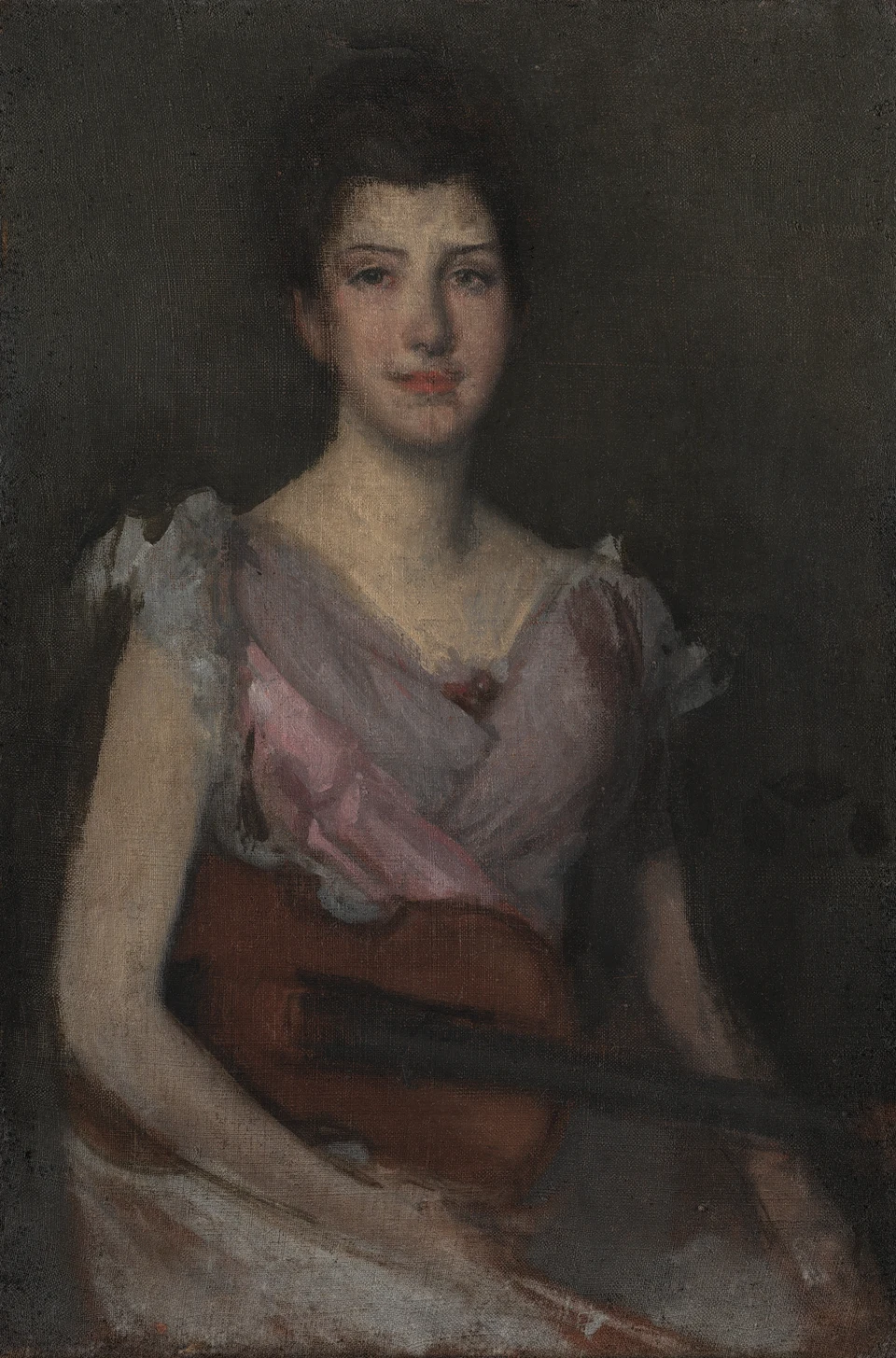 The Violin Playerc. 1890–94
1893–1897 · 3 works
Walk these 3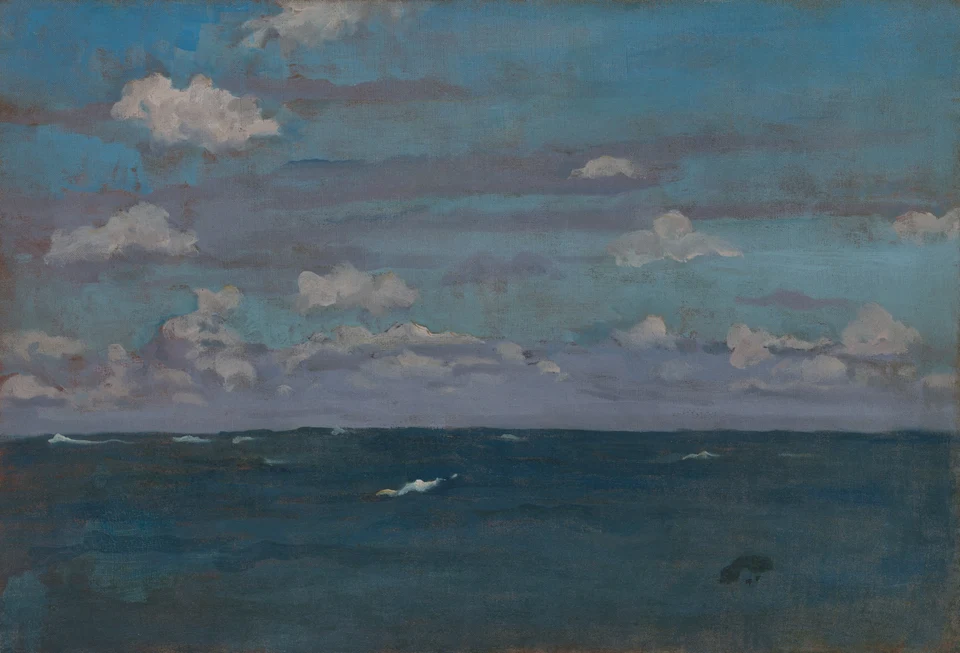
Impressionism · 7 works
Walk these 7Post-Impressionism · 1 work
Walk this workOther works · 11 works
Walk these 11Camille Pissarro
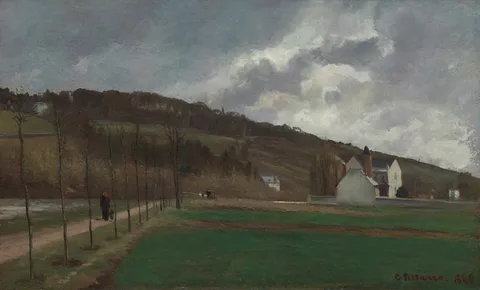
The Banks of the Marne in Winter, 1866
Frederick Carl Frieseke
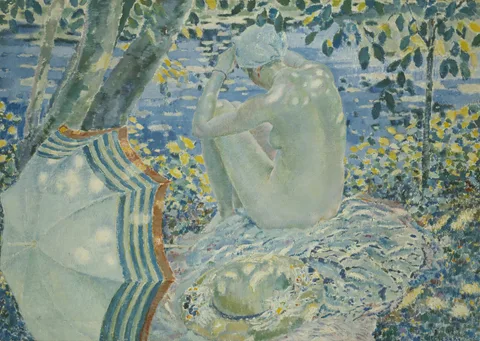
On the Bank, c. 1915
George Inness
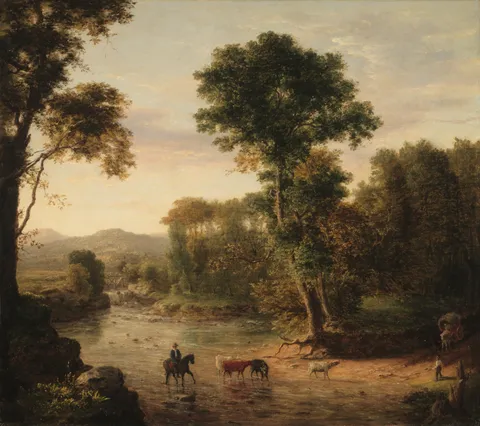
Crossing the Ford, 1848